A Clearer First Step in Fertility Care
Questions to Ask Before Starting Fertility Treatment
A Clearer First Step in Fertility Care
Follow us here:


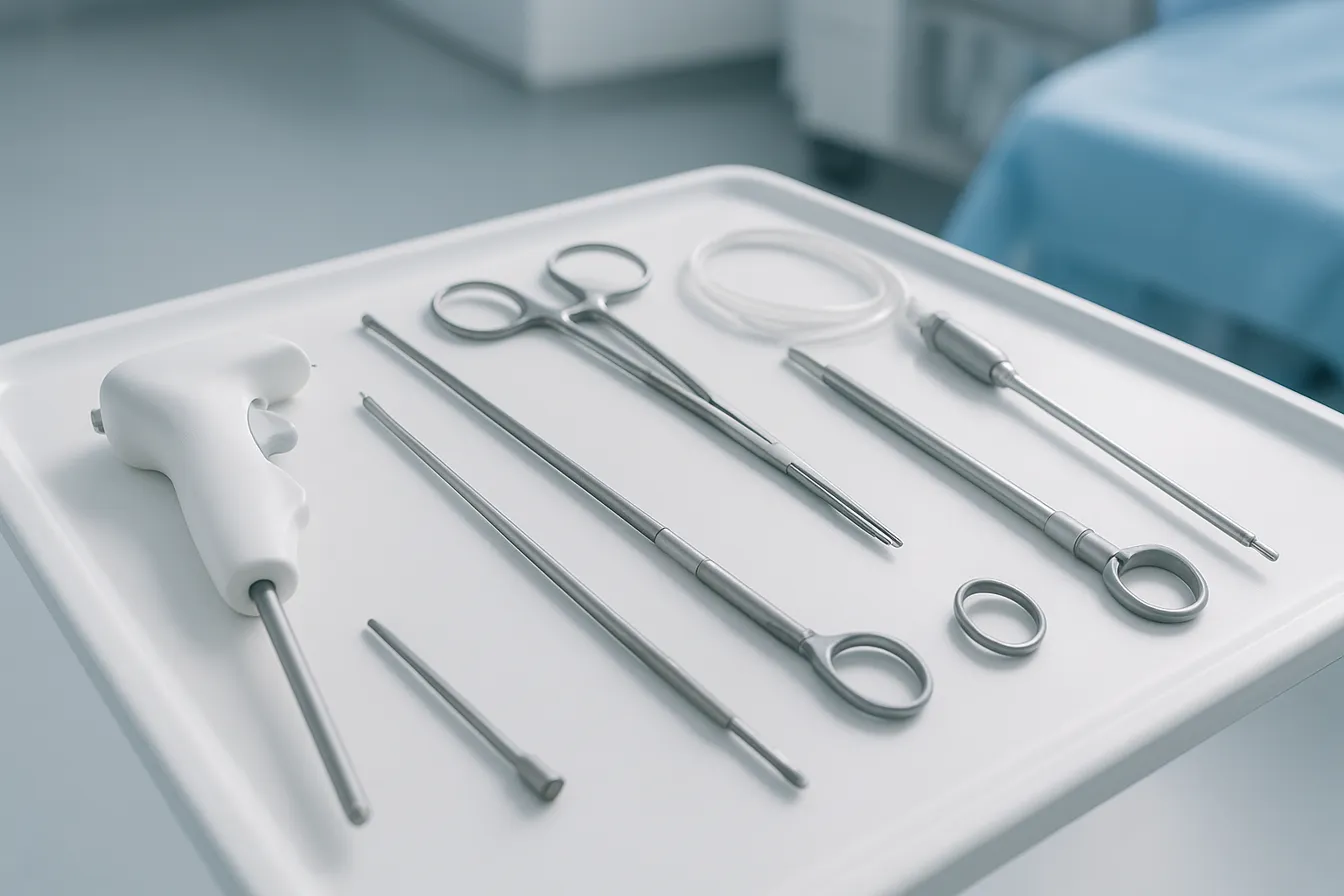
Minimally invasive gynecologic surgery involves techniques that require only small incisions or natural body openings. Commonly used procedures include hysteroscopic surgery, advanced laparoscopic surgery, robotic-assisted surgery, and vaginal surgery. These approaches are designed to reduce pain, minimize scarring, and shorten recovery time compared to traditional open surgery.
Gynecologists use minimally invasive methods to evaluate and treat benign gynecologic conditions such as heavy or irregular menstrual periods, pelvic pain, endometriosis, ovarian cysts, fibroids, and pelvic organ prolapse. These procedures also address chronic pelvic pain, abnormal uterine bleeding, and certain ectopic pregnancies.
Minimally invasive surgery offers faster recovery times, often allowing patients to return to normal activities within one to two weeks—significantly quicker than the several weeks required after open surgery. Benefits include less postoperative pain, reduced blood loss, lower infection risk, smaller scars, and shorter hospital stays. Many procedures can be performed on an outpatient basis, increasing convenience and reducing costs for patients.

Experienced OB/GYN clinics prioritize Minimally invasive gynecologic surgery options to enhance patient outcomes and comfort. Common procedures include:
Hysteroscopy procedures: This technique uses a narrow telescope inserted through the cervix to diagnose and treat uterine issues without skin incisions, effective for polyps, fibroids, and abnormal bleeding.
Laparoscopy procedure: Involves small abdominal incisions via which a camera and instruments are inserted for treatment of pelvic pain, ovarian cysts, fibroids, and endometriosis.
Robotic-assisted gynecologic surgery: Utilizing systems like the da Vinci Surgical System, robotic-assisted surgery offers 3D visualization and increased precision, reducing tissue trauma and improving recovery.
Vaginal gynecologic surgery and vNOTES: These natural orifice approaches minimize incisions and scarring, enabling faster healing for surgeries such as hysterectomy and ovarian procedures.
Laparoscopic radiofrequency ablation: Ultrasound-guided procedures like Sonata procedure precisely target fibroids by applying heat to shrink them, avoiding traditional surgery.
These techniques are largely performed on an Outpatient gynecologic procedures basis, which reduces hospital stays and expedites recovery, often allowing women to return to daily activities within one to two weeks. The integration of advanced technologies in these surgeries fosters less pain, lower infection risk, and superior cosmetic results, marking a significant leap in women's health care.

Woman-led OB/GYN providers significantly enhance care quality by focusing on personalized and culturally sensitive communication. This tailored approach increases patient trust and adherence to treatment plans, leading to better health outcomes and greater patient satisfaction.
These providers advocate strongly for gender equity in medical research and treatment, addressing health disparities that disproportionately affect women, especially women of color. They emphasize the adoption of advanced minimally invasive surgical techniques, which improve recovery times, reduce complications, and offer safer alternatives to traditional surgeries.
Moreover, woman-led practices foster comprehensive multidisciplinary care and continually invest in innovation, ensuring that patients receive the most current and effective treatments. This respectful and individualized care empowers women throughout all stages of their reproductive lives.
Women-led OB/GYN practices offer a broad spectrum of services that cover all phases of a woman's reproductive health. These include:
These practices integrate the latest diagnostic and surgical technologies, ensuring personalized treatment plans tailored to each patient’s needs. Collaboration with specialists in maternal-fetal medicine, reproductive endocrinology, oncology, and pain management further enhances comprehensive care.
Woman-led healthcare providers create a welcoming environment that respects patient autonomy and promotes health equity, resulting in superior care and improved patient experiences.
Minimally invasive gynecologic surgery are widely used today to treat gynecologic conditions such as fibroids, endometriosis, ovarian cysts, abnormal uterine bleeding, and pelvic pain. These approaches include laparoscopic gynecologic surgery, hysteroscopic procedures, robotic-assisted gynecologic surgery, vaginal gynecologic surgery, and laparoscopic radiofrequency ablation. Each method targets specific conditions while minimizing tissue trauma and promoting faster recovery.
Laparoscopic Myomectomy and Surgery: Involves small abdominal incisions with cameras and instruments to remove fibroids or cysts. Benefits include shorter hospital stays, reduced blood loss, less pain, and quicker return to daily life. See more about Minimally invasive gynecologic surgery.
Hysteroscopy: A no-incision approach using a thin telescope inserted through the cervix to address issues inside the uterus such as polyps, fibroids, or perform endometrial ablation. This method offers minimal recovery time and is often outpatient. Learn about Hysteroscopy procedure.
Robotic-Assisted Surgery: Utilizes robotic arms for enhanced precision and flexibility in complex surgeries like myomectomy or hysterectomy. Advantages include smaller scars, less tissue damage, and better surgical accuracy. More about Robotic gynecologic surgery.
Vaginal Surgery: The most minimally invasive major gynecologic surgery, avoiding abdominal incisions and allowing rapid healing, typically used for hysterectomy or pelvic repair. Explore Vaginal gynecologic surgery.
Radiofrequency Ablation: Non-surgical treatment like the Sonata procedure uses heat energy to shrink fibroids through ultrasound guidance, preserving uterine function with minimal downtime. Read about Minimally invasive gynecologic surgeries.
Patients experience Minimally invasive gynecologic procedures, lower risk of infection, diminished blood loss, and significantly shorter hospital stays—often same-day discharge is possible. Most women return to normal activities within one to two weeks, much sooner than conventional surgeries requiring six weeks or more. These advancements collectively enhance safety, comfort, and quality of life for women undergoing gynecologic treatment. For more on Recovery after minimally invasive gynecologic surgery.
Personalized care is central to modern gynecologic practice, achieved by tailoring surgical and medical treatments according to each woman's medical history, genetic profile, and lifestyle. Customized strategies guide the choice of Minimally invasive gynecologic surgery, such as choosing robotic-assisted surgery for complex cases or hysteroscopic intervention for targeted uterine treatment. This approach not only preserves fertility when desired but ensures optimized safety and recovery, creating a patient-centered experience that respects individual health needs.

Research highlights significant disparities in access to minimally invasive gynecologic surgery (MIGS), particularly affecting Black women. Despite Black women being three times more likely to develop uterine fibroids—often larger and more numerous—they are offered advanced minimally invasive gynecologic surgery at lower rates than white women. This leads to higher rates of complications such as increased blood loss and longer surgeries. Furthermore, patients of color, including Black and Latina women, experience greater postoperative complications and adverse effects following surgery for fibroids and endometriosis.
Surgeon expertise is critical for improving patient outcomes in minimally invasive gynecologic surgery. Surgeons with specialized fellowship training in minimally invasive gynecologic surgery and high procedure volumes tend to have lower complication rates and better surgical success. Experienced surgeons also show a less than 1% conversion rate from minimally invasive to open surgery. Advanced technology such as robotic systems requires precise surgical skill that fellowship-trained surgeons can best provide, ensuring safer and more effective treatments.
To address disparities and improve care quality, new fellowship programs specializing in minimally invasive gynecologic surgery have been launched, such as the three-year MIGS fellowship initiated at Cedars-Sinai in 2022. These programs focus on training future surgeons in advanced minimally invasive gynecologic surgery techniques and emphasize multidisciplinary care. Coordinated care models involve collaboration among gynecologists, reproductive endocrinologists, maternal-fetal medicine specialists, and pain management teams, enabling personalized treatment and equity in surgical access and outcomes. Expanding these fellowship opportunities and integrated care approaches is essential to bridging gaps and advancing women's health.

The future of minimally invasive OB/GYN surgery procedures is rapidly evolving with exciting technological advancements. AI-guided surgery is poised to enhance surgical precision by assisting surgeons with real-time data analysis and decision-making during operations. Single-port robotic systems are being developed to reduce the number of incisions further, minimizing tissue trauma and improving cosmetic outcomes.
Fluorescence imaging technology is increasingly incorporated to improve visualization of blood flow and tissue structures, aiding in safer and more effective surgeries. Magnetic resonance (MR) ultrasound is emerging as a powerful diagnostic and intraoperative tool, offering high-resolution images without radiation exposure.
Ongoing clinical trials and research efforts are crucial for innovating minimally invasive gynecologic surgery. Studies focusing on refining robotic techniques, developing new energy-based devices, and improving patient selection criteria are expanding the scope and safety of these procedures. Institutions are also investigating uterine-preserving surgeries and alternatives to traditional hysterectomy for benign conditions to enhance fertility preservation.
Specialized fellowship training in minimally invasive gynecologic surgery programs are training more surgeons in these advanced modalities, aiming to improve outcomes and reduce complications.
Integrated digital health tools significantly complement minimally invasive OB/GYN care. Electronic health records (EHRs) enable seamless access to patient history, facilitating personalized treatment planning and coordination among multidisciplinary teams.
Remote monitoring programs allow patients to track recovery and communicate with providers from home, reducing clinic visits without sacrificing care quality. Telemedicine has become an integral part of prenatal and post-surgical care, improving accessibility and patient satisfaction. These technologies together support safer, more efficient, and patient-centered care pathways.
As these innovations continue to develop, minimally invasive gynecologic surgery will become even safer, more precise, and widely accessible, offering enhanced outcomes and quality of life for women.
Minimally invasive gynecologic surgery offers women significant advantages, including less pain, quicker recovery, smaller scars, and reduced hospital stays. These techniques allow treatment of common conditions like fibroids, endometriosis, ovarian cysts, and abnormal bleeding in outpatient settings, promoting a faster return to daily activities and improved quality of life.
Women-led care providers play a crucial role in embracing these surgical innovations, ensuring compassionate, personalized treatment plans that respect individual needs. Their commitment to integrating advanced techniques such as robotic-assisted surgery, laparoscopy, and novel procedures helps expand access and improve surgical outcomes.
Women are encouraged to seek out healthcare providers skilled in minimally invasive options to benefit from safer procedures, less discomfort, and tailored treatment strategies. Embracing these advances empowers women to take control of their reproductive health with confidence and hope for optimal long-term outcomes.

.png)
%201.png)
Compassionate care for every stage of womanhood. Visit one of our convenient locations or book your appointment online today.