
A Clear Guide to Pap and HPV Screening
Understanding Pap Tests and Cervical Cancer Screening
A Clear Guide to Pap and HPV Screening
Follow us here:



Teens and young adults have access to a wide range of birth control methods tailored to their unique needs. These include:
Early and clear communication about contraception empowers teens to make informed choices, reducing the risk of unintended pregnancy and STIs. Pediatricians are advised to initiate one-on-one discussions starting between ages 11-13, fostering a safe environment to explore topics like healthy relationships, sexual behaviors, and contraceptive methods.
Healthcare providers, including pediatricians and adolescent gynecologists, play a vital role in counseling teens about contraceptive options. They offer confidential care, provide prescriptions or on-site contraception, and refer to community resources when needed. Providers emphasize dual protection strategies combining effective birth control with condoms to safeguard against STIs.
By considering individual health needs, lifestyle preferences, and potential risks, healthcare professionals support teens in selecting the safest and most suitable birth control methods, ultimately promoting healthier outcomes.

A woman-led healthcare provider in obstetrics and gynecology offers a full spectrum of personalized care tailored to women's health across all stages of life. Services commonly include routine examinations such as Pap smears, pelvic and breast exams, and cancer screenings to detect and prevent disease early. These providers also guide patients through reproductive health decisions, offering counseling on contraception options and family planning tailored to individual needs.
Comprehensive obstetrical and gynecological care Queens also includes management of menopause symptoms like hot flashes and vaginal health concerns, alongside addressing pelvic and bladder issues through minimally invasive procedures or physical therapy. Advanced diagnostic tools such as ultrasound, mammography, and bone density scans play a vital role in supporting effective treatment plans. Emphasis is placed on evidence-based, patient-centered care ensuring women receive the best support during pregnancy, menopause, and beyond.
The American Academy of Pediatrics (AAP) advises that pediatricians begin confidential, one-on-one discussions regarding sexual health with adolescents as early as ages 11 to 13. These discussions cover sexual behaviors, contraception options, and the importance of healthy relationships. The AAP strongly encourages parents to engage in open conversations with their teens about pregnancy prevention, including abstinence and effective birth control methods.
See more on AAP recommendations on contraception for teens.
Confidential counseling provides teens with a safe space to discuss sensitive topics related to sexual activity, contraception, and sexually transmitted infections (STIs) without fear of judgement or breach of privacy. This approach promotes honesty and allows healthcare providers to give tailored, age-appropriate guidance. Confidentiality is supported by laws in many states protecting minor consent and privacy, which is critical in encouraging teens to seek care proactively.
See Contraceptive methods and STI protection for more on confidentiality and importance of sexual health education.
Pediatricians and gynecologists are often the primary healthcare professionals managing contraception for adolescents. They can prescribe or provide various contraceptive methods—hormonal options like pills, patches, injections, vaginal rings, and long-acting reversible contraceptives (LARCs) such as implants and intrauterine devices (IUDs). Additionally, they provide screening and treatment for STIs, and when necessary, refer patients to specialized community resources. Annual follow-ups help support effective contraceptive use, address side effects, and ensure ongoing sexual health education.
Learn more about Pediatricians and teen sexual health and effective contraceptive methods including Long-acting reversible contraceptives (LARCs).
This integrated approach empowers teens to make informed, safe decisions about their sexual health, reducing unintended pregnancies and controlling STI risks.

Teens have access to a variety of contraceptive options including barrier methods, hormonal methods, long-acting reversible contraceptives (LARCs), and emergency contraception.
Effectiveness varies depending on correct and consistent use:
| Method | Typical Use Effectiveness | Notes |
|---|---|---|
| LARCs (IUDs, Implants) | >99% | 3-12 years duration, minimal user effort required |
| Depo-Provera Injection | ~96% | Requires injection every 3 months |
| Combined Hormonal Pills | ~93% | Daily intake required; additional health benefits |
| Patch & Vaginal Ring | ~93% | Weekly/monthly use; may have side effects |
| Male Condoms | 87% | Protects against STIs; accessibly low cost |
| Female Condoms | 79% | Also STI protection; less common |
| Fertility Awareness | Variable (less reliable) | Less effective for teens due to irregular cycles |
| Withdrawal | Low | Does not protect against STIs |
Key considerations include:
Consultations with healthcare providers promote personalized care that aligns with teens’ health needs and lifestyle, improving outcomes and satisfaction.
Personalized care tailors treatment plans to each individual’s medical history and lifestyle, enhancing the effectiveness of contraception and other women's health interventions. This careful approach supports better adherence, reduces unnecessary procedures, and encourages patient engagement, leading to earlier detection of issues and improved overall health outcomes. For access to specialized and comprehensive women's health care in Queens and OBGYN services in NYC.

Long-acting reversible contraceptives (LARCs) include intrauterine devices (IUDs) and contraceptive implants. These methods are recognized as the most effective birth control options for teens, boasting over 99% effectiveness compared to other methods like pills, patches, or rings, which have typical use failure rates around 7-9%. LARCs do not require daily attention and maintain their efficacy over several years.
LARCs are low-maintenance and provide long-term protection—implants last 3 to 5 years, hormonal IUDs range from 3 to 8 years, and copper IUDs can last up to 10-12 years. Fertility generally returns quickly, often within a week after removal, making LARCs suitable for teens who may want children in the future. Many users experience lighter or even no periods, which can alleviate menstrual cramps and improve quality of life.
Despite their high effectiveness, misconceptions persist regarding safety and accessibility. Serious side effects are rare, occurring in less than 1 in 100 users. Some teens may experience irregular bleeding or spotting initially, but this often improves over time. LARCs do not protect against sexually transmitted infections (STIs), so using condoms alongside LARCs is essential for STI prevention.
Most U.S. states allow teens to access LARCs without parental consent, and many clinics provide confidential counseling tailored to adolescent needs. Healthcare providers strive to create a supportive environment, allowing teens to discuss their preferences and concerns freely. Additionally, many providers offer same-day insertion services, increasing accessibility and reducing barriers to use.
Using LARCs empowers teens with a safe, highly effective, and convenient birth control method, supporting their reproductive autonomy while lowering the risk of unplanned pregnancies.
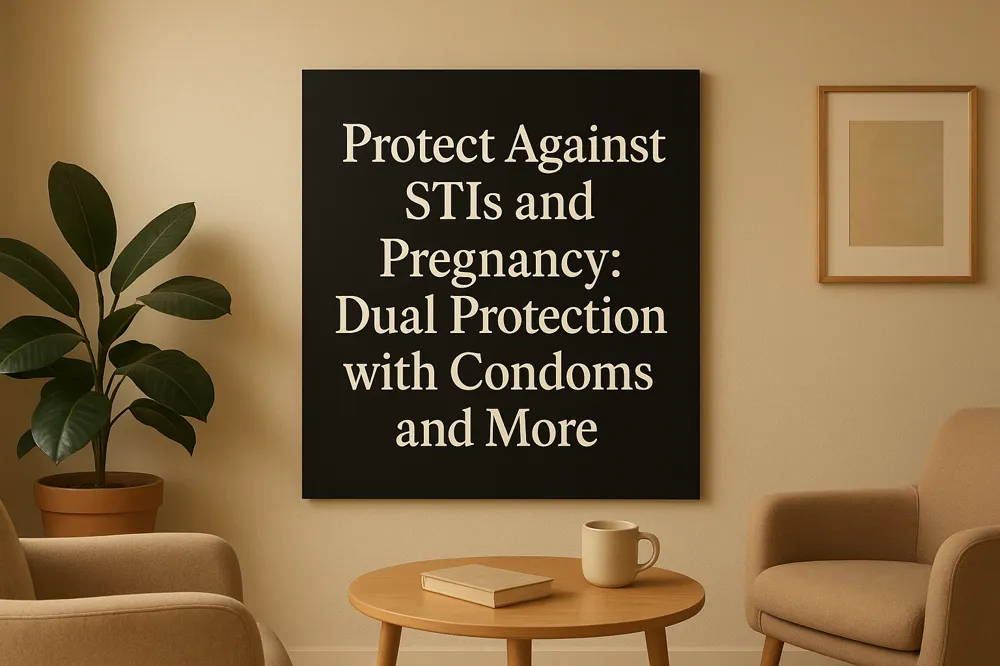
Condoms are the only contraceptive method that provides significant protection against sexually transmitted infections (STIs) including HIV, while also reducing the risk of pregnancy. Male condoms have a typical use effectiveness of about 87% for pregnancy prevention, and female condoms about 79%. Their importance extends beyond contraception because they help prevent STIs, a crucial consideration for sexually active teens (Contraceptive methods and STI protection, Barrier methods and STI protection).
Due to their moderate effectiveness in pregnancy prevention compared to long-acting reversible contraceptives (LARCs), condoms are best used alongside other birth control methods—such as hormonal contraceptives or IUDs—for dual protection. This combination ensures robust prevention of unintended pregnancy while also guarding against STIs, as most hormonal and long-acting methods do not provide STI protection (Contraceptive patch details.
Condoms are inexpensive, readily accessible without prescriptions, and easy to use, making them highly accessible for teens. While slightly less effective when used alone for pregnancy prevention, consistent and correct condom use greatly reduces both pregnancy and STI risks. Education around proper condom use is essential to maximize their benefits (Effectiveness of condoms, Male and female condom effectiveness.
Healthcare providers are encouraged to counsel adolescents in a nonjudgmental and confidential manner, emphasizing both pregnancy prevention and STI protection. This counseling includes encouraging condom use every time during sex, discussing sexual behavior and practices responsibly, and recommending regular STI screening. Reinforcing the concept of "dual protection" empowers teens to take charge of their sexual health safely and effectively (Contraceptive methods and STI protection, Contraceptive counseling for adolescents).
Emergency contraception provides a critical option to prevent pregnancy after unprotected sex or contraceptive failure. The main types include:
The sooner emergency contraception is taken, the more effective it is. Pills like Plan B work best when used within the first 6 hours after sex but can be used up to 5 days with decreasing effectiveness. Ulipristal acetate maintains higher efficacy closer to the 5-day limit. The copper IUD is over 99% effective as emergency contraception and also offers long-term protection. Effectiveness of emergency contraception for adolescents
Most emergency contraceptive pills are available over-the-counter for teens without age restrictions, ensuring easier access. The copper IUD requires healthcare provider insertion but is accessible to teens without mandatory parental consent in many states. Confidentiality laws and minor consent policies support teens in obtaining emergency contraception privately. Contraceptive counseling and minor consent laws
Healthcare providers play a crucial role in educating teens about emergency contraception, ensuring they understand timely use, options available, and how to access these methods safely. Providers encourage open conversations with adolescents, offer counseling without judgment, and facilitate same-day access to emergency contraception when needed to reduce unintended pregnancy risks. Pediatrician's role in teen contraception guidance
These combined efforts help empower young people to make informed decisions about their reproductive health when faced with unplanned situations.
Choosing the most suitable birth control method for teens and young adults depends on several important factors. Health history plays a crucial role; teens with chronic conditions like epilepsy or sickle cell anemia may benefit from certain hormonal contraceptive methods that also help manage their symptoms. Lifestyle and comfort with the method—such as daily pills versus long-acting options like contraceptive implants or intrauterine devices (IUDs)—are key considerations to ensure consistent use.
Future pregnancy plans are also essential; long-acting reversible contraceptives (LARCs) can provide protection for several years but are easily reversible when pregnancy is desired. Side effect profiles, including menstrual benefits like reduced cramps or lighter periods, also influence method selection.
Open, honest discussions about contraception promote safety, informed choices, and better adherence. Pediatricians annual one-on-one teen visits often recommend private, one-on-one counseling starting from early adolescence to address sexual health, contraception, and healthy relationships in a respectful, confidential setting. Parents play a supportive role by encouraging dialogue and helping teens access healthcare resources.
Adolescents come from diverse cultural backgrounds that may affect attitudes toward contraception. Healthcare providers strive to offer culturally sensitive, developmentally appropriate counseling that respects the teen’s values and autonomy.
Legally, many U.S. states protect minors’ rights to confidentially access contraception without parental consent, fostering an environment where teens can seek care comfortably. Providers remain knowledgeable about state laws to guide teens accordingly.
Tailored counseling helps select methods that align with teens’ individual health, preferences, and lifestyle. It addresses concerns about side effects, adherence challenges, and STI prevention by emphasizing dual protection using condoms alongside other methods.
Follow-up appointments allow healthcare providers to monitor satisfaction, manage any side effects, and support continued use. This personalized approach increases satisfaction and reduces risks of unintended pregnancies.
Choosing a woman-led healthcare provider ensures empathetic, knowledgeable care sensitive to women’s unique health needs. Such providers foster trust and open communication, guiding teens and young adults in making informed reproductive health decisions. Midwife-led care can also offer natural childbirth options, reducing interventions and promoting positive health outcomes. For specialized care in this area in Queens, visit Comprehensive obstetrical and gynecological care Queens.
| Factor | Impact on Birth Control Choice | Additional Notes |
|---|---|---|
| Health History | Select methods safe for chronic conditions | e.g., epilepsy benefits from hormonal options |
| Lifestyle & Comfort | Affects adherence and consistent use | LARCs require less maintenance |
| Future Pregnancy Plans | Influences method reversibility and duration | LARCs reversible when pregnancy desired |
| Cultural and Legal Factors | Shapes counseling approach and access rights | Confidential care without consent |
| Communication | Enhances understanding and safe practices | Involves teens, parents, and providers (AAP recommendations |
| Personalized Counseling | Improves satisfaction and adherence | Supports STI prevention via dual method use |
| Woman-led Care Providers | Promotes trust, empathy, and informed choices | Midwife care can reduce interventions (Queens Women's Health Services) |
Modern obstetrics and gynecology practices utilize advanced diagnostic technologies and minimally invasive procedures to provide personalized and effective care for adolescents seeking contraception. Techniques such as 3D and 4D ultrasound enable precise assessment of reproductive anatomy, which aids clinicians in providing tailored contraceptive counseling. Minimally invasive surgeries, including laparoscopy and hysteroscopy, also allow for treatment of underlying conditions with faster recovery times, which is beneficial for teen patients.
Electronic health records (EHRs) streamline care coordination and enhance confidentiality, a crucial feature for adolescent populations. These digital systems support secure patient portals where teens can access their health information and communicate with providers privately. Telehealth platforms further expand access, overcoming geographic and scheduling barriers by allowing confidential contraceptive consultations and follow-up appointments remotely.
Artificial Intelligence in reproductive healthcare enhances sexual and reproductive healthcare by improving diagnostic accuracy in imaging studies and offering decision support tools for clinicians. AI algorithms assist in detecting abnormalities, monitoring fetal health, and identifying cancerous changes earlier, leading to timely and personalized interventions.
Together, these innovations improve contraceptive access and adherence among adolescents by promoting patient-centered care, preserving confidentiality, and enabling comprehensive support beyond traditional in-person visits. This technological integration empowers teens to make informed choices about contraception and sexual health with greater ease and confidence.
Teens have access to a wide range of contraceptive methods, from highly effective long-acting reversible contraceptives (LARCs) like IUDs and implants to hormonal options such as pills, patches, rings, and injections. These methods vary in duration, efficacy, and side effects, allowing personalized choices based on individual health, lifestyle, and reproductive goals. Barrier methods like condoms remain essential for protecting against sexually transmitted infections (STIs).
Healthcare providers play a crucial role in creating a welcoming environment where adolescents can discuss sexual health openly and privately. Confidentiality is legally protected in many states, encouraging teens to seek guidance without fear of judgment or disclosure. Honest communication supports informed decisions, adherence to contraceptive use, and STI prevention.
Regular consultations with trusted healthcare providers enable personalized counseling tailored to adolescents' unique needs. Providers can explain benefits, manage side effects, provide prescriptions or referrals, and offer support for ongoing care. This approach empowers young women to make safe, informed choices and promotes healthy sexual and reproductive wellbeing.

.png)
%201.png)
Compassionate care for every stage of womanhood. Visit one of our convenient locations or book your appointment online today.