
Navigating Your Laparoscopy Recovery: A Step-by-Step Guide
Recovery Timeline for Laparoscopic Procedures
Navigating Your Laparoscopy Recovery: A Step-by-Step Guide
Follow us here:


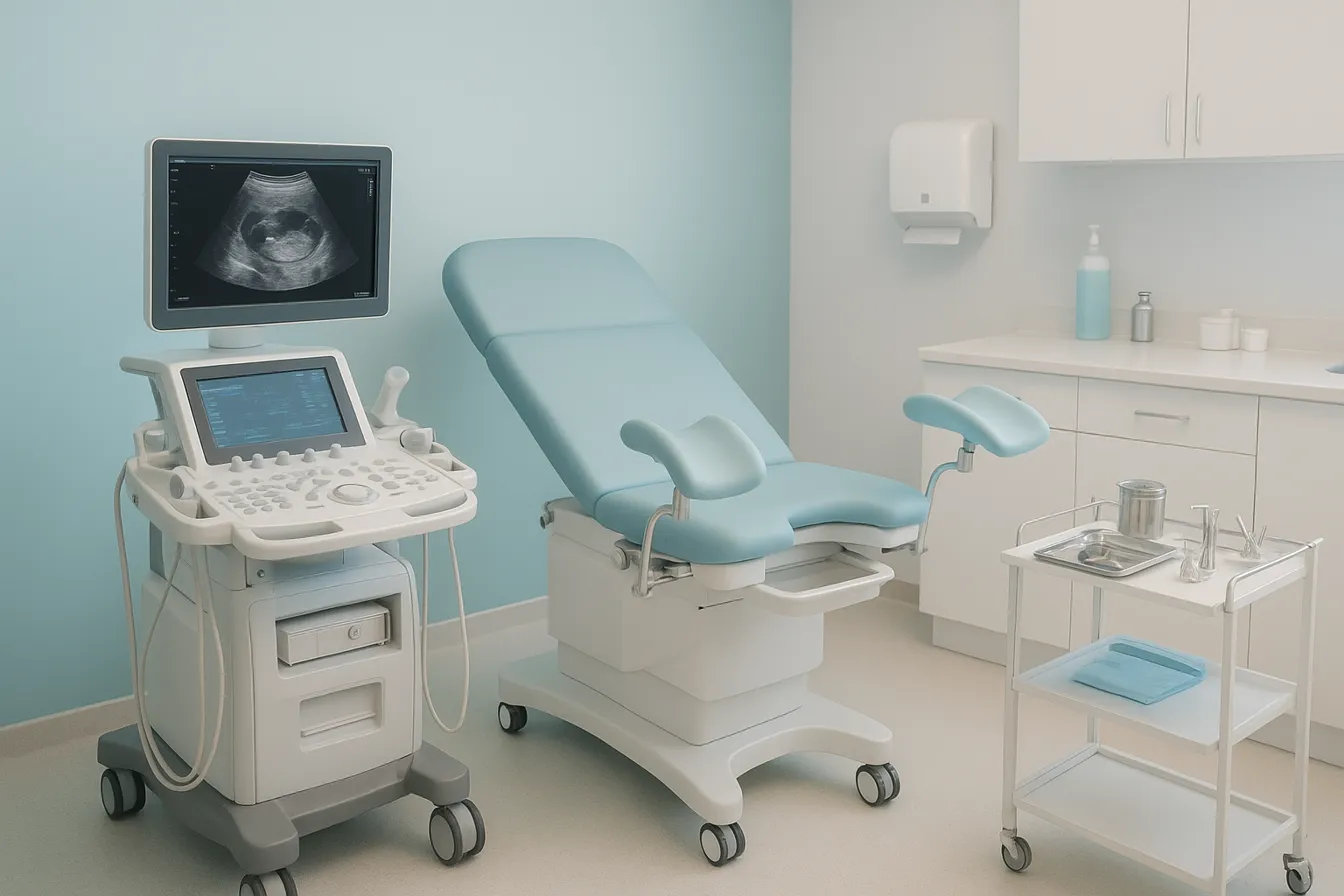
Prenatal care refers to the healthcare and support provided to pregnant individuals to ensure the health of both the mother and baby throughout pregnancy. It involves early and regular medical checkups, screening tests, and educational services. The care begins ideally before conception and continues through delivery, tailored to each woman's unique needs.
Routine prenatal visits typically include monitoring vital signs such as blood pressure and weight, measuring abdominal growth, and checking fetal heart tones. Screening for conditions like gestational diabetes, hypertension, and genetic abnormalities is standard, especially for higher-risk pregnancies. Lab tests and ultrasound imaging help assess maternal and fetal well-being and growth.
Prenatal care encompasses more than medical assessments; it also includes counseling on nutrition, exercise, and lifestyle modifications to promote a healthy pregnancy. Emotional support through prenatal classes and mental health screenings helps manage anxiety or depression, contributing to better outcomes. Guidance on labor preparation and newborn care is also integral.
Consistent prenatal care significantly reduces risks such as low birth weight, preterm delivery, and maternal complications. It enables early detection and management of any health issues, ensuring timely interventions. Ultimately, prenatal care supports a safer pregnancy and delivery, promoting lifelong health for both mother and child.

Pregnant women require a blend of emotional and practical support that evolves through pregnancy. Emotional support is vital to reduce anxiety, stress, and feelings of isolation, which can be more pronounced for women from lower-income or minority populations. A strong social network comprising family, friends, and peers plays a crucial role in offering comfort and encouragement.
Emotional well-being is supported by trusted communication with healthcare providers who listen and address concerns empathetically. Group prenatal classes and online forums provide spaces for sharing experiences and learning coping strategies. Mental health screenings integrated into prenatal care help identify and manage mood or anxiety disorders early.
Joining antenatal groups, both virtual and in-person, fosters connection with other pregnant individuals, mitigating loneliness. Programs like Rose Mamas Circles Support Program are designed to bring moms together for mutual support. Family members and partners also benefit from education about pregnancy to better support expectant mothers.
Certified midwives, doulas, and obstetricians offer personalized care tailored to each woman's health status and pregnancy progression. Doulas provide continuous physical, emotional, and informational support during prenatal visits and labor, enhancing birth experiences. Midwives often deliver holistic care including health education, nutritional counseling, and birth planning.
Clear communication with care teams ensures that individual preferences and concerns are addressed. Access to community programs, such as Healthy Start program and Early Head Start program, connects families to services beyond medical care, including transportation, nutrition education, and mental health resources. Pregnancy apps and trusted online sources provide timely advice and tools for managing pregnancy milestones such as American Pregnancy Association.
This multifaceted support system empowers pregnant women, promoting healthy pregnancies and positive maternal mental health outcomes.

During labor, several signs indicate when a woman should head to the hospital. Key indicators include vaginal bleeding beyond normal spotting, a sudden gush or steady trickle of fluid signaling the water breaking, and decreased fetal movement, which may suggest fetal distress. Contractions that follow the 5-1-1 rule—coming every 5 minutes, lasting 1 minute each, consistently for at least 1 hour—are a clear sign that active labor is underway and hospital care is necessary. Additional symptoms like increased pain, dizziness, shortness of breath, or vision changes also require immediate medical attention. Prompt recognition of these signs helps safeguard the health of both mother and baby.
The 5-1-1 rule provides simple guidance to expectant mothers on when to seek hospital care during labor. Specifically, it means contractions are occurring every 5 minutes, they last for 1 minute, and this pattern has continued steadily for 1 hour. This timing often represents the shift from early to active labor when contractions intensify in strength and frequency. However, independent of this rule, women should contact their care providers if their membranes rupture (water breaks), if they notice bleeding, reduced baby movements, severe pain, or a sudden strong urge to push. Preparing ahead with familiarization of the hospital route and packing essentials can ease this transition. For more detailed recommendations, see Preparing for childbirth.
Effective labor management revolves around understanding the 5 P's:
These interact closely to influence labor outcomes; optimizing each can support a smoother delivery experience. For comprehensive guidance, refer to Stages of labor.
Pain relief during labor can range from natural techniques to medical interventions. Natural methods include relaxation exercises, deep breathing, massage, water therapy, changing positions, and aromatherapy with calming scents. Some women choose to use non-medical aids such as birthing balls or dim lighting to create a soothing environment. Medical options offered might include nitrous oxide, epidurals, or opioid medications administered by health professionals. Choosing pain relief is highly personal, and discussing preferences with the care team in advance can ensure appropriate support throughout labor. More about pain management during labor and non-pharmacological pain relief techniques is available.
A flexible birth plan outlines a woman’s wishes for labor and delivery, including who will be present, preferred pain management, positions for labor and delivery, and post-birth care like skin-to-skin contact and breastfeeding. Communicating these preferences ahead of time with the healthcare team and support persons helps align expectations. Preparing for the hospital involves packing a bag with essentials such as comfortable clothing, toiletries, important documents, snacks, and items for the baby around 36 weeks of pregnancy. Familiarizing oneself with the hospital location and rules, especially regarding visitors and COVID-19 protocols, can reduce stress when labor starts. Importantly, flexibility is crucial as labor can be unpredictable and may require changes in plans for safety reasons. See birth plans and preferences and Preparing for childbirth for more.

The Postpartum stages and timeline, often called the "fourth trimester," typically lasts about 6 to 8 weeks after childbirth, but care considerations extend up to 12 weeks or longer. This phase involves significant changes as the mother's body heals and adjusts physically and emotionally to childbirth and new motherhood responsibilities.
Physical recovery from childbirth includes dealing with postpartum bleeding and lochia that can continue for 4 to 6 weeks as the uterus heals. Many women experience perineal soreness, breast engorgement, and afterpains, which can be managed with pain relief methods such as over-the-counter medications, ice packs, and sitz baths. Constipation is common and should be addressed with softeners if needed under medical advice. Breastfeeding presents challenges like nipple soreness or latch difficulties; having support and supplies such as nursing pillows and breast creams can improve comfort and success.
Emotional health is a crucial part of postpartum care. Screening for postpartum depression and anxiety, and mood disorders should be routine during follow-up visits. Emotional symptoms, including baby blues or more severe depression, require timely recognition and supportive interventions from healthcare providers. Providing anticipatory guidance and resources helps mothers navigate these changes with support.
Postpartum Care as an Ongoing Process should be an ongoing process rather than a single visit. First 3 Weeks Postpartum Contact with a care provider is recommended. Comprehensive Postpartum Visit, including Physical, Social, and Psychological Assessment, is ideally scheduled no later than 12 weeks after delivery. Women with medical conditions such as hypertension or diabetes require timely and often more frequent follow-up visits to manage ongoing health risks.
Because every woman’s postpartum experience is unique, Individualized Timing for Postpartum Visit means care plans should be tailored to individual needs and circumstances. This includes considerations of physical recovery, mental health, infant care education, contraception counseling, and support systems. A personalized approach encourages better outcomes and addresses both medical and social determinants of health in pregnancy.
| Topic | Description | Examples/Recommendations |
|---|---|---|
| Postpartum Duration | Generally 6-8 weeks, extends up to 12 weeks or more | Recognize individual recovery pace |
| Physical Symptoms | Bleeding, pain, breastfeeding challenges | Use pain relief, breastfeeding support |
| Emotional Health | Screening for depression, anxiety | Provide counseling and referral if needed |
| Follow-up Schedule | Contact within 3 weeks, comprehensive visit by 12 weeks | Extra visits for high-risk women |
| Individualized Care | Tailor based on health, social needs | Address contraception, infant care, mental health |

The 5-5-5 rule postpartum offers a helpful framework for new mothers to recover safely after childbirth. It suggests taking 15 days of staged rest and gentle activity:
This approach balances physical rest with emotional wellbeing and promotes gradual reintegration into daily life. It's important to adapt this rule based on individual recovery, as some women may need more time or specific care such as physical therapy or emotional support. Gentle activities like short walks may help promote healing when appropriate.
Postpartum period overview is a delicate phase requiring focused care:
Rest and gradual increase in activity: Rest is vital. Accept help from family to reduce stress, and introduce light activity cautiously, following your healthcare provider’s advice.
Nutrition and hydration: Eating a balanced diet rich in fruits, vegetables, whole grains, and maintaining proper hydration supports healing and energy.
Managing physical discomfort: Use pain relief methods such as ice packs, warm compresses, sitz baths, or over-the-counter medications as recommended to ease soreness and swelling.
Monitor symptoms: Watch for warning signs including heavy bleeding, severe pain, or signs of infection, and consult care providers promptly if these occur.
Seek professional and emotional support: Postpartum can bring emotional changes. Don't hesitate to access mental health screening postpartum, lactation consulting, or support groups to ensure a smooth adjustment to motherhood.
Family involvement: Support from partners and family helps reduce the mother’s burden and facilitates recovery.
By following these guidelines, new mothers can experience an improved, safer Postpartum care as an ongoing process tailored to their health needs.

Finding a trusted OB/GYN specialist starts with researching reputable providers affiliated with respected hospitals or women's health institutions like Johns Hopkins Medicine, known for expert care. You can explore services like Obstetrics & Gynecology in Queens or Obstetric and Gynecological Services in NYC for comprehensive care.
Ask your primary care doctor for recommendations or contact local hospital labor and delivery units. Nurses and staff often provide valuable insights into trusted specialists.
Schedule consultations to discuss your health, understand their communication style, and ensure you feel comfortable sharing concerns.
Look for patient testimonials to learn about the provider’s bedside manner and quality of care.
Trust your instincts and advocate for your health to build a trusting relationship with your OB/GYN.
Effective communication fosters trust and empowers women to participate actively in their care. Feeling comfortable with your OB/GYN ensures open discussions about pregnancy, gynecologic issues, or postpartum concerns.
Clear communication helps tailor care plans, optimize birth experiences, and manage high-risk conditions, as outlined in communicating birth preferences.
Many institutions, including NewYork-Presbyterian Queens and Northwell Health Obstetrics and Gynecology, provide comprehensive obstetrics and gynecology services. These facilities offer private labor rooms, neonatal intensive care units, minimally invasive surgical options, genetic counseling, and postpartum support.
Access to such advanced settings ensures personalized, high-quality care before, during, and after pregnancy.
Women with pregnancy complications like hypertensive disorders, gestational diabetes, or mood disorders benefit from coordinated, specialized care. Programs offered by centers like HCA HealthONE Rose prenatal care include monitoring, education, and support for managing chronic conditions.
Comprehensive postpartum care, recommended within the First 3 Weeks Postpartum Contact and continuing through 12 weeks post-birth, helps address physical recovery and emotional well-being.
OB/GYN specialists provide medical expertise and manage complex pregnancies and deliveries.
Certified nurse midwives offer supportive care focused on natural birthing and ongoing prenatal and postpartum care.
Doulas provide continuous physical and emotional support during labor.
Integrated care teams combining these professionals enhance patient-centered care, improving outcomes and satisfaction.
| Aspect | Description | Example Providers/Facilities |
|---|---|---|
| Finding OB/GYN | Research, referrals, consultations, patient reviews | Johns Hopkins Medicine, local hospitals |
| Communication Importance | Open dialogue, trust, care personalization | All providers, communication birth preferences |
| Advanced Facilities | Specialized maternity units, NICUs, surgical options | NewYork-Presbyterian Queens, Northwell Health Obstetrics and Gynecology |
| Specialized High-Risk Care | Monitoring and managing complex pregnancy conditions | HCA HealthONE Rose Services, maternal-fetal specialists |
| Multi-disciplinary Teams | Obstetricians, midwives, doulas collaborating | Integrated care models across US healthcare |
Community-based programs play a vital role in supporting maternal and infant health. The Comprehensive Perinatal Services Program (CPSP) offers prenatal and postpartum care tailored to low-income women, emphasizing culturally sensitive approaches and addressing both medical and social needs. Healthy Start targets communities with high infant mortality rates by providing personalized care plans, mental health screening, and linking women to essential services. Early Head Start supports expectant families with education on nutrition, mental health, and infant care to foster healthy starts.
Effective maternal care incorporates sensitivity to cultural backgrounds and social determinants of health in pregnancy such as housing, nutrition, and access to health services. Programs like CPSP create individualized care plans that reflect these factors to improve outcomes. Recognizing and addressing barriers related to social and structural factors ensures equitable access and better overall maternal and infant well-being.
Pregnant women benefit from educational resources and support networks that focus on childbirth preparation, breastfeeding, postpartum recovery, and mental health. Numerous organizations offer prenatal classes, virtual doula sessions, and postpartum support groups, helping families navigate the emotional and physical adjustments during and after pregnancy. These resources enhance knowledge and build community connections crucial for sustained wellness such as the Great Expectations Pregnancy & Postpartum Program.
Telehealth in prenatal and postpartum care has expanded access to maternal care through virtual visits, app-based support, and remote monitoring. Many healthcare providers now offer remote check-ins and lactation consultations, facilitating ongoing care and timely interventions. Digital tools empower women to engage in self-monitoring and maintain communication with care teams, increasing accessibility and convenience.
Policy initiatives such as Paid Parental Leave Benefits and recognition of Postpartum Care as an Ongoing Process are critical for optimizing maternal health. These policies provide women the time and support necessary for physical recovery and mental health care. Reform in reimbursement structures for postpartum services enables comprehensive care tailored to individual needs, ultimately improving long-term outcomes for mothers and families.
Ongoing support helps address challenges such as mental health, breastfeeding, and chronic conditions. Individualized care ensures each woman's unique needs are met, enhancing safety and satisfaction.
Community resources, including educational classes, support groups, and accessible healthcare providers, empower women with reliable information and guidance.
Engaging with trusted healthcare professionals and support networks encourages confident pregnancy journeys and healthy parenting, fostering well-being for mother and baby.

.png)
%201.png)
Compassionate care for every stage of womanhood. Visit one of our convenient locations or book your appointment online today.