A Clearer Path to Gynecologic Surgery
How to Prepare for a Gynecologic Procedure
A Clearer Path to Gynecologic Surgery
Follow us here:


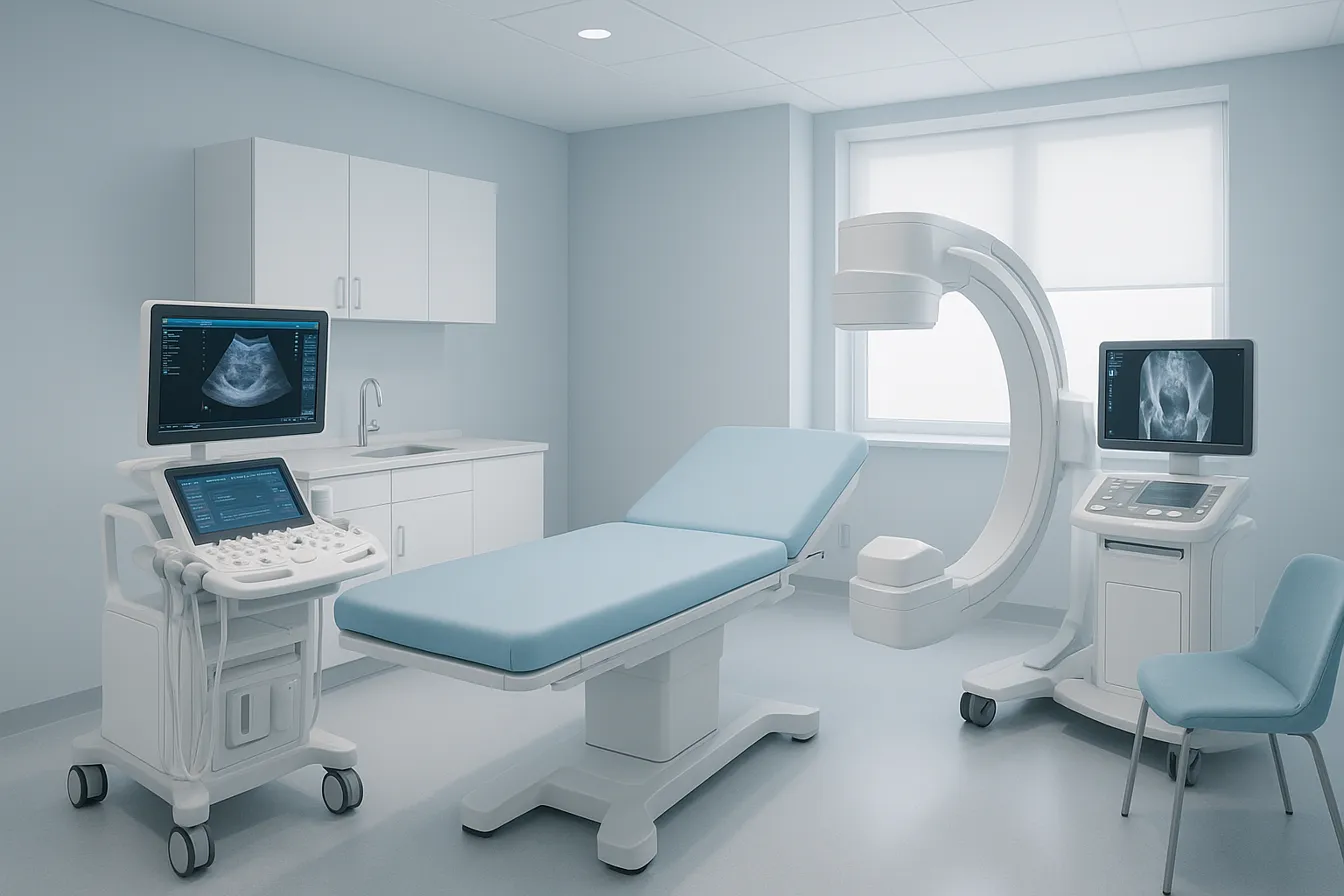
Endometriosis affects approximately 10% of women of reproductive age worldwide, most commonly diagnosed in women aged 20 to 40. It impacts individuals across diverse ethnicities and geographic regions, often leading to significant physical and emotional distress.
Symptoms vary widely, including pelvic pain, painful periods, pain during intercourse, urination, or bowel movements, and heavy menstrual bleeding. Diagnosis is challenging due to nonspecific symptoms and the frequent invisibility of superficial lesions on imaging tests, requiring laparoscopy with biopsy for confirmation. This complexity often results in delayed diagnosis, averaging several years after symptom onset.
Risk factors include family history, early menarche, heavy or prolonged periods, short menstrual cycles, and nulliparity. The exact cause remains unclear, with theories involving retrograde menstruation, genetic predisposition, and immune dysfunction. Endometriosis is progressive; untreated cases tend to worsen over time, sometimes affecting fertility and involving multiple pelvic organs.
The condition significantly reduces quality of life due to chronic pain and emotional stress. Infertility is common, caused by inflammation, adhesions, or organ impairment, affecting about 30%-50% of women with endometriosis. With proper diagnosis and comprehensive management—including medical, surgical, and supportive therapies—many women can experience symptom relief and maintain fertility.
The diagnosis of endometriosis overview often begins with evaluating symptoms such as pelvic pain, painful menstruation, and infertility. While non-invasive imaging techniques like ultrasound and MRI can detect deep infiltrating lesions or ovarian endometriomas, most superficial endometriosis lesions remain elusive on imaging. Consequently, laparoscopy for endometriosis diagnosis remains the gold standard for diagnosis, providing direct visualization and confirmation of endometrial tissue outside the uterus.
Laparoscopy not only confirms diagnosis but allows for the simultaneous surgical removal or ablation of endometrial lesions. Advanced imaging aids in mapping disease extent preoperatively, especially in complex cases involving organs like bowel or bladder, thereby facilitating targeted surgical planning.
Medical management primarily aims to control symptoms and slow disease progression. Common treatments include nonsteroidal anti-inflammatory drugs (NSAIDs and endometriosis) for pain relief, and hormonal therapies such as combined oral contraceptives, progestins, GnRH agonists and antagonists, aiming to suppress menstruation and reduce estrogen-driven lesion growth. These treatments improve symptoms but are not curative and may have side effects like hot flashes or bone density loss, necessitating individualized therapy selection (Medical Treatments for Endometriosis).
Minimally invasive surgeries for endometriosis such as laparoscopic or robotic-assisted excision are considered the gold standard for removing endometriotic tissue. Such surgeries can significantly reduce pain and improve fertility while preserving uterine and ovarian function. Conservative surgery outcomes depend heavily on the surgeon's expertise and disease severity, with recurrence rates reported around 40-50% within five years (Endometriosis treatment strategies).
Hysterectomy, with or without removal of ovaries, is usually reserved for severe, refractory endometriosis cases or when fertility preservation is not desired. While it may provide long-term symptom relief, the procedure leads to early menopause if ovaries are removed, imposing risks such as cardiovascular disease and osteoporosis. Decisions regarding hysterectomy require careful consideration and patient counseling (Hysterectomy as last resort).
Optimal endometriosis management involves a multidisciplinary team including gynecologists, reproductive endocrinologists, pain specialists, mental health professionals, and pelvic floor therapists. This collaborative approach addresses not only physical symptoms but also emotional and psychosocial impacts, enhancing overall quality of life. Personalized care plans integrate medical treatments, surgical options, lifestyle modifications, and supportive therapies to meet individual patient goals (Comprehensive endometriosis care).
Comprehensive, woman-led healthcare providers offer personalized gynecological and obstetrical services, including preventive exams, cancer screenings, reproductive health management, menopause care, and minimally invasive surgical treatments. Their multidisciplinary teams ensure continuous, expert care tailored to women's unique health needs across the lifespan (Excision surgery as gold standard).

Recent advances in Hormonal treatments for endometriosis include agents like Relugolix treatment for endometriosis and elagolix, both GnRH antagonists. These medications offer a convenient oral option that suppresses ovarian hormone production to reduce endometrial lesion growth and alleviate pain. Their use is generally limited to short durations (6 to 24 months) due to potential side effects such as bone density loss and menopausal symptoms. Continuous hormonal therapy with these agents also allows symptom control with more favorable profiles compared to older treatments.
Emerging Immunotherapy in endometriosis focuses on modulating the immune system's role in endometriosis. Targeting pro-inflammatory cytokines such as IL-6, IL-8, and IL-33 via monoclonal antibodies aims to reduce inflammation and lesion progression. Similarly, therapies addressing macrophage behavior—cells implicated in lesion support and chronic inflammation—are under investigation. These novel strategies hold promise for disease modification beyond symptom management.
Monoclonal antibodies in endometriosis treatment including those against immune checkpoint proteins like CTLA-4, are being explored to stimulate immune clearance of ectopic endometrial tissue. Such approaches aim to overcome immune tolerance that allows lesion persistence. Although still experimental, these therapies offer a targeted and potentially long-lasting alternative to hormonal suppression.
Research into Repurposed drugs for endometriosis pain such as levofloxacin, quinagolide, and niclosamide has shown potential in alleviating endometriosis-related pain and lesion growth. Additionally, natural compounds like sulforaphane, quercetin, fisetin, and vitamin D exhibit anti-inflammatory and antioxidant effects that may support symptom reduction. Incorporating these agents into treatment regimens could provide adjunctive benefits with fewer side effects.
The introduction of these new Pharmacological strategies for endometriosis offers improved symptom control, oral administration, and potential disease modification. However, side effects such as bone loss, hormonal disturbances, and mood changes require careful monitoring. Individualized treatment planning ensures optimal benefits while minimizing risk, highlighting the need for ongoing research and patient-centered care.

Minimally invasive techniques such as laparoscopy for endometriosis diagnosis and robotic-assisted surgery for endometriosis have transformed endometriosis treatment by allowing surgeons to precisely remove endometrial lesions without large incisions. These approaches minimize tissue damage, reduce postoperative pain, and shorten hospital stays.
Laparoscopic excision (LAPEX) technique surgery, often called LAPEX, is considered the gold standard for treating endometriosis. It involves the meticulous removal of endometrial tissue while preserving surrounding healthy organs, which can notably improve pain relief and fertility outcomes. Expert surgeons specializing in LAPEX can address even complex, deep infiltrating cases with better long-term symptom management.
Innovative Nanoparticle technology for endometriosis utilizes iron oxide nanoparticles that can be injected intravenously to locate and destroy endometriotic lesions. These nanoparticles selectively accumulate in endometriosis sites and can be heated to ablate the tissue, offering a potentially non-invasive alternative to traditional surgery. Early studies demonstrate promising results in improving lesion detection and treatment precision.
Modern imaging techniques, including advanced ultrasound and MRI, enhance preoperative assessment by accurately identifying lesion location, size, and involvement of adjacent organs. This information enables Comprehensive endometriosis care, optimizing lesion removal while minimizing complications.
These technological advancements contribute to faster recovery times due to less invasive procedures and targeted treatment approaches. Surgical precision is enhanced, reducing damage to healthy tissue and preserving fertility. Consequently, many women experience improved quality of life and better reproductive outcomes following these Excision surgery as gold standard.
Stem cell therapy is emerging as a promising approach for managing stem cell therapy in endometriosis care by promoting tissue repair and modulating the immune response. By encouraging regeneration of healthy endometrial tissue and reducing inflammation, stem cells may help alleviate pain and other symptoms associated with the condition.
Tissue engineering techniques are being investigated to restore damaged pelvic tissues affected by tissue engineering for endometriosis. These methods aim to reconstruct tissue environments to improve healing and reduce the progression of endometrial lesions, potentially offering a novel way to manage tissue damage beyond conventional therapies.
Gene therapy focuses on targeting the genetic factors that contribute to endometrial cell proliferation and survival. By modifying genes involved in lesion growth, this strategy seeks to limit disease progression and theoretically provide durable symptom control (gene therapy approaches.
Most stem cell and gene therapies for endometriosis are currently in the experimental stages, with preclinical studies and early-phase clinical trials underway. While promising results have been observed in laboratory and animal models, further research is needed before these treatments become widely available (nanotechnology applications in endometriosis, innovative advances in endometriosis treatments).
These advanced therapies hold the potential to offer long-term symptom relief by addressing underlying disease mechanisms rather than just symptoms. By repairing damaged tissue and halting lesion progression, stem cell and gene therapies may reduce the high rates of symptom recurrence seen with current endometriosis treatment options, significantly improving quality of life for women with endometriosis.

Pain management for endometriosis is multifaceted, combining medications like non-steroidal anti-inflammatory drugs (NSAIDs) with hormonal therapies for endometriosis. NSAIDs such as ibuprofen and naproxen help reduce inflammation and alleviate menstrual pain. Hormonal treatments—including combined oral contraceptives, progestins, and GnRH agonists or antagonists—work by suppressing estrogen production, thereby slowing endometrial tissue growth and decreasing pain. These therapies must be tailored to each patient's symptoms and fertility goals to optimize efficacy and minimize side effects.
Complementary methods such as heat therapy provide immediate relief by relaxing pelvic muscles and improving blood flow. Warm baths or heating pads are common and effective self-care approaches. Pelvic floor physical therapy also plays a significant role by targeting neuromuscular dysfunction contributing to pain. Techniques include soft tissue mobilization and guided exercises to strengthen and relax pelvic muscles, reducing symptom severity. These approaches are part of multidisciplinary care for endometriosis.
Emotional well-being is equally important in managing endometriosis. Psychological therapies like cognitive behavioral therapy (CBT) and mindfulness-based stress reduction help women develop coping mechanisms to manage chronic pain and emotional stress associated with the condition. These approaches alleviate anxiety and depression, improving patients' overall quality of life. Such strategies are highlighted under the psychosocial approaches to endometriosis.
Joining support groups provides a valuable community for women to share experiences and practical advice, reducing feelings of isolation. Counseling services offer personalized emotional support, addressing mental health challenges and helping patients navigate the complex journey of living with endometriosis. This is supported by comprehensive endometriosis care paradigms emphasizing emotional health.
Dietary modifications emphasizing anti-inflammatory foods for endometriosis and omega-3 supplements for endometriosis may lessen inflammation and hormonal imbalances. Regular low-impact exercise, such as yoga and walking, releases endorphins and promotes physical well-being. Stress management techniques like meditation and adequate sleep further assist symptom control. Taken together, these lifestyle habits complement medical treatments, fostering holistic care. Lifestyle remedies for endometriosis are an essential part of healing.
Personalized and advanced women’s health care enhances treatment efficacy by tailoring therapies based on individual factors such as menstrual cycle data and genetic tests. This precision supports early diagnosis and targeted management of disorders including endometriosis, enabling less invasive interventions and better outcomes. Technologies like health apps and electronic records improve patient engagement and facilitate ongoing care. Ultimately, personalized care empowers women with informed choices, promotes health equity, and cultivates positive, respectful healthcare experiences aligned with each woman’s unique needs. Detailed information on advanced personalized endometriosis care and comprehensive endometriosis care can enhance these perspectives.

A diet rich in anti-inflammatory foods for endometriosis, especially those high in Omega-3 supplements for endometriosis and antioxidants (Endometriosis prevalence in reproductive-age women), can support hormonal balance and help reduce inflammation associated with endometriosis. Increasing intake of fruits, vegetables, whole grains, and omega-3 fatty acids may ease pain and improve overall well-being.
Regular physical activity, including walking, swimming, and yoga, releases endorphins that naturally reduce pain and improve mood. Stress-reduction techniques such as mindfulness, meditation, and deep breathing can further alleviate symptoms by relaxing pelvic muscles and enhancing emotional resilience. These stress management techniques are valuable components of psychosocial approaches to endometriosis.
Some patients find relief with alternative therapies like acupuncture and certain herbal supplements (e.g., curcumin, omega-3s, and N-acetyl-L-cysteine). While scientific evidence varies, these options may be part of a comprehensive endometriosis care plan under medical supervision.
Self-care for endometriosis strategies are particularly important when access to healthcare is limited. These include heat therapy for endometriosis pain with heating pads or warm baths, maintaining social support, optimizing sleep hygiene, and engaging in gentle exercise. Virtual support groups and telehealth guidance for endometriosis resources can provide ongoing assistance.
Educating patients about endometriosis and encouraging regular symptom tracking for endometriosis enables more effective communication with healthcare providers. This partnership helps tailor treatments, monitor responses, and improve overall management outcomes, empowering women in their care journey via multidisciplinary care for endometriosis.

[Endometriosis negatively impacts fertility] by causing inflammation, scarring, and adhesions that can interfere with ovulation, block fallopian tubes, and impair sperm or egg movement. The growth of [endometrial tissue outside the uterus] disrupts normal reproductive processes and can damage ovarian reserve, contributing to infertility.
[Assisted reproductive technologies, such as in vitro fertilization (IVF)] are vital options for women with endometriosis who struggle to conceive. IVF helps bypass damaged fallopian tubes or altered pelvic anatomy by fertilizing eggs outside the body and transferring embryos directly into the uterus, offering hope for many affected women.
[Surgical interventions, particularly laparoscopic excision of endometriotic lesions], can improve fertility by removing lesions and restoring normal pelvic anatomy. When combined with [hormone therapies that suppress lesion growth], these approaches optimize conditions for conception. Careful preservation of ovarian reserve during surgery is essential to maintain reproductive potential.
[Specialized reproductive endocrinologists provide comprehensive evaluation and personalized management plans] to address fertility challenges in endometriosis. Their expertise ensures appropriate use of fertility treatments, timing interventions, and monitoring ovarian function, significantly enhancing the chances of successful pregnancy.
[Personalized fertility planning considers each woman's symptoms, disease severity, age, and reproductive goals]. It balances treatment options to alleviate symptoms while maximizing fertility preservation. This individualized approach supports informed decision-making and improves long-term reproductive outcomes and quality of life.
Woman-led healthcare providers specialize in comprehensive obstetrics and gynecology by offering personalized and multidisciplinary care tailored to each woman's unique health needs. Services include routine screenings such as Pap smears, mammograms, and pelvic exams to detect early signs of gynecologic issues. They provide expert management for chronic conditions like breast and gynecologic cancers, menopause, osteoporosis, and postpartum depression.
Advanced treatment options include hormone therapy and minimally invasive surgeries, including robotic-assisted procedures that improve precision and recovery. These providers also support related health concerns such as fertility management, behavioral health, pregnancy, childbirth, and postpartum care. A large team of obstetricians, gynecologists, nurses, and midwives often collaborate to deliver continuous, life-stage specific care emphasizing prevention, proactive management, and patient empowerment.
Personalized care integrates patient-specific data, including menstrual cycle tracking, genetic testing, and remote health monitoring, to create tailored treatment plans. This approach is particularly beneficial in managing complex conditions such as endometriosis and PCOS, allowing for early diagnosis and targeted therapies that reduce the need for invasive procedures.
Technology enhances patient engagement through electronic health records and mobile applications, enabling real-time communication and better condition management. This patient-centered strategy empowers women to make informed decisions regarding their reproductive health and promotes health equity.
Coordinated care among gynecology, mental health, physical therapy, and nutrition specialists is essential for comprehensive endometriosis management. Mental health support addresses emotional challenges and pain-related distress, while physical therapy helps alleviate pelvic pain by improving musculoskeletal function.
Nutritional counseling focused on anti-inflammatory diets complements medical treatment by reducing symptom severity and improving overall well-being. Such interdisciplinary collaboration ensures holistic symptom control, fertility preservation, and improved quality of life.
Woman-led providers advocate for patient autonomy through education on endometriosis, symptom monitoring, and treatment options. They encourage active participation in care decisions and provide resources such as support groups and counseling. Empowerment initiatives enhance coping strategies and reduce delays in diagnosis, addressing the common challenge of prolonged symptom recognition.
Endometriosis management requires attention throughout reproductive years, pregnancy, and menopause transitions. Woman-led practices emphasize continuity of care, adapting treatments to the patient's evolving needs, including fertility desires and menopause-related symptom management. This lifelong approach improves long-term outcomes and supports women's holistic health journey.
Recent advances in emerging therapies—such as gene therapy, immunotherapy, stem cell treatments, and nanotechnology—hold promise in reducing symptom recurrence, a common challenge in traditional approaches.
These models integrate gynecologists, reproductive specialists, pain management experts, mental health professionals, and physical therapists, delivering tailored treatment plans that address both the physical and emotional impacts of endometriosis.
Education about the disease, alongside digital tools for symptom tracking and remote healthcare access, enables women to actively participate in their care and shared decision-making with providers.
As research continues to evolve, women with endometriosis can anticipate more effective, less invasive, and holistic treatment strategies that match their individual needs and life goals.

.png)
%201.png)
Compassionate care for every stage of womanhood. Visit one of our convenient locations or book your appointment online today.