Choosing Your Contraception: Hormonal vs Non-Hormonal Options Explained
Hormonal vs Non-Hormonal Contraception Comparison
Choosing Your Contraception: Hormonal vs Non-Hormonal Options Explained
Follow us here:



Nearly all sexually active individuals use some form of contraception at some point in their lives. Birth control is more than a pregnancy prevention tool; it is a way to take control of your health and your future, allowing you to make informed decisions about your family and your life.
The wide range of available options can be divided into two main categories: hormonal and non-hormonal. Hormonal methods, such as birth control pills, patches, rings, and hormonal IUDs, use synthetic hormones to prevent ovulation or create a barrier to pregnancy. Non-hormonal methods, including the copper IUD, condoms, diaphragms, and fertility awareness, rely on physical barriers or other mechanisms that do not involve hormones. Each category carries distinct effectiveness rates, side effect profiles, and benefits.
Choosing the right method depends on your lifestyle, health history, and reproductive goals. For example, hormonal options can regulate periods and reduce acne, while non-hormonal methods avoid hormone-related side effects and may offer protection against sexually transmitted infections. Understanding these differences is essential for personalized care.
A provider like Raveco Medical can help you compare these options based on your individual needs, ensuring your choice supports both your short-term preferences and long-term well-being.

Hormonal contraceptives use synthetic estrogen, progestin, or both to stop ovulation or make the uterus and cervix less welcoming to sperm. Because the hormones are delivered continuously, these methods offer long-term protection that lasts from a few months to several years.
The most widely used hormonal methods are the combined birth control pill, the contraceptive patch, and the vaginal ring. These deliver both estrogen and progestin and are taken on a daily, weekly, or monthly schedule. Progestin-only alternatives include the hormonal intrauterine device (IUD), the contraceptive implant, and the progestin-only pill, which thicken cervical mucus and thin the uterine lining.
With consistent use, hormonal methods are highly effective at preventing pregnancy. When choosing among them, factors like your health history, lifestyle, and future pregnancy plans matter, which is why the CDC recommends discussing options with a healthcare provider. Raveco Medical provides personalized guidance in Queens, NY, to help you find the right fit.
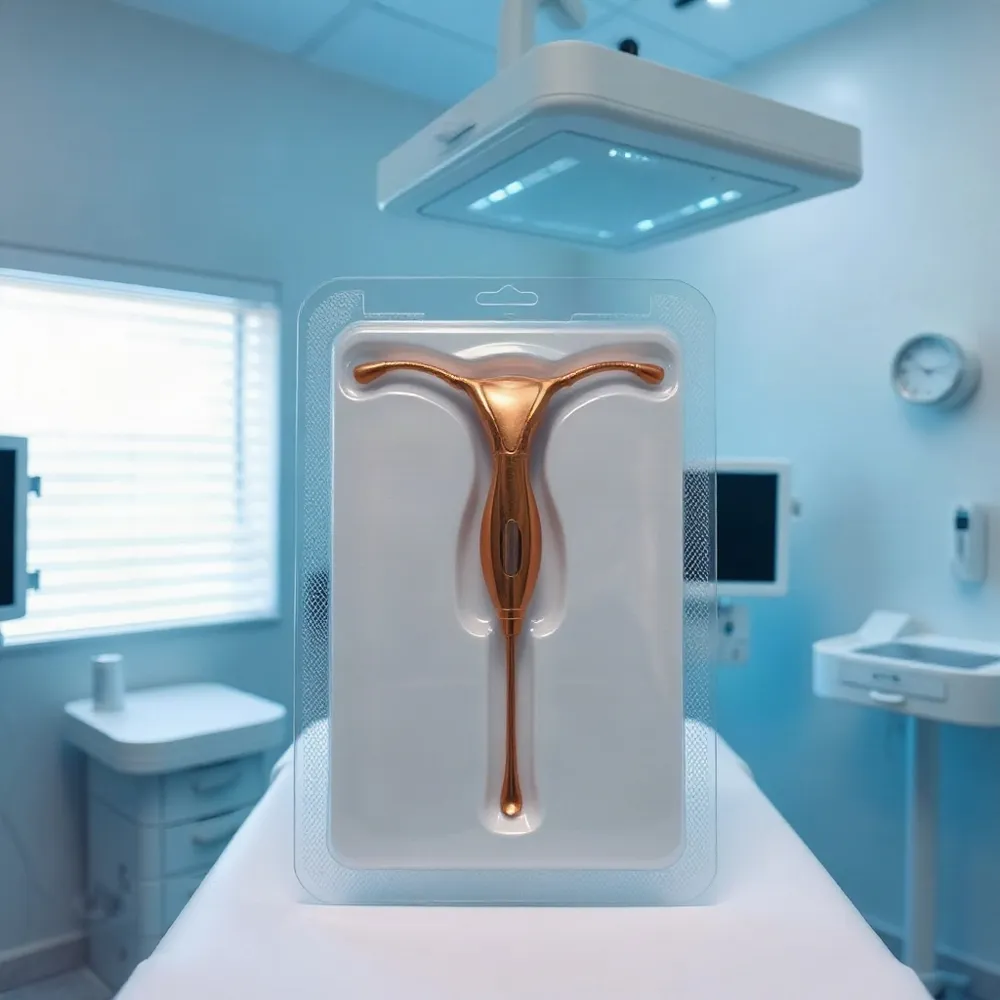
Non-hormonal contraceptives prevent pregnancy without using synthetic hormones like estrogen or progestin. Instead, they rely on physical barriers, chemical agents that immobilize sperm, or careful timing based on the menstrual cycle. These methods are a strong choice for people who cannot take hormones due to medical conditions or who simply prefer to avoid them.
A small T-shaped device wrapped in copper that is placed inside the uterus. Copper creates a toxic environment for sperm, preventing fertilization. It is over 99% effective and lasts up to 10 years. It can also be used as emergency contraception if inserted within five days of unprotected sex.Barrier Methods. These include external and internal condoms, diaphragms, cervical caps, and sponges. They physically block sperm from reaching the egg. Condoms are the only method that also reduces the transmission of sexually transmitted infections. Effectiveness varies, and consistent use is required.Spermicide and Vaginal Gel. Chemicals like nonoxynol-9 or prescription gels like Phexxi are placed in the vagina before sex to kill or immobilize sperm. They are more effective when combined with a barrier method.Fertility Awareness. Also known as natural family planning, this involves tracking ovulation through menstrual calendars, basal body temperature, and cervical mucus changes to avoid intercourse during fertile days. Effectiveness depends heavily on regular cycles and strict adherence to guidelines.Sterilization. Permanent procedures like tubal ligation for people with a uterus or vasectomy for people with testicles are over 99% effective. They are intended for those who are certain they do not want future pregnancies.
The copper IUD is widely regarded as the most effective non-hormonal reversible option, with a failure rate of less than 1% in the first year of use. It is a good fit for those who want long-term protection without daily effort and is safe to use while breastfeeding. The trade-off is that it can cause heavier, more painful periods, especially in the first few months.
For permanent contraception, female sterilization (such as tubal ligation or bilateral salpingectomy) and vasectomy are both highly effective. Vasectomy is a simpler outpatient procedure with a quicker recovery time. Both should be considered irreversible, though reversal is sometimes possible.
Non-hormonal methods are ideal for individuals who cannot use estrogen due to a history of blood clots, migraine with aura, or certain cancers. They also appeal to those who experience unwanted side effects from hormonal options, such as mood changes or nausea. At Raveco Medical, we offer comprehensive counseling to help you compare non-hormonal alternatives based on your health history, lifestyle, and pregnancy plans.
Barrier methods like condoms and diaphragms have fewer side effects but are less effective on their own. Using two methods together, such as a condom with spermicide, can bring effectiveness closer to that of an IUD. For those with irregular cycles or medical conditions that affect cervical mucus, fertility awareness methods may be less reliable.
The fundamental difference between hormonal and non-hormonal birth control lies in how each type prevents pregnancy. Hormonal methods—such as pills, patches, rings, implants, injections, and hormonal IUDs—use synthetic estrogen, progestin, or both to stop ovulation or make the uterus and cervix less welcoming to sperm. Non-hormonal methods, including condoms, diaphragms, sponges, cervical caps, and the copper IUD, work by creating a physical barrier or altering the chemical environment to prevent sperm from reaching an egg.
Hormonal birth control is generally more effective at preventing pregnancy than most non-hormonal methods, though the gap narrows significantly with the copper IUD. With perfect use, hormonal methods like the pill, patch, and ring are around 99% effective. In typical use, however, the failure rate for these methods rises to about 6% to 9%, according to widely cited CDC data. By contrast, the copper IUD remains over 99% effective, as there is no daily action for users to get wrong. Barrier methods such as condoms and diaphragms have lower typical-use effectiveness—ranging from 71% to 88%—but offer the unique benefit of reducing the risk of sexually transmitted infections.
Hormonal methods can cause side effects like nausea, breast tenderness, and headaches, which often settle after the first few cycles. They may also increase the risk of blood clots, stroke, and certain cancers. Non-hormonal methods avoid these hormone-related risks entirely, but the copper IUD can cause heavier, crampier periods, especially in the first six months. Barrier methods that use spermicide may cause irritation or increase the risk of urinary tract infections.
Many people choose hormonal methods for benefits beyond birth control, such as lighter periods, reduced cramps, and clearer skin. Non-hormonal methods do not offer these effects. However, only barrier methods—specifically external and internal condoms—provide protection against STIs. For patients seeking a method that combines high effectiveness with no hormonal side effects, the non-hormonal copper IUD is a strong option. At Raveco Medical, patients can discuss all of these trade-offs with a provider to find the method that best fits their health needs and lifestyle.
Contraceptive methods fall into four distinct categories, each working through a different mechanism to prevent pregnancy. Understanding these categories helps you narrow down which type aligns with your health needs, lifestyle preferences, and future family plans.
Barrier Methods. These physically block sperm from reaching the egg and include male and female condoms, the diaphragm, cervical cap, and contraceptive sponge. Condoms also offer the only protection against sexually transmitted infections when used consistently. The CDC notes that male condoms have a typical-use failure rate of about 13%, while diaphragm effectiveness sits around 83% with correct use — making dual protection (a barrier plus another method) a strong choice for many.Hormonal Methods. Birth control pills, patches, rings, injections, and implants release synthetic hormones (estrogen, progestin, or both) to stop ovulation or thicken cervical mucus. According to the Cleveland Clinic, hormonal methods are 91% to 99% effective with typical use. They can also provide non-contraceptive benefits like lighter periods, reduced acne, and lower risk of certain cancers, but do not protect against sexually transmitted infections.Long-Acting Reversible Contraceptives (LARCs). This category includes intrauterine devices (IUDs) and the contraceptive implant. Both hormonal and copper IUDs, as well as the implant, are the most effective reversible methods available, with failure rates under 1% — because there is no daily action to remember. A copper IUD provides hormone-free pregnancy protection for up to 10 years, while hormonal IUDs last 3 to 8 years and often lighten or stop periods.Permanent Sterilization. For those certain they do not want future children, tubal ligation (female) and vasectomy (male) are nearly 100% effective and should be treated as irreversible. The ASRM reports that tubal ligation has a failure rate of less than 1% and may also lower ovarian cancer risk. A vasectomy is simpler, safer, and less expensive, but neither method protects against sexually transmitted infections.
Hormonal birth control pills — both combination pills and progestin-only pills — are well-studied and widely used. With perfect use, they are 99% effective, but typical use (which accounts for missed or late pills) drops effectiveness to about 91%, according to the CDC. Many people assume a "non-hormonal pill" exists, but no such product is available. The progestin-only pill (mini-pill) still contains a synthetic hormone; it is a hormonal method, not a non-hormonal one.
For those seeking methods that contain no synthetic hormones, options include the copper IUD, condoms, and fertility awareness. The copper IUD is more than 99% effective under typical use, as the American Society for Reproductive Medicine notes — making it one of the most reliable non-hormonal choices. Condoms are about 87% effective with typical use, per the same source, while fertility-awareness methods vary widely (2% to 25% failure), depending on how rigorously they are followed.
At raveco.com, providers help patients compare these real-world effectiveness numbers and choose a method that fits both their health profile and lifestyle. A detailed comparison of options can help clarify which method best supports your goals.
| Method | Typical Use Effectiveness | Key Features |
|---|---|---|
| Combination pill | ~91% | Hormonal; may lighten periods and improve acne |
| Progestin-only pill | ~91% | Hormonal; must be taken within same 3-hour window daily |
| Copper IUD | >99% | Non-hormonal; effective for up to 10 years |
| Male condom | ~87% | Non-hormonal; also protects against STIs |
| Fertility awareness | 75%–98% | Non-hormonal; effectiveness depends on consistent tracking |
Non-hormonal contraception avoids the systemic side effects associated with hormonal methods. Because these methods do not use synthetic estrogen or progestin, they carry no increased risk of blood clots, stroke, or hormone-related mood changes. This makes them a suitable choice for individuals who cannot take estrogen due to medical conditions such as a history of blood clots, migraine with aura, or breastfeeding, as well as for those who simply prefer to avoid hormones.
A major advantage of certain non-hormonal methods, particularly male and female condoms, is that they provide protection against sexually transmitted infections (STIs). No hormonal method offers this benefit. The copper IUD, another non-hormonal option, is a long-acting reversible contraceptive (LARC) with a failure rate under 1% and can be used for up to 10 years. It may also serve as highly effective emergency contraception if inserted within five days of unprotected sex.
Non-hormonal methods vary widely in their typical-use effectiveness. While LARC methods like the copper IUD are highly reliable, barrier methods such as the diaphragm, cervical cap, and sponge have higher typical-use failure rates — ranging from 15% for male condoms to over 20% for the cervical cap, according to ASRM data. These methods require consistent and correct use with every act of intercourse to achieve their full potential.
Each non-hormonal method carries its own potential side effects. The copper IUD commonly causes heavier periods and more cramping, especially in the first few months after insertion. Spermicide can cause vaginal irritation or allergic reactions in some users. The diaphragm has been associated with an increased risk of urinary tract infections (UTIs). Unlike many hormonal methods, non-hormonal options generally do not help regulate periods or relieve menstrual pain.
When weighing these factors, it helps to discuss your personal health history, lifestyle, and family planning goals with a healthcare provider. At raveco.com, clinicians can help you compare the pros and cons of each method to find the non-hormonal approach that aligns with your needs and comfort.
Hormonal birth control, which includes pills, patches, rings, implants, and hormonal IUDs, works by using synthetic hormones to prevent pregnancy. Beyond pregnancy prevention, these methods offer several non-contraceptive benefits that can improve quality of life.
Lighter periods. Many hormonal methods, especially the hormonal IUD and continuous-use combination pills, can make periods lighter, shorter, and more predictable. Some users stop having periods altogether after a year of use.Reduced cramps. By suppressing ovulation and thinning the uterine lining, hormonal contraceptives often decrease the severity of menstrual cramps and pain associated with conditions like endometriosis.Cancer risk reduction. Long-term use of combined hormonal contraception is linked to a 30% to 50% lower risk of ovarian and endometrial cancers, with protection lasting for years after stopping.Acne and PMDD relief. Certain combination pills can improve acne and help manage symptoms of premenstrual dysphoric disorder (PMDD), a severe form of PMS.
Hormonal methods also carry potential risks. They can increase the risk of blood clots, stroke, and heart attack, especially in people over 35 who smoke. The National Cancer Institute notes a slight increase in breast and cervical cancer risk during use, which diminishes after discontinuation.
Common temporary side effects such as nausea, headaches, and breast tenderness usually improve within the first few months. Hormonal birth control does not protect against sexually transmitted infections (STIs) — only barrier methods like condoms provide that protection.
Choosing a method that fits your health profile is essential. The team at Raveco Medical can help you weigh the benefits and risks based on your medical history and lifestyle, guiding you toward a method that supports both contraception and overall well-being.
The two dominant intrauterine device (IUD) options — copper versus hormonal — each belong to one of the two larger camps while sharing a common foundation: both are LARCs with failure rates below 1% and are fully reversible. The differences lie in their mechanism, duration, and how they affect menstruation.
A copper IUD is non-hormonal. It releases copper ions that create a sperm-toxic environment and alter the uterine lining, preventing fertilization for 10 to 12 years. The trade-off is that many users experience heavier periods, longer bleeding days, and more noticeable cramping in the first several months after insertion.
A hormonal IUD releases a steady low dose of progestin (levonorgestrel) directly into the uterus. It thickens cervical mucus, thins the endometrium, and sometimes suppresses ovulation. Depending on the brand, it remains effective for 3 to 8 years. Periods typically become lighter over time, and roughly one in five users have no bleeding at all by the end of the first year.
The choice between the two comes down to your preference regarding hormones and period changes. If you want to avoid systemic hormones entirely, the copper IUD is the only long-acting reversible option that does so. If you struggle with heavy or painful periods or would welcome lighter or absent bleeding, a hormonal IUD may serve a dual purpose as contraception and treatment. Raveco Medical providers in Queens help patients weigh these trade-offs against their health history, discussing how each method fits individual lifestyle and symptom priorities.
| Feature | Copper IUD | Hormonal IUD |
|---|---|---|
| Hormone content | None | Progestin (levonorgestrel) |
| Approved duration | 10–12 years | 3–8 years (brand-dependent) |
| Period effect | Heavier, longer, more cramping (first 6 months) | Lighter periods; ~20% stop bleeding by year one |
| Mechanism | Copper ions damage sperm | Thickens mucus, thins lining |
| Typical-use failure rate | Under 1% | Under 1% |
There is no single answer to this question. The healthiest birth control option depends entirely on your individual health history, lifestyle, and medical needs. A method that works well for one person may carry unacceptable risks for another.
For some, the healthiest choice is a non-hormonal method like the copper IUD or barrier methods. These options avoid any hormone-related risks, such as blood clots, and can be ideal for those with a history of hormone-sensitive cancers, migraines with aura, or who are breastfeeding. The trade-off can be heavier periods and cramping, especially with the copper IUD.
For others, low-dose hormonal options — such as certain birth control pills, the patch, the ring, or a hormonal IUD — are perfectly healthy and safe when prescribed after a thorough health screening. These methods can provide benefits beyond pregnancy prevention, including lighter periods, reduced acne, and relief from endometriosis pain. Your OB-GYN will consider factors like age, smoking status, blood pressure, and blood clot risk to determine the lowest-risk hormonal option for you.
Ultimately, the healthiest birth control is the one that is both medically appropriate for your body and fits your lifestyle well enough that you can use it consistently. At Raveco Medical, our providers work with each patient to assess their complete health picture and personal preferences, ensuring the recommended method supports overall wellness, not just pregnancy prevention.

Under the Affordable Care Act (ACA), most private insurance plans and Marketplace plans must cover all FDA-approved contraceptive methods and counseling without a copay, deductible, or coinsurance. This means the birth control method you choose is often available to you at no out-of-pocket cost.
For those who are uninsured or have low income, New York State offers pathways to affordable contraception. The Family Planning Benefit Program (FPBP) covers all types of birth control for individuals with incomes up to 223% of the federal poverty level. Adolescents under 21 can apply based on their own income, and enrollment is confidential. Additionally, New York's Title X-funded family planning clinics provide discounted fees on a sliding scale based on income and accept many public and private insurance plans. According to the New York State Department of Health, no one is denied access to family planning services because of their financial situation or insurance status.
At raveco.com, we help patients understand their insurance coverage and connect them with the right resources for affordable, personalized care. Whether you are choosing between hormonal and non-hormonal methods or trying to understand your costs, our team can guide you through every step.
Both hormonal and non-hormonal contraceptives offer distinct benefits and drawbacks. The method that fits your life depends on your health history, how often you want to think about contraception, whether you need STI protection, and your future pregnancy plans.
At Raveco Medical, we provide personalized counseling to help you weigh your options. Whether you are considering a copper IUD for its hormone-free, long-term protection or a hormonal method to manage heavy periods, our team takes the time to understand your priorities.
By partnering with your provider, you gain the knowledge and support to make that choice with confidence, putting you in control of your reproductive health.

.png)
%201.png)
Compassionate care for every stage of womanhood. Visit one of our convenient locations or book your appointment online today.