
Your Guide to Fertility Preservation: Options, Timelines, and What to Expect
Understanding Your Fertility Preservation Options
Your Guide to Fertility Preservation: Options, Timelines, and What to Expect
Follow us here:


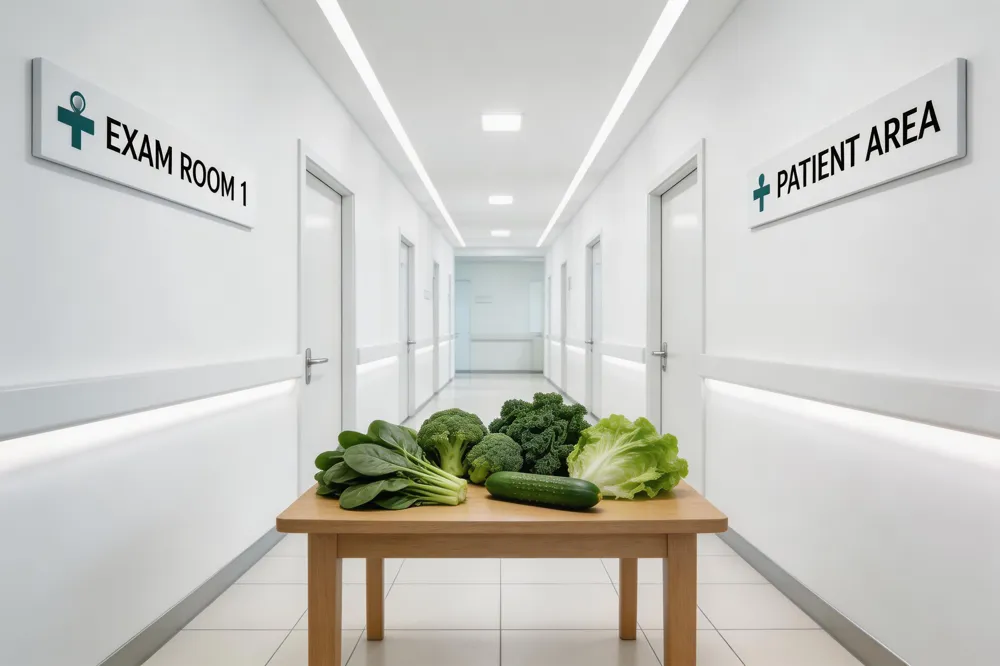
Uterine fibroids affect up to 70 % of people with a uterus, yet only one‑quarter develop symptoms that need treatment. Their growth is driven by estrogen, insulin, and inflammatory pathways; excess body fat raises estrogen production, while high‑glycemic foods spike insulin and IGF‑I, further stimulating fibroid cells. Adequate vitamin D—found in fortified dairy, fatty fish, egg yolks—correlates with smaller fibroid size, and a diet rich in fiber from fruits, vegetables, whole grains, and legumes helps bind and eliminate estrogen via stool. Maintaining a weight, aerobic exercise, limiting red meat, added sugars, alcohol, and choosing green tea, omega‑3 fish, and greens constitute lifestyle steps that can lessen symptom severity and slow fibroid progression.

Adopting a high‑fiber, low‑sugar diet—rich in leafy greens, berries, whole‑grain oats, quinoa, lentils, carrots, and cruciferous vegetables—helps the body excrete excess estrogen and curbs insulin spikes that can fuel fibroid growth. Complement this with vitamin D‑rich foods such as fortified dairy, egg yolks, and fatty fish (salmon, tuna, mackerel) or a physician‑guided supplement, since higher vitamin D levels are linked to smaller fibroids. Weight‑management through moderate aerobic activity (brisk walking, swimming, cycling, or gentle yoga) for at least 150 minutes per week improves hormone balance and reduces inflammatory markers. Stress‑reduction techniques—mindful meditation, deep‑breathing, yoga—and consistent sleep hygiene (7‑9 hours nightly) keep cortisol low, supporting hormonal regulation. Finally, avoid processed items, added sugars, refined carbs, high‑glycemic snacks, excessive caffeine, alcohol, and saturated‑fat meats, all of which can raise estrogen and inflammation. Together, these lifestyle changes may naturally lessen fibroid size and symptoms without surgery.

Women managing uterine fibroids should steer clear of foods that can raise estrogen, increase inflammation, or spike insulin. High‑fat and processed red meats (beef, pork, lamb, ham, bacon, hot dogs) are linked to higher estrogen exposure and should be limited to lean white meats or plant‑based proteins. Full‑fat dairy products such as whole‑milk cheese and butter have been associated with increased estrogen and inflammatory markers; opting for low‑fat or fortified alternatives is advisable. Refined carbohydrates and added sugars—white bread, white rice, pastries, soda, and foods sweetened with high‑fructose corn syrup—cause rapid insulin spikes that can promote fibroid growth. Excess sodium, especially from ultra‑processed and MSG‑laden foods, can raise blood pressure, a known risk factor for fibroids. Soy products, which contain phytoestrogens, may mimic estrogen when consumed in large amounts, and excessive caffeine and alcohol can disrupt liver hormone detoxification and raise systemic inflammation. Reducing or eliminating these items can help balance hormone levels and may lessen fibroid‑related symptoms.

A fibroid flare‑up usually begins as a deep, persistent pressure or heaviness in the lower abdomen or pelvis, often feeling like a full‑bladder even with little fluid intake. Cramping or aching may spread to the lower back, hips, sides of the pelvis, or thighs. Women often notice heavier, longer periods, spotting between cycles, blood‑clots, and fatigue from blood loss. Sudden urgency to urinate, frequent bathroom trips, or constipation can occur as an enlarged fibroid presses on the bladder or bowel. In rare cases, a fibroid that outgrows its blood supply can cause sharp, stabbing pain resembling a “twist” or tearing in the pelvis. Non‑surgical relief focuses on lifestyle and medical options: a balanced anti‑inflammatory diet rich in fiber, fruits, vegetables, vitamin D, calcium, and omega‑3s; regular gentle aerobic activity; stress‑reduction techniques; over‑the‑counter NSAIDs for cramping; hormonal therapies such as low‑dose oral contraceptives or progestin‑only pills to lessen bleeding; and minimally invasive procedures like uterine‑artery embolization, MRI‑guided focused ultrasound, or transcervical radiofrequency ablation when appropriate. Consulting a women’s‑health specialist helps tailor the best non‑surgical plan.

A diet rich in anti‑inflammatory plant foods can create a hormonal environment that discourages fibroid growth. Whole‑grain carbs, leafy greens, and cruciferous vegetables (broccoli, cauliflower, cabbage) supply fiber, sulforaphane, and indole‑3‑carbinol, which help the body metabolize excess estrogen and reduce oxidative stress. Green tea provides the catechin EGCG, and turmeric offers curcumin—both have demonstrated antiproliferative effects on uterine smooth‑muscle cells. Antioxidant‑dense berries, pomegranate, and garlic add ellagic acid, resveratrol, and allicin, further limiting inflammation and estrogen‑driven signaling. Omega‑3 fatty acids from fatty fish (salmon, sardines) and ground flaxseed deliver EPA/DHA and lignans that modulate hormone pathways and lower systemic inflammation. Limiting red meat, high‑fat dairy, processed foods, added sugars, and excessive caffeine or alcohol reduces estrogen‑stimulating inputs. Exercise, adequate hydration, and stress‑reduction techniques complement these dietary choices, supporting overall women’s health and potentially shrinking existing fibroids.
Most effective eightfold: leafy greens (spinach, kale, collard), berries (blueberries, strawberries, raspberries), ground flaxseed, fatty fish (salmon, sardines), cruciferous vegetables (broccoli, cauliflower), turmeric, green tea, and garlic.

Yes—many sites offer printable fibroid‑friendly meal plans. The VivaEve handout and the “Fibroids Miracle™ 14‑Day Recipes” PDF give weekly menus, grocery lists and low‑estrogen, high‑fiber recipes that can be printed and customized. Beverages that support hormone balance include green tea (rich in EGCG, shown to inhibit fibroid cell growth), dandelion‑root tea for liver estrogen clearance, ginger tea for anti‑inflammatory effects, and plenty of plain water to aid renal flushing. Low‑impact exercise such as brisk walking, swimming, gentle Pilates or yoga improves circulation, reduces pelvic pressure and helps maintain a healthy weight, which lowers estrogen stored in excess fat. Tigernut is a fiber‑rich tuber that helps eliminate estrogen and provides anti‑inflammatory compounds; use can complement a diet. Cucumber, with water and modest fiber, supports hydration and weight control but is not a stand‑alone treatment. Coconut oil or meat supplies saturated fats; small amounts can fit into a plan, but excess saturated fat should be avoided. Discuss dietary changes with your gynecologist.

Uterine artery embolization (UAE) is the quickest FDA‑cleared, minimally invasive way to shrink fibroids. A catheter‑based procedure delivers tiny particles that block the fibroid’s blood supply, leading to noticeable size reduction within weeks and substantial shrinkage by 2–3 months, while preserving the uterus. Magnetic‑resonance‑guided focused ultrasound (MRgFUS) offers a single‑session, outpatient alternative that heats and ablates fibroid tissue under MRI guidance, also achieving rapid volume loss.
Oral therapies can also reduce fibroid size, though they usually take several months to show effect. GnRH agonists and antagonists create a temporary menopausal state, decreasing estrogen and causing fibroids to shrink, but are limited to short courses because of bone‑density concerns. Selective progesterone receptor modulators (SPRMs) such as ulipristal acetate and newer agents like linzagolix lower estrogen activity and have demonstrated meaningful volume reduction. Hormonal IUDs and contraceptives help control bleeding and may modestly shrink fibroids, but are less potent than GnRH or SPRM regimens. These options provide non‑surgical pathways for symptom relief and uterine preservation.
Fibroid wellness blends nutrition, movement, and stress care into habits. Choose meals rich in fiber—fruits, vegetables, whole grains, dairy and vitamin‑D foods like fortified milk, egg yolks, and fatty fish—while limiting red meat, processed foods, added sugars, alcohol and soy that may raise estrogen. Add 150 minutes of aerobic activity weekly (walking, swimming, cycling) to improve weight, sensitivity and lower estrogen production. Use stress‑reduction practices such as yoga, meditation or deep‑breathing to keep cortisol balanced. Seek a women’s‑health provider promptly if periods become heavy or painful, or if you notice pelvic pressure, urination, or pain during intercourse. With a clinician, create a plan that integrates these lifestyle steps with treatment.

.png)
%201.png)
Compassionate care for every stage of womanhood. Visit one of our convenient locations or book your appointment online today.