
Ovarian Cysts: Symptoms to Notice and Share
Ovarian Cysts: Which Symptoms Should You Track?
Ovarian Cysts: Symptoms to Notice and Share
Follow us here:



An OB/GYN visit can be a chance to discuss more than reproductive health. Your medical history, current symptoms, pregnancy goals, and questions can help shape what you and your clinician focus on. Research on patient-centered care highlights the value of listening, clear information, and involving patients in decisions about their care (review of patient-centered care in women’s health).
Some appointments center on conversation or counseling; others may include screening, tests, or an exam. The right approach depends on your concerns and health history, and a physical exam is not automatically needed at every visit. The American College of Obstetricians and Gynecologists’ guide to checkups explains how visits can address overall well-being as well as reproductive health.
Raveco, a woman-led provider in Queens, NY, offers comprehensive obstetrics and gynecology care with a focus on individualized support. Bringing a short list of symptoms and questions can help start a focused conversation, while your clinician can help determine which next steps fit your needs.

A first gynecology appointment usually begins with a conversation, not an automatic exam. Your clinician may ask about your health and family history, periods, medications, sexual health, and the concerns or questions you brought with you. Basic measurements, such as blood pressure, may be taken, and recommendations for screening, tests, or vaccines depend on your circumstances. ACOG explains what may happen at an OB/GYN checkup.
To prepare, bring medication details, relevant family health history, information about your menstrual cycle, and a written list of symptoms or questions. You do not need to shave or change your usual grooming routine. Ask the office whether any specific instructions apply before a planned test, such as avoiding sex, tampons, or vaginal products. If you have a concern, do not delay care just to wait for a particular point in your cycle; call the office if you are unsure.
A Pap test and a pelvic exam are different, and neither is automatically part of every visit. A Pap test collects cells from the cervix to screen for cell changes, while a pelvic exam assesses the pelvic organs. Whether either is recommended depends on factors such as symptoms, health history, age, and screening needs.
Before an exam or test, ask why it is recommended and what it involves. You can share comfort concerns, ask the clinician to explain each step, and request a pause at any time. Recommendations and next steps should be discussed respectfully, with room for your questions and preferences. This kind of communication and patient involvement are central themes in research on patient-centered care in women's health. Raveco is a Queens-based obstetrics and gynecology practice focused on personalized women's health services.

Personalized care starts with listening. Your symptoms, medical history, preferences, and life circumstances can all shape discussions about screenings, treatment, or pregnancy care. A review of research on patient-centered care in women’s health highlights clear information, respectful clinician relationships, and patient involvement in decisions as recurring elements of care. The review does not establish a women-specific framework, but it helps explain why being heard and informed matters.
At Raveco, women-led obstetrics and gynecology care is grounded in a personalized approach. Sharing what matters most to you can help make a conversation and care plan more relevant to your goals. You can ask questions, discuss options, and revisit recommendations as your needs change. Shared decisions do not guarantee a particular outcome, but they can help you feel heard and involved.
A brief record of symptoms may also make an appointment more focused. Note when pain occurs, whether periods are skipped, and how symptoms change across your cycle. These details can give your clinician useful context when discussing concerns such as pelvic pain or irregular periods. An ACOG guide to OB/GYN checkups also encourages patients to raise symptoms and questions so recommendations can reflect their history and current concerns.
Many people see both a primary care clinician and an OB/GYN. Primary care clinicians commonly address overall health, preventive care, common illnesses, and ongoing conditions such as high blood pressure or diabetes. OB/GYNs focus on reproductive and gynecologic health, including contraception, menstrual concerns, pregnancy, and menopause. Some services overlap, so ask each clinician what they provide and share relevant health information to support coordination.
Preventive visits give you time to review your health history, raise concerns, and decide with your clinician which screenings, counseling, or vaccines fit your circumstances. An OB/GYN checkup can address overall health and well-being, and a pelvic exam or Pap test is not automatically needed at every visit, according to ACOG.
Depending on your age, symptoms, pregnancy status, and risk factors, preventive care may include cervical or breast cancer screening, STI or HIV testing, and depression screening. Visits can also make room for conversations about contraception, menstrual and sexual health, pregnancy planning, folic acid, and recommended vaccines. The right combination varies; ask why a service is recommended and what alternatives may be available.
For patients who are pregnant or have recently given birth, care may include prenatal screening, breastfeeding support, and attention to mental health. These discussions can be part of care tailored to your health history and priorities, rather than a fixed checklist.
At raveco.com, comprehensive obstetrics and gynecology care includes support for pregnancy and women’s health across life stages. Ask your clinician which preventive services are appropriate, then check with your insurer about coverage and possible costs, since benefits can vary by plan.
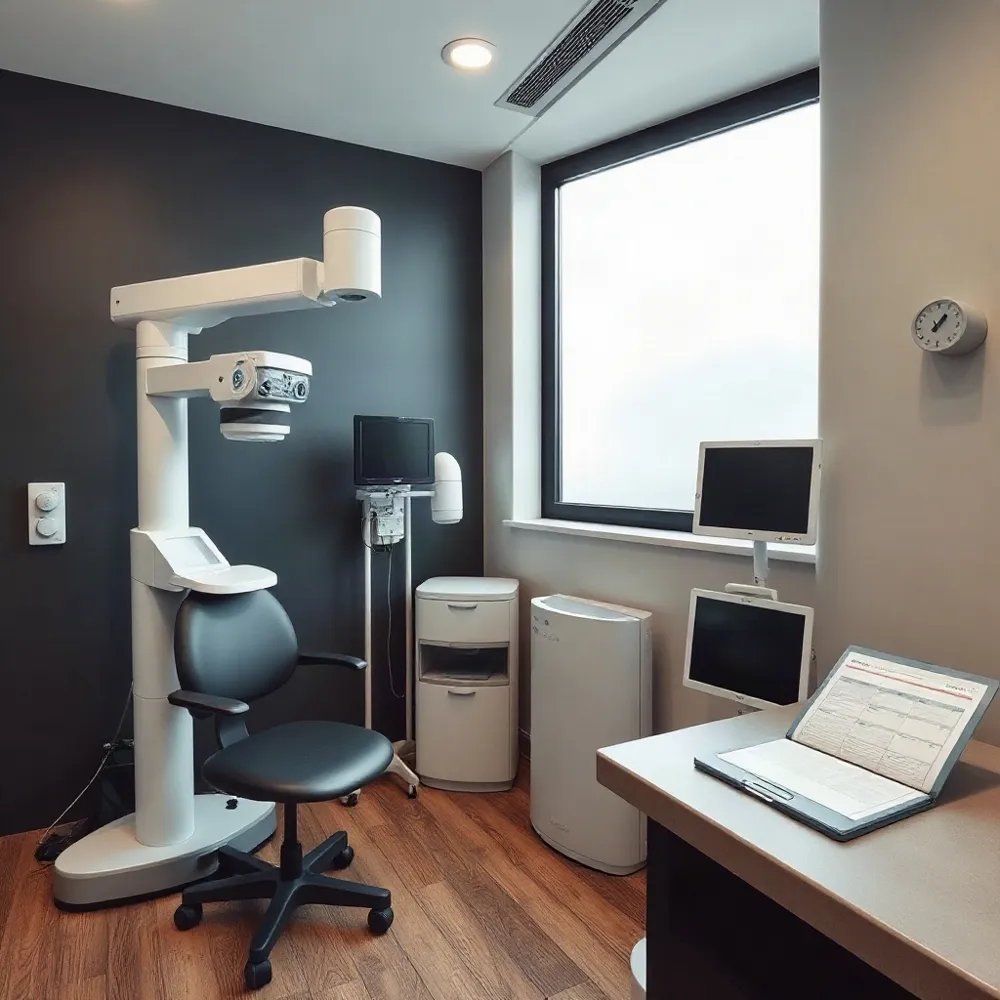
The first prenatal appointment is usually longer than a routine checkup because it gives you and your clinician time to review your health and plan next steps. At Raveco, pregnancy care is part of comprehensive obstetrics and gynecology services, with attention to each patient’s health history and concerns.
Expect questions about your menstrual and pregnancy history, personal and family health, medications and supplements, and lifestyle. Sharing concerns, including details that feel sensitive, helps your clinician understand what may affect your pregnancy. A review of your history and goals is also part of a first prenatal visit.
You and your clinician may estimate a due date using the first day of your last menstrual period, then discuss symptoms, nutrition, medications, and recommended prenatal care. Bring a list of prescriptions, over-the-counter medicines, and supplements, along with questions you want answered.
The appointment may include blood pressure and weight checks, urine or blood samples, and lab tests. A pelvic exam or ultrasound may be recommended based on your health needs and how far along you are. Ask what each test is for, when results will be available, and when to follow up. Recommendations vary, so discuss the plan that fits your circumstances with your clinician.
An OB/GYN checkup can be tailored to a patient’s medical history and may include discussion of pregnancy goals and appropriate evaluations, as ACOG explains.
An appointment to discuss possible endometriosis usually starts with your experience, not a test. Your clinician may ask what symptoms you have, when they occur, how they affect daily life, and about your menstrual and medical history. Painful periods, pain during sex, bowel or bladder symptoms, and fertility concerns are all worth mentioning. A brief record of symptoms and their timing can help focus the conversation. For more on what to share, see this guide to discussing possible endometriosis.
If appropriate, a clinician may offer a pelvic exam to check for tenderness or other findings. An exam alone cannot confirm or rule out endometriosis. Imaging, such as ultrasound and sometimes MRI, may be discussed to look for cysts or deeper disease, but normal imaging does not exclude the condition. The American College of Obstetricians and Gynecologists’ guidance on ob-gyn checkups notes that exams and tests should reflect a patient’s symptoms and health history.
In some cases, surgery may be considered to help confirm a diagnosis. The next steps can also address symptom management, treatment choices, and follow-up, guided by your needs and preferences. At raveco.com, women-led OB/GYN care in Queens includes personalized support, so patients can raise concerns about an exam, ask questions, and discuss options with their clinician.
Before an appointment, jot down questions and note what matters most to you. You can ask why a test or exam is recommended, what it involves, and what follow-up might look like. A clinician should explain options and make space for your concerns, as described in ACOG’s guidance on OB/GYN checkups.
Care needs can change with symptoms, pregnancy plans, or life stage. Keeping an open conversation with your clinician helps shape decisions over time. A review of patient-centered care in women’s health highlights listening, clear information, and shared decisions as valued parts of care (research review).


Compassionate care for every stage of womanhood. Visit one of our convenient locations or book your appointment online today.