Choosing Birth Control That Fits Your Life
IUDs, Pills, and Implants: Comparing Birth Control Options
Choosing Birth Control That Fits Your Life
Follow us here:


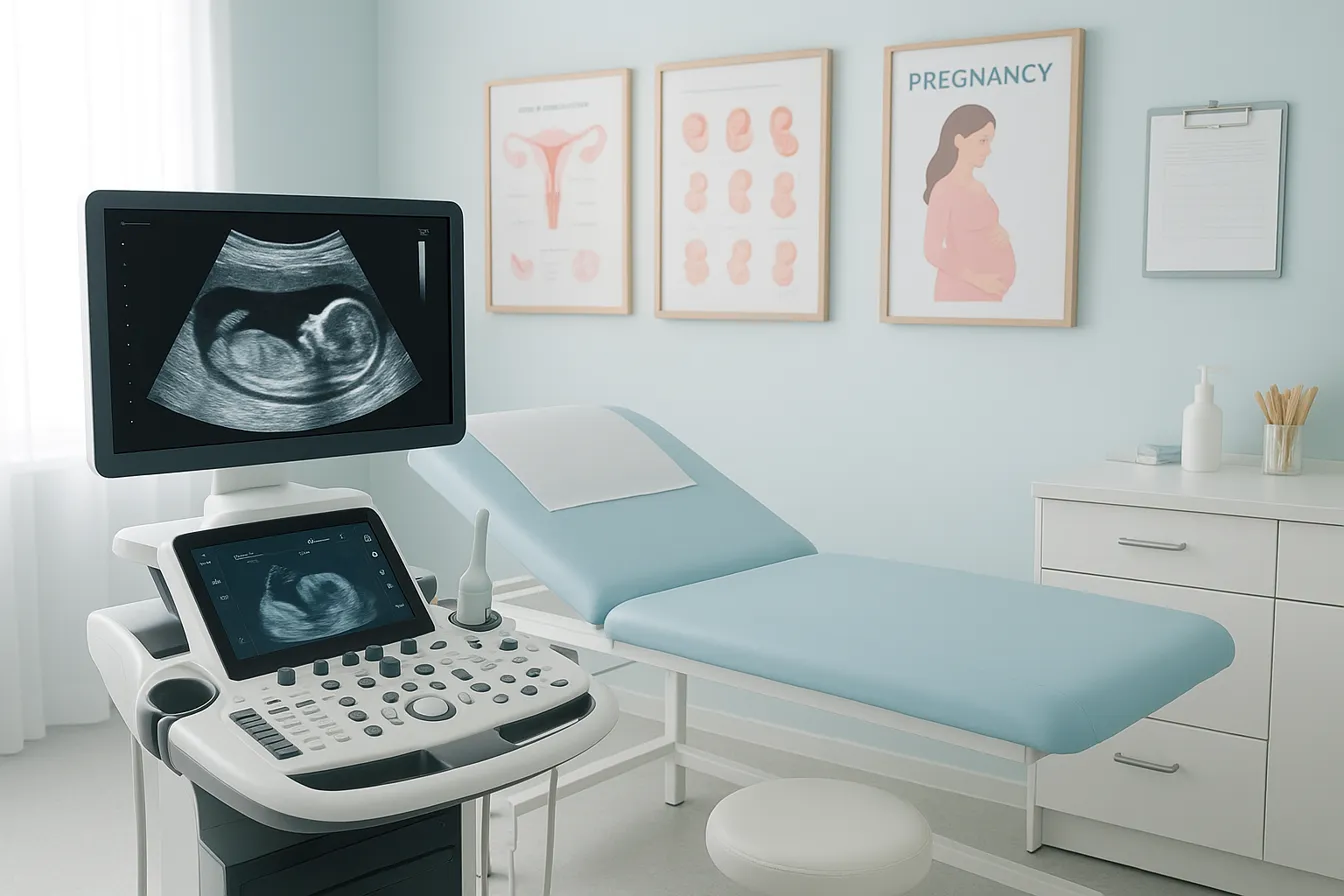
Infertility is medically defined as the inability to conceive after 12 months of regular, unprotected sexual intercourse for women under 35, and after six months for women aged 35 or older. This condition affects a significant portion of couples, impacting both men and women with causes ranging from ovulatory dysfunction to male sperm abnormalities.
Couples are advised to seek infertility evaluation if pregnancy has not occurred within the recommended timeframes — 12 months for women under 35 and six months for women 35 and older. Early evaluation is particularly important for women over 40 or those with known risk factors, as fertility declines with age. Timely testing helps identify treatable conditions and supports earlier intervention.
Personalized obstetric and gynecologic care is pivotal in diagnosing and managing infertility. Through tailored assessments including hormone evaluations, ultrasound imaging, and physical exams, care providers can design individualized treatment plans. This patient-centered approach decreases time to pregnancy and enhances the effectiveness of treatments such as ovulation induction, surgical correction, or assisted reproductive technologies.
Woman-led healthcare has been associated with enhanced communication, empathy, and understanding of patient experiences in reproductive health. When healthcare teams are led by women, it often fosters a more supportive and trusting environment. This empowerment translates into better adherence to treatment plans, improved emotional support, and ultimately, higher quality of infertility care for patients.
Hormonal blood tests play a crucial role in assessing female fertility. Key hormones tested include:
For more detailed information, see Hormone Blood Tests for Fertility.
Ovarian reserve testing evaluates the quantity and quality of eggs, essential for fertility planning, especially in women over 35. This testing includes:
Learn more at Ovarian Reserve Testing Methods.
Imaging procedures provide a clear view of the uterus and fallopian tubes, identifying structural barriers to conception:
For comprehensive coverage, see Imaging Techniques for Fertility.
Timing and preparation improve the accuracy of tests:
See Fertility Test Preparation and Procedures for additional guidance.
Personalized obstetrics and gynecology care maximizes the benefits of these diagnostic tests by tailoring fertility evaluations and treatments to individual patient needs, empowering women with clearer understanding and better outcomes.

Semen analysis for men is the cornerstone of male fertility assessment. This test examines sperm count, motility (movement), morphology (shape), volume, and other parameters. A normal sperm count is typically greater than 15 million sperm per milliliter, with at least 32% showing progressive motility and over 14% normal morphology. Abnormal semen parameters can indicate issues with sperm production or function, which are important contributors to infertility.
Hormone testing in infertility are used to evaluate testosterone, follicle-stimulating hormone (FSH), luteinizing hormone (LH), and prolactin. These hormones regulate sperm production and overall reproductive health. For example, low testosterone or elevated FSH levels may signal testicular dysfunction affecting fertility.
Genetic testing for male infertility are particularly important when semen analysis shows severe sperm abnormalities such as azoospermia (no sperm) or very low counts. Genetic tests can identify inherited conditions, including chromosomal abnormalities and Y chromosome microdeletions, which may affect sperm production and guide treatment decisions.
Testicular ultrasound and MRI in male infertility is a non-invasive imaging study that checks for physical abnormalities such as varicoceles, tumors, or structural issues. In select cases, a testicular biopsy may be performed to examine tissue directly or collect sperm for assisted reproductive techniques, especially when semen analysis shows no sperm in the ejaculate.
Male factors contribute to about 50% of infertility cases, either alone or combined with female factors. The American Society for Reproductive Medicine recommends simultaneous evaluation of both partners to enable faster, more accurate diagnosis and treatment planning. Early male assessment can speed up interventions, reduce costs, and improve overall outcomes for couples.

Infertility evaluation often employs sophisticated imaging techniques for fertility to uncover underlying reproductive issues that standard exams might miss. These methods provide detailed views of the uterus, fallopian tubes, ovaries, and pelvic cavity, enabling precise diagnosis and targeted treatments.
Hysterosonography involves injecting a saline solution into the uterus, followed by ultrasound imaging to visualize the uterine cavity. This test helps detect abnormalities like polyps, fibroids, or adhesions that might impair implantation or fertility.
Hysteroscopy for uterine evaluation uses a thin, lighted instrument inserted through the cervix to directly inspect the inside of the uterus. This procedure not only diagnoses uterine abnormalities but can often treat them simultaneously, such as removing polyps or fibroids, improving chances for conception.
Laparoscopy is a minimally invasive surgical procedure allowing examination of the pelvic organs beyond what ultrasounds detect. It is particularly useful for identifying endometriosis, pelvic scarring, and tubal disease, all of which can contribute to infertility. Although laparoscopy is more invasive, it is valuable when less invasive tests do not clarify the diagnosis. For more about diagnostic testing including laparoscopy, see Diagnostic Testing for Infertility.
Hysterosalpingogram (HSG) procedure is an X-ray based test where dye is injected into the uterus and fallopian tubes to assess tubal patency and uterine shape. Blocked tubes or structural abnormalities detected via HSG can often be treated surgically or managed with assisted reproductive technologies.
Ultrasound for infertility, especially transvaginal ultrasound, is a common, non-invasive method to assess ovarian reserve, detect cysts, fibroids, and other structural abnormalities. MRI for reproductive health offers a more detailed soft tissue examination and is occasionally used for complex cases.
These imaging tests are integrated with hormone assessments, semen analysis, and genetics to form a comprehensive fertility profile. Tailored treatment plans—ranging from medication and surgery to assisted reproductive technologies—are developed based on detailed diagnostic findings, improving outcomes. For a detailed guide on evaluation and treatment, consult Infertility diagnosis and treatment.
Advancements such as minimally invasive procedures, precise imaging modalities, and genetic testing enable earlier and more accurate diagnosis. These innovations improve treatment success and provide personalized care, reducing time to pregnancy. Coupled with emerging technologies like AI-assisted imaging and telemedicine, they enhance accessibility and equity in reproductive health services. For insight into why fertility testing is essential, see Why Fertility Testing is Essential to Success.
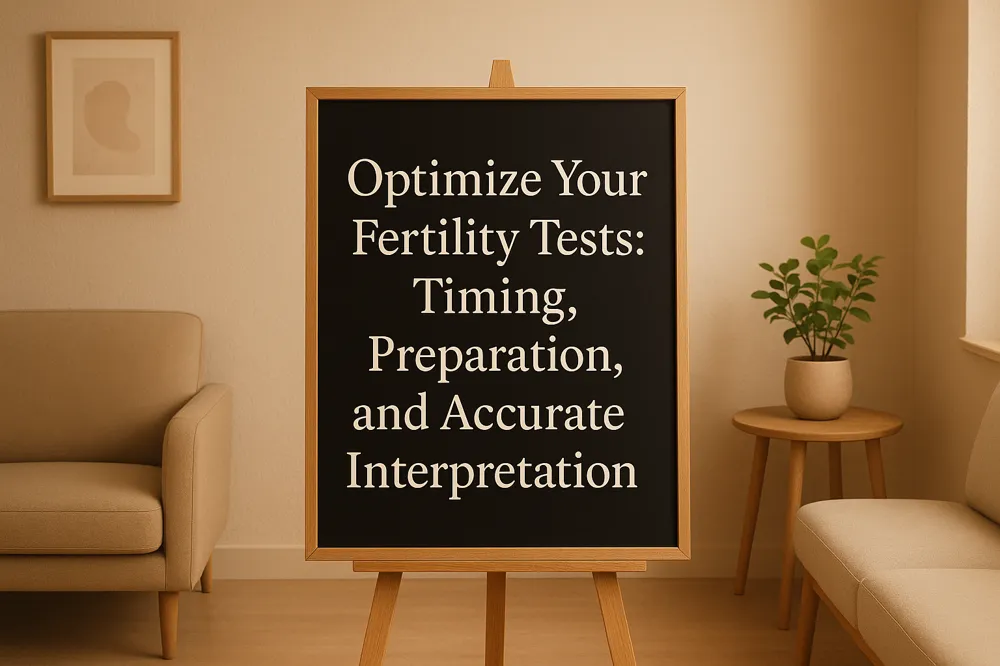
Fertility evaluation is generally recommended after 12 months of trying to conceive for women under 35. For women aged 35 and older, testing should start after 6 months of attempting pregnancy. Women over 40 or those with known risk factors should seek immediate evaluation to optimize outcomes.
Blood tests crucially depend on timing within the menstrual cycle for accurate assessment. Day 3 of the cycle is commonly chosen for measuring hormones such as follicle-stimulating hormone (FSH), luteinizing hormone (LH), estradiol, and anti-Mullerian hormone (AMH) to evaluate ovarian reserve and function. Progesterone levels are usually tested around day 21, or about one week before the expected period, to confirm ovulation.
Men are typically advised to abstain from ejaculation for 2 to 5 days before providing a semen sample to ensure an optimal sample. The collection should be done in a clean container, ideally at a clinic, to maintain sample integrity. This analysis evaluates sperm count, motility, and morphology which are critical indicators of fertility potential.
Simultaneous testing of both partners, ideally within 30 days of each other, allows for a comprehensive fertility profile and expedites diagnosis. This coordinated approach supports informed decisions regarding treatment strategies.
Hormone results guide treatment options; for example, elevated FSH suggests reduced ovarian reserve, influencing fertility treatment planning. Imaging studies such as hysterosalpingography (HSG) and transvaginal ultrasound identify structural issues like tubal blockages or uterine abnormalities. Understanding these results with a healthcare provider helps tailor interventions, which may range from lifestyle changes to assisted reproductive technologies (ART).
Proper timing, preparation, and coordinated interpretation of fertility tests can enhance diagnostic accuracy and improve fertility treatment success.

Unexplained infertility occurs when couples fail to conceive after 12 months of regular, unprotected intercourse (or 6 months if over 35 years old), yet standard evaluations show normal results. It affects approximately 15-30% of infertile couples in the United States, representing a significant portion facing unidentified fertility challenges despite seemingly normal reproductive health.
In cases of unexplained infertility, routine tests—including regular menstrual cycles, at least one open fallopian tube confirmed by hysterosalpingography (HSG) procedure, and normal semen analysis for fertility—fail to identify any obvious cause for conception difficulties. These standard tests typically cover sperm count, motility, morphology, tubal patency, and uterine cavity assessment.
Comprehensive evaluation often extends beyond basic tests, incorporating endocrine panels to assess hormone levels and advanced ultrasound techniques for detailed uterine and ovarian assessment. Endocrine markers such as thyroid function and prolactin levels, along with extended imaging including transvaginal ultrasonography for fertility and contrast-enhanced procedures, enhance detection of subtle abnormalities.
Evidence supports initial treatment with Ovulation induction combined with intrauterine insemination (IUI) to improve pregnancy rates. Ovulation induction medications stimulate egg development and release, while IUI enhances sperm placement in the uterus, increasing the chances of fertilization. This approach yields conception rates of approximately 15-18% per cycle.
Infertility is multifactorial and unique to each couple. Tailored assessment by reproductive endocrinologists, urologists, and fertility specialists ensures identification of subtle factors and selection of effective interventions. This multidisciplinary approach promotes optimized outcomes while supporting emotional well-being throughout the fertility journey.

A healthcare provider led by women profoundly enhances the quality of women's health services by fostering empathy and patient-centered care. Female providers, who now make up about two-thirds of the medical workforce globally and have historically pioneered key medical advances, tend to spend more time with patients. Their communication style encourages open dialogue, leading to improved health outcomes and patient satisfaction. This shared experience often translates into greater understanding of women's health concerns, ensuring care is compassionate, comprehensive, and respectful.
Personalized obstetrics and gynecology care is essential in diverse urban centers like New York, where addressing individual risk factors and cultural backgrounds leads to better health management. Tailored fertility assessment and treatments consider unique patient histories, enabling precise diagnosis and targeted interventions. This approach improves communication, patient engagement, and adherence to treatment plans, particularly benefiting underserved communities. Personalized care helps close healthcare disparities, ensuring equitable and effective reproductive health services.
Specialized women-led OB-GYN practices integrate thorough infertility evaluation encompassing hormone testing for fertility, imaging tests for infertility, semen analysis, and genetic testing for fertility issues. This comprehensive approach ensures timely identification of reproductive issues and offers personalized treatment options ranging from lifestyle modifications to assisted reproductive technologies. Early and precise evaluation expedites interventions, reduces emotional stress, and enhances chances of conception.
Personalized, woman-led care empowers patients by providing clear information about their reproductive health and treatment options. It supports emotional well-being by fostering trust and understanding throughout the infertility journey. Studies show this model leads to higher success rates and patient satisfaction, as women feel valued and actively participate in decision-making. Ultimately, woman-led, personalized care transforms infertility diagnosis and treatment into a supportive and effective experience, improving overall outcomes and quality of life for women and couples.
Infertility affects approximately 12% of couples and requires thorough evaluation for both partners to identify treatable causes. Standard tests for women include hormone level assessments (such as FSH, AMH, progesterone, and thyroid hormones), pelvic ultrasounds, hysterosalpingograms (HSG), and procedures like sonohysterography and hysteroscopy to evaluate reproductive anatomy and function.
For men, semen analysis remains crucial, examining sperm count, motility, and morphology, alongside hormone testing and genetic evaluations when necessary. These comprehensive diagnostics ensure accurate identification of factors affecting fertility.
Personalized care led by women's health specialists focuses on individualized diagnostic pathways and tailored treatment plans. This approach considers age, lifestyle, medical history, and reproductive goals, facilitating targeted therapies that enhance success rates.
Woman-centered care involves timely evaluation, especially critical for women over 35, to optimize fertility outcomes. Emotional support and clear communication throughout the process empower patients, reducing anxiety and fostering informed decision-making.
Early consultation with fertility specialists is recommended after 12 months of unprotected intercourse for women under 35 or six months for those over 35. Immediate evaluation is advised in cases of known risk factors, irregular cycles, or reproductive health issues.
Engagement with qualified reproductive endocrinologists enables access to advanced diagnostics and evidence-based treatments, including ovulation induction, intrauterine insemination (IUI), and assisted reproductive technologies (ART).
Prompt evaluation and personalized care enhance the likelihood of conception, providing hope and empowerment in the family-building journey.

.png)
%201.png)
Compassionate care for every stage of womanhood. Visit one of our convenient locations or book your appointment online today.