A Clearer Path to Gynecologic Surgery
How to Prepare for a Gynecologic Procedure
A Clearer Path to Gynecologic Surgery
Follow us here:


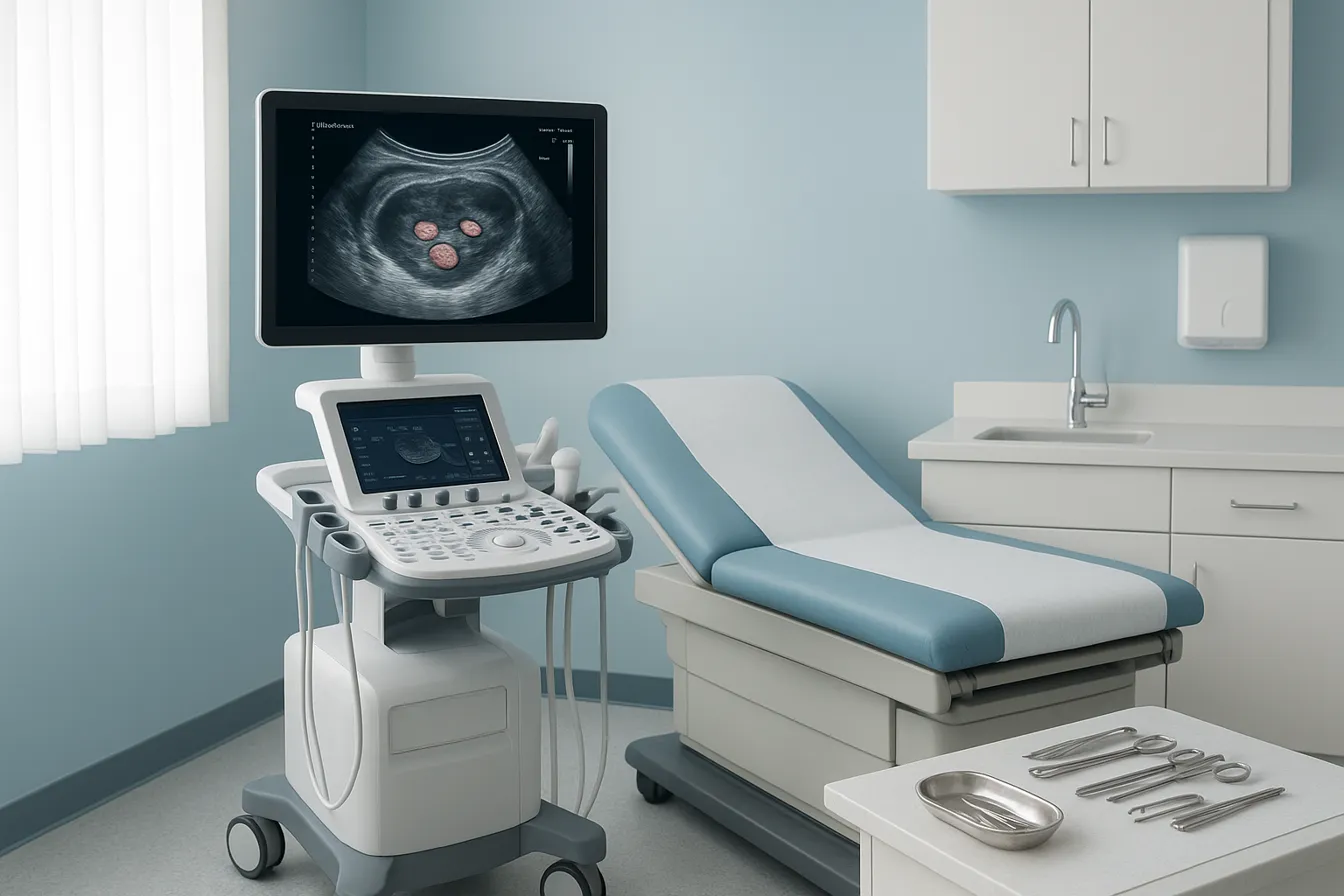
Uterine fibroids, also known as leiomyomas, are noncancerous growths made up of muscle and connective tissue that develop in or on the uterus. They are the most common pelvic tumors in women and affect approximately 40% to 80% of women by age 50 in the United States.
Fibroids primarily affect women between the ages of 30 and 50, with increased prevalence among African American women. Other risk factors include family history, obesity, early onset of menstruation, late menopause, and dietary factors such as high red meat intake.
The exact cause of fibroids remains unknown, but hormones such as estrogen and progesterone play significant roles. Fibroids often grow during periods of high hormone levels, such as pregnancy, and tend to shrink after menopause when hormone levels decline.
Many women have fibroids without symptoms; however, some experience heavy menstrual bleeding, pelvic pain, or pressure symptoms. Early recognition via pelvic exams and imaging tests like ultrasound or MRI is crucial for proper diagnosis and management, helping to prevent complications such as anemia or fertility issues.

Uterine fibroids overview often manifest with a variety of Fibroids symptoms that can significantly affect a woman’s quality of life. One of the most frequent signs is Heavy menstrual bleeding and anemia. This bleeding can sometimes include large blood clots and may lead to Addressing anemia from fibroids, causing fatigue and weakness.
Many women also experience Pelvic pressure and fibroids, pain, or a sensation of fullness in the lower abdomen. Larger fibroids can cause visible abdominal bloating or swelling. Back pain is another common complaint associated with fibroids.
Pressure on the bladder from fibroids can lead to urinary symptoms such as frequent urination or difficulty fully emptying the bladder. Additionally, some women report bowel changes, notably constipation, due to fibroid pressure on the rectum.
Fibroids can impact Sexual health with fibroids, causing discomfort or pain during intercourse. They may also interfere with Fertility and pregnancy outcomes, contributing to difficulties in conceiving or complications during pregnancy.
If you experience persistent or severe symptoms such as heavy menstrual bleeding, pelvic pain, pressure symptoms, or reproductive issues, it is important to consult a healthcare provider. Early assessment allows for accurate diagnosis through pelvic exams for uterine fibroids detection and Fibroid diagnosis methods. Effective Fibroid treatment options are available that can relieve symptoms and address individual health goals, including preserving fertility when desired.

Uterine fibroids are commonly detected through a combination of medical history, physical examination, and imaging tests. During a pelvic exam for uterine fibroids detection, a healthcare provider may notice an enlarged or irregularly shaped uterus, suggesting the presence of fibroids. This triggers further diagnostic imaging to confirm the condition.
Ultrasound is the primary and most accessible diagnostic tool for fibroids. There are two main types:
If ultrasound results are unclear or detailed evaluation is needed, advanced imaging is utilized:
Fibroids are solid, muscular tumors growing within or on the uterine wall, while ovarian cysts are fluid-filled sacs on or in the ovaries. Ultrasound and MRI are effective in distinguishing these conditions. Fibroids usually cause uterine enlargement and localized pain, whereas cysts often appear as fluid-filled, rounded structures without altering uterine size. For more information, see Fibroid diagnosis methods.
Since heavy menstrual bleeding from fibroids can cause anemia, blood tests like complete blood count (CBC) are important. These tests assess hemoglobin and iron levels to evaluate any blood loss impact. For additional information, see Fibroid diagnosis methods and tests for anemia.
Accurate diagnosis is fundamental to choosing the best management approach, including medication, minimally invasive procedures, or surgery tailored to each patient's symptoms and fertility goals. For an overview of fibroid treatment options and management and minimally invasive procedures.

Uterine fibroids are benign tumors that form from the muscle tissue of the uterus. Although the exact cause remains unclear, hormones estrogen and progesterone significantly influence fibroid growth. These tumors often enlarge during pregnancy when hormone levels are elevated, and typically shrink after menopause as hormone levels decline. (Uterine fibroids overview, Causes of uterine fibroids, Fibroid growth patterns)
Genetic factors and ethnicity also play a critical role in fibroid development. African American women have a higher predisposition to developing fibroids, often experiencing earlier onset and more severe symptoms. Family history increases risk, as do lifestyle factors such as obesity and diets high in red meat and processed foods. (Fibroid risk factors, Fibroids and pregnancy, Diet tips for uterine fibroids)
Fibroids tend to grow through the reproductive years, especially during pregnancy, due to increased hormone levels. After menopause, the drop in estrogen and progesterone usually causes fibroids to shrink, leading to symptom improvement. (Fibroid growth and shrinkage, Fibroid changes after menopause
Fibroids are almost always benign, with fewer than 1 in 1,000 cases turning into malignant leiomyosarcoma. While symptoms often include heavy menstrual bleeding, pelvic pressure, urinary frequency, and back pain, these are typical of benign fibroids. Red flags for cancer—such as postmenopausal bleeding or rapid growth during menopause—are different and rare. Imaging tests like ultrasound and MRI assist in distinguishing benign fibroids from rare cancers. (Cancer risk of fibroids, Fibroids and cancer risk, Ultrasound in fibroid diagnosis
Maintaining awareness of symptoms and regular medical evaluations help ensure proper monitoring and management. (Symptoms of uterine fibroids, Fibroid diagnosis methods, Consulting a doctor for fibroid management

Effective management of uterine fibroid symptoms depends on the size, location, and severity of the fibroids. For mild symptoms such as pain and discomfort, over-the-counter pain relievers like acetaminophen or ibuprofen are commonly used. When heavy menstrual bleeding leads to anemia, iron supplements are recommended to manage the reduced blood iron levels.
Hormonal therapies are frequently employed to control fibroid symptoms and sometimes shrink fibroids. These include hormonal contraceptives and gonadotropin-releasing hormone (GnRH) agonists, such as leuprolide, which induce a temporary menopause-like state by lowering estrogen and progesterone levels. This hormone suppression often causes fibroids to shrink and symptoms to improve. However, GnRH agonists are usually used short term due to potential side effects like bone loss.
For women with more significant symptoms, minimally invasive procedures such as uterine artery embolization (UAE), radiofrequency ablation, or surgical approaches like myomectomy or hysterectomy might be necessary. Treatment selection is highly personalized, taking into account symptom severity, fibroid characteristics, and the woman's fertility goals. Consulting a healthcare provider is essential to identify the most appropriate management plan.
Limited medications are currently approved specifically to shrink uterine fibroids. GnRH agonists remain a mainstay in medical management by suppressing ovarian hormones and causing fibroid regression temporarily. Newer oral medications like linzagolix (marketed as Yselty) have emerged, showing promise in clinical studies by reducing fibroid size through estrogen suppression while potentially offering fewer side effects.
Other hormonal options include mifepristone and ulipristal acetate (Fibristal/Esyma), which modulate progesterone receptors to help control symptoms and may reduce fibroid volume, though concerns about liver toxicity limit some uses.
While medical therapies can alleviate symptoms and sometimes shrink fibroids, none offer a permanent cure. Therefore, combining medication with surgical or minimally invasive options may be necessary, especially when fertility preservation is important.
Women should discuss all available medical treatments with their healthcare providers, weighing benefits, risks, and personal reproductive plans to tailor therapy effectively.

Uterine Fibroid Embolization (UFE) is a modern, FDA-approved outpatient procedure that treats fibroids by blocking their blood supply. This causes the fibroids to shrink over time, providing symptom relief. The procedure is minimally invasive, involves only a small catheter insertion, and typically results in a quick recovery period, often within a week.
Radiofrequency ablation techniques, including the Sonata system, offer another minimally invasive option. The Sonata system uses targeted radiofrequency energy delivered via ultrasound guidance to destroy fibroid tissue without incisions. This uterus-sparing method allows women to return to normal activities promptly, often the next day, and supports fertility preservation.
Focused Ultrasound Surgery (FUS) is a noninvasive, MRI-guided treatment that employs high-energy sound waves to ablate fibroids. It preserves the uterus and enables a fast return to daily life. However, FUS is generally not recommended for women who wish to conceive, as long-term fertility outcomes are still under study.
These uterine-sparing procedures provide significant advantages compared to traditional surgery. They reduce hospital stays, lower risk of infections, minimize scarring, and preserve reproductive potential. Recovery times are shorter, and symptom relief is substantial.
When considering treatment, fertility goals are critical. Myomectomy and radiofrequency ablation preserve the uterus and fertility, while hysterectomy eliminates pregnancy potential. UFE may affect fertility in some cases, so consultation with a healthcare provider is essential before choosing this option.
The FDA advises caution regarding power morcellation during fibroid removal because it carries a risk of spreading undiagnosed cancerous tissue (leiomyosarcoma). Alternatives that avoid morcellation are preferred to reduce this risk.
Overall, these innovative, minimally invasive treatments offer women effective fibroid management with personalized care based on symptom severity, fibroid characteristics, and reproductive plans.
While there is no guaranteed natural or dietary method to completely shrink fibroids, certain lifestyle changes can help manage symptoms and support overall health. Including anti-inflammatory foods like turmeric, which contains curcumin, may reduce inflammation linked to fibroids. Healthy fats from sources such as avocados, nuts, seeds, and olive oil support hormone balance and could limit fibroid growth. A balanced diet rich in fruits, vegetables, and whole grains also promotes immune function and hormone regulation. It's important to consult your healthcare provider before starting any natural treatment to ensure it complements your comprehensive care plan.
Certain foods can increase inflammation and disrupt hormonal balance, potentially worsening fibroid symptoms. It is advisable to limit intake of processed meats, high-fat dairy products, sugary foods, refined carbohydrates, and alcohol. Red meat and fibroid symptoms may also exacerbate symptoms, along with excess sodium and caffeine. Focusing on a diet rich in vegetables, fruits, lean proteins like oily fish, whole grains, and potassium-rich foods can support symptom relief. Adding anti-inflammatory and fiber-rich options such as berries, leafy greens, nuts, and green tea can further benefit overall wellbeing and fibroid symptom management.
Managing symptoms of fibroids often benefits from specific lifestyle adjustments. Regular physical activity like walking, swimming, or yoga improves blood circulation and general health, which can reduce discomfort from fibroids. Maintaining a healthy weight through diet and exercise helps regulate hormones influencing fibroid growth and reduces pressure on pelvic organs. Stress management techniques such as meditation, deep breathing, or yoga support hormone balance and promote relaxation, which may alleviate fibroid symptoms. Additionally, controlling blood pressure by adopting healthy habits enhances overall fibroid management.
Prioritizing an overall healthy lifestyle that embraces nutritious eating, physical activity, and stress reduction provides a supportive approach alongside medical treatments for uterine fibroids.
Fibroid surgical treatments primarily include myomectomy and hysterectomy. Myomectomy involves removing the fibroids while preserving the uterus, making it the preferred option for women wishing to maintain fertility. Hysterectomy, the complete removal of the uterus, is a definitive treatment that eliminates fibroids entirely but ends the possibility of pregnancy.
Myomectomy can be performed through various approaches depending on fibroid size and location, including hysteroscopic fibroid removal (for submucosal fibroids), laparoscopic, laparotomy, and robotic-assisted myomectomy. Robotic-assisted myomectomy, utilizing systems like the da Vinci, offers benefits such as enhanced precision, smaller incisions, less pain, reduced scarring, and quicker recovery compared to traditional open surgery.
Fibroids larger than 10 centimeters generally necessitate medical evaluation and often treatment due to risks like organ pressure and persistent pain. Symptomatic fibroids causing heavy bleeding, pelvic pressure, frequent urination, or fertility issues typically guide the decision for surgery rather than size alone.
The choice between myomectomy and hysterectomy considers whether the patient wishes to preserve fertility and the number, size, and location of fibroids. For instance, large or multiple fibroids may require more extensive surgery. Minimally invasive procedures, including uterine artery embolization and focused ultrasound, offer alternatives but may not be suitable for those planning future pregnancies.
Myomectomy preserves the uterus and is often recommended for women who desire future pregnancies. It allows removal of fibroids while maintaining uterine integrity. However, patients are usually advised to wait 3 to 6 months post-surgery before attempting conception to allow healing.
Hysterectomy ends any possibility of pregnancy but provides definitive relief from fibroid symptoms and recurrence. Some non-surgical procedures like uterine artery embolization may affect fertility and are generally not recommended for women wishing to conceive.
Minimally invasive and robotic-assisted surgeries result in shorter hospital stays and faster return to daily activities compared to open surgery. Recovery time varies from a few days to a few weeks based on the procedure's extent.
Fibroids can recur after myomectomy because the uterus remains, requiring ongoing monitoring. Hysterectomy eliminates recurrence. Patients should follow up regularly with their healthcare provider postoperatively.
Insurance coverage often influences access to different surgical options. Minimally invasive techniques and robotic surgeries may have higher upfront costs but can reduce hospitalization and recovery time, potentially lowering overall expenses. Patients are encouraged to discuss insurance specifics and treatment costs with their healthcare team to make informed decisions.
Overall, choosing the best surgical approach for uterine fibroids involves a personalized assessment of fibroid characteristics and patient goals, especially regarding fertility preservation. Collaboration between patients and specialists ensures an optimal treatment plan.
Effective fibroid management hinges on personalized, multidisciplinary care that addresses each woman's unique symptoms, fertility goals, and lifestyle. Collaborative teams often include gynecologists, interventional radiologists, and nurse practitioners to tailor treatment plans ranging from medication to minimally invasive surgeries.
Ongoing conversations with healthcare providers are vital. Regular pelvic exams and imaging help monitor fibroid size and symptom progression, enabling timely adjustments to treatment and avoiding complications.
Care strategies aim to control symptoms such as heavy bleeding and pain while supporting reproductive choices. Options like myomectomy preserve fertility, whereas some procedures provide symptom relief with shorter recovery times.
Women experiencing symptoms—such as pelvic pressure or heavy periods—are encouraged to seek early medical evaluation to explore all treatment options and prevent worsening symptoms.
Innovations like radiofrequency ablation and uterine artery embolization offer less invasive solutions with faster recovery. Ongoing research continues to improve understanding of fibroid development and refine therapies, providing hope for better outcomes.

.png)
%201.png)
Compassionate care for every stage of womanhood. Visit one of our convenient locations or book your appointment online today.