
Navigating Reproductive Milestones: Understanding the Science of Fertility Over Time
How Age Impacts Fertility and Reproductive Health
Navigating Reproductive Milestones: Understanding the Science of Fertility Over Time
Follow us here:



Menopause marks the end of ovarian estrogen and progesterone production, usually between ages 45‑55. Hormone decline causes physiologic shifts: higher FSH, loss of bone density, and altered lipid metabolism. Typical symptoms—hot flashes, night sweats, vaginal dryness, mood swings, sleep problems, and joint aches—can impair daily life, work, and emotional well‑being. Conventional care focuses on hormone therapy (HT), either systemic or low‑dose vaginal estrogen, with or without progestogen, offering reliable relief for vasomotor and genitourinary issues and protecting bone health. Natural and complementary options include phytoestrogen foods such as soy, flaxseed, red clover; herbal products like black cohosh or evening primrose oil; lifestyle changes (exercise, balanced diet, stress‑reduction); and mind‑body practices (CBT, yoga). Any approach should be reviewed with a clinician to weigh benefits, risks, and personal suitability for each woman today.
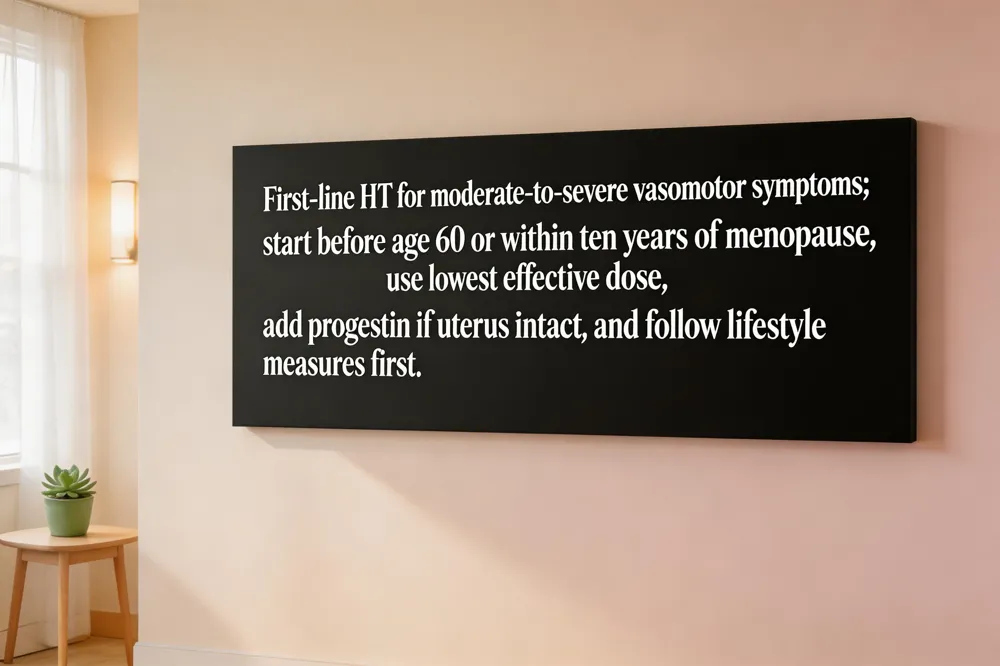
Current menopause treatment guidelines place hormone therapy (HT) as the first‑line option for moderate‑to‑severe vasomotor symptoms, especially when started before age 60 or within ten years of the final menstrual period. Systemic formulations (oral, transdermal, or injectable) address hot flashes, night sweats, and bone loss, while low‑dose vaginal estrogen is preferred for genitourinary syndrome because it delivers minimal systemic exposure. The safest approach begins with lifestyle measures—regular aerobic and weight‑bearing exercise, a calcium‑ and vitamin‑D‑rich diet, adequate sleep, and stress‑reduction techniques—before adding medication. If hormonal therapy is needed, the lowest effective dose for the shortest duration is used, with a progestin added when the uterus is intact. Contraindications include a history of estrogen‑sensitive cancers, unexplained vaginal bleeding, active clotting disorders, uncontrolled hypertension, severe liver disease, and pregnancy. Warning signs that HRT may be required are frequent hot flashes or night sweats that disrupt daily life, persistent insomnia, severe vaginal dryness, joint pain, or early bone‑density loss. For women who cannot use estrogen, non‑hormonal options such as low‑dose SSRIs/SNRIs, gabapentin, or the NK‑1 antagonist fezolinetant provide effective hot‑flash relief. A personalized plan developed with a qualified women’s‑health provider balances symptom relief, safety, and long‑term health.

Hormone therapy (HT) for menopause comes in many formulations: oral tablets, transdermal patches, gels, sprays, and vaginal products (creams, rings, tablets). Estrogen‑only preparations (conjugated equine estrogen, micronized 17β‑estradiol) are used after hysterectomy; women with an intact uterus receive combined estrogen‑progestin (medroxyprogesterone acetate or micronized progesterone) to protect the uterine lining. Dosages are kept at the lowest effective level, and routes are chosen to balance symptom control with safety—transdermal delivery reduces clot risk compared with oral estrogen.
Age matters. Initiating HT before age 60 or within ten years of menopause offers a favorable risk‑benefit profile, whereas starting after 60 or beyond 70 raises cardiovascular events, venous clots, and breast cancer risks. The breast cancer risk remains low; combined therapy adds about five extra cases per 1,000 women over five years, while estrogen‑only carries little to no increase. HT also improves lipid profiles, lowering LDL and raising HDL, which can modestly reduce heart disease risk when started early.
Hormonal side‑effects include breast tenderness, headache, nausea, spotting, or mood changes; most are mild and transient. For women who cannot use HT, low‑dose paroxetine (Brisdelle) is the only FDA‑approved antidepressant for hot flashes, with other SSRIs/SNRIs used off‑label. Every decision should be individualized with a trusted clinician.

Plant‑derived hormone compounds, often called phytoestrogens, are found in foods such as soy, flaxseed, lentils and clover. They bind weakly to estrogen receptors and may modestly ease vasomotor symptoms. In dietary supplements, soy isoflavones, red clover isoflavones, and black cohosh are the most common options; evening primrose oil supplies omega‑3s that support prostaglandin balance, while ginseng and valerian may improve mood and sleep. Safety is a central concern: herbal products are not FDA‑regulated, so purity, dosage and long‑term effects can be inconsistent; St. John’s wort, for example, can trigger serious drug interactions. Evidence for most herbal remedies remains limited—clinical trials show mixed results for black cohosh, red clover and sage, and the benefit of phytoestrogen‑rich diets is modest compared with prescription hormone therapy. Because of these uncertainties, any natural approach—including “natural hormone replacement” with compounded bioidentical hormones—should be discussed with a qualified OB‑GYN or pharmacist. A balanced diet rich in phytoestrogen foods, regular exercise, stress‑reduction techniques, and professional monitoring together provide the safest, most evidence‑based strategy for managing menopause symptoms without relying solely on unregulated supplements.

A balanced, plant‑focused diet that supplies phytoestrogens can ease hot flashes and protect bone health. Include soybeans, tofu, edamame, flaxseed, sesame, chickpeas, and other legumes; these foods contain isoflavones that gently mimic estrogen. Add omega‑3‑rich fish, walnuts, chia or flaxseed oil for anti‑inflammatory benefits, and vitamin‑E‑dense nuts and seeds to lessen night‑sweat severity. Calcium‑rich dairy or fortified plant milks, along with leafy greens such as kale and spinach, are essential for maintaining bone density after estrogen declines.
The top three vitamins for menopause are vitamin D (critical for bone health and immune function), vitamin B‑complex (particularly B6 and B12 for mood, energy, and hot‑flash regulation) and vitamin E (often needed in higher, personalized doses to support antioxidant defenses and menopausal fatigue). Discuss dosing with a clinician.
HRT does not usually cause true weight gain; temporary water retention or bloating may occur, especially with certain progestin formulations. Long‑term weight changes are driven more by decreasing estrogen, slower metabolism, muscle loss, and lifestyle factors. Pair HRT with regular aerobic and resistance exercise, adequate sleep, and stress‑reduction practices (yoga, mindfulness, CBT) to support a healthy weight and overall well‑being.

Women navigating menopause now have more evidence‑based choices than ever. The FDA’s recent approval of the fezolinetant (Veozah) and the vaginal prasterone insert (Intrarosa) adds non‑hormonal options for hot flashes and painful intercourse, while low‑dose SSRIs/SNRIs, gabapentin and clonidine remain proven alternatives for vasomotor symptoms. Cost varies widely: generic oral estrogen tablets average $30‑$40 per month with insurance, whereas transdermal patches, gels or creams range $60‑$360; compounded products or injections can exceed $1,000 annually. Many clinics, such as RAVECO Health in Queens, NY, work with insurers to lower out‑of‑pocket expenses and can suggest lower‑cost generics. Risk‑assessment tools—including online HRT calculators that integrate age, family history and therapy type—help quantify breast‑cancer and cardiovascular risk, supporting shared decision‑making. For local expertise, RAVECO offers personalized hormone plans, bone‑health screening and complementary services; nearby NYU Langone and Maimonides Women’s Health Institute also provide comprehensive menopause care. After hysterectomy, non‑hormonal strategies—SSRIs/SNRIs, lifestyle changes, gabapentin, and vetted herbal options like black cohosh—can alleviate symptoms when estrogen is not desired. Finally, low‑dose testosterone gel may be added to HRT for low libido after other causes are excluded, but requires careful monitoring for side effects and long‑term safety.

When discussing menopause management, clinicians should distinguish Compounded bioidentical hormones from FDA‑approved products. Compounded preparations are not subject to the same quality‑control standards and may contain variable doses or contaminants; FDA‑approved bioidentical formulations have undergone rigorous testing for safety and efficacy.
Cancer risk monitoring is essential. Women on estrogen‑plus‑progestin therapy have a modest increase in breast cancer incidence, especially after five years, while estrogen‑only therapy poses little or no added risk. Regular mammograms, pelvic exams, and symptom review help balance benefits and risks.
Patient education and shared decision‑making empower women to choose the best approach. Discuss non‑estrogen alternatives, lifestyle changes, and the importance of individualized risk assessment.
Estrogen alternatives to HRT – Non‑hormonal prescription options (SSRIs, SNRIs, gabapentin, low‑dose clonidine) and botanical supplements (black cohosh, red clover, soy isoflavones, sage, maca, chasteberry, dong quai) can modestly relieve vasomotor symptoms; lifestyle measures (exercise, stress reduction, phyto‑estrogen‑rich diet) further help.What are the alternatives to estrogen for menopause? – Prescription SSRIs/SNRIs, gabapentin, clonidine, over‑the‑counter herbs (black cohosh, red clover, soy, sage, maca, chasteberry, dong quai), and evidence‑based lifestyle interventions.What do the Japanese use for menopause? – In Japan, Kampo (traditional Japanese herbal) medicine is frequently prescribed, often tailored to each patient’s symptom profile.

Effective menopause care starts with an individualized assessment—a thorough review of a woman’s symptom severity, medical history, cardiovascular and cancer risk factors, bone health, and lifestyle. This information guides shared decision‑making, where the clinician and patient discuss all options, from evidence‑based hormone therapy (systemic or low‑dose vaginal) to regulated‑dose natural alternatives such as phytoestrogen‑rich foods or vetted herbal supplements, weighing benefits against risks like clotting, stroke, or breast cancer. Once a plan is chosen, routine monitoring and follow‑up are essential: periodic blood pressure checks, mammograms, bone‑density scans, and symptom re‑evaluation every 3–6 months ensure therapy remains appropriate and safe. Open communication with a qualified women’s health provider in Queens, NY, helps tailor adjustments over time, promoting optimal health and quality of life throughout the menopausal transition.
Evidence‑based options for menopause include hormone therapy (HT) and low‑dose vaginal estrogen, which are regulated, well‑studied, and effective for hot flashes, night sweats, bone loss, and vaginal atrophy. Non‑hormonal prescriptions such as SSRIs, SNRIs, gabapentin, or fezolinetant also reduce vasomotor symptoms, while lifestyle changes—regular exercise, plant‑based diet, adequate calcium and vitamin D, stress‑management, and sleep hygiene—support overall health. Herbal supplements like black cohosh, red clover, or evening primrose oil are popular, but evidence is limited and safety varies; they may interact with medications. Professional guidance is essential: a qualified OB‑GYN or primary‑care clinician can assess history, contraindications, and preferences, ensuring the safest, most effective plan. For Queens women, schedule a visit with a local women‑led practice, discuss symptom severity, explore prescription and natural options, and arrange follow‑up to monitor overall risks.

.png)
%201.png)
Compassionate care for every stage of womanhood. Visit one of our convenient locations or book your appointment online today.