
A Clearer Path to Gynecologic Surgery
How to Prepare for a Gynecologic Procedure
A Clearer Path to Gynecologic Surgery
Follow us here:


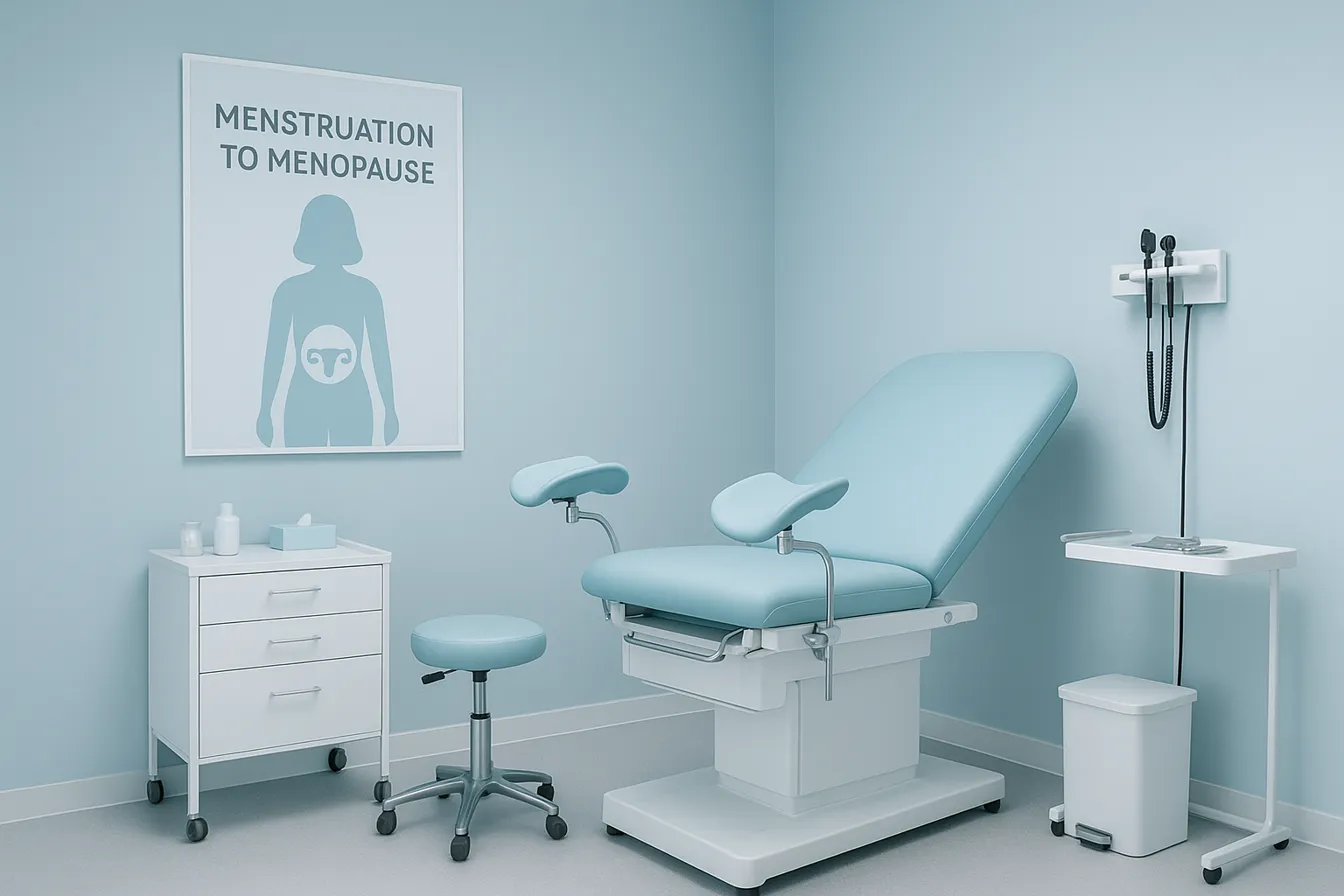
Menstrual health encompasses the regularity and quality of menstrual cycles throughout a woman's life. Normal menstrual cycles are vital indicators of reproductive and overall health. Disruptions such as irregular periods or disorders like premenstrual syndrome (PMS) can significantly impact daily life and mental well-being, indicating the close link between menstrual and mental health.
Menopause marks the natural end of a woman’s reproductive years, diagnosed after 12 consecutive months without menstruation, usually around age 51-52. Before this, women experience perimenopause, a transition phase lasting several years characterized by irregular cycles and hormonal fluctuations, mainly involving estrogen and progesterone. This phase can begin as early as the 30s and is marked by symptoms such as hot flashes, mood swings, and changes in menstrual patterns.
Hormonal shifts during perimenopause and menopause influence not only reproductive functions but also cardiovascular health, bone density, mental health, and overall quality of life. Awareness and understanding of these changes enable timely intervention and support. Recognizing symptoms, managing risks, and seeking medical guidance can help women navigate this transition with better health outcomes and enhanced well-being.

Menstrual health and mental health connections are tightly intertwined. Disorders like Premenstrual syndrome (PMS) impact and Premenstrual dysphoric disorder (PMDD) overview don't just affect physical well-being—they heavily influence mood and psychological functioning.
Women who experience Irregular menstrual cycles and affective disorders, such as shorter cycles (28 days or less) or dysmenorrhea (painful periods), are at increased risk of mood disorders including depression and anxiety. Studies indicate these individuals face 1.5 to 2 times the chance of developing Affective disorders compared to women with regular cycles.
PMS impact affects more than 75% of premenopausal women with symptoms ranging from mild to severe, some significantly impairing daily life. About 3 to 8% of women have Premenstrual dysphoric disorder (PMDD) overview, a severe form with intense mood disturbances that often coexists with depressive and anxiety disorders. These conditions can cause substantial functional impairment in social and occupational settings.
Fluctuations in ovarian hormones, primarily Estrogen, progesterone, and mood regulation, during menstrual cycles affect brain chemistry. These hormones modulate neurotransmitters like serotonin, dopamine, and noradrenaline—critical players in mood regulation. This biological interaction helps explain why Hormone fluctuations and neurotransmitters worsen mood and anxiety symptoms during certain menstrual phases.
Beyond biological influences, socioeconomic challenges such as Period poverty and depression links—lack of access to menstrual products—are linked to higher rates of moderate to severe depression among women. These factors emphasize the importance of addressing both mental and menstrual health through holistic, patient-centered approaches.
Understanding this complex relationship can guide Early diagnosis of menstrual-related mental health issues and tailored interventions, improving quality of life for women facing menstrual-related mental health challenges.

Perimenopause is the transitional period leading up to menopause, during which a woman's hormone levels, especially estrogen and progesterone, fluctuate unpredictably. This phase typically begins in women's 40s but can start as early as their 30s or as late as their 50s. It usually lasts a few years but can extend up to a decade. For more information, see Perimenopause symptoms and causes.
During perimenopause, the ovaries gradually reduce hormone production. These hormonal shifts cause a range of symptoms, including hot flashes, night sweats, mood swings, anxiety, vaginal dryness, sleep disturbances, and decreased libido. Women may also experience brain fog, fatigue, and changes in sexual function. These symptoms can vary widely in intensity and duration from person to person. For a detailed overview, visit Recognizing Perimenopause Symptoms and Perimenopause overview.
One of the earliest and most noticeable signs of perimenopause is a change in menstrual cycles. Periods may become irregular: cycles might shorten or lengthen, periods may be skipped or heavier, and spotting between periods can occur. Some women experience prolonged bleeding or heavier flow, which could indicate conditions like fibroids or polyps, making medical evaluation important to rule out other issues. Learn more about Perimenopause and menstrual changes and Causes of heavy menstrual bleeding.
Diagnosing perimenopause is based mainly on clinical symptoms and menstrual history, alongside ruling out other causes of abnormal bleeding such as thyroid disorders or uterine conditions. Blood tests measuring hormones like follicle-stimulating hormone (FSH) can support diagnosis but are not definitive. For guidance, see Diagnosing perimenopause and Perimenopause overview.
Management of perimenopausal symptoms includes lifestyle modifications like diet, exercise, stress reduction, and adequate sleep. Hormone therapy can be considered for severe symptoms, tailored to individual needs and health risks. Nonhormonal treatments and vaginal moisturizers may help manage specific symptoms such as vaginal dryness. Regular consultation with healthcare providers ensures personalized care and improves quality of life during this transitional phase. See more on Hormone therapy options and Managing perimenopause symptoms.
Menopause is medically defined as the point when a woman has not experienced a menstrual period for 12 consecutive months, signaling the end of her reproductive years. In the United States, this typically occurs around the age of 51 to 52. The transition involves a natural decline in ovarian hormone production, primarily estrogen and progesterone (Menopause definition, Average age of menopause).
Menopause consists of three stages:
The hallmark of menopause is decreasing estrogen and progesterone, leading to diverse symptoms such as:
Reduced estrogen impacts multiple systems, increasing risks for:
Diagnosis primarily involves assessing menstrual history, with blood tests measuring hormone levels like FSH and estradiol when needed (Diagnosing menopause, Menopause diagnosis methods. Treatment aims to relieve symptoms and reduce health risks through:
Personalized care and early intervention can significantly improve quality of life during and after menopause (Managing menopause symptoms, Menopause patient education.
Menstrual changes are often among the first signs that a woman is entering perimenopause, the transitional phase leading to menopause. During this period, hormonal fluctuations cause menstrual cycles to become irregular, with variations in length and flow. Periods can be shorter or longer, and women may experience skipped cycles or extended gaps exceeding 60 days.
Altered bleeding patterns include heavier or prolonged bleeding, known as menorrhagia. These changes result from declining and erratic estrogen and progesterone levels but may also signal underlying health issues such as uterine fibroids (noncancerous growths found in nearly half of women), polyps, or adenomyosis. Systemic conditions like thyroid dysfunction or more serious concerns like endometrial hyperplasia or cancer should also be ruled out.
Evaluation typically begins with a thorough pelvic examination. Pelvic ultrasound is the preferred imaging tool to identify structural abnormalities such as fibroids or polyps. Blood tests can assess hormonal levels and screen for thyroid disorders or other systemic causes.
Management depends on the cause and symptom severity. Over-the-counter nonsteroidal anti-inflammatory drugs (NSAIDs) like ibuprofen can reduce bleeding and cramping. Hormonal therapies, including oral contraceptives or progesterone-only options, help regulate cycles and control heavy bleeding. Levonorgestrel intrauterine devices offer localized hormone delivery.
For refractory cases or significant structural issues, minimally invasive surgical procedures such as hysteroscopy or uterine ablation can effectively reduce bleeding and improve quality of life.
Understanding these menstrual changes and timely evaluation are essential for distinguishing normal menopausal transition symptoms from conditions requiring treatment, ensuring women receive appropriate care during this important life stage.

Estrogen, progesterone, and mood regulation play crucial roles beyond reproductive functions; they significantly affect brain chemistry and mood regulation. These hormones modulate neurotransmitters such as serotonin, dopamine, and noradrenaline, which are key players in mood, anxiety, and cognitive processes.
During the menstrual cycle, fluctuations in estrogen and progesterone levels can lead to variations in mental health symptoms. For example, shorter menstrual cycles and disorders like Premenstrual syndrome (PMS) impact and Premenstrual dysphoric disorder (PMDD) overview are strongly linked to higher risks of depression and anxiety. Women with Psychotic disorders and menstrual symptom exacerbation may notice symptom exacerbation during their menstrual phases.
Similarly, the menopausal transition, marked by declining estrogen and progesterone, affects neurotransmitter activity. This contributes to mood swings, depression, anxiety, and cognitive changes often reported during Perimenopause symptoms and postmenopause.
Despite the evidence linking hormonal fluctuations with mental health disorders, research in this area is limited and sometimes inconsistent. There is a critical need for more studies to understand individual responses and develop personalized treatments for women experiencing mental health challenges related to Menstrual health and mental health connections and menstruation and menopause.
Recognizing the biological mechanisms underlying these effects can improve clinical care and quality of life for women during these significant life stages.

Menopause leads to a significant drop in estrogen levels, which has profound effects on women’s health beyond the end of reproductive years. Postmenopausal women face increased risks for several chronic conditions:
Osteoporosis: Declining estrogen accelerates bone loss, increasing fracture risk, especially in the spine and hips. About 1 in 2 postmenopausal women may suffer osteoporosis-related fractures. (Long-Term Health Risks After Menopause
Cardiovascular Disease: Estrogen helps maintain blood vessel health by regulating cholesterol and promoting artery flexibility. Its loss leads to increased risk of heart disease and stroke, with stroke risk doubling every decade after 55. (Menopause and heart disease risk
Urinary Issues and Genitourinary Syndrome of Menopause (GSM): Estrogen decline thins vaginal and urinary tract tissues, causing dryness, urinary urgency, infections, and incontinence. (Long-Term Health Risks After Menopause
Metabolic Changes and Weight Gain: Menopause can lead to a modest weight increase and a slower metabolism, heightening cardiovascular risks. (Menopause and heart disease risk
Management Strategies:
Lifestyle Interventions: Regular physical activity, especially weight-bearing exercises, helps maintain bone density and cardiovascular health. A balanced diet rich in calcium (1,200 mg/day) and vitamin D (600–800 IU/day) is essential. (Women's health 101)
Bone and Cardiovascular Screening: Bone density tests, cholesterol monitoring, blood pressure checks, mammograms, and other cancer screenings should be routine. (Long-Term Health Risks After Menopause
Hormone Therapy (HT): HT can effectively reduce menopausal symptoms, protect bones, and lower fracture risk. However, it requires careful evaluation to balance benefits with risks like blood clots or certain cancers. (Menopause overview)
Nonhormonal Treatments: Alternative options such as antidepressants or neurokinin-3 receptor antagonists manage vasomotor symptoms, while vaginal estrogen creams relieve dryness. (Perimenopause overview)
Early diagnosis, personalized medical care, and lifestyle modification are vital for optimizing health outcomes after menopause, ensuring women can age healthily with quality of life.
Supporting women through reproductive transitions—from menstruation to menopause—requires a multifaceted and personalized approach.
Awareness and education are fundamental. Women benefit from clear information about the changes they might experience, such as Irregular menstrual cycles during perimenopause, Common menopausal symptoms like hot flashes and mood swings, and the increased health risks post-menopause, including Osteoporosis and cardiovascular disease. Understanding these can empower them to recognize symptoms early and seek timely care.
Healthcare providers play a crucial role by offering individualized assessments and treatments tailored to each woman's unique health profile. This includes evaluating menstrual irregularities, Diagnosing perimenopause or menopause, and recommending appropriate interventions such as Hormone therapy or nonhormonal options. Regular screenings and monitoring of bone and cardiovascular health are essential, especially after menopause.
Addressing disparities is critical. Socioeconomic disparities in menstrual and mental health affect women's access to care and their symptom experiences. Proactive efforts to provide culturally sensitive and accessible healthcare services ensure all women receive equitable support.
Supporting women in workplace and social environments also matters. Flexible schedules, temperature control, and accommodations for symptoms can reduce stress and improve quality of life. Encouraging open conversations about reproductive health helps normalize these life stages and reduces stigma.
In summary, empowering women involves education, personalized medical care, addressing systemic disparities, and fostering supportive environments that respect and respond to their changing needs throughout their reproductive life.
Women's health is a dynamic continuum that begins with menstruation and transitions through perimenopause to menopause. Hormonal changes throughout these stages affect not only reproductive function but also mental, cardiovascular, and bone health.
Fluctuations in estrogen and progesterone influence mood and anxiety disorders, with conditions such as PMS and PMDD highlighting this connection. Recognizing this interplay is vital for effective symptom management and improving quality of life.
Ongoing research is crucial to uncover nuanced biological mechanisms and to address disparities influenced by race and socioeconomic status. Personalized treatment strategies, including hormone therapy and lifestyle modifications, can better address individual needs during this transitional period.
Greater awareness among healthcare providers and society is needed to ensure comprehensive care and open communication about women’s health through these stages. Supportive environments and education empower women to navigate these changes confidently and maintain overall wellness.

.png)
%201.png)
Compassionate care for every stage of womanhood. Visit one of our convenient locations or book your appointment online today.