
Why Modern Surgery Means Less Downtime for Women
Benefits of Minimally Invasive Surgery for Faster Recovery
Why Modern Surgery Means Less Downtime for Women
Follow us here:


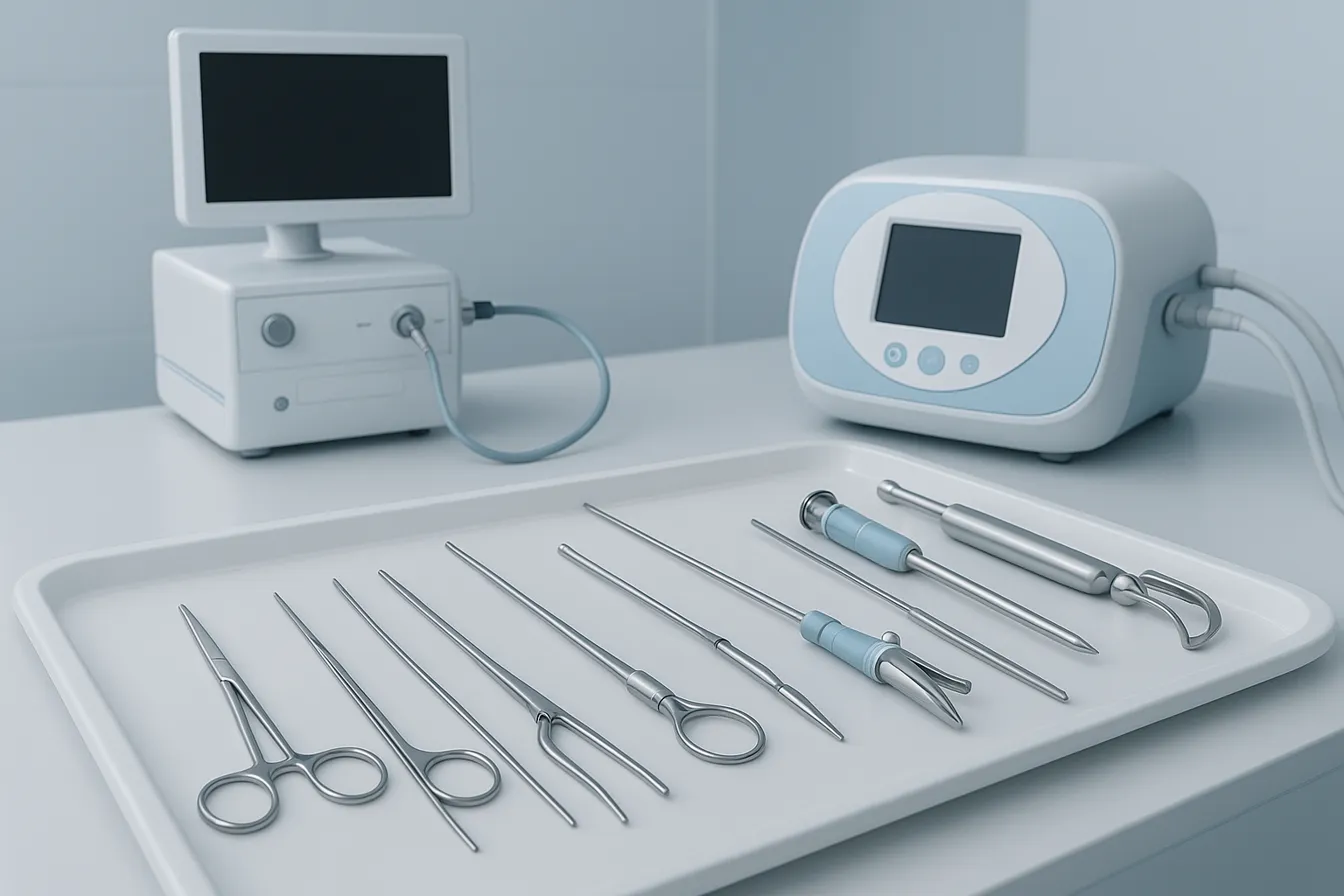
Minimally invasive gynecologic surgery (MIGS) uses specialized techniques such as hysteroscopic surgery, laparoscopic surgery, robotic-assisted procedures, and vaginal surgery. These approaches allow surgeons to operate with smaller incisions or through natural body openings, reducing trauma and speeding recovery.
Conditions commonly addressed with MIGS include:
Compared to traditional open surgery, MIGS offers several advantages:
These benefits contribute to better patient outcomes and enhanced quality of life for women undergoing treatment for benign gynecologic conditions.

A woman-led OB-GYN practice usually delivers a full spectrum of care addressing women's unique health needs. Common services include prenatal care and labor support to promote healthy pregnancies. They offer gynecologic exams and screenings to detect conditions like PCOS, uterine fibroids, endometriosis, and infections. Family planning and contraception counseling help women make informed reproductive choices. Menopause management and hormone replacement therapy support women through life transitions. Preventive care includes cervical and breast cancer screenings as well as STD testing. Many providers emphasize Minimally invasive gynecologic surgery, enhancing recovery and comfort during gynecologic surgeries.
Selecting a woman-led provider offers distinct advantages. Female doctors often provide a more empathetic, patient-centered approach, encouraging open dialogue on sensitive topics. This understanding fosters trust and emotional support, creating a comfortable environment tailored to women’s health concerns. These providers tend to focus on holistic, personalized care plans that respect each patient's lifestyle and preferences. The result is improved quality of care, better health outcomes, and a more supportive healthcare experience overall.
Choosing a woman-led OB-GYN practice ensures comprehensive, compassionate care that addresses the full spectrum of women's health needs with an emphasis on personalized support and innovative treatments.

Minimally invasive gynecologic surgery includes several advanced techniques designed to treat benign conditions with minimal trauma. These techniques comprise:
Newer therapies have expanded options beyond traditional surgeries. Notable advances include:
The benefits of these modern approaches are substantial:
Personalized care tailors treatment plans based on each woman's unique medical background, genetics, and lifestyle, leading to more successful outcomes. Enhanced diagnostics like detailed imaging and symptom tracking enable precise identification of conditions such as PCOS or endometriosis. Minimally invasive techniques adapted to individual needs reduce complications and recovery time, improving quality of life and patient satisfaction. Furthermore, involving women actively in decision-making fosters adherence and empowerment throughout their health journey.

Minimally invasive gynecologic surgery addresses several common benign conditions affecting women's health, including Endometriosis, Uterine Fibroids, Ovarian Cysts, pelvic pain, and abnormal bleeding.
Various Minimally invasive gynecologic surgery procedures are now available to treat these conditions effectively while minimizing discomfort and recovery time:
These approaches reduce hospital stays, decrease pain and blood loss, and facilitate quicker return to normal activities.
Care providers tailor treatment plans to each woman's unique health needs and lifestyle preferences. This personalized approach ensures optimal outcomes while preserving fertility and minimizing surgical impact whenever possible. Multidisciplinary collaboration and discussions about minimally invasive options empower patients to make informed choices aligned with their goals.
Women’s health care has advanced significantly with the emergence of specialized, woman-led practices. These clinics offer empathetic, personalized care focusing on the full spectrum of female health issues. Incorporating cutting-edge minimally invasive surgical options enhances diagnostic accuracy and treatment success while reducing recovery burdens. Woman-led environments encourage open dialogue, ensuring women receive comprehensive, holistic care that respects their preferences and improves satisfaction and overall well-being.
Patients visiting a woman-led healthcare facility for obstetrics and gynecology services can expect a warm, patient-centered atmosphere that prioritizes personalized care. The medical team, often led by experienced gynecologists, begins with a thorough evaluation including a detailed review of medical and menstrual history, current symptoms, and health goals.
A complete gynecologic exam typically includes pelvic examination and tailored screenings, such as Pap smears, ultrasound, or blood tests, depending on the patient's specific needs. Advanced diagnostic testing may also be discussed to further evaluate conditions like ovarian cysts, uterine fibroids, or endometriosis.
Diagnostic testing is customized based on the patient's symptoms and medical history. This can range from minimally invasive imaging such as hysteroscopy, or laparoscopy to less invasive office procedures. Treatment plans are carefully tailored to each individual, incorporating the latest minimally invasive surgical options like robotic or laparoscopic surgery when appropriate. This personalized approach seeks to minimize discomfort and promote quicker recovery.
Education is a fundamental aspect of care, with providers taking time to explain conditions, treatment choices, and expected outcomes. Emotional support is also central, ensuring patients feel heard and comfortable discussing sensitive concerns. Shared decision-making empowers women, enabling them to actively participate in planning their care with providers who respect their lifestyle and values.
This comprehensive and compassionate model nurtures trust and enhances overall health outcomes in women seeking minimally invasive gynecologic care.
Clinical research in Minimally invasive gynecologic surgery is actively progressing to improve patient care and develop new techniques. Institutions like Yale Medicine and Cleveland Clinic gynecologic surgery are at the forefront of such advancements, focusing on enhancing surgical safety, expanding minimally invasive options for complex conditions, and integrating new technologies such as magnetic resonance focused ultrasound for uterine fibroids and laparoscopic radiofrequency ablation for fibroids. This ongoing research aims to reduce recovery times, minimize pain, and offer alternatives to traditional open surgeries.
Fellowship programs in minimally invasive gynecologic surgery provide advanced and specialized training for surgeons, emphasizing complex benign gynecologic procedures. Leading hospitals such as Johns Hopkins, Cleveland Clinic gynecologic surgery, UConn Health, and UC San Diego MIGS Division offer rigorous fellowships that combine clinical experience with research and education. These programs train surgeons to master techniques like robotic gynecologic surgery, Hysteroscopy procedures, and Laparoscopy in gynecologic treatment, ensuring high-quality care and continued innovation.
Multidisciplinary collaboration is vital in advancing Minimally invasive gynecologic surgery. Facilities like OU Health and Cleveland Clinic gynecologic surgery bring together experts in colorectal surgery, urology, reproductive endocrinology, physical therapy, and interventional radiology. This team-based approach allows for comprehensive treatment plans that address complex patient needs, optimize surgical outcomes, and promote faster recovery. Collaboration also extends to research and education, promoting holistic and evidence-based care.
Minimally invasive gynecologic surgery, such as hysteroscopy, laparoscopy, robotic, and vaginal procedures, offers significant advantages for women’s health. These techniques cause less pain, involve smaller incisions, reduce blood loss and infection risk, shorten hospital stays, and enable faster recovery. Women treated with these methods often return quickly to daily activities with minimal discomfort and scarring.
A woman-centered approach to gynecologic care emphasizes personalized treatment plans tailored to individual needs and lifestyles. Experienced, woman-led gynecologic teams provide comprehensive options that respect patient preferences and support informed decision-making. Such care also addresses hormonal changes, menopause management, and complex benign conditions through minimally invasive solutions.
Women experiencing menstrual disorders, pelvic pain, fibroids, or other common gynecologic conditions are encouraged to seek consultation on minimally invasive options. Advanced surgical techniques provide effective relief with less trauma, empowering women to take charge of their reproductive health safely and comfortably. Early evaluation with skilled specialists ensures access to innovations optimizing outcomes and quality of life.

.png)
%201.png)
Compassionate care for every stage of womanhood. Visit one of our convenient locations or book your appointment online today.