Understanding Preconception Genetic Testing for a Healthier Pregnancy
The Importance of Preconception Genetic Testing
Understanding Preconception Genetic Testing for a Healthier Pregnancy
Follow us here:


Endometriosis affects roughly 10‑15 % of women of reproductive age, often causing chronic pelvic pain, dysmenorrhea, dyspareunia and and can impair work, relationships, and fertility. While surgery can remove implants, it does not guarantee lasting relief, may lead to adhesions, and carries anesthesia‑related risks; many patients experience symptom recurrence within years. A comprehensive non‑surgical strategy therefore becomes essential. The primary goals are to control pain through anti‑inflammatory medications (NSAIDs), hormonal modulation (combined oral contraceptives, progestin‑only therapies, GnRH agonists/antagonists, aromatase inhibitors) and neuromodulators, while stabilizing lesion activity without removing tissue. Equally important are fertility preservation and minimizing bone‑density loss, especially with long‑term estrogen suppression. Integrating lifestyle measures—anti‑inflammatory diet, regular low‑impact exercise, heat therapy, pelvic‑floor physical therapy, acupuncture, and cognitive‑behavioral or mindfulness‑based stress reduction—offers a patient‑centered, multidisciplinary approach that can improve quality of life and reduce reliance on surgery.

Non‑surgical pain control for endometriosis begins with NSAIDs, which inhibit prostaglandin synthesis and ease menstrual cramps. Naproxen’s longer half‑life makes it a preferred first‑line option (250–500 mg three times daily), while ibuprofen (400–600 mg every 6–8 hours) works well for milder pain. If OTC NSAIDs are insufficient, a physician may add prescription‑strength analgesics or a short course of low‑dose opioids for breakthrough pain.
Hormonal agents target the estrogen‑driven nature of endometriotic implants. Continuous combined oral contraceptives (COCs) and progestin‑only pills or IUDs suppress ovulation and thin lesions, offering pain relief for 60‑70 % of women. For refractory symptoms, GnRH agonists (e.g., leuprolide) or GnRH antagonists (e.g., elagolix) induce a temporary hypo‑estrogenic state, often producing the greatest symptom reduction but requiring bone‑density monitoring and add‑back therapy.
Step‑wise escalation moves from NSAIDs → hormonal suppression → GnRH therapy, balancing efficacy with side‑effects such as gastrointestinal irritation, hot flashes, or bone loss. Individualized plans consider symptom severity, fertility goals, and comorbidities, and may be complemented by heat, pelvic‑floor physical therapy, or TENS for immediate comfort.

Non‑surgical hormonal therapy is central to endometriosis pain control and can fit fertility plans. Combined oral contraceptives suppress ovulation and menstrual flow, shrinking implants and easing dysmenorrhea. Progestin‑only options—including the levonorgestrel IUD, depot medroxyprogesterone, or oral progestins—create a low‑estrogen environment while preserving conception after removal. GnRH agonists or antagonists induce menopause for relief; bone‑density loss requires add‑back therapy and monitoring. Aromatase inhibitors are reserved for severe cases and need bone‑health surveillance.
How to cure endometriosis permanently: Permanent cure has not been shown; only surgical excision removes disease. Hormonal treatments suppress lesions and pain but do not eliminate tissue, and symptoms usually return after stopping.
How to treat endometriosis naturally to get pregnant: Support natural fertility by eating an anti‑inflammatory Mediterranean diet rich in omega‑3s and antioxidants, doing regular low‑impact exercise, practicing yoga or meditation, getting 7‑9 h sleep, and tracking ovulation; see a fertility specialist if pregnancy does not occur after six months.
Healing endometriosis book: “Heal Endo” by Katie Edmonds offers evidence‑based diet, lifestyle, and treatment guidance for symptom relief and fertility support.

Pelvic‑floor physical therapy and myofascial release are cornerstone non‑surgical options; a trained therapist uses internal and external techniques to relax tight muscles, improve posture, and reduce scar‑tissue tension that amplifies endometriosis pain. Transcutaneous Electrical Nerve Stimulation (TENS) and neuromuscular electrical stimulation (NMES) deliver low‑level currents through skin electrodes, interrupting pain signals and promoting endorphin release. Heat therapy—whether a hot‑water bottle, heating pad, or warm bath relaxes pelvic muscles, increases blood flow, and provides rapid relief during flare‑ups or menstrual cramps. Many patients assemble an at‑home “flare‑care kit” that includes NSAIDs such as ibuprofen and naproxen taken with food, a heat source, a TENS unit, gentle yoga or walking instructions, and a short guide to self‑massage with a foam roller.
How to relieve endometriosis pain at home? Use heat for 15‑20 minutes, take NSAIDs, engage in low‑impact exercise, and apply self‑massage.
How to relieve pain during period? Combine NSAIDs, hormonal suppression, localized heat, and pelvic massage.
How to manage pain without surgery? Start with NSAIDs, add hormonal therapy if needed, and incorporate exercise, heat, diet, and acupuncture.
Does a hot water bottle help? Yes—gentle heat relaxes muscles and eases cramping, offering safe, drug‑free relief.

Anti‑inflammatory Mediterranean and low‑FODMAP diets – Emphasize fresh vegetables, fruits, whole‑grain breads, olive oil, nuts, and fish while limiting red meat, processed foods, and high‑FODMAP triggers. This pattern reduces systemic inflammation and eases pelvic pain.
Omega‑3 fatty acids, turmeric, curcumin, and other supplements – Fatty fish, walnuts, chia, and flaxseed provide EPA/DHA that blunt prostaglandin‑mediated cramping. Curcumin (from turmeric) and vitamin B6 have modest anti‑inflammatory and hormonal‑balancing effects; they should be taken under clinician guidance.
Low‑estrogen, high‑fiber foods to aid estrogen clearance – Fiber‑rich legumes, beans, whole grains, and cruciferous vegetables help bind estrogen in the gut and promote excretion, potentially limiting lesion growth.
Weight management, sleep hygiene, and stress‑reduction techniques – Maintaining a healthy BMI, aiming for 7‑9 hours of sleep, and practicing yoga, mindfulness, or deep‑breathing lower cortisol, improve mood, and lessen central sensitization.
Endometriosis natural cure stories – Many women report dramatic relief after comprehensive lifestyle changes, but these are anecdotal and not scientific cures; professional evaluation remains essential.
Can endometriosis be reversed naturally? – Natural approaches can lower inflammation and pain, yet they do not eliminate existing lesions; they complement, but do not replace, hormonal or surgical therapy.
Foods to help with endometriosis pain – Leafy greens, colorful vegetables, berries, fatty fish, and omega‑3‑rich nuts reduce inflammatory pathways; high‑fiber grains aid estrogen clearance.
What shrinks endometriosis naturally? – Low‑estrogen, high‑fiber, anti‑inflammatory diets combined with regular moderate exercise may slow lesion growth and improve symptoms.
Natural remedies for endometriosis bleeding – Vitex, vitamin B6, omega‑3s, and curcumin can help balance hormones and lessen heavy flow, but should be used with medical supervision.
How I cured my endometriosis without surgery – By adopting an anti‑inflammatory plant‑rich diet, omega‑3 and turmeric supplementation, pelvic‑floor physical therapy, low‑dose progesterone, and daily stress‑reduction practices, I achieved dramatic pain reduction and menstrual regularity, though ongoing maintenance is required.

Acupuncture has a growing evidence base for endometriosis pain. Randomized trials show a significant reduction in chronic pelvic pain after 10‑12 sessions, likely via modulation of endogenous opioids and autonomic regulation. Acupuncture (10 therapeutic sessions) effectively decreased pain (p<0.0001) and enhanced quality of life versus sham acupuncture. Cognitive‑behavioral therapy (CBT) and mindfulness‑based stress reduction target central sensitization; they reshape pain‑related thoughts, lower cortisol, and improve quality of life. Cognitive‑behavioral therapy (CBT) and mindfulness‑based stress reduction have shown modest benefits in pain perception and quality of life for women with endometriosis. Low‑impact movement practices such as yoga, Pilates, and gentle aerobic exercise increase endorphin release, improve pelvic floor flexibility, and have been shown in randomized studies to cut pain scores by 30‑40 % after 8‑week programs. Yoga (2‑hour sessions twice weekly for 8 weeks) reduced chronic pelvic pain (p=0.0046) and improved quality of life.
Our clinic’s holistic endometriosis specialist blends OB/GYN expertise with integrative therapies—personalized nutrition, targeted pelvic‑floor physical therapy, acupuncture, and botanical supplements—to reduce inflammation, balance hormones, and alleviate pain without relying solely on medication or surgery. The specialist collaborates with dietitians, mental‑health counselors, and pain‑management therapists to craft a patient‑centered roadmap.
Holistic endometriosis specialist near me: A woman‑led obstetrics and gynecology practice in Queens, NY offers personalized, integrated non‑surgical care for endometriosis pain. Schedule a consultation for a tailored, compassionate plan.
What helps endometriosis pain Reddit: Users frequently cite heat packs, acupuncture, and prescription hormonal therapy as effective relief.
Healing endometriosis book: Heal Endo: An Anti‑Inflammatory Approach to Healing from Endometriosis by Katie Edmonds is a top recommendation, offering science‑backed diet, lifestyle, and treatment strategies.

A comprehensive, non‑surgical work‑up for endometriosis begins with a detailed symptom and risk‑factor history, noting the timing, severity, and character of pelvic pain, dysmenorrhea, dyspareunia, and any infertility concerns. High‑resolution transvaginal ultrasound, performed by an experienced sonographer, can identify ovarian endometriomas and, when combined with dedicated pelvic MRI protocols, maps deep infiltrating lesions with high sensitivity. Emerging serum and endometrial biomarkers—elevated CA‑125, VEGF, BCL‑6, and specific microRNAs such as miR‑125, miR‑342, and miR‑451—add diagnostic clues but are not yet definitive. Integrating imaging findings with biomarker profiles improves early detection and guides treatment decisions without immediate laparoscopy.
Non surgical endometriosis diagnosis: Relies on symptom assessment, advanced imaging, and biomarker panels; definitive confirmation still requires laparoscopy.
How to diagnose endometriosis without surgery: Use thorough history, transvaginal ultrasound, MRI if needed, and CA‑125 testing to stage disease and start empiric therapy.
Best NSAID for endometriosis pain: Naproxen 250–500 mg three times daily is preferred for its longer half‑life; ibuprofen 400–600 mg every 6–8 hours is an alternative for milder pain.
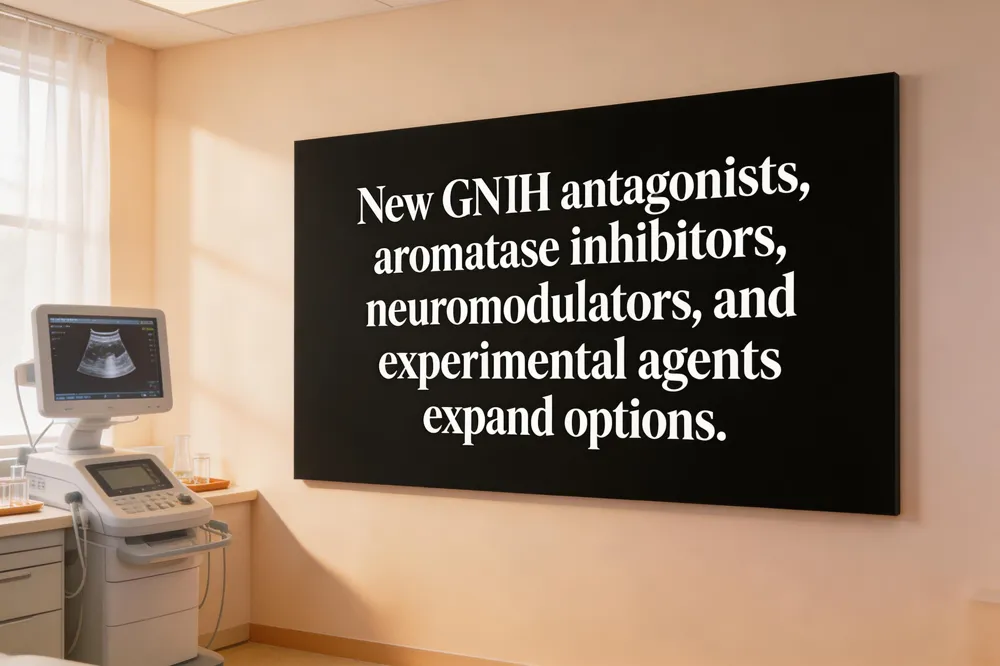
Emerging therapies aim to expand options beyond hormones and surgery. GnRH antagonists such as elagolix suppress ovarian estrogen quickly without the flare seen with agonists, allowing control and a better bone‑safety profile; GnRH agonists (e.g., leuprolide) still induce a menopause‑like state but need therapy to protect bone. Aromatase inhibitors (letrozole, anastrozole) are used off‑label to lower peripheral estrogen in refractory cases, though bone monitoring is essential. Neuromodulators—tricyclic antidepressants and gabapentinoids address central sensitization, and a dopamine‑agonist cabergoline is being tested in the NOTE Expansion trial for pain reduction without changing estrogen. Selective progesterone receptor modulators (SPRMs) and anti‑angiogenic agents show promise but remain experimental.
How to cure endometriosis permanently: No medication or lifestyle change permanently removes disease; surgical excision is the only definitive cure, while hormonal regimens control symptoms.
Best medicine for endometriosis: Hormonal suppressors—combined oral contraceptives, progestin‑only pills, and GnRH analogues (agonists or antagonists)—with NSAIDs for breakthrough pain. Choice depends on severity, side‑effects, and fertility goals.
Managing endometriosis pain without surgery relies on a multimodal toolbox that blends medication, lifestyle, and complementary therapies. First‑line NSAIDs such as ibuprofen or naproxen lessen inflammatory cramping, while hormonal options—including combined oral contraceptives, progestin‑only pills, levonorgestrel IUDs, and GnRH agonists or antagonists—suppress estrogen‑driven lesion activity. For those who cannot use hormones, aromatase inhibitors, neuromodulators (e.g., amitriptyline, gabapentin), and targeted physical therapy address inflammation and central sensitization. Pelvic‑floor physical therapy, yoga, low‑impact aerobic exercise, and heat application improve muscle tone and blood flow. Complementary modalities—acupuncture, mindfulness‑based stress reduction, cognitive‑behavioral therapy, and dietary adjustments rich in omega‑3s and low‑FODMAP foods—further reduce pain perception and improve quality of life. Because symptom patterns and reproductive goals differ, each patient receives an individualized plan with regular follow‑up, bone‑density monitoring when needed, and shared decision‑making. To explore a compassionate, woman‑led approach in Queens, schedule a consultation today and start a personalized journey toward lasting relief.

.png)
%201.png)
Compassionate care for every stage of womanhood. Visit one of our convenient locations or book your appointment online today.