
A Clear Guide to Pap and HPV Screening
Understanding Pap Tests and Cervical Cancer Screening
A Clear Guide to Pap and HPV Screening
Follow us here:


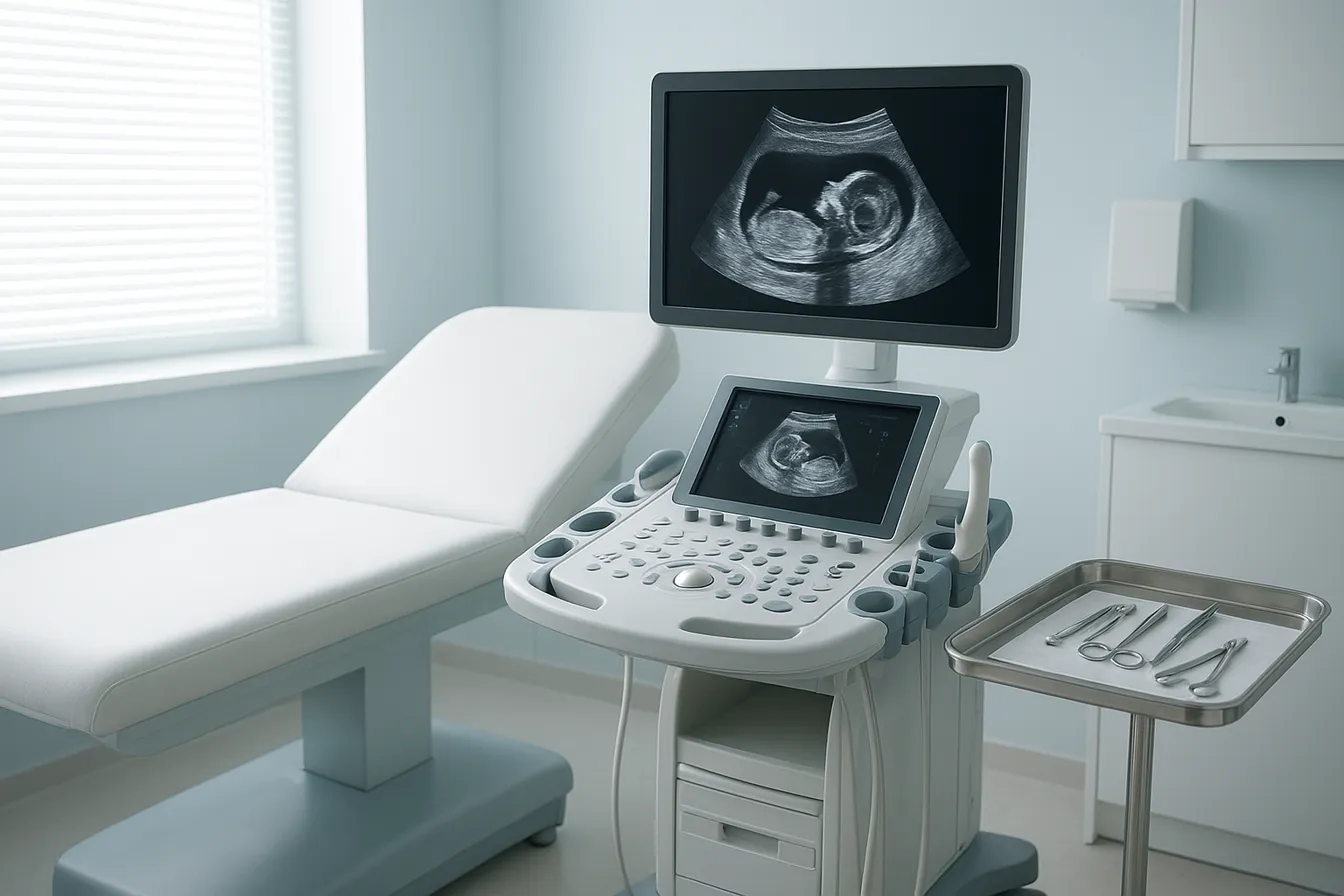
Infertility affects a significant portion of the population, with approximately 1 in 8 couples (about 12%-15%) in the United States experiencing difficulty conceiving. Among women aged 15-44, around 10% struggle with infertility issues, revealing that this condition is fairly common.
Infertility is medically defined as the inability to conceive after one year of regular, unprotected intercourse for women under 35, or six months for women 35 and older. Causes are diverse, impacting both partners: about one-third of cases relate to female factors such as polycystic ovary syndrome (PCOS), ovulatory disorders, and structural issues; one-third relate to male factors, including sperm quality problems; and the remaining cases may be unexplained or due to both partners.
To diagnose infertility, women commonly undergo blood hormone tests (including AMH, FSH, estradiol), ultrasounds to check ovaries and uterus, and specialized imaging to evaluate fallopian tubes. Men typically receive semen analyses and hormone testing to assess sperm health. These evaluations guide tailored treatment plans.
The struggle with infertility can cause profound emotional stress that is often compared to serious illnesses. Feelings of sadness, frustration, and isolation are common. Support from counseling, therapy, support groups, and strong social networks plays a crucial role in helping individuals and couples cope with the emotional toll of fertility challenges.

Polycystic Ovary Syndrome (PCOS) affects about 10% of women and is a common cause of infertility. Women with PCOS often encounter a delayed PCOS diagnosis because they may see multiple healthcare providers before their symptoms are correctly understood. This delay can arise from the overlapping symptoms and complexity of the syndrome. Hormonal imbalances in PCOS lead to anovulation, meaning ovulation is irregular or absent. This irregularity makes conception difficult since predictable ovulation is essential for timed intercourse or fertility treatments.
Patients diagnosed with PCOS typically begin with lifestyle changes for PCOS management and dietary changes to improve hormonal health and alleviate symptoms. When conception does not occur naturally, fertility treatments come into play. These include medicated ovulation induction cycles and intrauterine insemination (IUI). If these options are unsuccessful, fertility treatments for PCOS such as in vitro fertilization (IVF) are often recommended. IVF can involve transferring either one or two embryos back into the uterus to increase pregnancy chances.
Transferring two embryos, known as double embryo transfer in IVF, can elevate the likelihood of pregnancy but also increases the chance of twin pregnancies and IVF. Twin pregnancies carry higher risks such as preterm birth and low birth weight, prompting many clinics to advocate for elective single embryo transfer benefits to ensure a safer pregnancy. However, some women, like Megan, embrace the possibility of twins as part of their life journey and make informed choices balancing risks and hopes for multiples.

Joanna noticed irregularities in her menstrual cycle, a common early indicator of potential Joanna's infertility journey. Irregular cycles often prompt medical evaluation to determine underlying causes of infertility.
The Clomid challenge test results assessed Joanna's ovarian reserve and response to fertility medication. This test revealed significant fertility challenges, which guided her healthcare providers to tailor appropriate treatments.
Initially, Joanna underwent IUI Treatments and Fertility Shots combined with fertility shots to improve her chances of conception. After several unsuccessful IUI attempts, her care team recommended In Vitro Fertilization (IVF), which involves egg retrieval, fertilization, and embryo transfer.
Beyond medical interventions, Joanna received holistic care including Stress Management in Fertility Treatment and social support, which helped her and her partner cope emotionally through the demanding infertility treatment journey.
Following IVF treatments, Joanna successfully conceived and gave birth to a healthy baby boy, Luke. Their story highlights how Successful Pregnancy and Birth of Luke combines advanced medical treatments with emotional support to overcome significant reproductive obstacles.

Understanding unexplained infertility is diagnosed when a couple encounters difficulty conceiving despite normal reproductive evaluations. This includes having regular menstrual cycles, at least one open fallopian tube, and normal semen analysis. Couples who have been trying to conceive without success for 12 months (or 6 months if the woman is over 35) fall into this category when no clear cause is found through standard testing.
The first line of treatment often involves ovulation induction combined with Intrauterine insemination (IUI). This approach can increase pregnancy rates moderately. If conception does not occur after several IUI cycles, fertility specialists typically recommend moving to In Vitro Fertilization (IVF). IVF offers higher success rates and can be enhanced with genetic screening methods like Preimplantation genetic screening (PGS). PGS helps identify chromosomal abnormalities, improving chances of implanting healthy embryos and reducing miscarriage risks.
The emotional impact of infertility diagnosis and treatment can be as profound as that of life-threatening illnesses. Patients frequently face stress, anxiety, and feelings of isolation. Comprehensive care for unexplained infertility includes access to mental health professionals, support groups, and counseling services. These resources help couples manage emotional challenges and navigate the complexities of the fertility journey with resilience and hope.

Many patients highlight that Compassionate Care at SCCRM and a supportive, professional staff play a crucial role in creating Positive Fertility Treatment Experiences. Clear communication throughout the process helps patients understand their options and feel more in control. Emotional support from the healthcare team and the surrounding community also significantly eases the emotional burden, fostering hope and resilience.
Advanced fertility centers offer a comprehensive range of procedures tailored to patient needs. These frequently include Egg Harvesting Procedure, Intrauterine Insemination (IUI), and In Vitro Fertilization (IVF). Surgical interventions such as cyst or scar tissue removal may be necessary for certain conditions like Endometriosis and Pelvic Pain. Additionally, genetic counseling, fertility preservation options, and cutting-edge reproductive technologies are widely available to optimize treatment success.
Infertility can cause profound emotional stress, including grief, anxiety, and isolation. Recognizing this, many fertility centers integrate psychological counseling, support groups, and peer networks into care plans. These resources promote mental well-being, help patients process challenges, and create a sense of community. This holistic approach addresses both the physical and emotional aspects of the fertility journey, improving overall patient outcomes.
Lifestyle choices have significant effects on fertility outcomes. Maintaining a balanced diet, engaging in regular exercise, managing stress effectively, and avoiding harmful substances such as tobacco, excessive caffeine, and alcohol support reproductive health. Sleep hygiene and avoiding environmental toxins further enhance fertility potential. Alongside lifestyle, understanding the menstrual cycle and conception is essential for conception. Ovulation typically occurs about 14 days before the next period, with eggs viable for 12 to 24 hours and sperm capable of surviving up to 5 days in the reproductive tract. Couples are advised to have intercourse every other day around ovulation to optimize the chances of pregnancy.
Endometriosis and Polycystic Ovary Syndrome (PCOS) and fertility are common conditions that complicate fertility. Endometriosis involves the presence of uterine tissue outside the uterus, causing severe pelvic pain, adhesions, and scarring, which can impair fertility. Diagnosis may involve surgery, and management often includes surgical removal of lesions and assisted reproductive technologies like IVF. PCOS affects 10 to 15 percent of women and is characterized by hormonal imbalances in PCOS and anovulation, making regular ovulation unpredictable and conception difficult. Women with PCOS often undergo fertility treatments such as ovulation induction, IUI, or IVF.
Fertility treatment journeys are physically demanding and emotionally taxing. Patients may experience discomfort from procedures like injections, egg retrieval, or surgeries. Treatments carry risks such as ovarian hyperstimulation syndrome and complications from multiple pregnancies when transferring more than one embryo. Emotionally, infertility can cause feelings of grief, anxiety, frustration, and isolation. Holistic support including counseling, social support groups, and stress management strategies are vital components of care during treatment, as highlighted in Compassionate Care at SCCRM.
Guidelines recommend that women under 35 seek medical evaluation if conception has not occurred after one year of regular, unprotected intercourse. For women aged 35 or older, this timeline shortens to six months due to the natural decline in fertility associated with age. Immediate consultation is advised for women over 40 or those with known conditions affecting fertility, such as PCOS prevalence in women or endometriosis. Early evaluation and intervention can improve outcomes and tailor treatment plans effectively.
| Topic | Summary | Details |
|---|---|---|
| Lifestyle & Fertility | Healthy habits support reproductive health | Balanced diet, exercise, stress reduction, avoid toxins |
| Timing & Menstrual Cycle | Understanding ovulation guides intercourse timing | Ovulation ~14 days pre-period; advise intercourse every 2 days |
| Endometriosis | Causes pain, adhesions, needs surgical evaluation | Impairs fertility, managed by surgery and assisted tech |
| PCOS | Hormonal imbalance causing irregular ovulation | Treatment includes ovulation drugs, IUI, IVF |
| Medical Evaluation Timing | Seek help after 1 year (<35), 6 months (>35) | Immediate for 40+ or with fertility-impairing conditions |
Infertility affects roughly one in eight couples in the United States, involving complex medical and emotional challenges. Diagnosing infertility encompasses thorough evaluations for both partners, including hormonal testing, imaging, and semen analysis. Treatments vary widely—from ovulation induction and intrauterine insemination (IUI) to in vitro fertilization (IVF) and even genetic screening—to address underlying causes like PCOS, endometriosis, or unexplained infertility.
The journey through infertility is deeply personal and often emotionally taxing. Compassionate, individualized medical care plays a crucial role in supporting patients through testing, treatment, and uncertainty. Fertility centers prioritize clear communication and emotional support, creating nurturing environments that honor each patient's unique needs.
Support networks, including therapy, support groups, and family, help patients cope with feelings of loss and stress inherent in infertility. Recognizing the diverse paths to parenthood—such as fertility treatments, third-party reproduction, or adoption—offers hope and resilience to those affected.
Infertility’s complexity requires ongoing research and advances in medical protocols. Innovations such as preimplantation genetic screening and minimally invasive diagnostics improve success rates while preserving patients’ well-being. Acknowledging both the scientific progress and emotional journey empowers individuals to pursue parenthood with informed optimism.

.png)
%201.png)
Compassionate care for every stage of womanhood. Visit one of our convenient locations or book your appointment online today.