When Menopause Starts Affecting Everyday Life
When Menopause Symptoms Disrupt Your Daily Life
When Menopause Starts Affecting Everyday Life
Follow us here:



Infertility touches roughly one in eight couples in the United States, affecting about 12 % of reproductive‑age individuals and creating profound emotional, financial, and relational stress. Compassionate, woman‑led practices—such as Raveco Medical and Compassion FertilityCare—demonstrate that personalized, empathetic communication improves treatment adherence, reduces anxiety, and empowers patients throughout the journey. In Queens, New York, a dense concentration of specialist centers—including Win Fertility, CNY Fertility, and RADfertility—offers cutting‑edge technologies like IVF, IUI, microTESE, and genetic screening, all backed by robust counseling and financial assistance programs. This unique blend of expertise, cultural competence, and community support makes Queens a national hub for advanced, patient‑centered reproductive care. These clinics also prioritize language services and flexible scheduling for family needs.
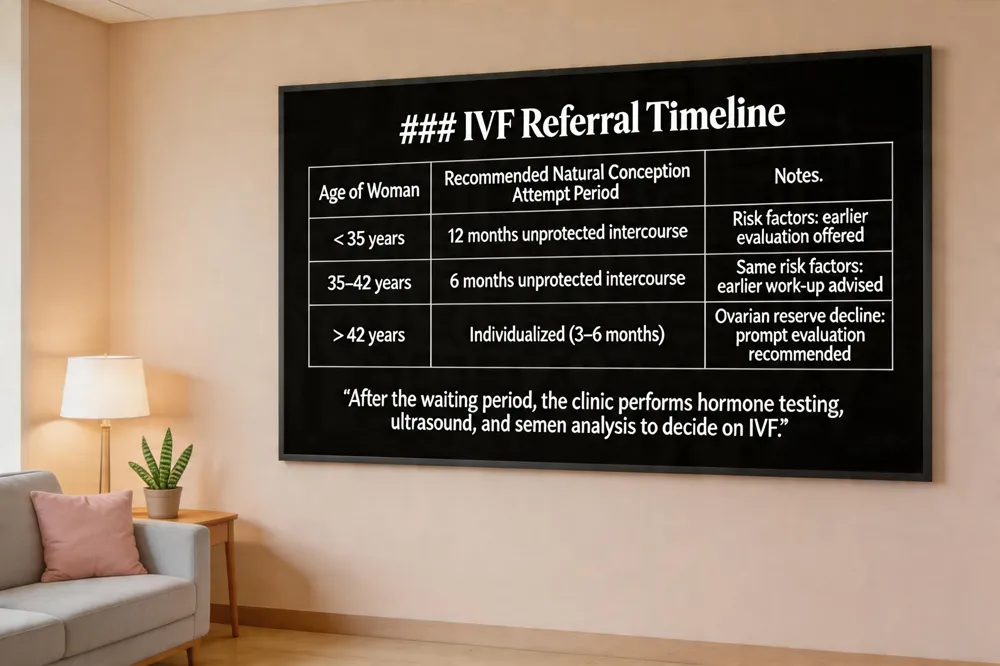 Answering the key question: How long should a couple try to conceive before considering IVF at the Queens women's health clinic? Most fertility specialists advise couples to try naturally for about 12 months before moving to IVF when the woman is under 35 years old. If the woman is 35 or older, the recommended waiting period shortens to roughly 6 months of unprotected intercourse. The Queens women’s health clinic follows these guidelines but will also consider earlier evaluation if there are known risk factors such as tubal blockage, severe endometriosis, or low ovarian reserve. After the appropriate waiting period, the clinic conducts a comprehensive work‑up—including hormone testing, ultrasound, and semen analysis—to determine whether IVF is the best next step. Starting IVF promptly after this assessment can improve the chances of a successful pregnancy while ensuring any underlying issues are addressed.
Does the Queens clinic offer a compassionate care discount for fertility medications?
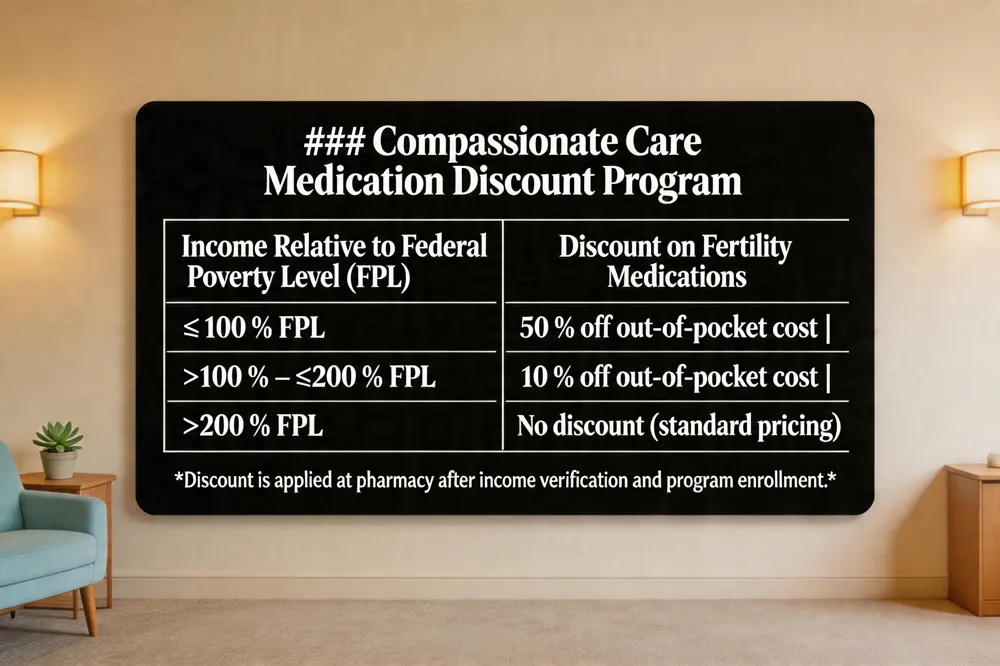
Yes. The clinic participates in a Compassionate Care Program that provides income‑based discounts on FDA‑approved fertility drugs, such as those supplied by EMD Serono. Eligible patients receive a 10 %‑to‑50 % reduction off out‑of‑pocket medication costs. The discount is applied at the pharmacy level after income verification and program enrollment.
What are the income limits for the Compassionate Care fertility discount?
The program follows the federal poverty guidelines. Households at or below 100 % of the federal poverty level (FPL) may qualify for a 50 % discount, while incomes between 100 % and 200 % of the FPL receive a 10 % discount. Exact dollar thresholds are updated annually, and eligibility is confirmed during the clinic’s intake process.
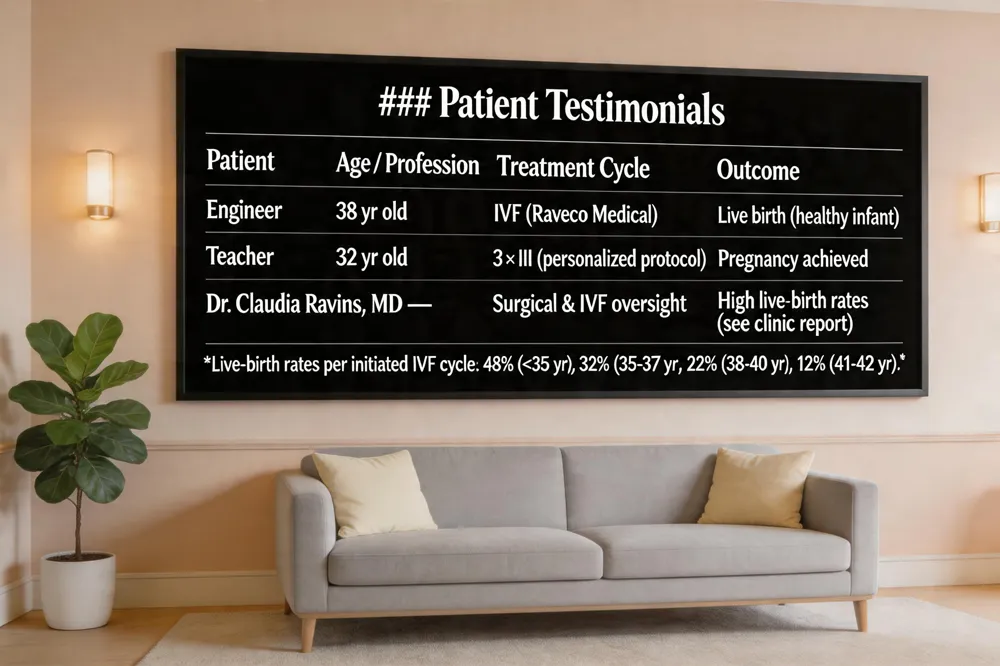 Patient testimonials from Queens illustrate the tangible impact of compassionate, woman‑led fertility care. A 38‑year‑old engineer shared how the team at Raveco Medical guided her through a successful IVF cycle that resulted in a healthy live birth, while a 32‑year‑old teacher described achieving pregnancy after three intrauterine insemination (IUI) attempts under the clinic’s personalized protocol. These stories are highlighted on the practice’s website, newsletter, and Yelp page, reinforcing the message that infertility is common and treatable when couples receive empathetic, evidence‑based support.
Dr. Claudia Ravins, MD plays a pivotal role in both surgical and IVF successes at the Queens health clinic. As a board‑certified OB/GYN with extensive experience in minimally invasive laparoscopy, she has diagnosed and treated conditions such as uterine polyps and tubal blockages, enabling natural conception for many patients. Dr. Ravins also oversees the IVF program, coordinating egg retrieval, embryo culture, and transfer while ensuring clear communication and emotional counseling throughout the process.
According to the clinic’s latest annual report, live‑birth rates per initiated IVF cycle are approximately 48 % for women under 35, 32 % for ages 35‑37, 22 % for ages 38‑40, and 12 % for ages 41‑42. These figures reflect all cycles performed and underscore the importance of individualized care plans, high‑quality embryology, and supportive services that together improve outcomes for Queens residents seeking to build their families.
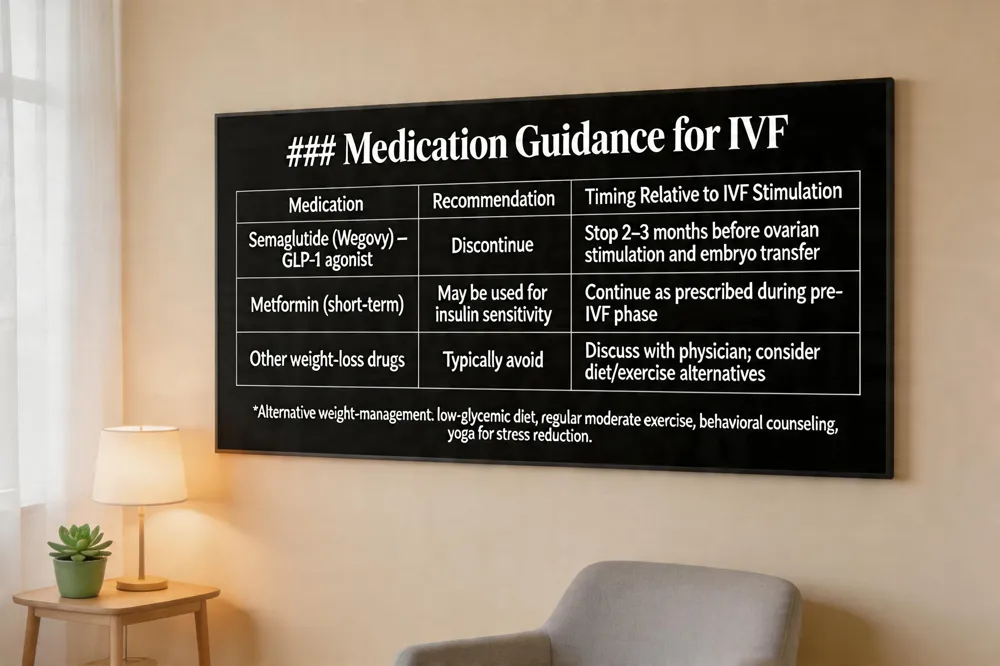 GLP‑1 receptor agonists such as semaglutide (Wegovy) help with weight loss, but guidelines advise stopping them before IVF because animal data suggest fetal risk and human safety data are limited. Discontinue at least 2–3 months before ovarian stimulation and embryo transfer. Use alternative weight‑management methods: a low‑glycemic diet, regular moderate exercise, behavioral counseling, or short‑term metformin for insulin sensitivity. A 2‑3 month window lets the drug clear and lowers embryonic exposure; counseling and stress‑reduction techniques such as yoga can support fertility.
Q: Can I continue taking Wegovy (semaglutide) while undergoing IVF at the Queens clinic?
A: No. Stop Wegovy at least 2–3 months before stimulation, taper with your doctor, and rely on diet, exercise, or metformin until pregnancy.
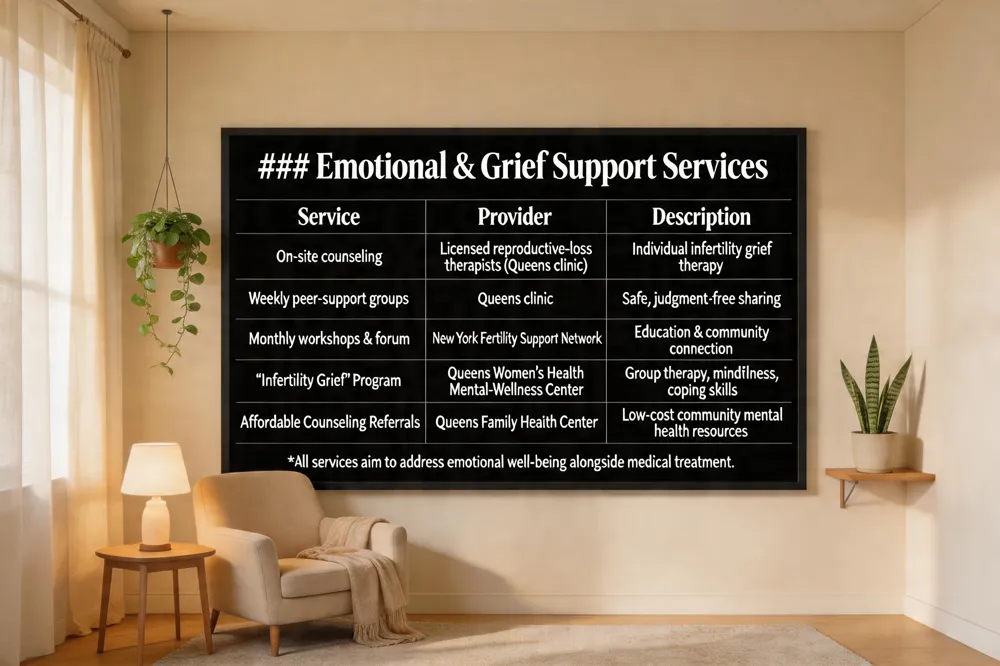 Queens offers a robust network of services to help individuals and couples navigate the deep grief that can accompany infertility. At our clinic we provide on‑site counseling with licensed therapists who specialize in reproductive loss, and we host weekly peer‑support groups where patients share experiences in a safe, judgment‑free environment. The New York Fertility Support Network runs monthly workshops and an online forum that connect Queens residents with others facing similar challenges. The Queens Women’s Health Mental‑Wellness Center offers a dedicated “Infertility Grief” program, featuring group therapy, mindfulness sessions, and coping‑skill workshops. Additionally, community health centers such as the Queens Family Health Center can refer patients to affordable counseling and support groups focused on reproductive‑health grief.
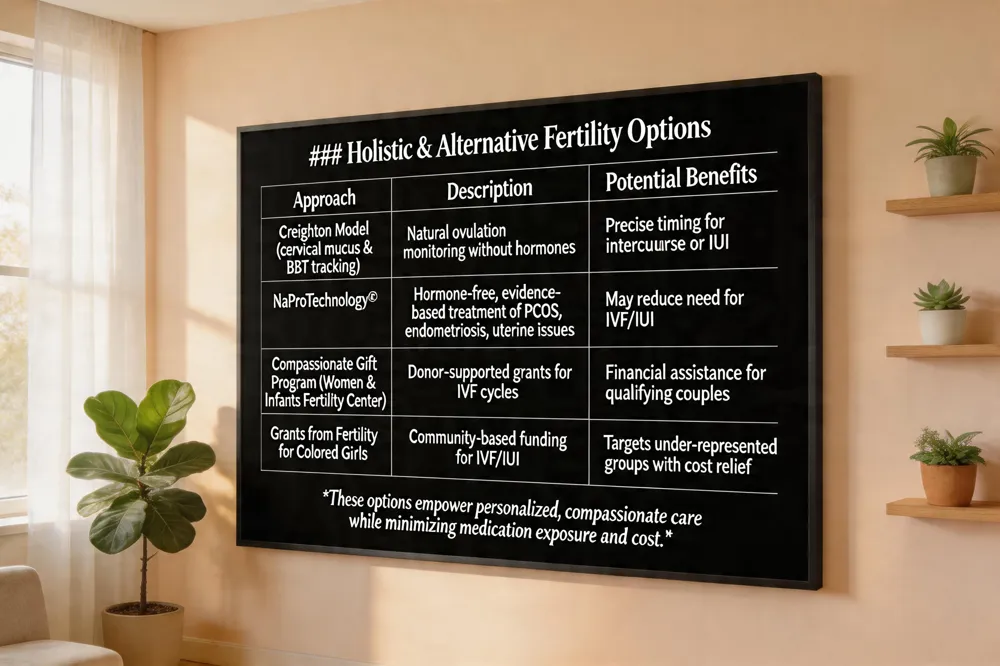 Queens’ diverse population benefits from natural‑fertility monitoring through the Creighton Model, a standardized method that tracks cervical mucus and basal body temperature to pinpoint ovulation without hormonal drugs. When underlying issues are identified, NaProTechnology® offers a hormone‑free, evidence‑based protocol that treats conditions such as polycystic ovary syndrome, endometriosis, and uterine abnormalities, often reducing the need for IVF or IUI. Financial barriers are eased by programs like the Compassionate Gift Program at Women & Infants Fertility Center, which provides donor‑supported grants for IVF cycles, and community grants such as those offered by Fertility for Colored Girls. These resources empower couples to pursue personalized, compassionate care while minimizing cost and medication exposure.
Compassionate, woman‑led care changes the infertility experience by placing the couple’s emotional and physical needs at the center of every decision. When providers listen, explain options clearly, and integrate mental‑health support, patients feel heard, less isolated, and more motivated to continue treatment. In Queens, a network of clinics such as Raveco Medical, Win Fertility, and Compassion Fertility Care offers personalized protocols, financial counseling, and community resources that reflect this patient‑first philosophy. Whether you are confronting male‑factor issues, unexplained infertility, or conditions like PCOS, seeking a provider who prioritizes empathy and individualized treatment can shorten the journey toward pregnancy and improve outcomes. The stories of the Hewitts, Joanna and Dreux, and many others demonstrate that hope is real, and with the right support a new family can blossom soon and thrive together for the next generation with confidence.

.png)
%201.png)
Compassionate care for every stage of womanhood. Visit one of our convenient locations or book your appointment online today.