
A Practical Guide to Healing After Birth
Postpartum Recovery: When to Call Your OB/GYN
A Practical Guide to Healing After Birth
Follow us here:


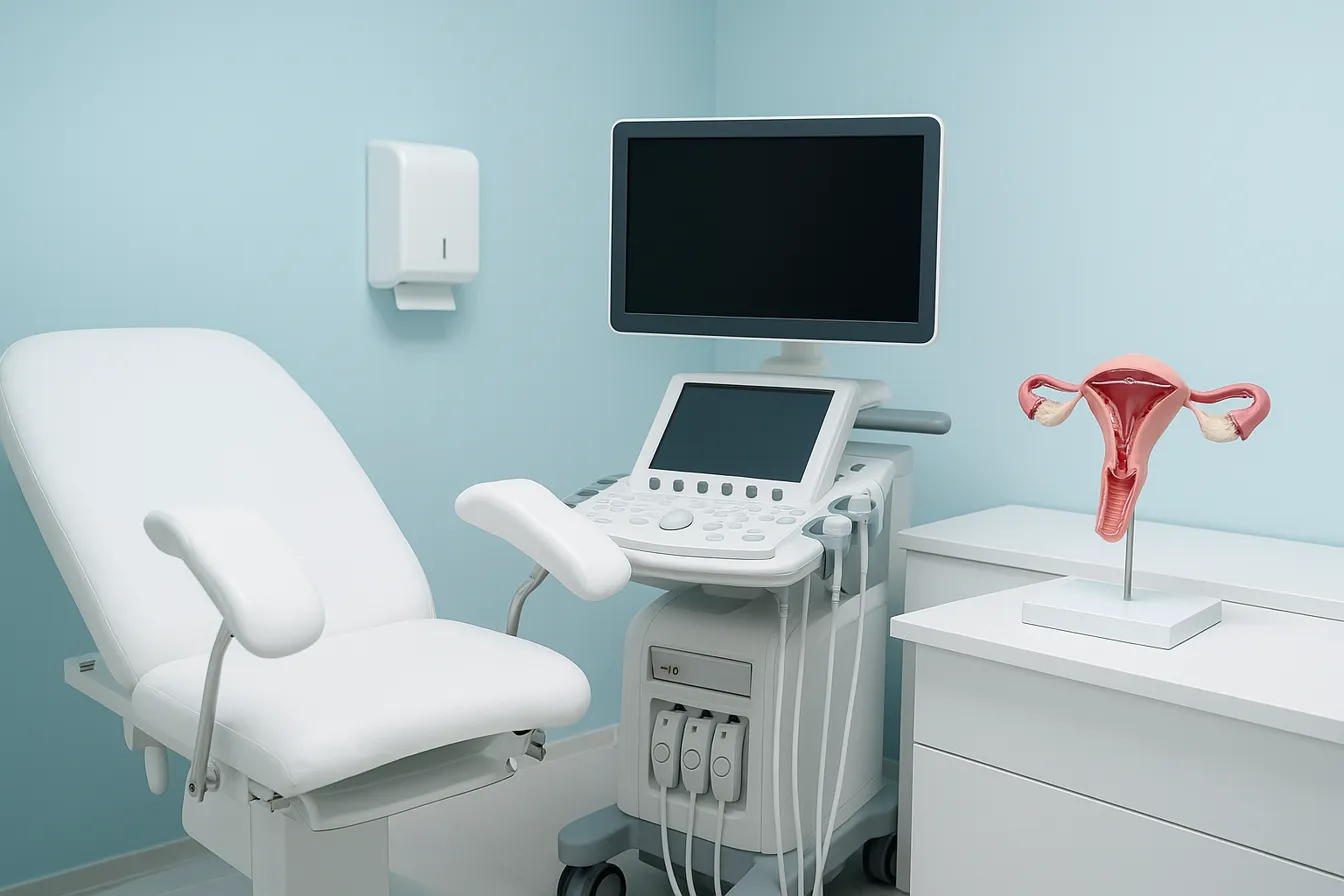
Infertility is medically defined as the inability to conceive after 12 months of regular, unprotected intercourse. For women aged 35 and older, this timeframe is shortened to 6 months due to the natural decline in fertility associated with aging.
Infertility affects approximately 12% to 15% of reproductive-age couples in the United States. Around 6.1 million women experience challenges in conceiving or carrying a pregnancy to term each year, highlighting the widespread nature of this condition.
Early evaluation is essential to identify underlying causes such as ovulatory dysfunction, tubal disease, endometriosis, and male factor infertility. Prompt diagnosis allows for more effective treatment, improving pregnancy chances and helping couples make informed decisions about family planning.
Understanding these guidelines helps women and couples receive timely care tailored to their reproductive needs, maximizing the potential for successful conception.

Women may experience irregular or absent menstrual cycles, painful or heavy periods, and pelvic pain, which can signal reproductive health problems like ovulatory dysfunction, endometriosis, or uterine fibroids. Hormonal imbalances are also common and may manifest as weight changes, acne, hair loss, mood swings, or hot flashes.
Men often show symptoms such as erectile dysfunction, low libido, and discomfort or swelling in the testicles. Semen abnormalities, including low sperm count, poor motility, or abnormal morphology, are critical signs diagnosed via semen analysis.
Smoking, obesity, excessive alcohol consumption, and drug use adversely affect fertility in both genders. These factors can disrupt hormonal balance, reduce sperm quality, and impair ovulation.
Women under 35 who have not conceived after 12 months of regular, unprotected sex, or earlier if symptoms like irregular cycles or pelvic pain occur, should seek evaluation. Women aged 35 or older should consider an evaluation after six months of trying or immediately if they experience significant fertility risk factors. Men experiencing erectile dysfunction or other fertility symptoms should also consult a healthcare provider early. See When to see a fertility specialist, and When to talk to your doctor about infertility.
Early identification and management of infertility signs allow for personalized treatment plans, enhancing the chances of successful conception and healthier reproductive outcomes.

Female fertility naturally declines with age, especially after 35 years. This decline involves a reduction in both the quantity and quality of eggs, which impacts a woman's ability to conceive naturally. As egg quality diminishes, the risk of miscarriage and pregnancy complications increases, making timely evaluation and intervention crucial for women in their late 30s and beyond (Diagnosis and management of infertility, Impact of female age on fertility).
Delays in fertility assessment can lead to decreased chances of natural conception. For women over 35, the monthly probability of pregnancy drops significantly, reaching less than 10% by age 40. Additionally, prolonged delays can contribute to missed opportunities for early diagnosis of treatable conditions such as ovulatory dysfunction, tubal abnormalities, or endometriosis, ultimately reducing the effectiveness of interventions (Early fertility evaluation guidelines, Common causes of infertility, Fallopian tube damage causes).
Early fertility evaluation allows for timely identification of the causes affecting fertility, enabling more effective and tailored treatments. For women over 35, early interventions like ovulation induction, lifestyle optimization, or assisted reproductive technologies (ART) such as in vitro fertilization (IVF) can significantly improve the likelihood of conception. In this way, early evaluation not only enhances the chances of successful pregnancy but also reduces emotional and financial burdens on couples (Importance of early infertility diagnosis, Ovulation induction treatment, Role of IVF in infertility treatment, Shared decision-making in fertility treatment.
Infertility evaluation begins with a thorough review of medical, gynecological, reproductive, and lifestyle history. This helps identify risk factors such as previous pelvic infections, surgeries, or chronic conditions that can affect fertility.
Key diagnostic tests include:
Imaging techniques play a critical role:
Specialized procedures, such as laparoscopy, are reserved for specific indications like suspected endometriosis or pelvic adhesions, enabling direct visualization and sometimes treatment.
Diagnostic testing is tailored to individual patients based on history and risk factors, ensuring a focused and cost-effective approach. Early and accurate diagnosis guides personalized treatment plans that improve the chances of successful conception.
For more information on Diagnostic Testing for Infertility, Initial Infertility Evaluation, and Infertility evaluation overview.

Personalized care in fertility treatment involves creating tailored plans that consider a woman's age, specific diagnosis, and preferences. This individualized approach leads to improved treatment success by addressing the unique factors influencing each patient’s fertility. For instance, early interventions such as ovulation induction treatment and targeted lifestyle modifications of weight management, smoking cessation, and stress reduction can significantly enhance fertility prospects.
Advanced assisted reproductive technologies (ART), including intrauterine insemination (IUI) and in vitro fertilization (IVF), are incorporated based on patient needs. Women over 35 or with diminished ovarian reserve assessment may be guided more swiftly toward these options to optimize outcomes.
Shared decision-making in fertility treatment is an essential component of personalized care, as it ensures that patients understand their treatment choices and feel empowered to participate in decisions. This collaborative process improves adherence to treatment plans and satisfaction with care.
Innovations in reproductive technologies and monitoring, such as hormone level assays and advanced ultrasound imaging, enable more precise ovulation tracking and treatment adjustments. Such advancements contribute to higher pregnancy rates and better management of underlying fertility conditions.
Personalized fertility care combined with technological progress equips women with the best possible pathway to achieving successful pregnancy outcomes.

A woman-led healthcare provider in obstetrics and gynecology offers a wide range of specialized services designed to address women's unique reproductive health needs throughout different life stages. These services include prenatal care and labor support, early pregnancy assessments, and the management of high-risk pregnancies to ensure both maternal and fetal well-being.
In the realm of fertility, such providers perform thorough fertility evaluations and offer treatments for common infertility-related conditions such as polycystic ovary syndrome (PCOS), endometriosis, and uterine fibroids. They utilize hormonal testing, imaging, and minimally invasive surgical techniques to diagnose and treat structural and hormonal causes of infertility.
Additionally, these providers manage menopausal health and related hormonal changes, offering personalized treatment plans that align with each woman's health goals. Their expertise extends to urogynecology, addressing pelvic floor disorders and urinary incontinence with advanced, minimally invasive surgical options.
They also often participate in clinical research and integrate innovative reproductive technologies, including intrauterine insemination (IUI) and in vitro fertilization (IVF), ensuring access to cutting-edge treatments that improve fertility outcomes.
Women-led leadership in obstetrics and gynecology is crucial as it brings essential insights shaped by personal and professional experiences related to women's health. This leadership fosters empathetic patient care that truly understands and responds to the complex physical and emotional dimensions of reproductive health.
Such leadership prioritizes equity in healthcare delivery, helping to address disparities that disproportionately affect women, particularly in vulnerable populations. It drives the development of targeted health policies and programs that improve outcomes in maternal health and fertility treatments.
Empowering women in leadership positions encourages innovation and personalized care strategies that better meet the diverse needs of patients. This results in strengthened healthcare systems that champion comprehensive, patient-centered approaches and improve quality of care for women across all reproductive stages.

Specialized women's health providers focus on the early detection and management of reproductive health challenges that impact fertility and overall well-being. These include identifying ovulatory disorders such as polycystic ovary syndrome (PCOS) and infertility, diagnosing reproductive tract infections, and managing chronic conditions like thyroid disorders and endometriosis that affect reproductive capacity.
Addressing lifestyle factors affecting fertility is key; smoking, obesity, alcohol use, and environmental exposures are recognized as significant contributors to infertility and poor reproductive outcomes. Providers offer counseling and interventions aimed at modifying these risks.
Socioeconomic and racial disparities present barriers to timely diagnosis and care. Specialized care teams work to reduce delays in treatment by improving access and providing culturally sensitive support.
Mental health is integral to fertility care, as infertility can lead to emotional distress. Supportive counseling is incorporated to help women and couples cope with the psychological aspects of reproductive challenges.
Innovative technologies—including artificial intelligence for enhanced diagnostic accuracy and telemedicine to expand access—are increasingly utilized to optimize fertility evaluations and personalized treatment planning.
Ultimately, early detection through systematic screening and prompt intervention are emphasized to improve prognosis. Ensuring equitable healthcare delivery across diverse populations remains a priority to advance women’s reproductive health.
Infertility is commonly identified after one year of trying to conceive without success, or six months for women over 35. Key signs include irregular or absent menstrual cycles, pain, or a history of reproductive issues like PCOS or endometriosis. Age significantly impacts fertility, with a marked decline beginning in the early 30s and accelerating after 35.
Early evaluation through hormone panels, ultrasounds, semen analysis, and tubal patency assessments helps identify treatable causes such as ovulation disorders or tubal blockages. Tailored diagnostics allow for cost-efficient, minimally invasive interventions that improve chances of conception and reduce emotional strain.
Woman-led, compassionate healthcare teams emphasize shared decision-making and personalized treatment plans, addressing individual histories and physiological needs. This approach fosters informed choices, reinforcing confidence and control over reproductive health.
Early fertility assessment leads to timely treatments such as ovulation induction or assisted reproductive technologies, which significantly enhance pregnancy success rates. Proactive care reduces risks of complications and leverages the window of optimal fertility.
Advancements in reproductive technology and personalized medicine promise improved diagnosis, customized treatment protocols, and supportive care strategies. These innovations offer hope and expanded options for women facing infertility.

.png)
%201.png)
Compassionate care for every stage of womanhood. Visit one of our convenient locations or book your appointment online today.