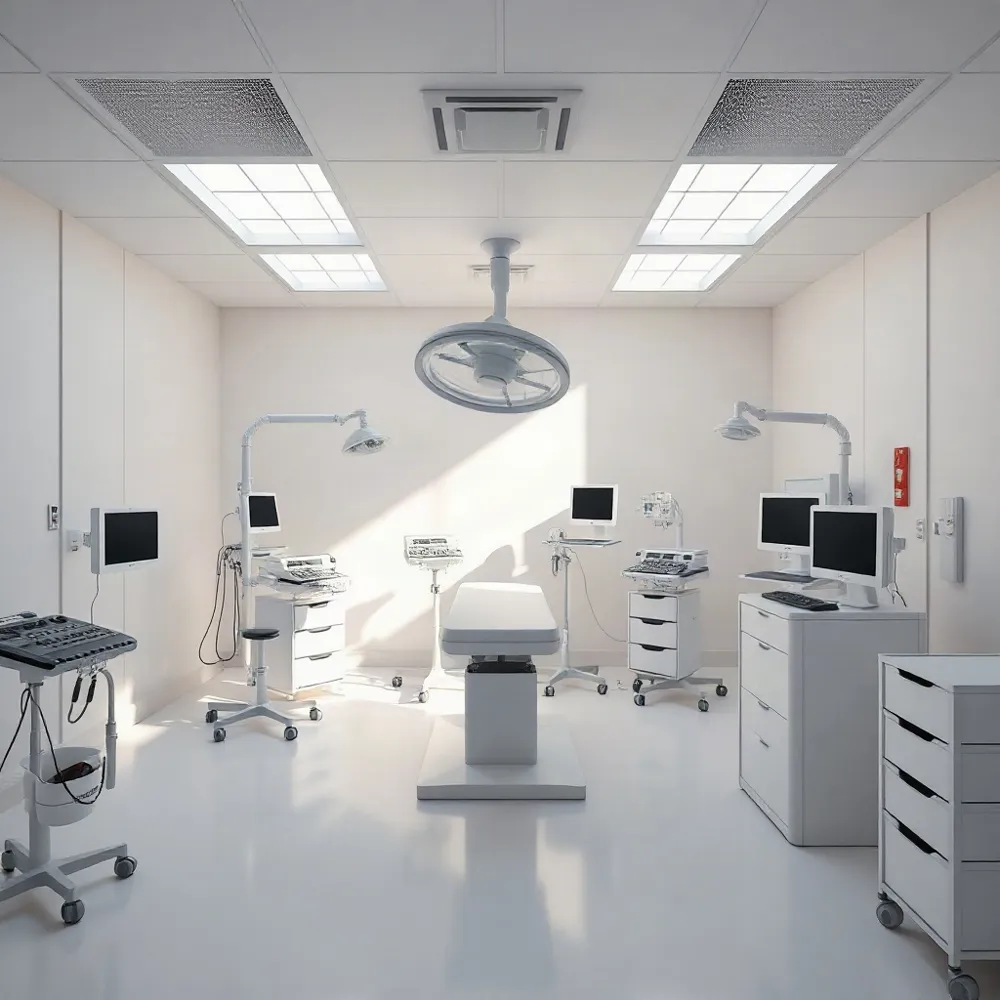
A Clearer Path to Gynecologic Surgery
How to Prepare for a Gynecologic Procedure
A Clearer Path to Gynecologic Surgery
Follow us here:



Recognizing physical changes is a fundamental part of a healthy pregnancy. While many symptoms are typical as your body adapts to fetal development, being aware of Urgent Maternal Warning Signs is critical for your safety.
Pregnancy is structured into three distinct stages of pregnancy, each bringing unique physiological shifts. At Raveco Medical, we prioritize personalized support to help you navigate these transitions from the first trimester through delivery.
You know your body better than anyone else. If a symptom feels unusual or you have an intuitive sense that something is not right, never hesitate to reach out to your care team. Trusting your instincts is one of the most effective ways to ensure timely care for both you and your baby.

Pregnancy is typically organized into three distinct stages, each lasting about 12 to 14 weeks. Understanding these windows helps you anticipate the physical changes and fetal developmental milestones that define your journey.
The first trimester (weeks 1 to 12) is a period of rapid fetal formation and intense hormonal shifts. Common symptoms such as fatigue, morning sickness, and breast tenderness are typical responses to these changes. You may also notice implantation bleeding early on, but it is important to communicate any persistent or heavy bleeding to your healthcare team.
Entering the second trimester (weeks 13 to 27) often brings a welcome reprieve from early fatigue. You may notice increased energy and begin to feel subtle fetal movement. As your belly expands, you might experience mild, intermittent tightness known as Braxton Hicks contractions. At Raveco Medical, we emphasize regular prenatal checkups during this time to monitor steady weight gain and ensure your health remains a priority.
The final stretch, the third trimester (weeks 28 until birth), centers on final organ maturation. Growing pressure on your body can lead to shortness of breath, frequent urination, and back pain. Swelling in the feet and ankles is also common, though sudden or severe changes should always be evaluated. Consistent prenatal care is the best way to navigate these symptoms. Our team at Raveco Medical tailors visits to your specific risk factors to ensure you feel supported through delivery.

Recognizing physical changes is a fundamental part of a healthy pregnancy, but certain symptoms require immediate medical intervention to ensure the safety of both mother and baby. We emphasize that you should never hesitate to contact your care team if you feel that something is simply not right. Your intuition as a patient is a vital tool, and the CDC underscores that listening to these internal cues is a critical component of maternal safety.
Universal warning signs often point to serious conditions that need prompt assessment. Seek immediate medical evaluation if you experience a severe headache that does not improve, persistent dizziness, fainting, or sudden changes in vision such as blurriness or spots. Chest pain, difficulty breathing, and overwhelming, unusual exhaustion are critical red flags. Other serious indicators include severe abdominal pain, persistent nausea or vomiting that prevents keeping food down, a fever of 100.4 F or higher, or a noticeable decrease in fetal movement. If you experience any thoughts of self-harm, please seek immediate professional support.
Knowing how to access care quickly can make a significant difference. Contact 911 or head to the emergency room if you face life-threatening symptoms like heavy vaginal bleeding that soaks through a pad in one hour, seizures, loss of consciousness, or extreme difficulty breathing. At Raveco Medical, we prioritize comprehensive care by ensuring our patients know exactly which symptoms require an immediate call to our office versus an emergency department visit. Always inform any medical staff you encounter that you are pregnant or have been pregnant within the past year, as this status changes how they approach your clinical triage.
Many physical shifts during pregnancy, such as mild cramping, light spotting, fatigue, or nausea, are routine parts of the body adapting to fetal development. Raveco Medical emphasizes that while these normal discomforts often fade as you progress, you must learn to recognize symptoms that deviate from your personal baseline.
Unlike the generic advice found in many large medical systems, our team provides personalized obstetric care that helps you identify specific red flags. You should seek immediate medical evaluation for severe or persistent pain, heavy vaginal bleeding, or a sudden change in vision, such as blurriness or seeing spots, which are urgent warning signs of conditions like preeclampsia. Similarly, extreme swelling in the face or hands that occurs suddenly differs from the typical fluid retention often managed with simple compression techniques.
Always prioritize your peace of mind. If you notice a decrease in fetal movement or persistent symptoms that do not resolve with rest, contact your provider immediately. Unlike standard triage units, our personalized approach at Raveco Medical ensures that your specific history and concerns are taken seriously, allowing for rapid intervention when it matters most.
Supporting a healthy pregnancy begins with consistent prenatal care appointments to monitor your well-being and fetal development. At Raveco Medical, our woman-led team in Queens emphasizes that proactive health management is the foundation of a safe pregnancy journey.
A nutritious, balanced diet is essential during these months. Ensure your intake includes adequate folic acid, iron, and vitamin D to support your baby's growth. It is equally important to avoid alcohol, tobacco, and illicit drugs entirely. Furthermore, steer clear of raw or undercooked meats, fish high in mercury, and unpasteurized dairy products to minimize infection risks, as outlined in first trimester guidelines.
Physical activity can improve energy levels and manage weight, provided it remains gentle and safe. Always balance your movement with adequate rest to prevent exhaustion. Staying hydrated is also crucial; aim for sufficient water intake to help manage common issues like constipation. If you notice signs of a urinary tract infection—such as painful or burning urination, cloudy urine, or a frequent urge to go—contact your provider immediately.
During the second and third trimesters, your body undergoes significant adjustments that can sometimes mask serious health concerns. At Raveco Medical, our team emphasizes that while some physical shifts are standard, specific changes demand immediate medical evaluation to ensure both your safety and that of your baby.
Unlike general providers who may overlook subtle shifts in maternal health, Raveco Medical focuses on personalized monitoring to catch these complications early. If you feel that something is simply not right, trust your intuition and reach out to your provider immediately.

The postpartum period extends for a full year after birth, and serious health complications can arise at any point during this time. At Raveco Medical, we prioritize ongoing monitoring because maternal safety does not end with delivery. While some physical adjustments are normal, certain symptoms indicate an urgent need for medical evaluation.
If you experience these or any other symptoms that feel 'not right,' trust your intuition and contact your healthcare provider immediately. Providers at Raveco Medical are trained to take your self-reported concerns seriously, as early intervention is essential for managing postpartum health effectively. For those experiencing mental health crises, support is available through resources like the 988 Suicide and Crisis Lifeline.
Your intuition is a powerful tool in your maternal journey. If you ever feel that something is simply not right, trust those instincts and reach out to your care team without hesitation. At Raveco Medical, we emphasize that no concern is too small when it comes to your health or your baby's development.
Open, honest communication with your provider ensures you receive timely support. Whether you notice subtle changes or urgent maternal warning signs, our staff is here to provide the clinical expertise and compassionate guidance you deserve.

.png)
%201.png)
Compassionate care for every stage of womanhood. Visit one of our convenient locations or book your appointment online today.