Protecting Ovarian Health: Signs, Symptoms, and Proactive Care
What Every Woman Should Know About Ovarian Health
Protecting Ovarian Health: Signs, Symptoms, and Proactive Care
Follow us here:


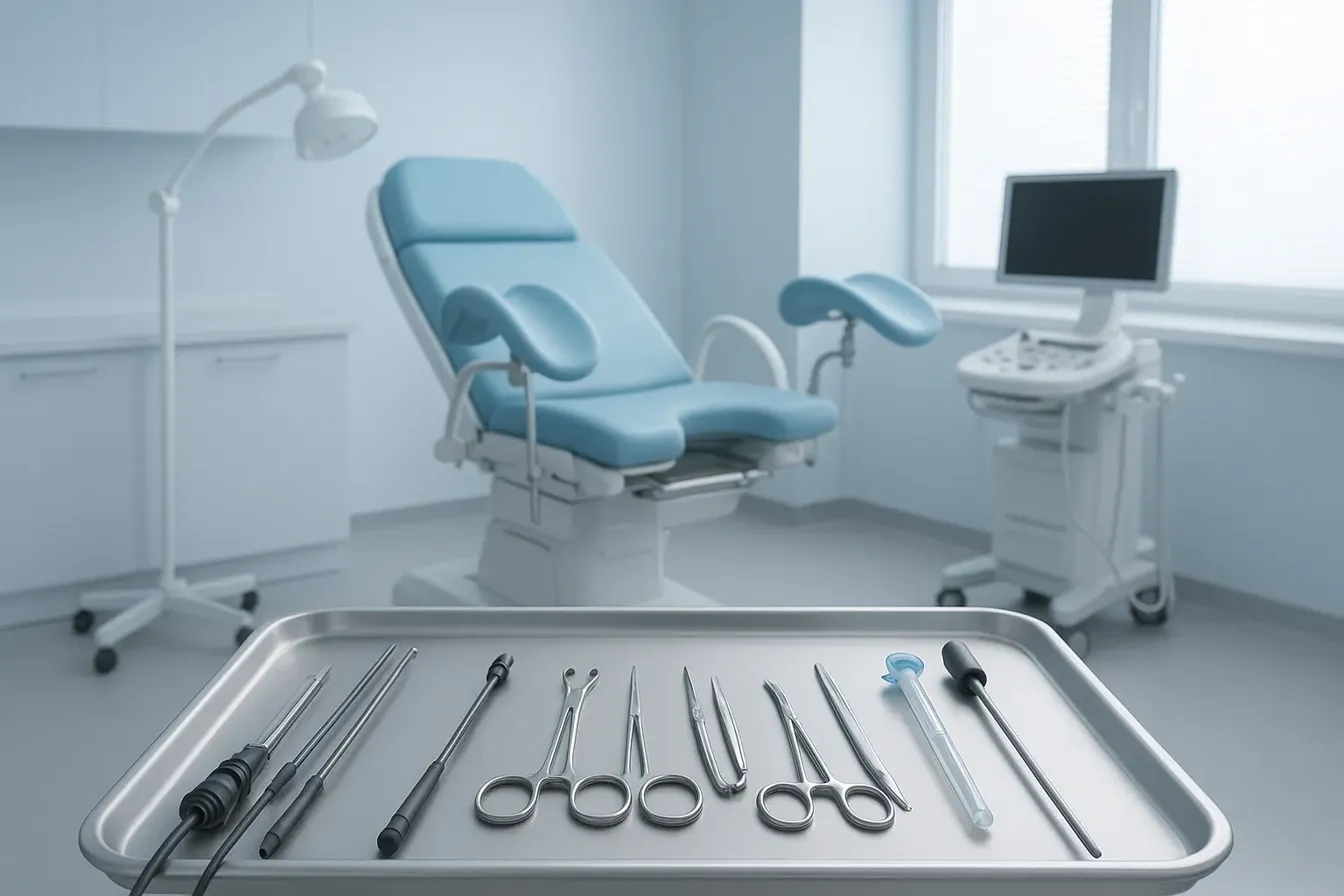
Minimally invasive gynecologic surgery (MIGS) refers to procedures using tiny incisions—often less than one inch—or natural body openings, to diagnose and treat women's reproductive conditions. This approach contrasts with traditional open surgery, which requires larger cuts.
These advanced techniques reduce trauma during surgery, resulting in less pain, smaller scars, and lower infection risks. Patients typically experience quicker recovery times, shorter hospital stays, often leaving the same day, and can return to daily activities within 1 to 2 weeks.
Minimally invasive OB/GYN includes:
These procedures provide safer, less invasive care, improving women's health and quality of life.
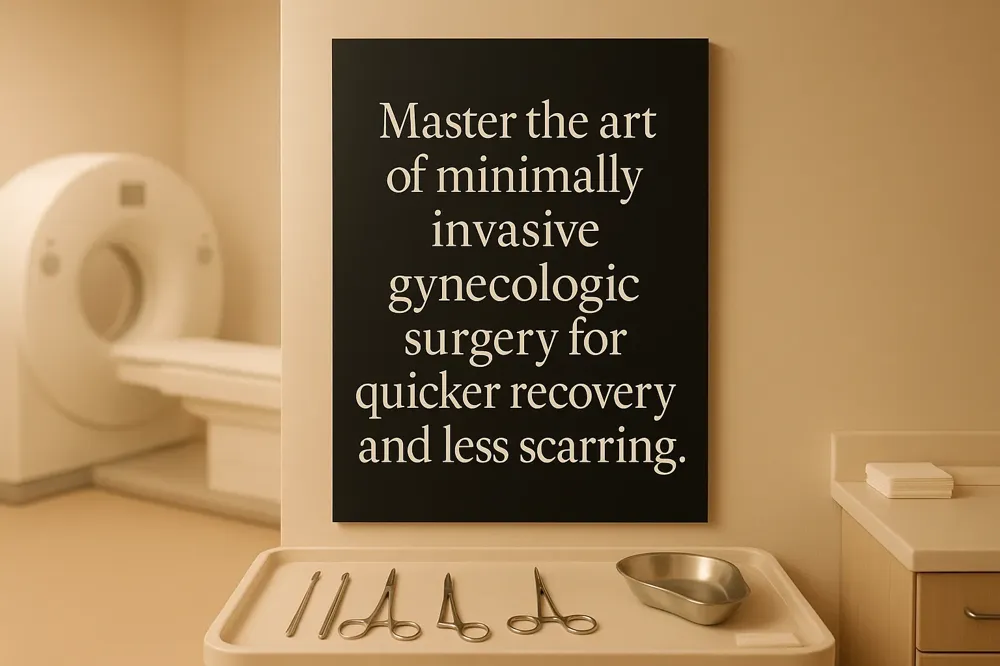
Minimally invasive gynecologic surgery uses small incisions—usually less than an inch—to perform surgical treatments with reduced trauma and quicker recovery compared to open surgery. Techniques include hysteroscopy, laparoscopy, and robotic-assisted surgery. Hysteroscopy accesses the uterus with a thin telescope without abdominal incisions, while laparoscopy uses tiny abdominal incisions to visualize and treat pelvic organs. Robotic systems improve precision for complex cases, all aiming to lower pain, scarring, and hospital stays.
Laparoscopic gynecologic surgery involves inserting a thin, lighted tube called a laparoscope through small abdominal incisions, typically three to four around 0.5 to 1 cm in size. The laparoscope transmits images to a monitor, guiding the surgeon’s instruments to perform procedures accurately. Surgeons use specialized tools inserted through other small incisions for repositioning, cutting, or removing tissue. Advanced systems like robotic-assisted surgery further enhance visualization and dexterity, allowing precise movement beyond traditional laparoscopy.
Laparoscopy effectively treats a range of gynecologic conditions including uterine fibroids, ovarian cysts, endometriosis, pelvic pain, abnormal uterine bleeding, and infertility issues. Procedures such as myomectomy (fibroid removal), ovarian cystectomy, excision of endometriosis lesions, and diagnostic evaluations of pelvic pathology are commonly performed laparoscopically. This approach can also be used for hysterectomy and tubal surgery when indicated.
Because laparoscopic surgery uses tiny incisions rather than large cuts, patients experience smaller scars, significantly less postoperative pain, and faster recovery. Recovery times are markedly shorter, with many women returning to normal activities within 1 to 2 weeks and full recovery in about 4 to 6 weeks—much quicker than open surgery. Many laparoscopic procedures can be done on an outpatient basis or with short hospital stays, minimizing disruption to daily life. Additional benefits include reduced blood loss, lower infection risk, and faster healing, making laparoscopy a preferred option for many gynecologic surgeries.

Hysteroscopic surgery uses a thin, lighted instrument called a hysteroscope, which is inserted through the vagina and cervix to access the inside of the uterus without any external skin incisions. This minimally invasive surgical techniques approach allows doctors to visualize and treat uterine conditions directly.
It effectively addresses abnormal uterine bleeding treatment, uterine fibroids treatment, polyps, and intrauterine scarring. For example, hysteroscopy procedures can remove polyps or small fibroids and treat scar tissue to improve uterine function.
Advantages include no visible scars since no abdominal cuts are made, shorter recovery times, and often the ability to perform the procedure on an outpatient basis. Many women return quickly to their normal activities with minimal discomfort.
This technique is favored for its safety, efficiency, and the comfort it provides patients undergoing treatment for uterine problems.
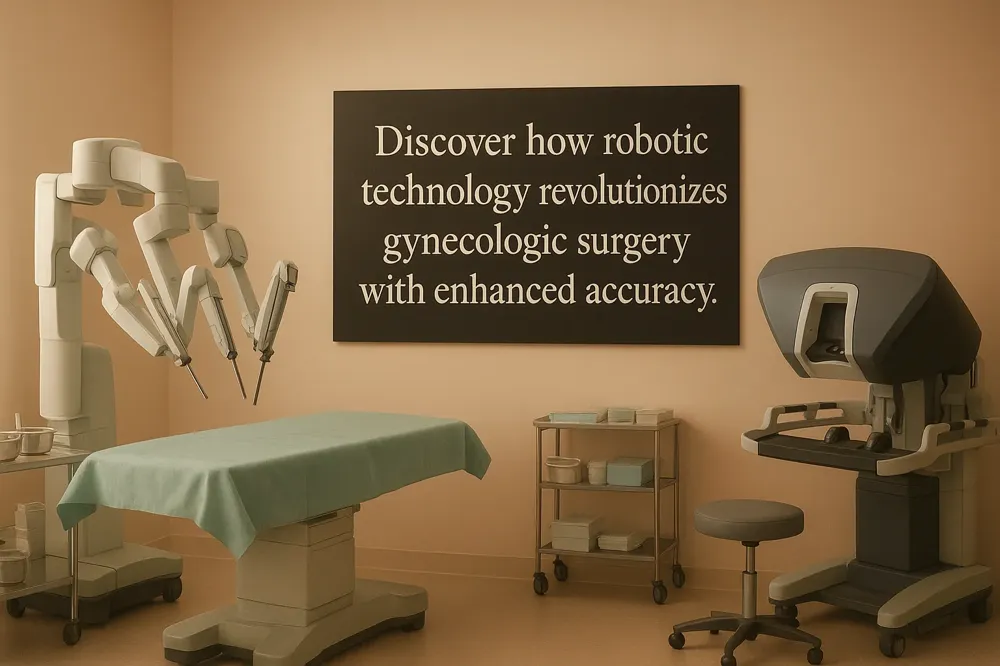
robot-assisted surgery, led by systems like the da Vinci Surgical System, has revolutionized Minimally invasive gynecologic surgery care. This technology provides three-dimensional visualization in robotic surgery, force feedback technology in robotic surgery, and enhanced dexterity, allowing surgeons to perform delicate procedures with exceptional precision.
Applications of robotic surgery include Hysterectomy via minimally invasive surgery, Myomectomy (fibroid removal), treatment of MIGS for endometriosis and fibroids, and repair of pelvic organ prolapse. The robotic approach minimizes tissue trauma, reduces blood loss, and often enables same-day discharge, leading to faster patient recovery.
Emerging innovations continue to expand these benefits. AI integration in robotic surgery offers real-time decision support during surgery, improving accuracy and outcomes. Fluorescence imaging with Firefly® technology enhances visualization of important anatomical structures, further reducing surgical risks.
New robotic platforms are under clinical evaluation to potentially increase access to these advanced techniques. Moreover, single-port robotic surgery and natural orifice robotic surgery represent the next frontier, aiming for even less invasive procedures with improved cosmetic results.
Together, these advancements mark a significant leap forward in Minimally invasive gynecologic surgery, combining technology and expertise to enhance patient safety, preserve fertility when possible, and accelerate recovery.

Vaginal hysterectomy is a surgical procedure to remove the uterus through the vagina without making any abdominal incisions. This contrasts with laparoscopic or robotic-assisted hysterectomies, which involve small abdominal cuts to insert surgical instruments and cameras. Because the vaginal approach avoids abdominal entry, it significantly reduces tissue trauma and visible scars.
Benefits of vaginal hysterectomy include:
Many patients experience a rapid return to daily activities, usually within a couple of weeks, thanks to the minimally invasive nature of this surgery.
The suitability for vaginal hysterectomy depends on factors like uterine size, vaginal accessibility, and whether there are any pelvic adhesions or prior surgeries that might complicate the vaginal approach. When appropriate, vaginal hysterectomy is preferred because it offers superior outcomes compared to laparoscopic and robotic surgeries. However, laparoscopic and robotic approaches remain valuable alternatives when vaginal access is not feasible.
Yes, the vast majority of patients who undergo vaginal hysterectomy can leave the hospital the same day. This reflects the efficient recovery and reduced pain associated with minimally invasive surgery, making outpatient discharge a common and safe practice.

Vaginal Natural Orifice Transluminal Endoscopic Surgery (vNOTES), or vNOTES, is an innovative minimally invasive technique combining vaginal and laparoscopic approaches.
This method involves creating a small incision high in the vaginal apex through which a camera and surgical instruments are inserted. It allows surgeons enhanced visualization and precise access to the pelvic cavity without any external abdominal incisions, as described in vNOTES Minimally Invasive Approach.
These applications demonstrate vNOTES versatility in managing common gynecologic conditions.
Such advantages make vNOTES an appealing option for women eligible for minimally invasive gynecologic surgeries.
This cutting-edge technique exemplifies the continuous advancement toward less invasive, patient-centered gynecologic care utilizing natural body openings for surgical access.
The Sonata System is an FDA-approved, minimally invasive gynecologic procedure for uterine fibroids that uses transcervical radio-frequency ablation (Sonata). This procedure requires no incisions, allowing access to fibroids through the cervix, guided by ultrasound imaging to precisely target and heat the fibroid tissue.
During the treatment, an ultrasound probe identifies fibroids within the uterine wall. Controlled radiofrequency energy heats the fibroid tissue to a therapeutic temperature, typically around 105°C, which destroys the targeted fibroid cells. Over time, the fibroids shrink, alleviating symptoms such as heavy menstrual bleeding and pelvic pain.
The Sonata System treatment is covered by the majority of insurance plans, including government programs, improving accessibility for many women seeking fibroid management. This has contributed to its growing adoption across gynecologic centers in the United States.
This innovative approach offers an effective, less invasive alternative to surgical fibroid removal, supporting women's health with faster recovery and improved quality of life.
Education in minimally invasive gynecologic surgery (MIGS) relies heavily on structured training programs such as the Essentials in Minimally Invasive Gynecologic Surgery (EMIGS) and Fundamentals of Laparoscopic Surgery (FLS). These programs combine didactic teaching, cognitive testing, and practical manual skills training to develop surgical proficiency.
Since 2020, the American Board of Obstetrics and Gynecology (ABOG) mandates that OB/GYN residents complete a Surgical Skills Program like EMIGS or FLS as a prerequisite for board certification. This requirement ensures that residents acquire standardized, hands-on training early in their residency, typically during the second year.
The goal of these education programs is to improve surgical skill sets through a well-rounded approach, enhancing operative experience and patient outcomes in minimally invasive gynecologic surgeries. Programs stress the importance of significant operative responsibility during residency to meet eligibility for certification.
By enforcing uniform standards, EMIGS and FLS help cultivate competence and confidence in minimally invasive surgical techniques, ultimately advancing quality care for women undergoing gynecologic surgeries.
Obstetrics and gynecology (OB-GYN) offers diverse paths for career growth beyond routine clinical work. Many physicians choose to deepen their expertise through subspecialty training, such as reproductive endocrinology, gynecologic oncology, maternal-fetal medicine, or urogynecology. These focused areas enable specialists to handle complex conditions and elevate their professional profiles.
Academic and research roles present opportunities for those passionate about education and innovation. OB-GYNs can pursue faculty positions at medical schools, contribute to cutting-edge research, and help train future clinicians.
Leadership roles in hospitals and healthcare organizations, like becoming a department chair or medical director, allow OB-GYNs to influence clinical practice standards and organizational policies.
Moreover, entrepreneurship and consulting careers are growing in women's health, where OB-GYNs can impact healthcare delivery, medical technology, and health policy on a broader scale.
This wide range of advancement options ensures that professionals in obstetrics and gynecology can tailor their careers to their interests and strengths while improving women's health outcomes.
Minimally invasive OB/GYN surgeries offer women significant benefits including less pain, smaller scars, reduced infection risk, and faster recovery times often allowing return to daily activities within weeks.
Emerging technologies like robotic-assisted surgery, AI-guided procedures, and natural orifice techniques continue to improve surgical precision while reducing trauma. New methods also aim to increase accessibility through outpatient treatments and insurance coverage expansion.
Specialists emphasize tailored approaches that respect individual needs and fertility preservation. Multidisciplinary teams ensure comprehensive care, advancing recovery, well-being, and long-term outcomes for women everywhere.

.png)
%201.png)
Compassionate care for every stage of womanhood. Visit one of our convenient locations or book your appointment online today.