
Planning a VBAC With Clear, Informed Questions
Planning a VBAC: Questions for Your Care Team
Planning a VBAC With Clear, Informed Questions
Follow us here:


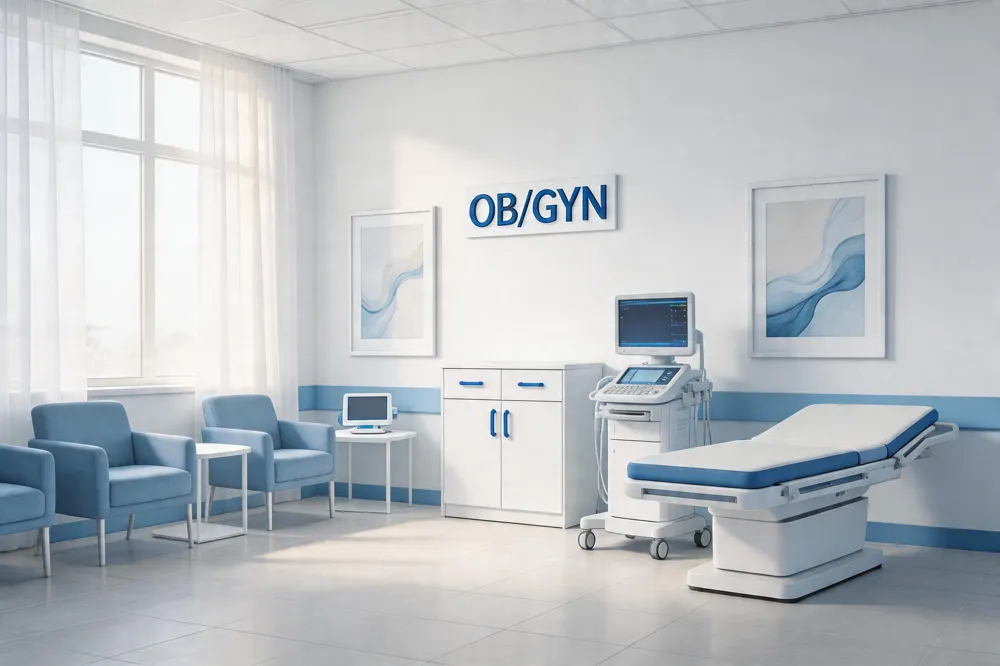
The transition from traditional open gynecologic surgery to small‑incision techniques such as laparoscopy, hysteroscopy, vNOTES, and robotic‑assisted procedures has reshaped women’s health care. By using ports as small as 5‑10 mm, these approaches cut postoperative pain by up to 50 %, shrink hospital stays from 4‑5 days to 1‑2 days, and enable same‑day discharge for many procedures. Faster ambulation and lower opioid use translate into quicker return to work, school, and family responsibilities, dramatically improving quality of life. Women‑led practices in Queens and across the U.S. leverage these technologies to tailor care plans that respect each patient’s reproductive goals, cultural preferences, and schedule, often integrating telemedicine for pre‑operative counseling and post‑operative follow‑up. Throughout the care continuum, advanced imaging (3‑D/4‑D ultrasound, augmented‑reality navigation), ERAS protocols, and AI‑driven decision support enhance surgical precision, reduce complications, and preserve ovarian reserve, ensuring that minimally invasive OB/GYN care is both safe and patient‑centered.

Advancements in women's health AI‑enhanced portable ultrasound devices now deliver accurate gestational‑age estimates and early detection of high‑risk pregnancies with >90% sensitivity, even in low‑resource settings. These handheld scanners bring high‑resolution imaging to community clinics, reducing travel burdens and enabling timely interventions. Simultaneously, next‑generation contraceptives such as six‑month injectables and discreet micro‑array patches offer long‑acting, needle‑free family‑planning options that align with women’s lifestyles and improve adherence.
Women’s health and technology Micro‑needle vaccine patches are emerging as a painless platform for delivering HPV vaccines and other preventive therapies, eliminating the need for injections and boosting coverage rates. Funding initiatives—most notably the Gates Foundation’s $2.5 billion pledge through 2030—are accelerating research into personalized nutrition, gut‑informed health, and innovative STI‑prevention tools, ensuring that these breakthroughs reach underserved populations.
Medical breakthroughs in women's health Robotic‑assisted hysterectomy, office‑based hysteroscopic procedures, and uterine fibroid embolization are already shortening hospital stays and preserving fertility. When combined with Enhanced Recovery After Surgery (ERAS) protocols, patients experience faster ambulation, lower opioid use, and earlier return to daily activities. Integrating these technologies into a woman‑led practice in Queens delivers compassionate, evidence‑based care that empowers each patient throughout her reproductive journey.

High‑definition 3‑D imaging and augmented‑reality navigation are now standard in many OB/GYN suites, giving surgeons a crystal‑clear view of pelvic anatomy and real‑time guidance that lowers complication rates. Robotic‑assisted platforms such as the da Vinci system add articulated wrist‑like instruments, tremor filtration, and 3‑D visualization, enabling ultra‑precise dissection of fibroids, endometriosis implants, or cancer‑related tissue while minimizing blood loss. Single‑incision laparoscopic surgery (SILS) and vaginal natural orifice transluminal endoscopic surgery (vNOTES) use one hidden port—often through the umbilicus or vaginal apex—to achieve scar‑free outcomes and cut postoperative pain by up to 50 %. Fluorescence‑guided surgery, using agents like indocyanine green, highlights uterine vessels and sentinel lymph nodes, reducing accidental injury and improving oncologic staging. Advanced endoscopic procedures, including office‑based hysteroscopy, ERCP‑style biliary interventions, and endoscopic sleeve gastroplasty, expand non‑incisional treatment options for gastrointestinal and weight‑loss concerns.
What are the latest MIS techniques? They combine 3‑D/AR imaging, robotic articulation, SILS/vNOTES, fluorescence guidance, and novel endoscopic therapies to maximize precision while minimizing incisions.
What are examples of minimally invasive procedures? Laparoscopic hysterectomy, robotic myomectomy, office hysteroscopic polypectomy, uterine fibroid embolization, and transvaginal natural orifice surgery.
What is an example of minimally invasive gynecological surgery? A robotic‑assisted laparoscopic hysterectomy performed through 5‑10 mm ports, or a vNOTES hysterectomy that requires no abdominal scar.
Minimally Invasive Gynecologic Surgery certification? ABOG’s Focused Practice Designation in MIGS, earned after an ACGME‑accredited fellowship and a specialized board exam.
Minimally invasive Gynecologic Surgery Fellowship? A competitive two‑year program offering extensive hands‑on training in laparoscopic, robotic, and hysteroscopic surgery, plus research and interdisciplinary collaboration, preparing graduates to deliver cutting‑edge, patient‑centered care.

Advances in biomonitoring technologies for women’s health are reshaping care. Intravaginal temperature loggers such as OvuSense provide continuous basal body‑temperature data, helping women track ovulation and early pregnancy with over 69 % acceptability. Wearable continuous glucose monitors (CGM) like Abbott FreeStyle Libre Pro empower pregnant women to detect gestational‑diabetes trends in real time, enabling timely diet or medication adjustments. Smart textiles and patch‑based biosensors now measure hormonal fluctuations (estradiol, progesterone) and vaginal pH, offering non‑invasive alerts for infections, menopausal changes, or fertility windows. Sweat‑based nanobiosensors embedded in microfluidic patches can quantify metabolic biomarkers—β‑hydroxybutyrate, lactate, cortisol—supporting early identification of metabolic stress during pregnancy. AI‑driven analytics integrate these streams, translating time into risk scores that guide clinicians, reduce routine office visits, and personalize treatment plans.
Healthcare innovation ideas include AI‑powered predictive models that combine EHR, wearable, and genomic data to flag early pregnancy complications; tele‑health‑first prenatal programs with remote fetal‑heart‑rate patches and blood‑pressure cuffs; microbiome‑targeted nutrition kits for expectant mothers; bundled value‑based care models linking obstetrics, gynecology, and mental health; and community women’s‑health hubs in Queens that deploy mobile clinics and multilingual education.
Yes, a women’s health nurse practitioner (WHNP) can see male patients, as their training covers comprehensive primary‑care services for all genders. However, a WHNP does not deliver babies; delivery is performed by obstetricians, certified nurse‑midwives, or physicians with appropriate obstetric training.

Minimally invasive gynecologic surgery (MIGS) has become a cornerstone of women‑centered care, and the pathway to expertise is clearly defined. The American College of Obstetricians and Gynecologists (ACOG) offers a Focused Practice Designation in MIGS, which recognizes physicians who have completed an ACGME‑accredited MIGS fellowship and passed the ABOG focused‑practice exam—an assessment that blends cognitive knowledge with manual‑skills testing.
Fellowship programs, such as the AAGL’s FMIGS, typically span two to three years and require trainees to log several hundred minimally invasive cases—including laparoscopic, robotic, and hysteroscopic procedures—ensuring competence across the full spectrum of benign and complex disease.
Becoming a Fellow of ACOG (FACOG) usually takes 8–10 years after high school: four years of undergraduate study, four years of medical school, a four‑year obstetrics‑gynecology residency, board certification, two years of unrestricted practice, and finally the ACOG fellowship application.
Continuing professional development is mandatory; surgeons must complete annual MIGS‑specific CME, maintain simulation‑based skills through platforms like EMIGS, and renew the focused practice designation every five years.
These structured training and credentialing pathways ensure that women receiving care—whether at a bustling Queens‑based, woman‑led clinic or a tertiary center—benefit from surgeons who are both technically proficient and committed to lifelong learning.

Queens, NY now home a woman‑led OB/GYN practice, offers cutting‑edge minimally invasive gynecologic surgery. If you’re searching for “minimally invasive gynecologic surgery near me,” Raveco’s board‑certified, fellowship‑trained team performs laparoscopic, robotic, hysteroscopic and vaginal procedures with 0.5‑1 cm incisions, delivering same‑day discharge, reduced pain and faster return to daily life.
Telemedicine and remote monitoring extend this expertise to underserved patients, allowing virtual pre‑op counseling, post‑op follow‑up and AI‑driven ultrasound triage without travel barriers.
Women’s health disparities stem from systemic bias, under‑representation in research, and limited access—especially for women of color and those in “maternity‑care deserts.” Addressing these gaps requires equity‑focused initiatives, culturally competent education and community‑based data.
The Women’s Health Innovation Opportunity Map highlights 50 high‑impact priorities, urging providers to incorporate sex‑ and gender‑intentional research, improve maternal outcomes and accelerate contraceptive technology.
Seven domains of women’s health—physical, emotional, social, intellectual, financial, environmental and spiritual—guide holistic care, ensuring every patient’s body, mind and community are supported throughout the lifecycle.

What are the latest advancements in gynecology? Artificial intelligence now powers predictive analytics that flag high‑risk pregnancies, preeclampsia, and early endometrial cancer, while AI‑augmented 3‑D ultrasound improves lesion detection. Robotic platforms and single‑port vNOTES provide scar‑free hysterectomies and myomectomies with up to 40 % less blood loss and faster ambulation. Non‑invasive energy‑based therapies such as MRgFUS and HIFU shrink uterine fibroids without incisions, preserving fertility and reducing recovery time.
New technology in obstetrics and gynecology AI‑enabled portable ultrasounds, deep‑learning cervical‑cancer screening, and wearable biosensors allow real‑time monitoring of hormonal and glucose trends. Energy‑based devices (laser, radiofrequency) address vaginal atrophy and abnormal bleeding, while telemedicine and remote‑monitoring platforms streamline pre‑ and postoperative counseling, cutting unnecessary clinic visits.
New innovations in healthcare 2025 Genomic and pharmacogenomic testing personalize IVF protocols and oncologic therapy; blockchain‑secure data sharing protects privacy. The first U.S. uterine transplant and biodegradable contraceptive implants illustrate breakthroughs in fertility preservation and adherence‑free birth control.
The future of women's health A shift toward continuous, data‑driven care will integrate AI‑guided imaging, next‑generation contraceptives, and global research collaborations—such as the Women’s Health Innovation Summit and the Embrace Gynecology trial—to close historic research gaps and deliver equitable, patient‑centered outcomes for every woman.
Advances in women’s health are reshaping care for Queens patients. Nine transformative technologies now guide treatment: (1) Laparoscopic surgery for ovarian cysts and hysterectomies, (2) Robotic‑assisted hysterectomy and myomectomy with 3‑D visualization, (3) Office‑based hysteroscopic polypectomy and morcellation, (4) Uterine fibroid embolization (UFE) and transcervical radiofrequency ablation, (5) Transvaginal natural orifice transluminal endoscopic surgery (vNOTES) eliminating external scars, (6) Augmented‑reality and AI‑driven imaging for precise navigation, (7) Enhanced Recovery After Surgery (ERAS) protocols that cut opioid use, (8) Telemedicine platforms for pre‑ and counseling and post‑operative follow‑up, and (9) Portable AI‑enabled ultrasound devices that expand early prenatal screening. A women‑led, tech‑savvy practice in Queens integrates these tools to personalize care, preserve fertility, and shorten recovery. We invite you to discuss minimally invasive options with your provider, join community workshops, and stay informed through our patient portal—together we can advance health outcomes for every woman in our borough.

.png)
%201.png)
Compassionate care for every stage of womanhood. Visit one of our convenient locations or book your appointment online today.