Understanding Preconception Genetic Testing for a Healthier Pregnancy
The Importance of Preconception Genetic Testing
Understanding Preconception Genetic Testing for a Healthier Pregnancy
Follow us here:


Health screenings that are tailored to a woman's age are essential for effective prevention and early detection of health issues. Women's bodies and risks change at different life stages, so age-specific screenings ensure timely identification of conditions like cervical cancer, breast cancer, diabetes, and hypertension.
From young adulthood to menopause and beyond, different screenings and preventive services are recommended. For example, Pap tests typically begin at age 21 to detect cervical abnormalities, while mammograms are usually advised starting at age 40 for early breast cancer detection. Cholesterol and blood pressure monitoring typically start in early adulthood with increasing frequency as women age. Vaccinations, mental health screenings, and lifestyle counseling complement these tests, creating a comprehensive approach to maintain health throughout life.
Personalized healthcare recognizes individual risk factors such as family history, lifestyle, and health conditions. Shared decision-making between a woman and her healthcare provider customizes screening schedules and preventive interventions. This approach enhances health outcomes by addressing specific needs, ensuring vaccinations are up-to-date, managing reproductive health, and supporting mental wellness, all crucial to women’s overall well-being.

Women aged 18 to 39 should engage in Health screenings for women 18 to 39 that include monitoring blood pressure every 3 to 5 years. For those with risk factors such as family history or obesity, more frequent screenings are advised to catch early signs of hypertension.
Cervical cancer screening is critical; it begins at age 21 with Pap test recommendations every three years for women aged 21 to 29. From age 30 to 39, combined Pap and HPV testing every five years is the established guideline.
Although routine mammograms are generally not recommended for women under 40 without high-risk factors, women should practice breast health awareness. Monthly breast self-exams are encouraged to identify any unusual changes early.
Vaccinations form a crucial aspect of preventive care. HPV vaccination is recommended up to age 26 to protect against cervical and other cancers. Other important vaccines include Yearly influenza vaccinations, Tdap booster every 10 years, COVID-19 vaccinations, varicella if unvaccinated, hepatitis B, and measles-mumps-rubella (MMR), tailored to individual health profiles.
Mental health screenings are an essential part of overall well-being, addressing conditions such as anxiety and depression, which are common in this age group. Alongside mental health, screening for chronic diseases like prediabetes and type 2 diabetes should start around age 35, or earlier if risk factors like overweight or family history are present.
Sexual health is also a vital focus, with recommendations for Sexually transmitted infection screening including annual screenings for chlamydia and gonorrhea for sexually active women under 25 or those at increased risk over 25 to prevent and manage sexually transmitted infections effectively.
In addition to these, Dental exam frequency for young women and Eye exam recommendations for women under 40 support comprehensive health maintenance.
By maintaining this vigilant screening schedule and adopting a holistic approach, women in their 18 to 39 years can proactively safeguard their reproductive and overall health.
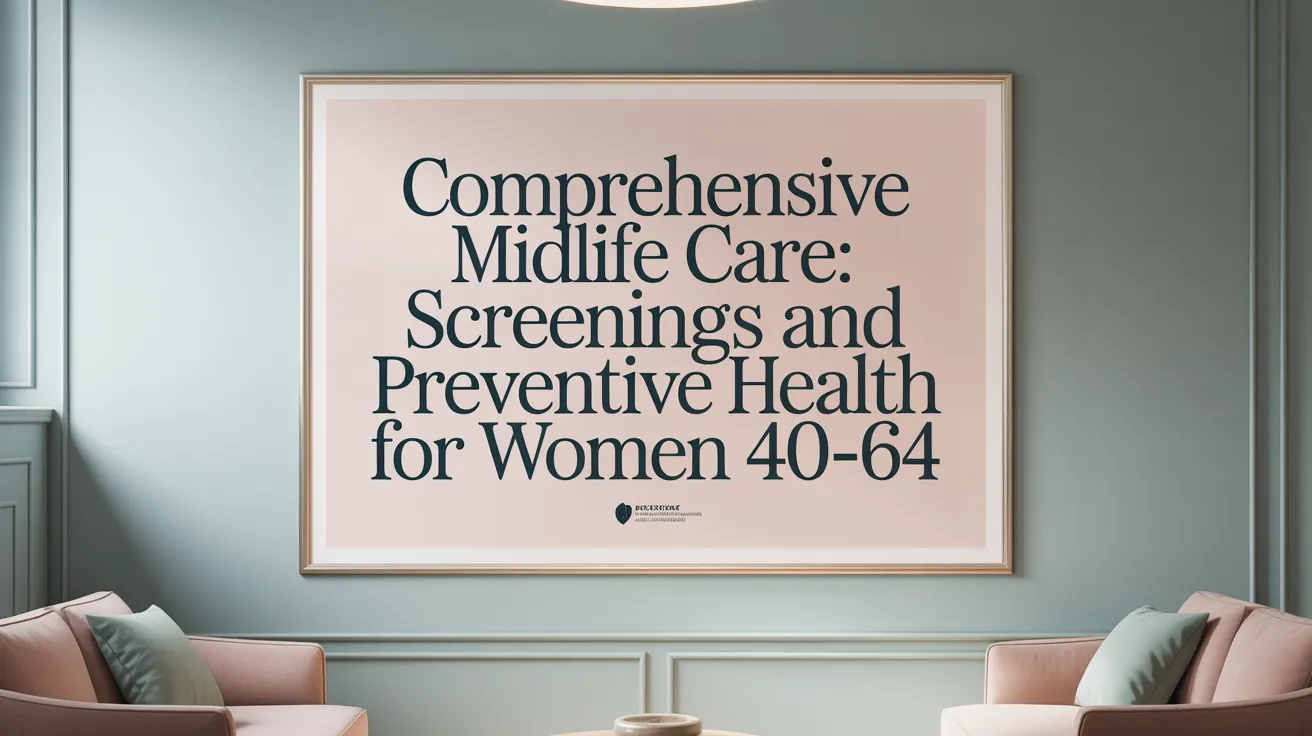
Women in midlife should prioritize a comprehensive approach to health screening that addresses cancer prevention, cardiovascular and metabolic health, bone health, sensory function, immunizations, and menopause management.
Annual mammography is recommended beginning between ages 40 and 45, usually continuing every 1 to 2 years through age 74 or as advised by a healthcare provider. Women at higher risk may require earlier or additional imaging such as MRI.
Blood pressure should be checked at least once a year. Cholesterol screening is recommended every 5 years, or more frequently if risk factors change. Diabetes screening begins at age 45 and should be repeated every three years, with earlier testing if risk factors such as obesity are present.
Starting at age 45, women should begin colorectal cancer screenings. Common methods include colonoscopy every 10 years, stool tests annually, or sigmoidoscopy every 5 years, with frequency guided by individual risk and previous findings.
Bone mineral density testing is advised for postmenopausal women and those with risk factors for osteoporosis, to guide prevention and treatment strategies.
Eye examinations are recommended every 2 to 4 years for women aged 40 to 54 and more frequently after age 55. Women with diabetes should have annual retina exams. Hearing tests should be discussed, especially if symptoms arise or with advancing age.
Annual influenza vaccination remains essential. The Tdap booster is advised every 10 years, along with pneumococcal vaccines as recommended. The shingles vaccine is recommended starting at age 50.
Midlife care includes managing menopausal symptoms and screening for associated health concerns such as cardiovascular disease and osteoporosis, ensuring symptom relief and risk reduction through lifestyle and medical interventions.
Regular visits to healthcare providers enable personalized screening schedules, addressing individual risk and health status to maintain well-being through midlife and beyond.
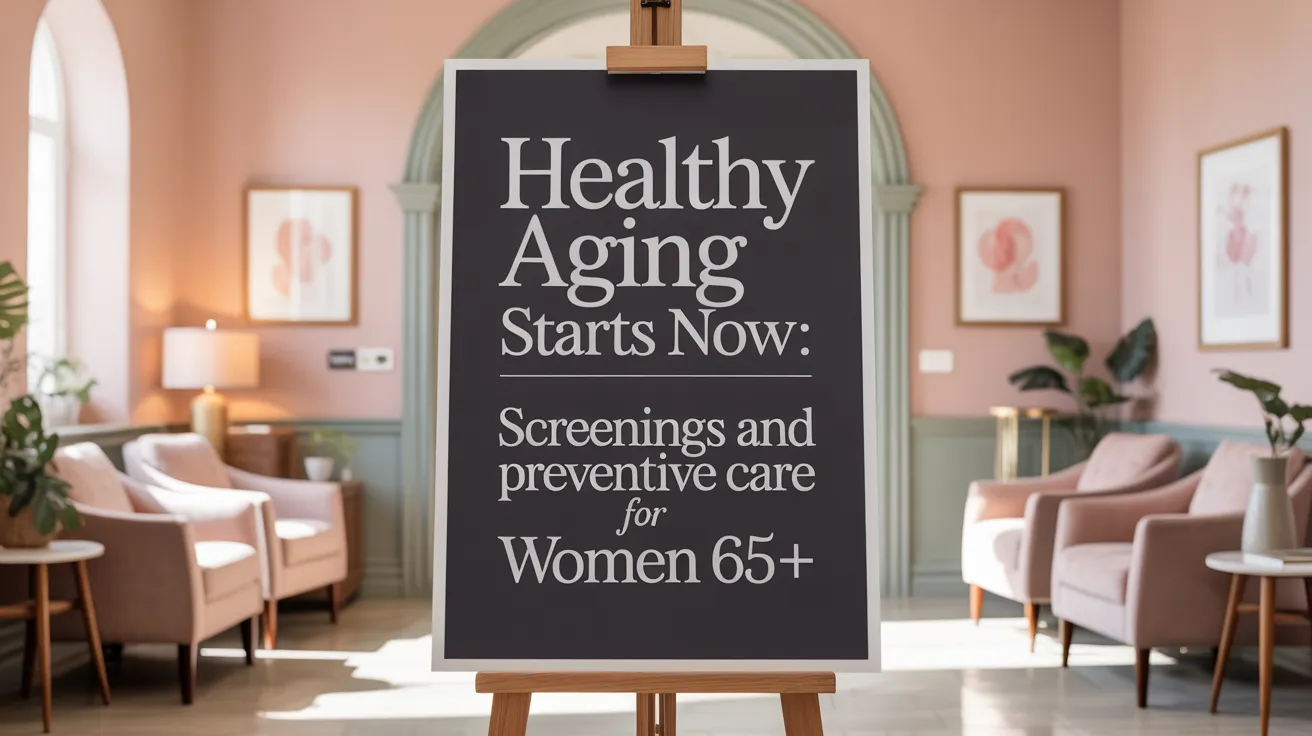
Women aged 65 and older should maintain regular cancer screenings tailored to their health status and life expectancy. Continuing mammograms annually or biennially helps detect breast cancer early, while colorectal cancer screening via colonoscopy, sigmoidoscopy, or stool-based tests remains important for early detection and prevention.
A baseline osteoporosis screening guidelines with a Dual-Energy X-ray Absorptiometry (DXA) scan is strongly advised, particularly for postmenopausal women or those with risk factors such as low body weight or history of fractures. This test evaluates bone density and aids in managing fracture risk.
Immunizations as per ACIP are critical for older women to prevent serious infections. Recommended vaccines include the annual influenza shot, pneumococcal vaccines to protect against pneumonia, the shingles vaccine to prevent herpes zoster, and Tdap boosters every 10 years. These vaccinations support immune health in this age group.
Assessment of mental and cognitive health should be a routine part of care. Mental health screening discussion helps identify conditions that may affect quality of life, allowing timely intervention.
Maintaining physical function through regular exercise, balanced nutrition, and health monitoring supports independence and overall healthspan. Routine evaluations to assess mobility, falls risk, and nutrition are valuable.
Finally, Health at Every Age is essential. Older women are encouraged to complete advance directives and living wills. These documents communicate healthcare preferences, ensuring respect for individual choices during medical care decisions.
By integrating these screenings and preventive practices, older women can optimize their health and quality of life well into later years.
Mental health deeply affects women's overall physical health. Conditions such as anxiety, depression, and bipolar disorder are common among women and can contribute to illnesses like heart disease and gastrointestinal troubles. Recognizing symptoms early and seeking professional counseling can prevent worsening health outcomes.
Stress management plays a crucial role at different stages, particularly during hormonal changes such as menopause. Effective strategies include regular exercise, maintaining healthy sleep patterns, and mindful eating habits. Medication may also be prescribed when needed to support mental wellness.
Healthcare providers actively participate in mental health support by conducting mental health screenings for women for disorders and providing counseling or referrals to specialists. These preventive steps are essential components of comprehensive women's wellness strategies care.
Adopting healthy lifestyle habits further enhances wellness. A balanced diet rich in whole foods, consistent physical activity, avoidance of smoking, moderation in alcohol intake, and adequate sleep all contribute significantly to reducing risks of chronic diseases and maintaining mental and physical well-being.
Through integrating mental health assessment and promoting positive lifestyle habits, healthcare professionals empower women to achieve sustained wellness across their lifespan.
Annual well-woman visits form the foundation of comprehensive gynecological care. These visits typically include essential screenings such as Pap smears for cervical cancer detection, clinical breast exams, blood pressure monitoring, and BMI evaluations, with counseling tailored to address each woman’s unique risk factors. Beyond routine exams, services extend to family planning, preconception counseling, and fertility assessments, incorporating advanced reproductive technologies to support women experiencing infertility.
Advanced diagnostic tools enhance the precision of care. These include 3D mammography for detailed breast imaging, ultrasounds, colposcopy for abnormal Pap smear follow-up, and genetic testing and counseling to evaluate hereditary cancer risks. Such technologies enable early detection and more effective treatment plans.
Management of common gynecologic conditions—such as uterine fibroids, endometriosis, ovarian cysts, pelvic pain, and pelvic organ prolapse—is also integral. Minimally invasive surgical options, like laparoscopy and hysteroscopy, are often employed to reduce recovery times and improve outcomes.
Menopause care, including hormone replacement therapy and symptom management, is personalized according to patient preferences and medical history. Providers emphasize shared decision-making, ensuring cultural and personal values guide treatment choices.
To increase accessibility and promote continuity of care, many women’s health practices offer a full spectrum of services in hospital and outpatient settings, along with telehealth appointments. This integrated approach is especially vital in diverse communities such as Queens, NY, where individualized and respectful care improves patient satisfaction and health outcomes.
Regular health screenings are essential for women throughout their lives. These screenings, ranging from blood pressure and cholesterol checks to cancer screenings such as Pap tests, mammograms, and bone density scans, detect health issues early when treatment is most effective.
Partnering with healthcare professionals fosters individualized care. Annual well-woman visits allow for updates on family history, risk assessments, vaccinations, and shared decision-making, enabling tailored preventive strategies that accommodate personal health needs.
Healthy habits play a vital role in wellness. Balanced nutrition, regular physical activity, sufficient sleep, stress management, and avoidance of tobacco and excessive alcohol contribute greatly to reducing risks for chronic diseases.
Mental health critically impacts women’s overall wellbeing. Addressing anxiety, depression, and stress through counseling, therapy, and lifestyle interventions supports both emotional and physical health, particularly during significant life stages like menopause.
Access to comprehensive, respectful, and culturally sensitive care improves health outcomes. Incorporating innovations like telehealth and community programs ensures women receive the support needed for sustained health and wellness across their lifespan.

.png)
%201.png)
Compassionate care for every stage of womanhood. Visit one of our convenient locations or book your appointment online today.