Protecting Ovarian Health: Signs, Symptoms, and Proactive Care
What Every Woman Should Know About Ovarian Health
Protecting Ovarian Health: Signs, Symptoms, and Proactive Care
Follow us here:


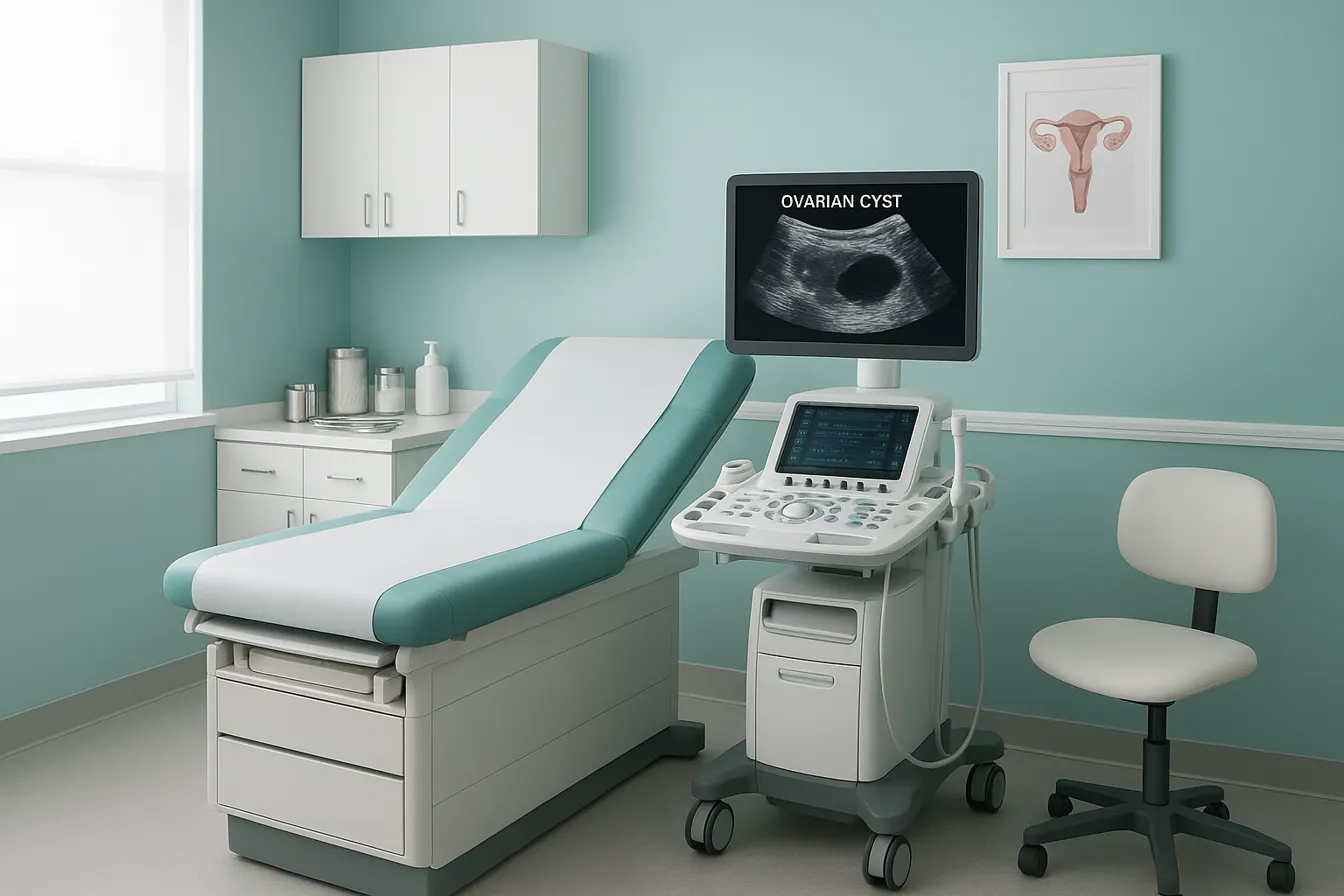
Ovarian cysts are fluid-filled sacs that form inside or on the surface of the ovaries, the female reproductive organs responsible for producing eggs and hormones. They are a common occurrence, particularly among women who have not yet reached menopause.
It's estimated that millions of women experience ovarian cysts during their reproductive years. Most cysts are detected incidentally during pelvic exams or imaging studies for other reasons.
The majority of ovarian cysts are benign (non-cancerous) and harmless. Many cause no symptoms and resolve spontaneously without treatment within a few months. However, regular medical follow-up is important to monitor their status, especially in women approaching or after menopause.
Ovarian cysts often do not interfere with fertility or normal menstrual cycles. Proper diagnosis and monitoring ensure any complications or rare malignancies are promptly managed.

Ovarian cysts in young females are most often caused by hormonal changes linked to the menstrual cycle. These hormonal fluctuations can lead to the formation of functional ovarian cysts. Two primary functional cyst types include:
Functional ovarian cysts usually shrink and disappear within a few menstrual cycles without treatment.
Beyond functional cysts, several other cyst types can occur, including:
Certain medical conditions increase the risk of ovarian cysts in young females:
Most benign ovarian cysts in young females are asymptomatic. However, larger cysts or those with complex features may cause symptoms like pelvic pain, bloating, or menstrual irregularities. Malignant ovarian cysts are rare in young women but warrant careful evaluation when present.
Early assessment through pelvic exams and imaging helps ensure proper management and distinguishes benign from potentially dangerous cysts.

Ovarian cysts often cause symptoms such as dull or sharp pelvic pain typically localized on the side where the cyst is present. Many women experience a feeling of fullness, bloating, or pressure in the abdomen. Pain may occur during menstruation, sexual intercourse, or bowel movements. Larger cysts can press on nearby organs causing discomfort, urinary frequency, or back pain. For some, menstrual irregularities can arise due to hormonal effects.
A ruptured ovarian cyst commonly causes sudden, sharp pelvic pain, sometimes accompanied by vaginal bleeding, bloating, nausea, or vomiting. Internal bleeding from a rupture can be serious and requires urgent medical evaluation.
Ovarian torsion is a medical emergency where the ovary twists on its ligaments, abruptly cutting off its blood supply. Symptoms include intense, sudden lower abdominal pain, nausea, vomiting, and sometimes fever or fainting. If untreated, torsion can cause ovarian tissue death and loss of function.
Seek immediate care if severe pelvic pain occurs suddenly, especially if accompanied by fever, vomiting, dizziness, fainting, or heavy vaginal bleeding. These may indicate cyst rupture symptoms, and ovarian torsion signs, both of which need prompt diagnosis and treatment to prevent complications such as internal bleeding or ovarian damage.

Diagnosis of ovarian cysts typically begins with a pelvic exam for ovarian cysts, where a healthcare provider palpates the lower abdomen and pelvic area to detect abnormalities.
Ultrasound, especially transvaginal ultrasound for ovarian cysts serves as the gold standard imaging method; it provides detailed visuals of the cyst's size, location, and characteristics such as whether the cyst is fluid-filled sacs in ovaries or contains solid components. This is crucial to differentiate benign cysts from those that may require further evaluation.
In some cases, laparoscopy for diagnosis is employed for direct visualization of the ovaries and cysts, allowing for biopsy or removal if necessary.
Blood tests for tumor markers, such as CA 125 help assess the possibility of ovarian cancer, particularly important in postmenopausal women or when cysts have suspicious features on imaging.
Pregnancy tests in ovarian cyst diagnosis are also standard to exclude pregnancy-related causes of ovarian cysts or symptoms.
Gynecologists specialize in women's reproductive health and are the recommended physicians for evaluation and management of ovarian cysts. They are skilled in performing pelvic exams, ordering and interpreting ultrasounds, and determining appropriate interventions.
Treatment options for ovarian cysts may range from watchful waiting and hormonal therapy to surgical removal depending on cyst size, symptoms, and risk factors.
Postmenopausal women are at increased risk of ovarian malignancy, making careful assessment and monitoring essential. Gynecologic cancer specialist consultation or specialists with expertise in ovarian masses can provide advanced evaluation and treatment options when malignancy cannot be ruled out.
Women-led healthcare providers with specialization in obstetrics and gynecology offer personalized and comprehensive care that aligns with women's unique health needs. Access to experienced gynecologists ensures accurate diagnosis, empathetic communication, and careful monitoring or intervention tailored to the patient.
For women seeking care in regions like Queens, NY, choosing a dedicated women-led practice can enhance comfort and trust throughout diagnosis and treatment of ovarian cysts.
Treatment for ovarian cysts depends on the cyst's type, size, symptoms, and the patient’s age. Many small, functional ovarian cysts that cause no symptoms are typically monitored through watchful waiting for ovarian cysts with regular ultrasounds, as these cysts often resolve within a few months without intervention.
Hormonal treatments such as birth control pills for cysts may be prescribed to regulate menstrual cycles and prevent new cyst formation. However, these medications do not shrink existing cysts. They serve primarily to reduce the chance of recurrence rather than treat current cysts.
Surgical options are considered when cysts are large, persistent, symptomatic, or raise suspicion of malignancy. Laparoscopy for ovarian cysts is a minimally invasive procedure involving small incisions and the use of a camera to remove cysts efficiently, often resulting in shorter recovery and less pain. Laparotomy for ovarian cysts or open surgery might be necessary for larger, complex, or potentially cancerous cysts that require more extensive removal.
Surgery is generally indicated if the cyst is larger than 10 centimeters, causes significant pain or symptoms like pressure and bloating, or if imaging and clinical evaluation suggest possible malignancy. In postmenopausal women, monitoring is more vigilant since the risk of ovarian cancer is elevated, and surgical removal is often considered if cysts are persistent or suspicious. See more on postmenopausal ovarian cyst management.
Recovery varies with the type of surgery performed. Laparoscopic surgery for cysts often allows patients to go home the same day or after a short hospital stay, with most symptoms improving within days to weeks. Open surgery involves a longer hospital stay and recovery period.
Preserving fertility is a major goal, especially in premenopausal women. Surgeons aim to remove only the cyst while sparing healthy ovarian tissue whenever possible. However, if both ovaries must be removed due to extensive disease or malignancy, fertility will be impacted. Assisted reproductive technologies may then be considered. More details on fertility preservation and ovarian cyst surgery.
In summary, management of ovarian cysts ranges from simple observation to surgical intervention based on individual risk factors, symptoms, and cyst characteristics, with patient safety and reproductive goals always guiding treatment choices.
Urgent care centers can provide initial assessment and symptom management for ovarian cyst problems, especially when symptoms are severe such as sharp pelvic pain, nausea, or suspected ovarian cyst rupture. These centers often stabilize patients by addressing acute symptoms, but they are limited in offering definitive diagnosis of ovarian cysts or specialized treatment. Advanced imaging like pelvic ultrasound imaging and expert evaluations by gynecologists are usually required to determine the cyst’s type and severity.
For example, urgent care can manage pain control or assess for emergency signs but cannot perform complex procedures like laparoscopic cyst removal. Women experiencing ongoing or worsening symptoms should follow up promptly with a gynecologist for detailed evaluation and treatment planning.
Urgent care is suitable for:
However, if symptoms include severe bleeding, shock, or signs of ovarian torsion (twisted ovary), emergency room care is recommended.
Because ovarian cysts can range from harmless functional ovarian cysts to potentially malignant tumors, follow-up with a gynecologic specialist is critical. The specialist will perform detailed ultrasounds, blood tests (including CA-125 for ovarian cancer cysts risk), and decide if surgical intervention or hormonal treatment is necessary.
Surgical removal of ovarian cysts typically costs between $7,500 and $11,500 in the United States. This price covers surgeon fees, hospital charges, anesthesia, and postoperative care. Minimally invasive laparoscopic surgery usually results in lower costs and faster recovery compared to open surgery.
Several variables affect the total cost, including:
| Factor | Impact on Cost | Details |
|---|---|---|
| Type of Surgery | Laparoscopy generally costs less | Less invasive with smaller incisions |
| Cyst Complexity | Larger or suspicious cysts increase cost | May require longer surgery or open procedure |
| Hospital Fees | Vary by facility and geographic area | Includes operating room and inpatient care |
| Insurance Coverage | Can reduce out-of-pocket expenses | Depends on plan, deductibles, and approvals |
Patients should check with their insurance providers for coverage details and discuss cost estimates with their healthcare team for personalized planning. Urgent care centers serve an important role for initial symptom relief but are one part of comprehensive ovarian cysts overview management.
Ovarian cysts vary widely, from harmless functional cysts linked to menstrual cycles to less common types like dermoid cysts and endometriomas. Knowing symptoms such as pelvic pain, bloating, or irregular periods helps prompt timely medical evaluation.
Early consultation with a gynecologist is essential for diagnosis, usually via pelvic exams and ultrasound. Proper evaluation distinguishes benign cysts from those that might require further investigation for malignancy.
Many ovarian cysts resolve without intervention and are periodically monitored. Hormonal treatments may prevent cyst formation. Surgery, often minimally invasive laparoscopy, is reserved for large, persistent, or symptomatic cysts.
Ovarian cysts in postmenopausal women have a higher malignancy risk and require careful follow-up with imaging and blood tests like CA-125 to ensure early detection and appropriate management.
Understanding ovarian cysts empowers women to recognize symptoms and seek care promptly. Access to specialized gynecological services facilitates individualized, compassionate treatment optimizing women's reproductive health.

.png)
%201.png)
Compassionate care for every stage of womanhood. Visit one of our convenient locations or book your appointment online today.