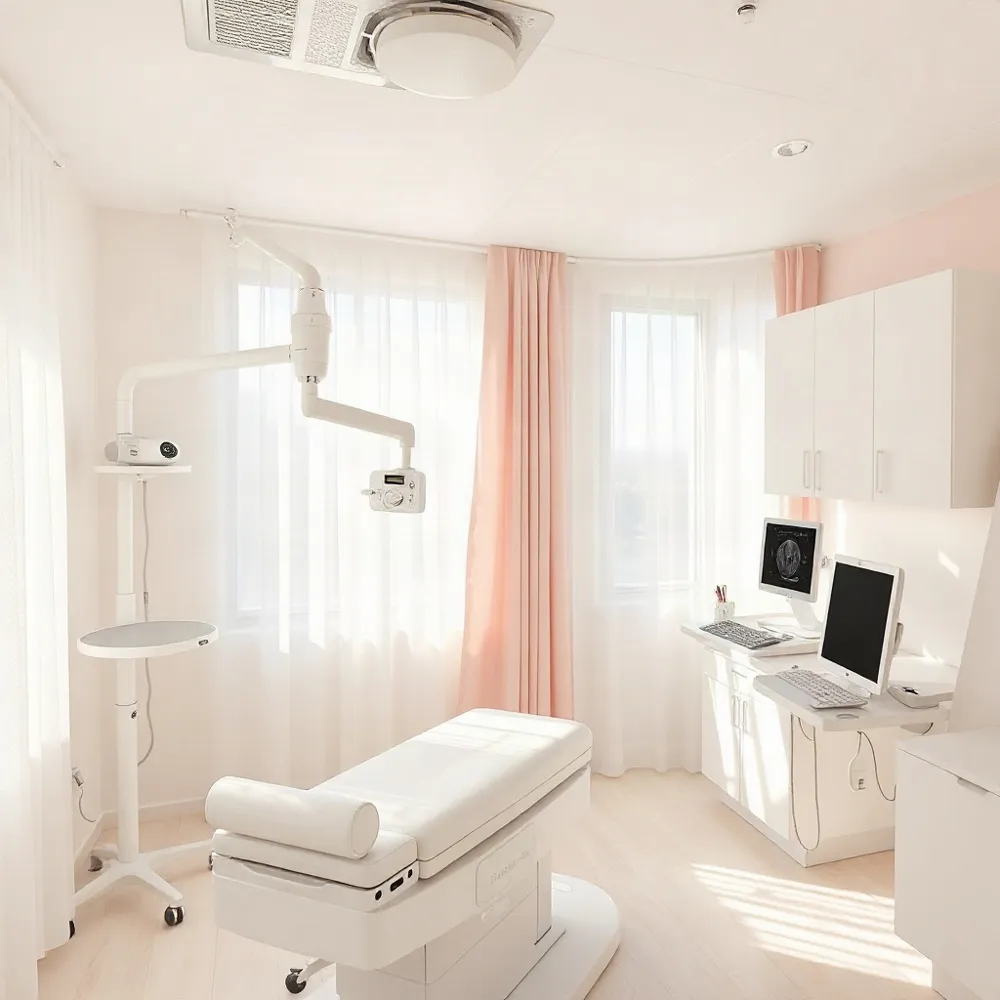
Understanding Preconception Genetic Testing for a Healthier Pregnancy
The Importance of Preconception Genetic Testing
Understanding Preconception Genetic Testing for a Healthier Pregnancy
Follow us here:


Contraceptive counseling is a vital part of women's healthcare, helping individuals make informed decisions about family planning and reproductive goals. Effective counseling addresses diverse contraceptive methods while considering each person's unique needs and life changes—from desire for pregnancy to health concerns. In cities like Queens, NY, where populations are culturally diverse, counseling must be especially sensitive and patient-centered to effectively overcome barriers faced by marginalized communities.
At the heart of contraceptive counseling is empowerment. It supports women and individuals in making reproductive choices aligned with their values and life circumstances without coercion. Shared decision-making encourages open dialogue between patients and providers, enhancing trust and satisfaction with care. This approach recognizes autonomy, allowing people to start, switch, or discontinue contraception freely and with confidence.
Broadening the scope, contraceptive counseling guided by a reproductive justice framework emphasizes fundamental rights. This framework upholds bodily autonomy, the right to have children or not, and to parent safely within supportive communities. It also acknowledges historical reproductive mistreatment of marginalized groups and aims to provide equitable, respectful, and culturally sensitive care that recognizes and overcomes systemic inequities.
Together, these principles form the foundation of patient-centered contraceptive counseling, an essential service in promoting women’s health and well-being.

Comprehensive obstetrics and gynecology care covers a broad spectrum of services to support women's reproductive health from adolescence through adulthood. This care includes routine gynecological examinations, cancer screenings such as Pap smears and mammograms, and family planning, including Contraceptive counseling and a variety of birth control options like IUDs and implants.
Pregnancy care is a central component, focusing on personalized prenatal visits, high-risk pregnancy care, and postpartum support. Facilities in Queens such as NYU Langone Obstetrics & Gynecology Associates and NewYork-Presbyterian Queens provide advanced maternal–fetal medicine specialists, ensuring safe labor and delivery along with neonatal intensive care units for newborns needing special attention.
Gynecologic care extends to managing conditions like endometriosis symptoms and treatment, fibroids, and menopause symptoms, with access to minimally invasive surgeries and specialized centers dedicated to women's health issues. Preventive care also plays a crucial role, including vaccination programs for HPV starting at age nine, routine STI testing, and education around healthy relationships and lifestyle.
Queens health providers emphasize accessibility and cultural sensitivity. Many clinics offer multilingual services, affordable care, and support tailored to diverse populations, including Barriers faced by BIPOC and low-income populations. Patient-centered approaches promote shared decision making in contraception and respect for individual preferences, ensuring that women receive equitable and empowering healthcare.
Woman-led healthcare providers bring a unique and essential perspective to women’s health care, greatly enhancing the quality and effectiveness of services offered. These providers often incorporate a compassionate, Patient-Centered Contraceptive Counseling approach that deeply understands and respects women's diverse health needs across their life spans.
Female leaders and physicians tend to communicate more empathetically and spend additional time with patients, which builds stronger trust and improves adherence to treatment and outcomes. Such communication fosters open dialogue, allowing women to express concerns and preferences more freely, essential elements for personalized care.
Moreover, woman-led teams are more likely to prioritize and advance women’s health research, addressing historically overlooked conditions such as endometriosis, autoimmune diseases, and reproductive justice framework issues. This leadership encourages the development of inclusive policies and practices within healthcare settings, contributing to greater equity.
Gender diversity in leadership also supports mentorship for emerging female medical professionals, helping to reduce bias and promote holistic care models that emphasize both physical and mental health.
Overall, woman-led healthcare providers create environments that empower women through respect, culturally sensitive care, and comprehensive support across obstetrics, gynecology, and wellness services, leading to higher satisfaction rates and improved health outcomes.
Personalized women's health care in Queens offers a tailored approach that respects each woman's unique biology, lifestyle, and health goals. This customization improves diagnosis accuracy and treatment effectiveness, directly benefiting patient outcomes.
Utilizing biometric data like blood pressure alongside menstrual cycle tracking empowers clinicians to identify and manage conditions such as polycystic ovary syndrome (PCOS), endometriosis, and premenstrual dysphoric disorder (PMDD) with greater precision. These data help tailor treatments to specific needs, reducing guesswork.
By focusing on an individual’s unique health profile, personalized care moves beyond generic protocols. This approach leads to quicker, more accurate diagnoses, minimized side effects, and treatments closely aligned with personal preferences, increasing patient satisfaction and adherence.
Institutions such as Northwell Health are advancing personalized medicine by incorporating routine monitoring and offering clinical trials tailored to women. These initiatives decrease trial-and-error approaches, fostering equitable access to innovative therapies.
Overall, personalized women's health care promotes empowerment, equity, and optimized health outcomes through targeted, patient-centered strategies.
Recent breakthroughs in women's health care have notably transformed Empowering women and girls in reproductive health, enhancing both the quality and accessibility of care.
Techniques like laparoscopic and robotic-assisted surgeries now allow for precise treatment of gynecologic conditions such as endometriosis and fibroids. These minimally invasive surgeries result in smaller incisions, less pain, quicker recovery times, and reduced risk of complications compared to traditional open surgery.
Early and advanced prenatal genetic screening enables detection of a wide range of fetal abnormalities. This improvement helps expectant mothers and healthcare providers manage high-risk pregnancy care more effectively, prepare for potential complications, and make informed decisions about care plans.
New contraceptive options such as implants and intrauterine devices (IUDs) offer long-term, effective pregnancy prevention. These options empower women to choose methods that align with their lifestyles and Contraception and reproductive goals, with the flexibility to discontinue use quickly if desired.
Telehealth services have expanded access to NYU Langone Obstetrics & Gynecology Associates without geographic or transportation barriers. This growth in virtual consultations, counseling, and follow-up care provides convenient, patient-centered support, especially benefiting diverse populations in Queens and similar communities.
These advancements collectively promote personalized, ethical, and inclusive Patient-Centered Contraceptive Counseling, giving women greater autonomy and supporting healthier outcomes throughout their reproductive lives.
Shared decision making in contraception is an ethical approach in contraceptive counseling that balances providing clinical information with respecting the patient's personal values and preferences. This method promotes trust and satisfaction, empowering patients to make informed choices aligned with their Contraception and reproductive goals. By involving patients actively, healthcare providers foster a collaborative environment where contraceptive methods are tailored to each individual's needs.
Recognizing the long history of Historical reproductive mistreatment and its impact, especially among marginalized communities such as Black, Indigenous, and People of Color (BIPOC), is crucial. Providers must approach counseling with cultural sensitivity and awareness of these past injustices. This includes minimizing Counselor biases in contraceptive care and creating a respectful space that acknowledges patients' lived experiences and concerns, thereby reducing Barriers to accessing contraceptive services.
A foundation of the Reproductive justice framework is bodily autonomy—the right to make decisions about one's own body without coercion. Contraceptive counseling must prioritize patients’ values and choices, allowing them to initiate, continue, switch, or discontinue contraception promptly. Avoiding pressure ensures ethical care and supports Prioritizing patient values and experiences, making reproductive health a personal and safe journey.
Consistent follow-up after contraception initiation is vital to address any side effects, provide reassurance, and support method satisfaction or changes as desired. Regular communication helps identify issues early and reinforces patient confidence in the chosen method. For diverse populations like those in Queens, NY, Culturally sensitive contraceptive counseling in Queens, NY enhances accessibility and effectiveness of contraceptive services.
This Patient-Centered Contraceptive Counseling framework ultimately supports reproductive health equity by honoring individual needs, fostering trust, and prioritizing informed, autonomous choices.
Women from Black, Indigenous, and People of Color (BIPOC) communities, along with uninsured and low-income individuals, face significant challenges accessing comprehensive reproductive health services. These include limited availability of culturally sensitive care, financial obstacles, and institutional biases that restrict their access to contraception and maternal health support, especially in diverse areas like Queens, NY.
Historical mistreatment, such as forced sterilizations and non-consensual experimentation on marginalized groups, has led to profound mistrust towards healthcare providers. Recognizing this legacy is critical in reshaping contraceptive counseling to uphold bodily autonomy and respect, which is central to the reproductive justice framework.
Patient-centered contraceptive counseling that uses open communication, visual aids, and shared decision-making is essential. These approaches acknowledge patients' lived experiences and prioritize their values to build trust. Minimizing counselor biases in contraceptive care and allowing freedom to switch or discontinue contraception respectfully forms part of ethical, culturally competent care.
Addressing stigma involves creating safe environments free from judgment, providing education tailored to diverse cultural contexts, and promoting accessible services without coercion. Programs integrating reproductive justice framework and gender equality principles empower marginalized communities to make informed choices with dignity.
This multi-pronged approach ensures that reproductive health services respond to the complex needs of marginalized groups, fostering equity and empowerment across Queens and beyond.
Queens offers a wide variety of contraception methods to meet diverse reproductive needs. Options include intrauterine devices (IUDs), implants, pills, patches, rings, injectables, condoms, sterilization procedures, and emergency contraception. This variety ensures individuals can choose methods best suited to their health and lifestyle.
Throughout Queens, there are numerous family planning clinics in Queens, NY—part of over 160 across New York State—that provide accessible and affordable reproductive health services. These clinics accept many insurance plans and offer discounts based on income levels, removing financial barriers and making compassionate Contraceptive counseling and related care available to all.
Public health insurance programs such as the Family Planning Benefit Program and Family Planning Extension Program play a vital role in increasing access to confidential family planning services. These initiatives help uninsured and low-income individuals obtain contraception and related health services without prohibitive costs.
To enhance convenience and maintain care continuity, especially during public health challenges like COVID-19, many family planning clinics in Queens offer telehealth options. This allows patients to receive contraceptive counseling, prescription refills, and follow-up support remotely, improving overall access and satisfaction.
Together, these comprehensive services in Queens facilitate informed reproductive choices, emphasizing affordability, accessibility, and respectful Patient-Centered Contraceptive Counseling.
Midwives play an essential role as the first point of healthcare contact during pregnancy. They provide prenatal care, assist with labor and delivery, and contribute to reducing maternal mortality by ensuring safer childbirth experiences. Programs that integrate midwives with traditional birth attendants in Sierra Leone have been successful in transforming childbearing practices and improving outcomes, especially in areas with high maternal mortality rates like Sierra Leone. These efforts support Supporting safe, facility-based deliveries worldwide and highlight the Role of midwives in maternal health initiatives.
Postpartum support is critical for a mother’s well-being. Comprehensive care includes mental health services to address postpartum depression and anxiety. Social support initiatives provide essential resources and parenting education, reinforcing that motherhood should be a choice met with respect and understanding. This includes Postpartum mental health care and social support and Education on parenting roles and respectful maternity care.
Programs actively promote gender equality by involving fathers in parenting education. This approach challenges traditional caregiving roles and encourages shared responsibility, ensuring that parenting duties are not seen solely as a woman’s burden. Such education strengthens family bonds and supports equitable caregiving through Promoting gender equality in caregiving and Including fathers in parenting education.
Respectful maternity care centers on upholding reproductive rights and delivering culturally sensitive services. It prioritizes the dignity, privacy, and choices of each woman during pregnancy and childbirth. This care framework combats discrimination and coercion, fostering trust between women and healthcare providers and enhancing the quality of maternal healthcare. It is grounded in Advocating for reproductive rights and culturally sensitive practices and Building trust between women and healthcare providers.
Together, these aspects amplify women's empowerment by supporting their reproductive and maternal health holistically, extending well beyond contraception to encompass mental, social, and familial well-being.
Women frequently face delays in diagnosis, especially for conditions that predominantly affect them such as autoimmune diseases (like lupus), endometriosis, fibroids, and polycystic ovary syndrome (PCOS). Misinterpretation of women's symptoms can lead to their dismissal or incorrect labeling as mental health issues, which complicates timely and appropriate care. Learn more about Empowering Women in their Health Journey.
Research indicates women often receive inadequate pain management compared to men. This disparity contributes to prolonged suffering and contributes to a cycle of under-treated symptoms that impact women’s quality of life. Further details can be found under Empowering Women in their Health Journey.
Healthcare inequalities compound these diagnostic and treatment delays. Women of color more commonly encounter dismissive attitudes and experience barriers to accessing comprehensive care, intensifying mistrust and poorer health outcomes. For more information, see Empowering Women in their Health Journey.
Historically limited women’s health research has restricted understanding of gender-specific symptoms and disease patterns. Continuing efforts in provider education and research aim to improve diagnostic accuracy and culturally competent care. Addressing these disparities is crucial for equitable healthcare delivery and improved health outcomes for all women, particularly those from marginalized communities. Explore more via Empowering Women in their Health Journey.
Contraceptive counseling is central to supporting women's diverse reproductive, social, and personal goals. It is a dynamic process that respects evolving needs over a lifetime, influenced by health, relationships, and personal desires. Prioritizing patient values, providing clear guidance, and avoiding coercion build trust and promote informed decisions.
Ensuring equitable access to personalized and culturally sensitive reproductive care is vital, especially for marginalized communities such as BIPOC and low-income populations. Recognizing historical injustices and current barriers helps healthcare professionals to foster respectful counseling that honors bodily autonomy and reproductive justice. This approach enhances satisfaction and continuity of care.
Empowering women requires ongoing commitment to dismantling disparities and advancing inclusive healthcare models. Support for shared decision-making, comprehensive education, and sensitive clinical environments is essential. Together, we can strengthen women’s autonomy and well-being across diverse communities, fostering reproductive freedom and health equity for all.

.png)
%201.png)
Compassionate care for every stage of womanhood. Visit one of our convenient locations or book your appointment online today.