A Personal Guide to Birth Control Choices
Choosing Birth Control That Fits Your Health and Lifestyle
A Personal Guide to Birth Control Choices
Follow us here:


Many breast changes, including most breast lumps, are not cancer. Still, a new or persistent change deserves attention, and a recent normal mammogram should not be a reason to ignore it. A healthcare professional can help assess what may be causing the change, as Mayo Clinic explains.
Breast self-awareness means knowing how your breasts usually look and feel, so you can notice something different. It does not require a scheduled monthly self-exam, and it does not replace clinical care or recommended imaging. Familiarity with your own baseline can simply help you describe a concern.
This article covers changes to report, how a gynecologist may help assess them, and what evaluation can involve. A symptom-focused assessment is different from routine screening, which looks for cancer when there are no signs or symptoms. At raveco.com, breast concerns can be discussed as part of personalized obstetrics and gynecology care in Queens, New York.

A change does not automatically mean cancer, but it is worth discussing if it is new, distinct, or persistent. Contact a healthcare professional about a lump or thickening in the breast or underarm, especially if it feels different from nearby tissue or the other breast, or remains for a month or two. Most breast lumps are benign, but an exam can help identify the cause. Mayo Clinic’s guidance on breast changes recommends evaluation of new or lasting concerns.
Also mention a change in breast size, shape, or appearance, or pain that is new and localized or continues beyond your next menstrual period. Skin changes can include dimpling, puckering, redness, swelling, itching, or scaling. Nipple changes worth reporting include persistent crusting or scaling, discharge, or a nipple that has newly turned inward. Redness may be harder to see on Black or brown skin, so changes in texture or other aspects of appearance matter too.
A lump should be assessed even if it moves or does not hurt. Likewise, a nipple that has always been inverted or familiar lumpiness may be part of your usual pattern, while a newly developed change deserves attention. Note where the change is and when it began so you can describe it clearly at a visit.
Menstrual cycles, pregnancy, menopause, and hormone use can affect how breast tissue feels. That context can help a clinician interpret a symptom, but it should not be used to dismiss a distinct or persistent change. A gynecologist can discuss breast concerns as part of personalized women’s health care at raveco.com; ACOG’s patient information on benign breast conditions also explains why symptoms may still need assessment and follow-up.

Breast awareness is about knowing what is usual for you, not following a required self-exam technique or schedule. You may notice changes while bathing, getting dressed, looking in a mirror, or gently feeling your breasts.
Include the whole breast area, from the collarbone to the underarms. Look and feel for a new or persistent lump or thickening, swelling, skin dimpling or puckering, redness, or a change in nipple position, appearance, or sensation. Note any unusual nipple discharge, especially bloody fluid.
A home check cannot tell you what caused a change. Most breast lumps are benign, but new or concerning changes, including dimpling or bloody discharge, should be discussed with a healthcare professional rather than diagnosed at home. Mayo Clinic advises evaluation of new breast changes.
Breast awareness supports, but does not replace, clinical evaluation or recommended mammography. Screening guidance depends on age and individual risk, so discuss timing and any symptoms with your clinician. A gynecologist can help assess concerns and guide next steps; Raveco provides personalized obstetrics and gynecology care.

A gynecologist can help assess a breast concern by asking when it began, whether it has changed or persisted, and what other symptoms you have noticed. They may also ask about medications, personal health history, and family history, which can help guide decisions about next steps. At raveco.com, gynecologic care is part of a comprehensive, personalized approach to women's health in Queens.
A clinical breast exam may include looking at the breasts and nipples, checking the skin, and feeling the breasts, underarms, and nearby lymph nodes for changes. Your clinician may ask whether a feature is new or has been present for a long time. A clinical breast exam provides information about changes that can be seen or felt, while imaging offers a different view of breast tissue.
After an exam, your gynecologist can help decide whether further assessment is appropriate, arrange diagnostic imaging such as mammography or ultrasound, or refer you to a clinician who specializes in breast disease. ACOG guidance on benign breast disorders describes the role of obstetrician-gynecologists in evaluating breast symptoms and coordinating care when needed.
A clinical exam does not replace recommended mammography or other indicated imaging. If you notice a new or persistent change, you can discuss it with your gynecologist rather than waiting for your next routine screening appointment. You can also prepare for a gynecology visit by noting when the change began and what you have observed.
When you report a breast concern, your clinician will ask about what you have noticed, when it began, whether it has changed, and any related pain or discharge. They may also ask about medications, personal health history, and family history to understand your risk.
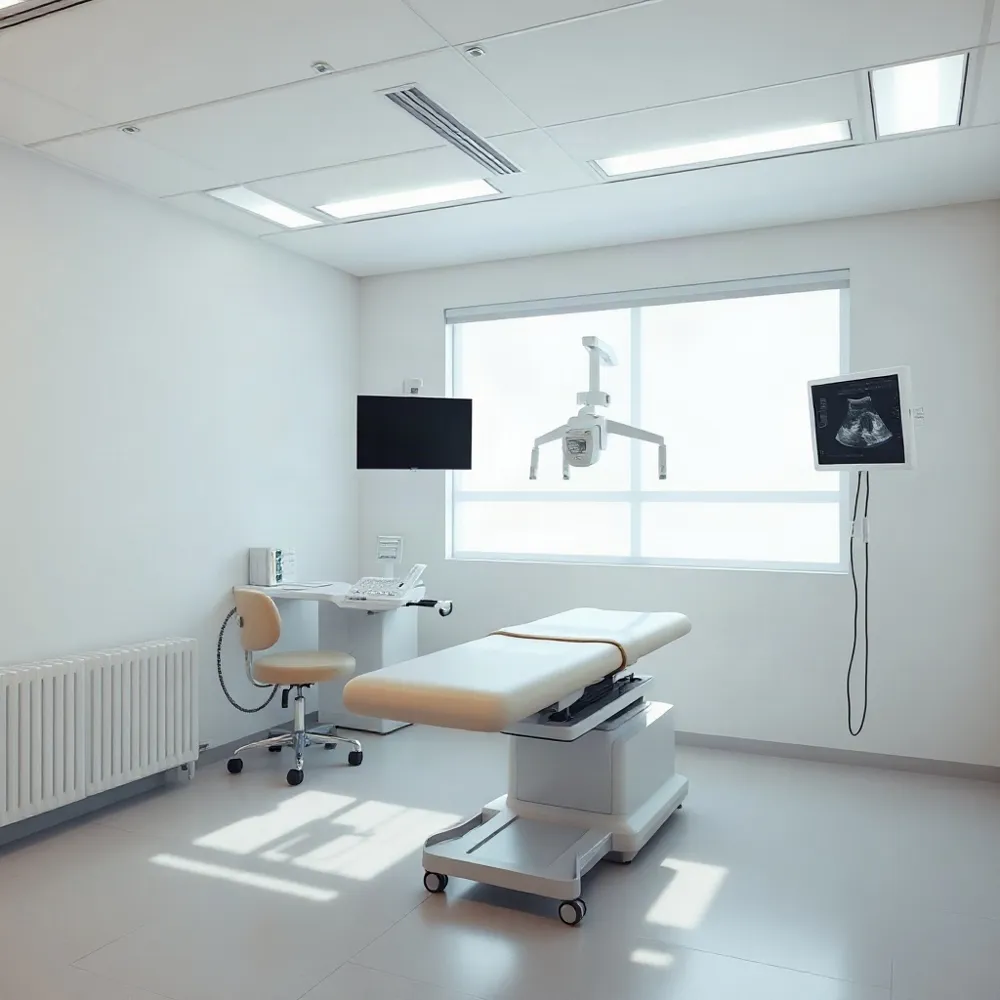
A clinical breast exam may include looking at and feeling the breasts, nipples, and underarm area. If more information is needed, imaging is chosen according to the finding and your clinical assessment. Ultrasound can help show whether a lump is fluid-filled or solid; diagnostic mammography or, in selected cases, MRI may also be considered. Mayo Clinic describes these evaluation options.
If an examination and imaging do not fully explain an abnormal area, a clinician may recommend a biopsy, which tests a small sample of tissue or cells. A biopsy recommendation does not mean that you have cancer; it is a way to clarify what the finding is. Your gynecologist can help assess common breast conditions and arrange further evaluation or referral when needed, as outlined in ACOG guidance on benign breast disorders.
Care depends on the diagnosis. Some benign findings need no treatment, while others may benefit from symptom relief, monitoring, follow-up imaging, or specialist review. Certain findings can affect future breast cancer risk, so the follow-up plan should reflect your results and health history. Raveco's Queens-based obstetrics and gynecology care provides a setting to discuss breast concerns alongside your broader health needs.
Before leaving, ask what the results mean, who will contact you, and when follow-up is recommended. If a change continues or the explanation does not resolve your concern, tell your clinician and ask whether another assessment or referral is appropriate.
Screening mammography looks for cancer in people without symptoms. A new lump, nipple discharge, skin change, or other concern calls for diagnostic evaluation, even if your next routine mammogram is not due. The distinction between screening and diagnostic evaluation matters: contact a healthcare professional about a new change rather than waiting for screening.
A clinical breast exam is a hands-on assessment by a healthcare professional, not a substitute for mammography. For people at average risk who have no symptoms, routine exams are not generally recommended as a stand-alone screening test; an exam may still be appropriate when you have a symptom or as part of an individualized care plan. A gynecologist can discuss concerns and help determine whether further assessment is needed, consistent with ACOG guidance on breast cancer risk assessment and screening.
For women at average risk, the U.S. Preventive Services Task Force recommends a mammogram every two years from ages 40 through 74, according to the CDC’s screening guidance. Other organizations’ recommendations can differ. Discuss the timing and interval that fit your health history and preferences with your clinician. At our practice in Queens, personalized obstetrics and gynecology care includes a place to discuss screening questions alongside other health concerns.
Risk may be affected by a personal history of breast cancer or certain breast conditions, inherited mutations such as BRCA, radiation to the chest at a young age, or family history. Share relevant relatives’ breast or ovarian cancer diagnoses, their ages at diagnosis, and any genetic test results, including information from both sides of the family. A risk assessment can guide discussion of genetic counseling, testing, or additional imaging. Your gynecologist can help consider these details and determine whether an individualized screening plan is appropriate.
A callback means the screening images need further review or testing to clarify a finding. It is not a cancer diagnosis. Follow-up may include additional mammogram views or other imaging, and sometimes a biopsy. The recommended next step depends on what the images show, as ACOG explains in its mammography guidance.
About 10% of screening mammograms lead to a callback, and about 7% of those callbacks result in a cancer diagnosis. This means most callbacks do not find cancer. The figures are estimates, and your own follow-up plan will depend on your results.
Complete the recommended follow-up, even if you feel well or recently had a normal exam. Ask your clinician to explain the report, what test or appointment comes next, and when you can expect results. If you are worried, say so; understanding the plan can make the waiting period easier.
At raveco.com, breast concerns can be discussed as part of personalized obstetrics and gynecology care in Queens, NY. A gynecologist can help review what a callback means and guide you toward appropriate next steps.
Noticing a breast change does not mean it is cancer. Sharing it with a healthcare professional allows them to decide whether an examination, imaging, or follow-up is appropriate. A clinical breast evaluation can help clarify what to do next.
When you contact your clinician, describe what changed, where you noticed it, when it began, and whether it has persisted or changed further. Ask what assessment is recommended, when you should expect results, and whom to contact if the change continues. At raveco.com, gynecologists provide personalized women's health care, making a gynecology visit an appropriate place to raise a breast concern.


Compassionate care for every stage of womanhood. Visit one of our convenient locations or book your appointment online today.