
A Personal Guide to Birth Control Choices
Choosing Birth Control That Fits Your Health and Lifestyle
A Personal Guide to Birth Control Choices
Follow us here:


A change in your period or questions about getting pregnant can bring uncertainty. Uterine fibroids are usually benign growths in or around the uterus. Some cause no noticeable symptoms; others may contribute to heavy or painful bleeding, pelvic pressure, or concerns about pregnancy.
A fibroid diagnosis does not mean you cannot conceive, and treatment is not always needed. Effects vary with each person’s symptoms and with fibroid size, number, and location. At Raveco, a woman-led Queens obstetrics and gynecology practice, care is personalized to each patient’s health needs and goals. An evaluation can help clarify what is happening and guide next steps.

Uterine fibroids, also called leiomyomas, are usually benign growths made of muscle and connective tissue that form in or on the uterus. They can develop singly or in groups and range from very small to much larger; many do not cause symptoms. Learn more about what fibroids are and why they develop.
The exact cause is not fully understood. Changes in uterine muscle cells and the hormones estrogen and progesterone appear to play a role. Fibroids are more common during the reproductive years, may grow when hormone levels are higher, and often shrink after menopause, when those levels decline. Family history and age can affect a person’s risk, but fibroids are not caused by anything someone did. Cleveland Clinic’s overview of uterine fibroids describes these factors and how fibroids can change over time.
Location helps describe the main types: submucosal fibroids extend toward the uterine cavity, intramural fibroids grow within the muscular wall, and subserosal fibroids grow on the outer surface. At Raveco, clinicians provide personalized obstetric and gynecologic care, which can help patients discuss how fibroid location and symptoms relate to their health.

Fibroids may cause no symptoms, but changes in bleeding or new discomfort deserve attention. Periods can become heavy or prolonged, bleeding may occur between periods, and some people pass large clots. Other possible symptoms include pelvic pressure or pain, lower-back pain, bloating, pain during sex, frequent urination, and constipation. These symptoms can also have causes other than fibroids, so an evaluation can help clarify what is happening. Cleveland Clinic’s overview of fibroid symptoms describes the range of possible effects.
Heavy or ongoing bleeding can lead to anemia, which may cause fatigue, weakness, dizziness, or shortness of breath. A sudden, localized pain may sometimes occur when a fibroid outgrows its blood supply, but other conditions can cause acute pelvic pain. Contact a healthcare professional about new, persistent, or worsening pain. Seek prompt care for sudden severe pain, especially when it comes with fever or heavy bleeding.
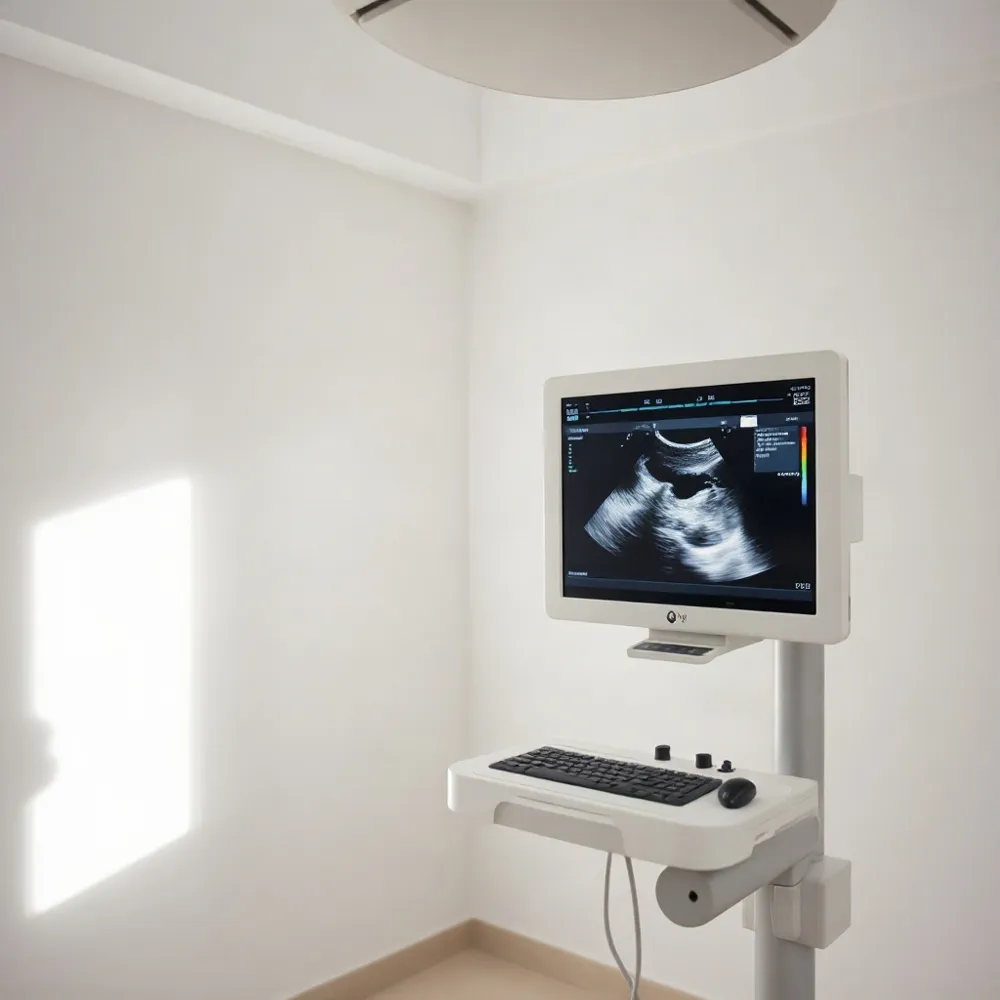
A clinician may first suspect fibroids during a pelvic exam and use ultrasound to confirm them and map their size and location. Depending on symptoms, blood tests or additional imaging may help assess anemia or clarify the findings. Raveco’s OB/GYN care in Queens includes evaluation and personalized support, so patients can discuss symptoms and next steps with a women’s health provider.
Tracking bleeding, pain, and other changes can help you describe what you are experiencing at an appointment, but symptoms alone cannot confirm or rule out fibroids. An OB/GYN can recommend an appropriate assessment and discuss care in light of your health and pregnancy plans.

Fibroids are usually benign, and treatment is not automatically necessary. If they cause no symptoms, monitoring with a gynecologist may be appropriate. The plan can account for symptoms, fibroid size and location, overall health, and pregnancy goals. At Raveco, women’s health care is tailored to each patient, giving these factors room in conversations about care.
Fibroids are not known to turn into cancer. A rare uterine cancer called leiomyosarcoma is a separate condition that can resemble a fibroid, so symptoms or a mass that changes quickly should be assessed rather than assumed to be cancer. Cleveland Clinic’s guidance on uterine fibroids notes that heavy or irregular bleeding, pelvic pain, and pressure are reasons to contact a healthcare provider.
Options range from observation to medicines for bleeding or pain and procedures. GnRH-based medicines may temporarily shrink fibroids, while treatments such as birth control pills may ease bleeding without usually reducing fibroid size. Myomectomy removes fibroids while preserving the uterus; hysterectomy removes the uterus and ends the ability to carry a pregnancy. Other procedures can also affect fertility, so discuss their risks in light of pregnancy plans. Raveco provides obstetrics and gynecology care in Queens, where treatment discussions can consider both symptom relief and future reproductive goals.
Fibroids may remain stable, grow, or shrink, and they often become smaller after menopause, though they may not disappear. There is no proven way to prevent them; follow-up can help track changes and guide care. Seek medical advice for heavy bleeding, unusual fatigue or dizziness that could accompany anemia, pelvic pain or pressure, urinary or bowel problems, or fertility concerns. Bleeding after menopause, trouble emptying the bladder, or rapidly worsening symptoms call for prompt evaluation. Changes do not necessarily signal cancer, but an examination and imaging can help identify their cause.
A fibroid diagnosis does not mean you are infertile. Many people with fibroids become pregnant, and the effect on fertility depends on the fibroid’s location and size, as well as other factors. The American Society for Reproductive Medicine’s fibroid and fertility guidance notes that most people with fibroids are not infertile.
Fibroids that bulge into or distort the uterine cavity, called submucosal fibroids, are more likely to interfere with implantation. Large intramural fibroids within the uterine wall may also matter if they change the cavity or affect nearby structures. Subserosal fibroids on the outer surface generally have less direct effect on fertility.
Depending on their position, fibroids may alter the uterine cavity, affect sperm entering the uterus, or make it harder for an embryo to reach or implant in the uterine lining. These possibilities do not establish that a fibroid is the cause of an individual’s difficulty conceiving. A fertility assessment should consider other causes, too.
At Raveco, individualized obstetrics and gynecology care in Queens can help patients review fibroid findings alongside pregnancy goals. In selected cases, a myomectomy, which removes fibroids while preserving the uterus, may improve the chance of conception. It is not a universal solution, and surgery can cause scar tissue that may affect fertility.
Pregnancy may be possible after treatment, but prospects and the safest time to try depend on personal circumstances, including age, fibroid characteristics, and other fertility factors. Discuss potential benefits and risks with an OB-GYN or fertility specialist before choosing treatment or planning conception. The University of Chicago Medicine’s guidance on fibroids and pregnancy also emphasizes assessing other possible causes when conception is difficult.
Many people with fibroids have healthy pregnancies. The number, size, and location of the growths can affect the chance of complications, but a fibroid diagnosis alone does not mean a cesarean birth is necessary.
Larger or multiple fibroids may be linked with pain, preterm birth, changes in the baby’s position, cesarean delivery, or bleeding after birth. Most fibroids do not cause problems during pregnancy, and care is tailored to each patient’s health and pregnancy. ASRM’s patient guidance on fibroids and pregnancy describes these potential effects and notes that surgery during pregnancy is rarely needed.
An obstetric clinician may use prenatal visits and ultrasound to follow the pregnancy and fibroids, with additional imaging considered when needed. Pain is usually managed without surgery; procedures during pregnancy are generally reserved for selected situations. At Raveco, pregnancy care is part of comprehensive obstetrics and gynecology services, with care tailored to individual needs.
Discuss pregnancy plans and known fibroids with your obstetric clinician, including how their location may affect monitoring or birth planning. If you have had a myomectomy, tell the clinician who will manage your delivery, since the surgical history may influence recommendations.
Changes in bleeding, pain, or difficulty conceiving deserve attention, but they do not by themselves show that fibroids are the cause. An evaluation can help identify what is happening and whether fibroid location or size matters for your situation. Cleveland Clinic’s fibroid overview explains why symptoms and care vary.
At an OB-GYN visit, describe your symptoms and how they affect daily life, and share whether you hope to become pregnant. Ask what tests may clarify the diagnosis, whether monitoring is appropriate, and how treatment options could affect future pregnancy. At Raveco, individualized obstetric and gynecologic care in Queens can support these conversations and help shape a plan around your health goals.


Compassionate care for every stage of womanhood. Visit one of our convenient locations or book your appointment online today.