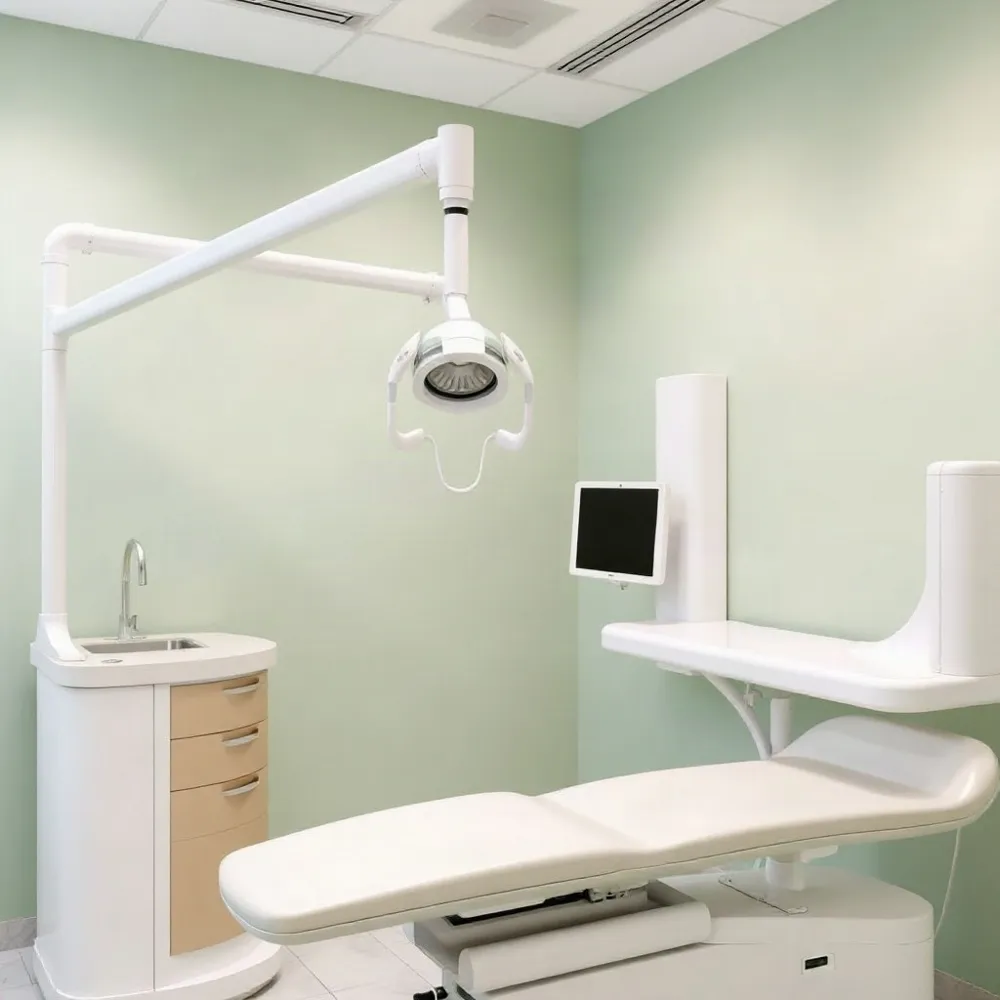
Protecting Ovarian Health: Signs, Symptoms, and Proactive Care
What Every Woman Should Know About Ovarian Health
Protecting Ovarian Health: Signs, Symptoms, and Proactive Care
Follow us here:



Selecting the right contraception is a deeply personal process that depends on your unique health history, lifestyle, and reproductive goals. Two popular and highly effective options include the daily oral contraceptive pill and the long-acting intrauterine device (IUD).
At Raveco, we believe that making an informed decision requires looking past general data. While both methods are widely recognized contraceptive options, the best choice depends on whether you prefer the autonomy of a daily routine or the convenience of a 'set-it-and-forget-it' device, as noted by organizations like the NHS.
Compassionate guidance from your healthcare provider is essential during this process. Whether you are managing symptoms or planning for future pregnancy, our team at Raveco provides the personalized support necessary to match national standards with your individual needs.

Selecting a contraceptive method is a personal decision that requires weighing your health history, lifestyle preferences, and long-term reproductive goals. There is no singular choice that works for everyone, and the primary options fall into several distinct categories. Some individuals prefer short-acting methods like birth control pills, which require consistent daily adherence to maintain effectiveness, while others find benefit in the set-it-and-forget-it convenience of long-acting reversible contraceptives, or LARC, such as intrauterine devices or implants.
There is no single best method for everyone. Family planning options range from short-acting methods like birth control pills to long-acting reversible contraception (LARC) such as intrauterine devices (IUDs) and implants. Barrier methods, such as condoms, are also available and provide the added benefit of protection against sexually transmitted infections, as noted by the CDC. Other approaches include natural fertility awareness methods, hormonal injections, and permanent sterilization procedures. Choosing the right method is a personal decision that depends on your health history, lifestyle, frequency of intercourse, and future reproductive goals.
At raveco.com, our specialized obstetrics and gynecology team provides compassionate, personalized guidance to help you navigate these choices. We emphasize that every patient's needs are unique, and we align our recommendations with national standards to prioritize both efficacy and your individual wellness. Whether you are interested in comparing the daily commitment of oral contraceptives to the convenience of an IUD, or need clarity on how different hormonal levels might impact your health, we take the time to evaluate all factors of your care.
| Method Category | Key Example | Primary Consideration |
|---|---|---|
| Short-acting | Daily Pill | Requires daily routine |
| LARC | IUD | Long-term protection |
| Barrier | Condom | STI protection |

When comparing the IUD to oral contraceptives, understanding the distinction between perfect use and typical usage is essential. Both methods are highly effective, with both the IUD and birth control pills boasting a success rate of over 99% when followed exactly as directed according to Cleveland Clinic.
At Raveco, we often emphasize that the IUD is frequently considered more reliable in real-world scenarios than daily pills. Because the IUD is a long-acting, reversible contraceptive that requires no daily patient effort, it eliminates the risk of human error. In contrast, the effectiveness of the pill can drop to approximately 95% due to missed doses or inconsistent timing, as noted by Cleveland Clinic.
The pill requires strict, consistent daily adherence to maintain its peak efficacy, whereas the IUD offers a set-it-and-forget-it approach that functions continuously for years. Our team at raveco.com helps you determine which option best fits your daily routine and reproductive goals. Since the pill's effectiveness can fluctuate if doses are missed, the IUD is often preferred for those seeking a highly reliable, low-maintenance method.
The way your birth control functions depends on its contraceptive mechanism and how it delivers hormones to your body. Experts at raveco.com emphasize that choosing between locally acting and systemic options often comes down to your personal health goals and lifestyle preferences.
Hormonal IUDs. These devices, such as Mirena or Skyla, release a local, consistent stream of progestin directly into the uterus. This acts primarily by thickening cervical mucus to block sperm and thinning the uterine lining, which may also inhibit ovulation. Copper IUDs. The copper IUD is an entirely hormone-free option. It releases copper ions that create an environment toxic to sperm, effectively preventing fertilization without altering your body's natural hormonal balance. Oral Contraceptives. Birth control pills typically distribute hormones systemically. Combination pills (estrogen and progestin) generally work by preventing ovulation, while progestin-only mini-pills function by thickening cervical mucus to hinder sperm movement.
Understanding these differences is vital when deciding between a localized long-acting reversible contraceptive and a daily oral regimen. While pills offer flexibility for timing-sensitive needs, IUDs provide high efficacy with less systemic hormone exposure, aligning with recommendations from the CDC regarding personalized reproductive health care.
Understanding potential side effects is a foundational step in choosing a method of contraception. While effective, birth control pills and IUDs interact with your body in distinct ways, often influencing your experience of symptoms like mood changes, breast tenderness, nausea, or headaches.
The primary difference often relates to hormonal delivery. Birth control pills are systemic, meaning hormones circulate throughout your entire body, which can sometimes lead to side effects like mood changes, breast tenderness, or nausea. In contrast, hormonal IUDs, such as the Mirena or other FDA-approved devices, deliver progestin primarily to the uterus. This localized approach often minimizes systemic exposure while potentially leading to lighter or less frequent periods. Conversely, non-hormonal copper IUDs avoid hormonal side effects entirely, though they are commonly associated with an initial increase in menstrual flow or cramping.
Extensive scientific research indicates that birth control pills and IUDs do not cause significant fat gain for the vast majority of users. While some individuals may experience temporary sensations of bloating or subtle shifts in body composition, these are distinct from actual weight accumulation. Clinical studies consistently find no causal link between combined hormonal contraceptives and consistent weight increase. At raveco.com, we recognize the importance of these concerns and provide personalized counseling to help you navigate your options, ensuring that your chosen method aligns with your broader wellness objectives without the fear of unintended systemic side effects.
For many, navigating the challenges of chronic pelvic pain or excessive menstrual bleeding is a routine struggle that requires targeted clinical support. Both birth control pills and hormonal IUDs serve as valuable tools for clinical management, primarily by thinning the uterine lining and reducing overall inflammation.
Oral contraceptives provide a systemic approach that can be used continuously to suppress menstruation entirely, which helps many patients avoid the cyclical pain associated with endometriosis. By maintaining steady hormone levels, these daily medications help stabilize the reproductive environment. At Raveco, our providers often discuss how this daily consistency creates a predictable cycle that helps minimize flare ups of period-related pain.
Hormonal IUDs offer a different, localized alternative. By releasing progestin directly into the uterus, these devices work to thin the endometrium efficiently. For many patients, this results in significantly lighter periods or even the total cessation of bleeding after approximately one year of use. For those managing endo-related symptoms, this localized hormone delivery can reduce painful cramping and potentially limit the growth of new scar tissue, offering a more hands-off experience compared to daily pill adherence.
Each patient's experience with these options is unique, and personal health history plays a large role in determining the most effective course of action. Whether you require the systemic regulation afforded by pills or the convenience and localized impact of an IUD, consulting with a specialized team at Raveco allows us to build a birth control management plan that aligns with your specific treatment goals.
Many patients feel significant apprehension regarding IUD usage, often rooted in outdated information about safety or comfort. At raveco.com, our team focuses on clearing these hurdles by providing evidence-based insights that replace rumors with clinical reality.
Procedural Comfort. While placement is a physical procedure, the discomfort experienced during insertion is frequently manageable with options such as over-the-counter pain medication, local lidocaine, or anxiety relief. Our clinicians prioritize your comfort and can discuss these support measures during your appointment.Intimacy Concerns. A common worry is that a partner will feel the device during intercourse. In practice, the IUD strings are designed to be thin and flexible. After a few weeks, these strings typically soften and remain unnoticed by most partners.Future Fertility. Misinformation often suggests that long-acting methods lead to long-term infertility. In reality, fertility typically returns immediately once the device is removed by a provider. There are no lasting contraceptive effects once the IUD is gone.Universal Eligibility. Though some believe IUDs are intended only for those who have already given birth, they are a recommended, highly effective option for women across all stages of reproduction. Their safety and 99% efficacy profile make them a versatile choice for nearly every patient, regardless of your personal history.
Choosing the right contraception is about finding what aligns with your individual anatomy and lifestyle. raveco.com ensures each patient receives the personalized guidance necessary to make an informed, confident decision.
When assessing contraception, financial and lifestyle commitments are essential factors to consider. IUD insertion may involve an upfront cost between $1,300 and $1,800, whereas daily birth control pills typically range from $30 to $50 per month. Despite the higher immediate expense, IUDs are often more cost-effective over their multi-year lifespan due to the lack of recurring monthly charges.
Convenience also influences the decision, as IUDs are considered a 'set-it-and-forget-it' option that provides continuous birth control for several years without the need for daily patient action. In contrast, pills require strict daily adherence at a consistent time to maintain maximum efficacy. Practitioners at raveco.com provide guidance on selecting a method that fits your routine, ensuring that your care plan aligns with your comfort and lifestyle needs.
Both methods are entirely reversible, with no lingering impact on long-term fertility. While stopping the pill is something users can do on their own, an IUD must be removed by a healthcare professional. Once the device is removed or the pills are discontinued, many patients can attempt to conceive almost immediately. The clinical teams at raveco.com support patients through every stage of this transition to ensure that reproductive health goals are met with personalized care.
Method transitions. When switching from the pill to an IUD, it is important to maintain consistent protection by using both methods simultaneously for up to 7 days during the transition period. STI protection. Neither the birth control pill nor an IUD provides protection against sexually transmitted infections. Using condoms is always recommended to ensure defense against STIs. Emergency contraception. In cases of unprotected intercourse, certain IUD brands like Paragard can serve as highly effective emergency contraception if inserted by a professional within 5 days.

Selecting an ideal contraceptive requires balancing your specific health history, lifestyle patterns, and future family planning goals. While options like the birth control pill offer flexibility, others like long-acting IUDs provide set-it-and-forget-it reliability. At raveco.com, we help you bridge these choices with personalized care.
Your decision should prioritize clinical safety by consulting with a qualified healthcare provider. Professionals at raveco.com follow CDC evidence-based standards to match your unique profile with the most effective method, whether hormonal or non-hormonal. This consultation remains the most reliable way to navigate contraindications like high blood pressure or smoking history.
Taking time to evaluate your routine is vital. If daily adherence to a pill schedule feels challenging, long-acting reversible contraceptives may better serve your lifestyle. Our team at raveco.com ensures you have the necessary patient education to feel confident in your choice, supporting you from the initial conversation to long-term wellness.
Selecting the best contraceptive requires balancing your specific health history, lifestyle preferences, and reproductive goals. While oral contraceptives offer flexibility and easy reversal, an IUD provides long-term, high-efficacy protection without the need for daily maintenance.
There is no universal solution, as factors like medical history, hormone sensitivity, and desire for period management often dictate which method serves you best. At Raveco.com, we provide specialized consultations to help you navigate these choices within a compassionate, personalized environment. Because neither method protects against sexually transmitted infections, we encourage patients to discuss their full sexual health needs during their visit. We invite you to schedule a consultation with our clinicians to discuss your path forward.

.png)
%201.png)
Compassionate care for every stage of womanhood. Visit one of our convenient locations or book your appointment online today.