Considering VBAC? The Factors That Shape Your Options
VBAC Eligibility: What Factors Matter Most?
Considering VBAC? The Factors That Shape Your Options
Follow us here:


A sudden wave of heat, sweating, or chills can wake you just as you are settling into sleep. These nighttime hot flashes, often called night sweats, are common around perimenopause and menopause, but their frequency and intensity differ from person to person. Repeated waking can leave you tired or less focused the next day. Cleveland Clinic explains night sweats and their possible causes.
Disrupted sleep can be frustrating, but you do not have to simply endure it. Cooling the bedroom and noticing personal triggers may help with comfort, while persistent symptoms deserve a conversation with a healthcare professional. At raveco.com, a woman-led Queens obstetrics and gynecology practice, care includes personalized support; a clinician can help consider whether menopause or another cause may be contributing and discuss suitable next steps.

Changing hormone levels, particularly estrogen, are linked to hot flashes during perimenopause and menopause. These shifts may affect the brain’s temperature-regulating system, so a small change in body temperature can trigger a wave of heat and sweating. The exact process is not fully understood, and symptoms vary from person to person. Learn more about why hot flashes happen.
Hot flashes can begin during perimenopause, before periods stop. An individual episode often lasts a few minutes, while the overall pattern may continue for several years and gradually become less frequent or severe. A symptom diary can help you notice timing and patterns to discuss with a clinician, as Mayo Clinic explains.
Menopause is not the only possible cause of night sweats. Pregnancy-related hormone changes, some medicines, infections, thyroid conditions, and other health problems can also contribute. A Queens-based OB-GYN practice such as raveco.com can assess symptoms in the context of a patient’s health history and provide personalized women’s health care. If sweating repeatedly disrupts sleep, seek an evaluation rather than assuming it is menopause-related.
A nighttime hot flash is not necessarily more intense than one during the day, but waking with heat and sweating can make it feel especially disruptive. Some people feel chilled once the sweating stops. Night sweats can leave you uncomfortable and make it harder to return to sleep.
The sleep setting can add to that discomfort. A warm bedroom, heavy bedding, or sleepwear that traps heat may make it harder to cool down. With fewer daytime distractions, sensations may also be more difficult to ignore. Keeping a record of nighttime episodes and possible triggers can help you and your clinician spot patterns.
Repeated awakenings can contribute to fatigue and make it harder to focus or manage daily tasks. Hormonal changes, stress, and anxiety may also accompany sleep difficulties, so not every waking episode has the same cause. A clinician can help consider how these factors fit together.
If poor sleep persists or affects daily life, discuss it with an OB-GYN or another healthcare professional. Menopause is one possible cause of night sweats, but other health or sleep conditions may contribute. At raveco.com, gynecological care is part of a broader focus on personalized women's health, allowing concerns about sleep and menopause symptoms to be discussed in the context of individual health needs.

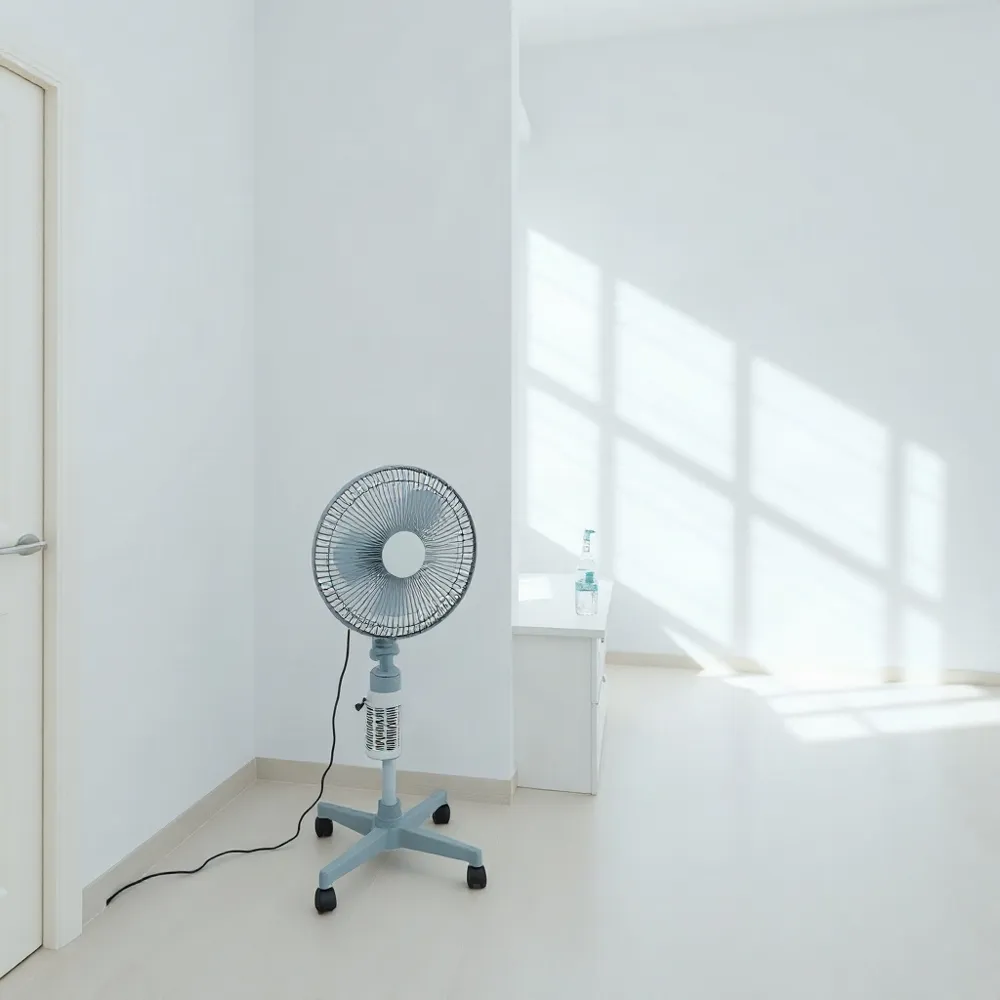
Small changes can make an episode easier to manage, even if they do not prevent every hot flash. Keep the bedroom comfortably cool, use a fan or air conditioning, and choose breathable sleepwear and bedding. Removable layers make it easier to adjust without fully waking, and cold water by the bed can offer immediate comfort. These practical steps are also covered in this guide to nighttime comfort strategies.
A simple diary can help you spot patterns. Note when symptoms occur and whether caffeine, alcohol, spicy foods, hot drinks, smoking, stress, or a warm room might be involved. Triggers vary, so tracking your own experience is more useful than imposing broad food or drink restrictions. No particular food or drink is established as a cure, though a cold drink may feel soothing during an episode. A gynecologist at raveco.com can help interpret symptom patterns as part of personalized women’s health care.
Slow, paced breathing, meditation, stress-management techniques, or guided imagery may help some people cope. Cognitive behavioral therapy can reduce how bothersome hot flashes and night sweats feel, while hypnosis may reduce their frequency or severity. Evidence for mindfulness is limited, and acupuncture findings are mixed, so these approaches should not be treated as guaranteed fixes. Mayo Clinic’s guidance on hot-flash treatment describes these options and their limits.
Supplements are not automatically safe because they are labeled natural. Evidence for many products is limited or inconsistent, and some can cause side effects or interact with medicines. Discuss any supplement with a healthcare professional before using it, especially if you take prescription medication. Personalized guidance can help you weigh comfort measures alongside your health history and preferences.
A steady rhythm can make sleep easier to protect when hot flashes interrupt the night. Try to go to bed and get up at consistent times, then use a calming wind-down routine in a comfortably cool, quiet bedroom. Mayo Clinic’s sleep guidance for menopause also recommends limiting caffeine and reducing screen exposure before bed.
Lightweight sleepwear and breathable bedding may make night sweats less uncomfortable. Keep water or a change of clothes within reach if that helps you settle back to sleep. Limiting alcohol and heavy meals late in the evening, and staying active during the day rather than exercising just before bed, may also support rest.
Sleep problems vary. Some people sleep better as hot flashes become less frequent, while others have intermittent symptoms for years. Poor sleep can also have causes beyond menopause, so persistent disruption that affects daily life is worth discussing with a healthcare professional. A gynecologist at raveco.com can consider symptoms in the context of a patient’s broader health and provide personalized women’s health care.
Seek medical advice if sleep remains difficult, or if you snore, have pauses in breathing, or feel ongoing daytime exhaustion. These concerns may point to sleep problems that need assessment rather than being attributed to menopause alone.

If hot flashes are mild, medication may not be necessary. Symptoms often ease gradually over time, though they can persist for years. When episodes are bothersome or disrupt sleep, a clinician can discuss whether hormone therapy or a nonhormonal prescription is appropriate. Mayo Clinic’s treatment guidance also describes cooling measures and trigger awareness as options for managing mild symptoms.
Estrogen is the most effective treatment for hot flashes, but its benefits and risks depend on a person’s health history. People with a uterus generally take progesterone alongside estrogen to help protect the uterine lining; estrogen alone may be suitable after hysterectomy. Treatment is tailored to the lowest dose that controls symptoms, with its duration reviewed according to response and personal risks.
Nonhormonal options may include certain antidepressants, gabapentin and other prescription medicines, as well as fezolinetant, which acts on a brain pathway involved in temperature regulation. Each can cause side effects, and some antidepressants may affect sleep. Fezolinetant can raise liver enzymes and is generally not prescribed for people with liver disease.
At a visit with a gynecologist, discuss how often symptoms occur, how much they affect sleep and daily life, your medical history, and which trade-offs feel acceptable. Treatment can be revisited if it does not provide enough relief or causes unwanted effects. Personalized gynecologic care, including attention to health history and treatment preferences, can help shape that discussion.
Talk with a healthcare professional if night sweats repeatedly disrupt sleep, persist without an obvious environmental cause, or become severe or worse. At raveco.com, women can discuss symptoms with a Queens-based obstetrics and gynecology provider focused on personalized care. Menopause is one possible cause, but infections, thyroid or other health conditions, anxiety, and medication side effects can also contribute. A clinician can review your symptoms and decide whether further evaluation is needed.
Night sweats can occur with some cancers or cancer treatments, but sweating alone does not establish a cause. Persistent or drenching episodes, especially alongside unexplained fever, weight loss, or unusual bruising, warrant medical discussion. This is a reason to seek assessment, not to assume cancer.
Before your visit, note when symptoms began, whether your periods are continuing, how often episodes occur, how severe they feel, and what seems to trigger or relieve them. Bring a list of medicines, herbs, vitamins, and supplements. Mayo Clinic recommends tracking symptoms and treatments to support the discussion. You can also read about when to seek professional help for severe menopausal hot flashes.
Nighttime hot flashes are common, but you do not have to manage them alone when they repeatedly interrupt sleep or affect daily life. An OB-GYN can help assess symptoms and discuss whether menopause or another cause may be involved.
Before an appointment, note when episodes occur, how they affect you, and what seems to trigger or ease them. Bring questions about treatment benefits and possible side effects, along with your health history and medication list. This information can support a shared plan suited to your needs, as Mayo Clinic’s guidance on hot flash evaluation and treatment explains.
Cooling measures and changes to evening habits may be considered alongside clinician-guided treatment. The right combination depends on your comfort, priorities, and health. At raveco.com, women’s health care in Queens includes personalized gynecological care, so patients can discuss concerns with a clinician and decide on next steps together.


Compassionate care for every stage of womanhood. Visit one of our convenient locations or book your appointment online today.