
A Clearer Path to Gynecologic Surgery
How to Prepare for a Gynecologic Procedure
A Clearer Path to Gynecologic Surgery
Follow us here:


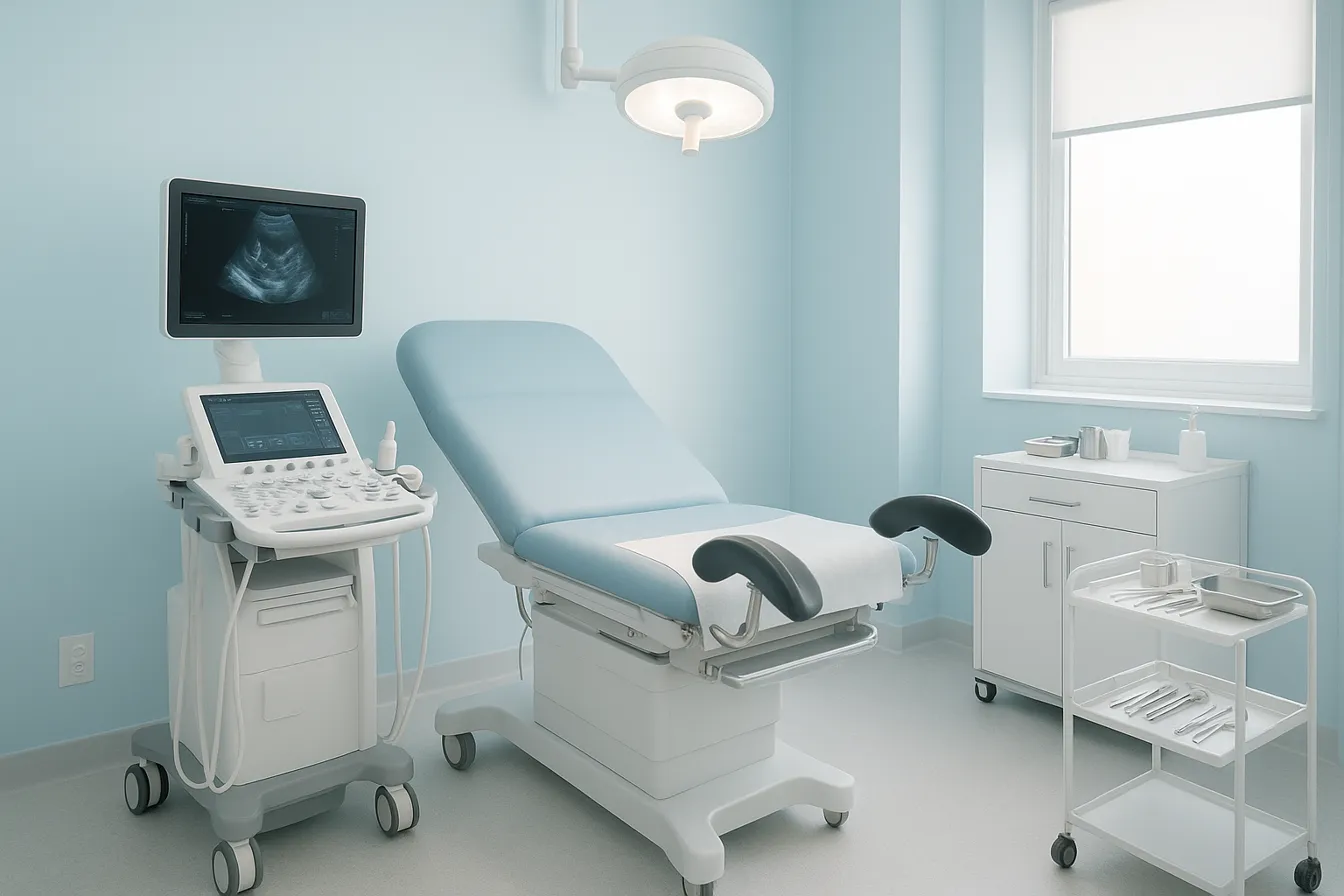
Infertility is medically defined as the inability to conceive after 12 months of regular, unprotected sexual intercourse for women under 35. For women aged 35 or older, evaluation is recommended after 6 months due to the natural decline in fertility with age.
Infertility affects a significant portion of the population, with over 1.5 million women in the U.S. reporting infertility between 2006 and 2010. Approximately 6% of married women aged 15 to 44 experience infertility. Moreover, about 6.7 million women have reported impaired ability to get pregnant or carry a pregnancy to term, illustrating the widespread impact of infertility. Nearly 7 million couples in reproductive age have sought infertility services, indicating both its frequency and the demand for evaluation and treatment.
Infertility can arise from male factors, female factors, or a combination of both, each contributing roughly equally. Male factors account for about 40-50% of cases, including issues such as low sperm count, poor motility, and structural abnormalities. Female infertility often results from ovulatory disorders, tubal obstructions, uterine abnormalities, or hormonal imbalances. Importantly, approximately 15-30% of infertility cases remain unexplained despite thorough evaluation. Lifestyle factors like obesity, tobacco use, and alcohol consumption can also negatively affect fertility, underscoring the multifactorial nature of infertility.

Couples are advised to consider infertility evaluation after one year of trying to conceive with regular, unprotected intercourse if the woman is under 35 years old. For women aged between 35 and 40, earlier evaluation at six months is recommended. Immediate consultation is warranted for women over 40 or those with known risk factors such as irregular menstrual cycles, previous reproductive issues, or conditions affecting fertility.
Age significantly impacts fertility, with a noticeable decline in pregnancy rates starting in the mid-30s. Early evaluation helps identify potential issues sooner, allowing timely intervention that may increase the chances of conception and reduce delays in treatment.
Primary care physicians often initiate the infertility assessment by reviewing medical and reproductive history and advising on appropriate timing for evaluation. They perform initial counseling and may order basic tests. For further evaluation and treatment, referrals to specialists such as reproductive endocrinologists or urologists are essential to provide advanced diagnostics and management tailored to individual needs.

Evaluating female infertility is a thorough process combining medical history, hormone testing, and imaging studies to identify underlying causes and guide treatment.
A detailed menstrual history helps determine ovulatory function, while a physical exam assesses reproductive organs and general health. Important aspects include menstrual regularity, past pregnancies, and any symptoms suggesting hormonal imbalances or anatomical abnormalities (physical examination for infertility).
Key blood tests include:
Imaging provides visual assessment of reproductive anatomy:
Ovulation confirmation involves menstrual history, progesterone levels, and ovulation predictor kits (ovulation timing in menstrual cycle). Ovarian reserve testing (AMH, antral follicle count via ultrasound, and FSH) helps estimate fertility potential and guides treatment planning (Ovarian Reserve Testing).
Together, these tests form a comprehensive assessment to diagnose causes of female infertility effectively and to tailor appropriate interventions (Evaluation and Treatment of Infertility).

Male infertility evaluation begins with a detailed medical history and physical exam. This initial step explores factors such as past infections, injuries, exposure to toxins or heat, sexual function, and lifestyle habits, which can impact fertility (Evaluation and Treatment of Infertility.
Semen analysis is a cornerstone test in male infertility assessment. Samples are collected after 48 to 72 hours of abstinence and evaluated following WHO 2010 semen parameter criteria. Key parameters include:
Further investigations may be warranted depending on initial findings:
Common causes include infections, anatomical problems, chromosomal abnormalities, systemic diseases, and presence of sperm antibodies (Male causes of infertility. Early evaluation can save time and cost, allowing timely intervention to improve outcomes (Importance of male fertility assessment).
Effective male infertility assessment ensures both partners receive appropriate care, improving the chances of conception and guiding suitable treatment (Infertility evaluation and management).

Age is a significant factor influencing fertility. Women experience a notable decline in fertility starting in their early 30s, with a sharper decrease after age 35, reducing the chance of conception per cycle to less than 10% by age 40. Men’s fertility also declines with age but less abruptly than in women; however, advanced paternal age can still affect sperm quality and reproductive outcomes (Infertility definition by CDC).
Several lifestyle habits can impair fertility in both partners:
Common medical contributors to fertility challenges include:
Healthcare providers emphasize the importance of lifestyle changes to enhance fertility:
Infertility evaluation begins with a detailed medical and reproductive history and physical examination of both partners. For women, hormone blood tests are scheduled on specific days of the menstrual cycle, commonly early cycle days (such as days 2 or 3), to accurately assess ovarian reserve and hormone levels like FSH, estradiol, AMH, and progesterone. These tests help determine ovulatory function and egg quantity.
Imaging procedures are an essential part of the evaluation. Transvaginal ultrasound is widely used to examine the uterus and ovaries for abnormalities such as cysts or fibroids. Hysterosalpingography (HSG) evaluates fallopian tube patency and uterine shape by injecting contrast dye and taking X-rays. Additional imaging, like sonohysterograms or laparoscopy, may be used if further investigation is necessary.
For male partners, semen analysis is key. It examines sperm count, motility, morphology, volume, and pH. Men are advised to abstain from ejaculation for 2-3 days before sample collection to ensure optimal results. Repeat testing after three months may be required to account for sperm production cycles.
Many blood tests and imaging procedures for women are timed to align with phases of the menstrual cycle. For example, ovarian reserve testing is done early in the cycle, usually days 2–4, while a serum progesterone test to confirm ovulation takes place around day 21 of a typical 28-day cycle. This scheduling ensures accurate interpretation of hormonal status and ovulation patterns.
The infertility evaluation typically spans several menstrual cycles to complete all recommended tests and monitor ovulation. Some tests are fast, such as blood draws taking just minutes, whereas imaging like HSG can take 30-60 minutes and may be slightly uncomfortable. Couples should expect the process to take from a few weeks up to several months, depending on individual circumstances and follow-up testing needs.
Preparation includes lifestyle adaptations such as maintaining a healthy weight, reducing caffeine and alcohol intake, quitting smoking, and managing stress. For semen analysis, abstinence of 48–72 hours before providing the sample is advised. Blood tests might require fasting or timing based on the cycle day. Imaging tests may require a full bladder, avoidance of certain medications, or scheduling immediately after menstruation.
By following a systematic, well-timed evaluation process, healthcare providers can accurately identify factors affecting fertility and develop personalized treatment plans.
Infertility evaluations typically reveal several common causes. In women, ovulatory disorders are frequent, including conditions like polycystic ovary syndrome (PCOS) and diminished ovarian reserve. Tubal obstruction or uterine abnormalities are also significant contributors. Male factor infertility is equally important, with issues such as low sperm count, decreased motility, or abnormal morphology frequently diagnosed. Together, ovulatory dysfunction, tubal factors, and male infertility form the basis of most infertility cases.
Key diagnostic tools include hormone blood tests and imaging. Hormone levels such as follicle-stimulating hormone (FSH), anti-Müllerian hormone (AMH), estradiol, prolactin, and thyroid-stimulating hormone (TSH) provide insight into ovarian reserve and ovulatory function. Semen analysis evaluates sperm count, motility, and morphology based on established standards.
Imaging studies, particularly hysterosalpingography (HSG), assess fallopian tube patency and uterine structure. Transvaginal ultrasound identifies ovarian cysts, fibroids, or uterine abnormalities. In select cases, laparoscopy diagnoses conditions like endometriosis or pelvic adhesions.
Up to 15–30% of couples are diagnosed with unexplained infertility, where routine evaluations show no abnormalities. In these cases, expectant management may be advised initially, as spontaneous conception is possible. Lifestyle modifications are recommended to optimize fertility. First-line treatments often include ovulation induction combined with intrauterine insemination (IUI). Advanced assisted reproductive technologies, such as in vitro fertilization (IVF), can also be effective when other options fail.
| Common Diagnosis | Diagnostic Approach | Management Options |
|---|---|---|
| Ovulatory Disorders | Hormone testing, menstrual history | Lifestyle changes, ovulation induction |
| Tubal Obstruction | Hysterosalpingography (HSG) | Surgical repair, IVF |
| Male Factor Infertility | Semen analysis, hormone testing | Medication, IUI, assisted reproduction |
| Unexplained Infertility | Normal workup results | Expectant management, IUI, IVF |
After a thorough infertility evaluation, treatment options are tailored to specific diagnoses and individual needs. Common approaches include:
Counseling couples about timing intercourse during the fertile window is a valuable adjunct to treatment. Use of ovulation predictor kits or basal body temperature tracking can help identify peak fertility days. While these methods alone do not guarantee pregnancy, they support informed decision-making and optimize chances when combined with other treatments such as those described in Evaluation and Treatment of Infertility.
Infertility treatment relies on an individualized approach informed by evaluation results. Primary care physicians often initiate evaluation and counseling but may refer couples to reproductive endocrinologists or urologists for advanced care and procedures. Personalized plans consider age, diagnosis, lifestyle, and emotional factors, ensuring comprehensive support as noted in Infertility evaluation and management.
The emotional challenges of infertility are significant. Managing expectations by discussing realistic success rates and potential treatment timelines is essential. Access to counseling or support groups helps couples cope with stress, enhancing overall well-being throughout the treatment journey described in How to Talk Infertility With Your Partner.
A thorough infertility evaluation identifies underlying causes, enabling targeted and effective treatments. This process improves chances of conception by clarifying complex factors affecting both partners.
Couples gain empowerment when informed about their unique fertility status. Personalized treatment plans, including lifestyle changes, medications, or assisted reproductive technologies, increase the likelihood of success.
Early consultation, especially for women over 35 or those with risk factors, optimizes outcomes. Engaging healthcare professionals promptly allows timely diagnosis and access to appropriate fertility support services.

.png)
%201.png)
Compassionate care for every stage of womanhood. Visit one of our convenient locations or book your appointment online today.