VBAC Myths Busted: A Guide to Safe, Informed Birth Choices
Debunking Common Myths About VBAC Procedures
VBAC Myths Busted: A Guide to Safe, Informed Birth Choices
Follow us here:


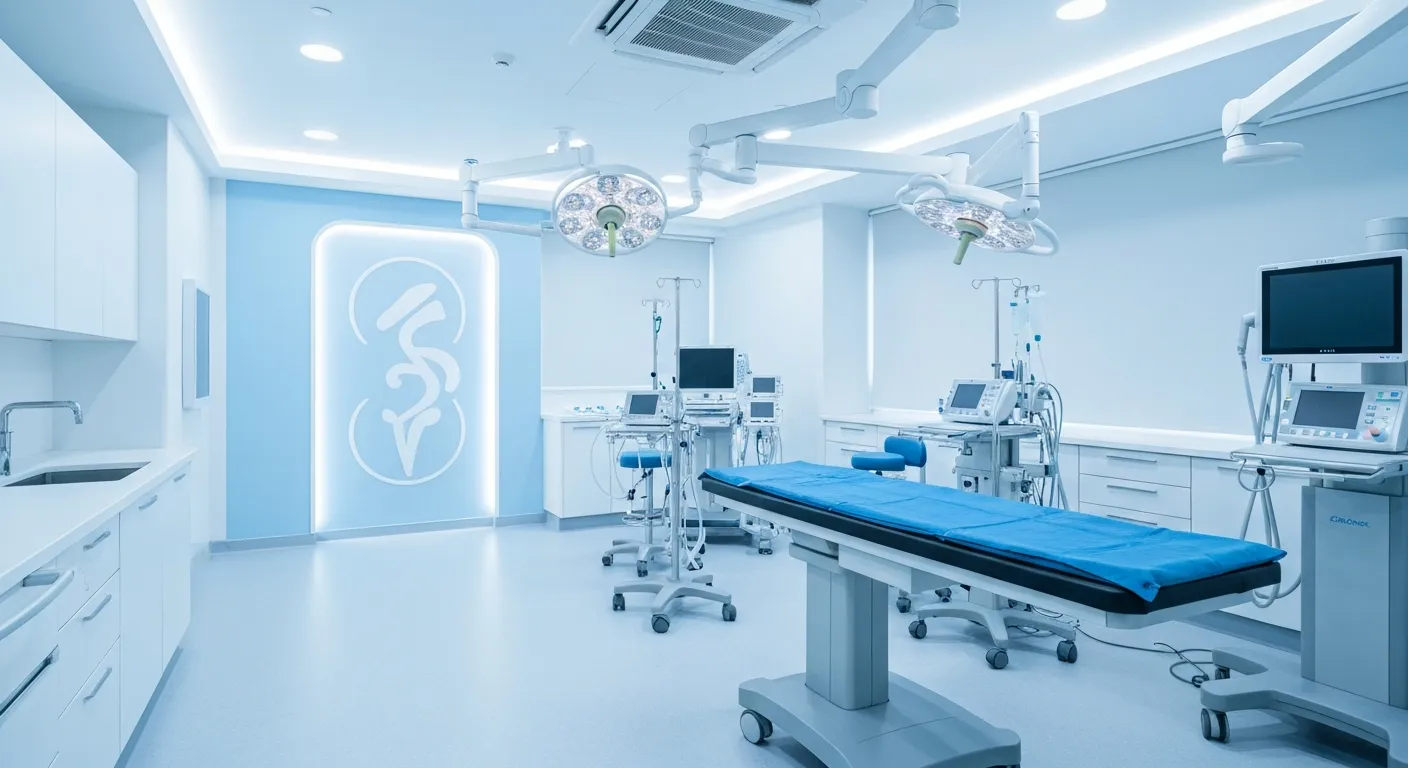
Minimally invasive gynecologic surgery (MIGS) includes laparoscopic, hysteroscopic, and robotic surgeries that use small or no incisions. These advanced methods, such as the da Vinci Surgical System and ultrasound-guided radiofrequency ablation, allow precise treatment of conditions like endometriosis, fibroids, ovarian cysts, and pelvic pain.
Leading centers, including NewYork-Presbyterian and NYU Langone, emphasize personalized approaches, involving multidisciplinary teams of gynecologists, pain specialists, reproductive endocrinologists, and integrative medicine experts. This ensures treatments align with each woman’s unique health needs, focusing on uterine-preserving options and fertility support.
Minimally invasive surgeries offer significant advantages such as less pain, reduced blood loss, faster recovery, minimal scarring, and shorter hospital stays. These benefits improve quality of life and promote quicker return to daily activities. Enhanced technologies also support outpatient procedures, empowering women with safer, more effective care tailored to their wellness journey.

Woman-led healthcare providers in Queens, NY, deliver a wide range of obstetrics and gynecology services tailored to women at every stage of life. These include routine gynecological exams, family planning, and contraception management. They emphasize personalized care, ensuring each woman receives treatments that fit her unique needs.
Prenatal care and labor support are key offerings, with providers employing advanced technologies like 4-D obstetrical ultrasound to monitor pregnancy progress. Labor and delivery support are often complemented by postpartum care to ensure maternal well-being.
Advanced minimally invasive surgical techniques form a significant part of their services. Procedures such as hysteroscopic tissue removal, laparoscopic myomectomy, and robotic-assisted surgeries treat conditions like fibroids, abnormal uterine bleeding, pelvic pain, and endometriosis. These innovations reduce pain, shorten recovery times, and preserve fertility whenever possible.
Menopause management and reproductive health care are prioritized, with providers addressing symptoms using the latest diagnostic tools and therapies. They manage complex cases such as high-risk pregnancies and gynecological disorders, ensuring holistic care.
Interdisciplinary collaboration enhances patient outcomes; woman-led teams often work closely with reproductive endocrinologists, pain specialists, physical therapists, and integrative medicine experts providing multidisciplinary gynecologic care. Multiple convenient Queens locations further improve access to specialized care in a supportive environment.
This comprehensive approach, combining state-of-the-art interventions and patient-centered care, underscores the commitment of woman-led providers to improving women's health in Queens, NY.

Modern gynecology has witnessed significant advancements with the adoption of Minimally Invasive Gynecologic Surgery. Leading centers like NewYork-Presbyterian Gynecology Services, Minimally Invasive Gynecologic Surgery, and Minimally Invasive Gynecologic Surgery at UConn Health utilize laparoscopic, hysteroscopic, and Minimally invasive gynecologic surgeries to treat a broad spectrum of conditions, enhancing patient outcomes.
Patients benefit from these approaches that target conditions including:
Uterine preservation is a priority, especially for women seeking fertility. Techniques include:
These options aim to maintain reproductive potential while managing symptoms effectively.
The Da Vinci Xi robotic platform enhances surgical precision in difficult cases such as deep infiltrating endometriosis or complex fibroid removal. This technology results in fewer complications, less blood loss, and smaller scars.
Benefits include:
These advances represent a paradigm shift, improving quality of life for women undergoing gynecologic surgery.
| Technique | Applications | Benefits |
|---|---|---|
| Laparoscopy | Endometriosis, fibroids, cysts | Small incisions, quick recovery |
| Hysteroscopy | Uterine polyps, bleeding | No external incisions, office-based |
| Robotic-assisted surgery | Complex fibroids, hysterectomy | Enhanced precision, less trauma |

Modern women's health care increasingly relies on interdisciplinary collaboration to address complex conditions effectively. Gynecologists work closely with reproductive endocrinologists, interventional radiologists, and physical therapists to provide comprehensive diagnosis and treatment plans. For example, Minimally Invasive Gynecologic Surgery programs often involve specialists in radiology for imaging and uterine-sparing interventions, while endocrinologists support hormonal assessment and management.
Addressing chronic pelvic pain, endometriosis, and related disorders requires a holistic approach. Facilities integrate Pain Management in Gynecology, Pelvic Floor Therapy, and complementary practices such as acupuncture and mind-body techniques to enhance patient well-being. Multidisciplinary programs ensure that symptoms are treated from multiple angles, improving quality of life and functional outcomes.
Personalized care incorporates data that patients track themselves, like menstrual patterns, blood pressure, and glucose levels. This information helps clinicians tailor treatment approaches for disorders including polycystic ovary syndrome (PCOS), premenstrual dysphoric disorder (PMDD), and endometriosis. The real-time capture of health metrics supports timely interventions and adjustments, leading to better symptom control. Advances such as Emerging diagnostics combining genomics and AI and Minimally invasive diagnostics for cardiovascular and autoimmune diseases are instrumental in this personalized healthcare approach.
Endometriosis and pelvic pain often suffer from diagnostic delays due to symptom complexity. Minimally Invasive Surgery for Endometriosis programs combine minimally invasive surgery, targeted pain management, and pelvic floor therapy to reduce diagnostic and treatment lag. Personalized care pathways help expedite diagnosis, prevent disease progression, and improve patient outcomes.
Personalized women's healthcare significantly improves outcomes by creating individualized treatment plans that reflect each patient's unique health profile and preferences. Using patient-collected data enables precise diagnoses and tailored therapies for conditions such as endometriosis and PCOS. This patient-centered approach increases engagement, promotes adherence to treatments, and enhances satisfaction. Furthermore, research-backed interventions and multidisciplinary coordination ensure timely, effective care that reduces unnecessary procedures and optimizes long-term health. Personalized care models thus foster health equity and efficiency in obstetric and gynecological treatment. Innovations like Advanced minimally invasive surgical techniques and Minimally Invasive Gynecologic Surgery at leading centers demonstrate the impact of personalized, collaborative gynecologic care.

Artificial Intelligence (AI) is increasingly integral to understanding and managing menopause and its associated health challenges. By analyzing extensive datasets encompassing genetic markers, hormone levels, and behavioral factors, AI enhances risk prediction and individualized treatment plans for menopause-related conditions. Collaborative efforts, including workshops supported by the National Science Foundation (NSF), foster integration of AI with wearable devices and data analytics, particularly benefiting women in Queens, NY, and beyond.
Harnessing AI in women's health care
Advancements in biomarker discovery coupled with non-invasive imaging technologies are revolutionizing early diagnosis of gynecologic conditions such as endometriosis, adenomyosis, and fibroids. Promising devices like smart menstrual cups embedded with diagnostic sensors offer potential for early detection of disorders like adenomyosis and leiomyomas, enabling timely intervention and personalized care.
Advances in biomarker discovery for women's conditions
Expanding research into female sexual health addresses disorders such as Female Sexual Interest/Arousal Disorder (FSIAD). Novel therapies, including topical testosterone and neuromodulation devices, offer new, personalized treatment avenues. Concurrently, studies combining genomic sequencing with AI illuminate the vaginal microbiome's role, facilitating development of microbiome-modulating therapies to improve reproductive outcomes, including embryo transfer success.
Advances in biomarker discovery for women's conditions
Innovations in contraceptive technology focus on non-hormonal, frameless, and better-tolerated intrauterine devices (IUDs), including copper and levonorgestrel options. These next-generation IUDs not only broaden contraceptive choices but also serve therapeutic roles in managing dysmenorrhea and endometriosis, enhancing women's health options in Queens and surrounding communities.
Advances in biomarker discovery for women's conditions
Several regional centers near Queens, NY, exemplify advanced care in Minimally Invasive Gynecologic Surgery at UConn Health. UConn Health stands out as a designated Center of Excellence, known for its high-standard surgical expertise and comprehensive minimally invasive options, including Laparoscopy Techniques, Robotic-Assisted Laparoscopy, and Hysteroscopy Procedures. Similarly, Minimally Invasive Gynecologic Surgery at Stony Brook offers extensive minimally invasive services, with a high surgical volume exceeding 100 hysterectomies annually and recognized quality by Healthgrades.
Both centers employ cutting-edge techniques such as Robotic-Assisted Gynecologic Surgery, which enhances precision and control during complex procedures. Laparoscopy Techniques with small incisions, Hysteroscopy Procedures, and the use of platforms like the Da Vinci Xi robotic platform allow efficient treatment of conditions like Endometriosis Treatment, fibroids, pelvic pain, and abnormal bleeding. These approaches reduce surgical trauma and often promote same-day discharge and quicker return to daily activities.
A hallmark of these centers is their multidisciplinary gynecologic care team approach. Collaborations include gynecologists, reproductive endocrinologists, pain management specialists, physical therapists, and integrative medicine providers as part of Multidisciplinary Gynecologic Care. Programs such as the Enhanced Recovery After Surgery (ERAS) optimize postoperative recovery, minimizing pain, blood loss, and hospital stays, and supporting faster rehabilitation.
The high volume of procedures coupled with commitment to advanced surgical training and research has earned these centers recognition for quality and patient outcomes. Their continuous involvement in surgical innovation and education underscores their role in advancing Minimally Invasive Gynecologic Surgery in the region, providing patient-centered, less invasive treatment options for complex gynecologic conditions.
Minimally invasive gynecologic surgeries (MIGS) use small incisions—often less than an inch—resulting in significantly less postoperative pain compared to traditional open surgeries. These techniques also reduce blood loss during procedures, minimizing the risk of complications. Smaller incisions lead to minimal scarring, improving cosmetic outcomes and enhancing patient comfort.
Patients typically experience shorter hospital stays, with many procedures allowing same-day discharge. Recovery times are quicker, commonly enabling women to resume normal activities within a week or two. This rapid recovery reduces disruptions to daily life and supports quicker physical and emotional healing.
Advanced minimally invasive surgeries prioritize fertility preservation. Techniques such as laparoscopic myomectomy, hysteroscopic fibroid removal, and uterine-sparing radiofrequency ablation allow treatment of fibroids and endometriosis without compromising the uterus. This focus expands options for women wishing to maintain or enhance fertility outcomes.
Certain minimally invasive treatments, including hysteroscopy and procedures like Essure® and Novasure® for birth control or endometrial ablation, can often be performed in office settings without general anesthesia. Such outpatient options reduce the need for multiple visits, promote convenience, and allow faster return to normal routines. For more on these services, see Cherenfant Obgyn in Queens NY.
These patient-centered benefits make minimally invasive gynecologic surgery a preferred approach for many women seeking effective treatment with less physical and emotional impact.
Modern gynecologic surgery increasingly emphasizes minimally invasive approaches such as laparoscopy, hysteroscopy, and robotic-assisted procedures. These techniques offer patients benefits like faster recovery, less pain, smaller scars, and reduced hospital stays, reflecting a patient-centered approach.
Leaders in women's health, including NewYork-Presbyterian and NYU Langone, continually innovate through multidisciplinary collaboration. Integrating specialties such as reproductive endocrinology, pain management, and integrative medicine enhances personalized care. Cutting-edge options like MRI-guided focused ultrasound and radiofrequency ablation represent ongoing advancements.
Healthcare providers in Queens prioritize accessibility, offering same-day consultations and state-of-the-art minimally invasive surgery using platforms like the Da Vinci Xi. This widespread availability improves patient convenience and supports fertility preservation, with tailored treatments addressing complex conditions such as endometriosis and fibroids. Overall, Queens residents benefit from progressive, comprehensive, and less invasive gynecologic care that aims to optimize health outcomes and quality of life.

.png)
%201.png)
Compassionate care for every stage of womanhood. Visit one of our convenient locations or book your appointment online today.