
Protecting Ovarian Health: Signs, Symptoms, and Proactive Care
What Every Woman Should Know About Ovarian Health
Protecting Ovarian Health: Signs, Symptoms, and Proactive Care
Follow us here:


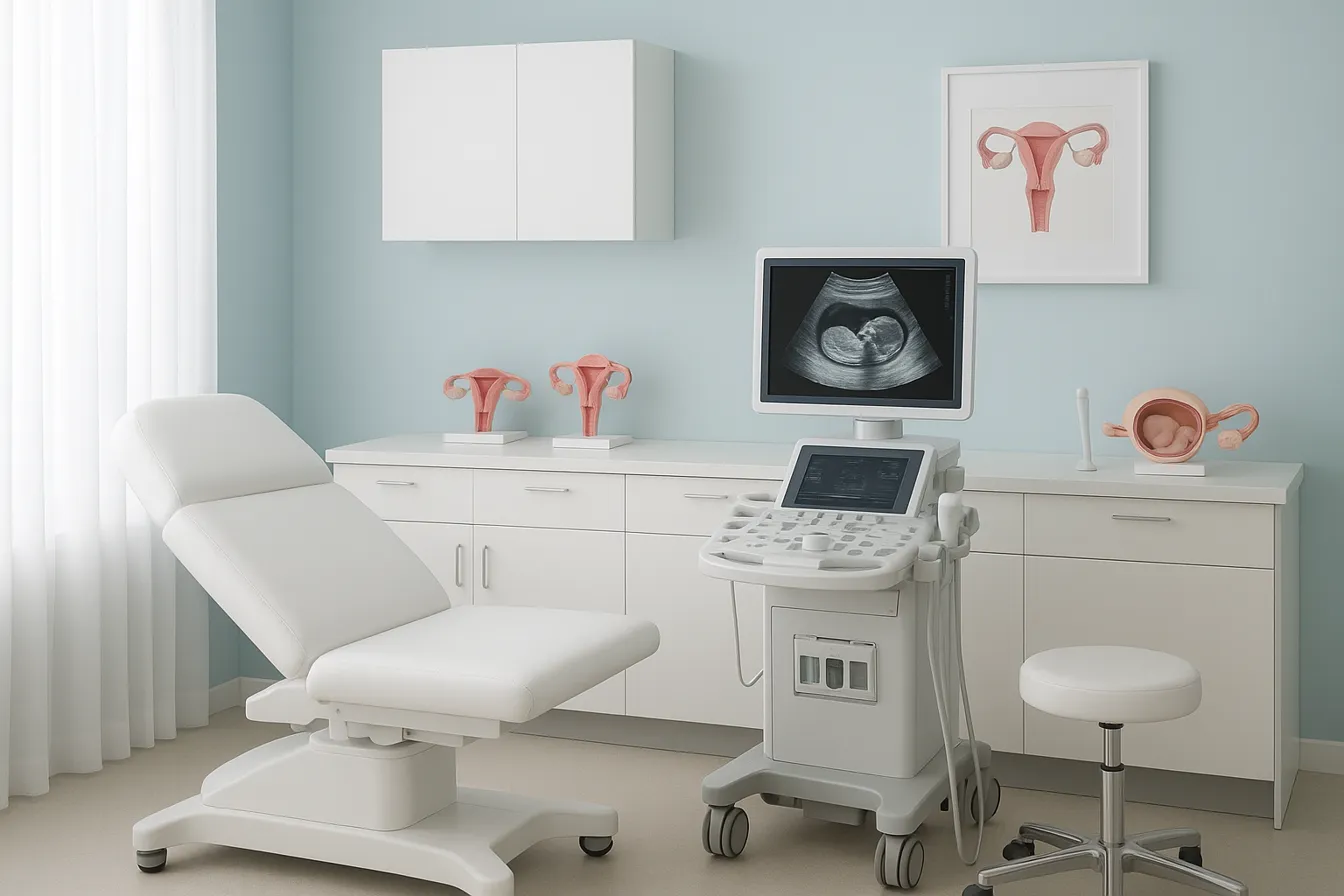
Infertility is medically defined as the inability to conceive after 12 months of regular, unprotected sexual intercourse. For women aged 35 or older, this evaluation period shortens to 6 months due to the natural decline in fertility with age.
Infertility affects a significant portion of the population. About 6% of married women aged 15 to 44 in the United States report infertility, with approximately 1 in 8 couples experiencing difficulty conceiving. Nearly 7 million couples have used infertility services at some point, highlighting the broad impact of this condition.
Early fertility evaluation is especially important for women over 35, who are encouraged to seek assessment after 6 months of unsuccessful attempts to conceive. Women over 40 may require even more immediate consultation. Those with known risk factors—such as irregular menstrual cycles, history of pelvic infections, or previous reproductive issues—also benefit from earlier evaluation to improve outcomes and explore timely treatment options.

Diagnosing infertility involves a tailored approach for both women and men, focusing on a range of tests that identify specific causes.
For women, common tests start with hormonal blood work to check levels of progesterone, follicle-stimulating hormone (FSH), luteinizing hormone (LH), thyroid hormones, and anti-Müllerian hormone (AMH). These help assess ovulation status, ovarian reserve, and endocrine function. Imaging tests such as pelvic ultrasounds and hysterosonography (saline infusion sonography) evaluate uterine and ovarian anatomy. Hysterosalpingography (HSG) is frequently performed to examine fallopian tube patency and detect uterine abnormalities. In some cases, minimally invasive procedures like hysteroscopy or laparoscopy may be recommended to visually inspect the uterine cavity or pelvic organs for conditions like fibroids, polyps, or endometriosis.
Male infertility assessment primarily begins with semen analysis, examining sperm count, motility, and morphology. Hormone testing and genetic studies may follow if abnormalities are found. Additional tests such as testicular ultrasound and biopsy are conducted when indicated.
The selection and timing of these diagnostic tests depend on individual medical history, symptoms, age, and risk factors. For example, semen samples require 48-72 hours of abstinence before collection, and ovulation blood tests are optimally performed on day 21 of a 28-day cycle. A personalized, stepwise evaluation ensures effective identification of underlying issues, facilitating appropriate treatment planning for couples facing infertility.

Infertility treatments primarily fall into three categories: medications, surgical procedures, and assisted reproductive technologies (ART). The suitable treatment depends on the cause of infertility, patient age, and individual circumstances.
Medications play a central role in treating ovulatory disorders. Common drugs include:
These medications help regulate or induce ovulation and improve the likelihood of conception. Treatment choice and dosage are personalized to minimize risks such as multiple pregnancies or ovarian hyperstimulation.
Surgery is recommended when structural problems hinder fertility. Common surgical treatments include:
Surgery can also address male infertility, such as reversing vasectomies or correcting obstructions impacting sperm delivery.
ART encompasses advanced techniques to facilitate fertilization and pregnancy, including:
ART is often recommended for tubal factor infertility, severe male factor issues, or when other methods have not succeeded. IVF can involve additional procedures like intracytoplasmic sperm injection (ICSI) for sperm abnormalities.
These treatment options provide a comprehensive toolkit to address diverse causes of infertility, with tailored plans promoting optimal pregnancy outcomes.
Selecting between intrauterine insemination (IUI) and in vitro fertilization (IVF) depends largely on the underlying causes of infertility and individual health considerations. IUI is generally appropriate for couples experiencing ovulation disorders classification, managing unexplained infertility, or mild male factor infertility. It is favored for being less invasive, more affordable, and requiring less preparation time.
In contrast, IVF is often recommended for more complex fertility issues such as blocked fallopian tubes, diminished ovarian reserve, severe male infertility, or when previous treatments like IUI have failed. Age plays a critical role; younger women typically have higher success rates with IVF, making it a more effective option in such cases. Other factors such as overall health, ovarian response, and specific diagnostic findings also guide treatment decisions.
IVF is widely recognized as the most effective infertility treatment. By stimulating the ovaries, retrieving eggs, fertilizing them outside the body, and transferring embryos to the uterus, IVF significantly boosts pregnancy chances, particularly in cases of tubal blockage, advanced endometriosis, or poor sperm quality.
Success rates vary by age, with women under 35 having nearly a 79% chance of pregnancy through IVF, though rates drop with increasing age. Despite its effectiveness, IVF carries risks including ovarian hyperstimulation syndrome, multiple pregnancies, and procedural complications. Nonetheless, it remains central to modern assisted reproductive technologies.
Personalized fertility care involves tailoring treatment plans to each couple's unique medical history, diagnosis, and lifestyle factors. Fertility specialists consider hormone levels, ovarian reserve, sperm quality, and prior treatments to recommend the best pathway. This individualized approach helps optimize success rates, manage risks, and address emotional and financial concerns.
Consultations with reproductive endocrinologists or fertility specialists ensure patients receive guidance grounded in evidence, helping them make informed decisions between IUI, IVF, or alternative therapies. Emphasizing patient-centered care improves both clinical and psychological outcomes throughout the fertility journey.
Maintaining a healthy lifestyle is fundamental in enhancing fertility outcomes. Lifestyle effects on fertility plays a crucial role; individuals with obesity, defined as a body mass index over 30, are encouraged to pursue weight loss to restore ovulation and improve treatment responsiveness. Similarly, Reducing Your Risk of Infertility are vital since both negatively impact fertility. These lifestyle changes optimize reproductive health and prepare the body for conception and treatment success.
Coping with infertility’s emotional burden demands acknowledgment and acceptance of feelings like grief and frustration. Suppressing emotions may hinder healing, whereas sharing them through dialogue with supportive friends or family can lessen isolation. Joining infertility support groups offers a community of understanding, while professional Counseling for Emotional Stress of Infertility equips individuals with strategies for emotional resilience. Prioritizing self-care, such as balanced nutrition, rest, and stress management, supports overall well-being through this journey.
Managing grief and emotional challenges involves embracing a supportive and educational framework. Connecting with organizations like RESOLVE provides access to free infertility support groups, facilitating shared experiences and reducing feelings of loneliness. Personal coping rituals—journaling, creating commemorative altars, or gardening—offer therapeutic expression. Recognizing that emotions like anger and grief are natural encourages open communication with partners and fosters emotional strength. Additionally, self-education about infertility treatment options for infertility empowers individuals, promoting hope and informed decision-making.
Support groups and counseling for lifestyle modifications in infertility are essential in addressing the psychological impact of infertility. They create safe spaces to express fears and frustrations, receive validation, and learn coping strategies. Stress-reduction techniques such as mindfulness meditation, yoga, and relaxation exercises can alleviate anxiety and improve emotional regulation. Fertility clinics often integrate these services to provide comprehensive care.
While medical treatments remain central, many individuals explore complementary therapies infertility like acupuncture, nutritional counseling, and mind-body practices to complement fertility care. Although evidence for these is mixed, they may enhance relaxation and improve quality of life. Importantly, these should be used as adjuncts rather than replacements for evidence-based medical interventions.
| Aspect | Description | Benefits |
|---|---|---|
| Lifestyle Modifications | Weight management, smoking cessation, alcohol limitation | Improved fertility, better treatment outcomes |
| Emotional Coping Strategies | Support groups, counseling, self-care | Reduced stress, emotional resilience |
| Stress Reduction Techniques | Mindfulness, yoga, meditation | Lower anxiety, improved emotional well-being |
| Complementary Therapies | Acupuncture, nutritional support | Enhanced relaxation, adjunctive support |
Infertility treatments encompass a broad range of options tailored to individual needs and causes. In Vitro Fertilization (IVF) involves stimulating the ovaries to produce eggs, retrieving these eggs, fertilizing them with sperm outside the body, and then implanting the resulting embryos into the uterus. Intrauterine Insemination (IUI) is a less invasive procedure, where healthy sperm are placed directly into the uterus during ovulation to enhance chances of fertilization. Ovulation Induction (OI) uses medications such as clomiphene or letrozole to encourage ovulation in women with ovulatory disorders.
For those wishing to delay pregnancy or facing treatments that could impair fertility, egg freezing and other fertility preservation methods like ovarian tissue freezing are offered. These enable the storage of reproductive material for future use, providing flexibility and peace of mind for women concerned about age-related fertility decline or upcoming medical treatments.
Third-party reproduction options include the use of donor eggs, donor sperm, and surrogacy. These approaches help individuals or couples affected by genetic conditions, severe infertility, or other medical issues build their families. Advanced technologies such as Intracytoplasmic Sperm Injection (ICSI) allow fertilization by injecting a single sperm directly into an egg, particularly helpful for severe male infertility. Preimplantation Genetic Testing (PGT) screens embryos for genetic diseases before implantation, increasing the chances of healthy pregnancy.
Fertility centers are increasingly inclusive, providing tailored services for LGBTQIA+ individuals and couples. These programs accommodate various family-building plans through options like donor gametes, gestational surrogacy, and fertility preservation. Clinics also offer patient-specific treatments addressing autoimmune infertility, recurrent pregnancy loss, and fertility challenges in those with chronic health conditions.
Some clinics provide cutting-edge therapies such as intralipid infusions to regulate immune responses and NAD+ therapy to improve egg quality and cellular energy. These personalized interventions enhance success rates for challenging infertility cases. Together, these advances demonstrate a comprehensive, compassionate approach to fertility care, embracing both medical innovation and emotional support for all patients.
Guidelines recommend that couples try to conceive naturally for one year before seeking a infertility evaluation. For women aged 35 and older, earlier consultation is advised after six months of unsuccessful attempts, with immediate evaluation considered for women over 40 or those with risk factors such as irregular cycles or previous reproductive issues.
A thorough infertility evaluation process begins with detailed history-taking that includes menstrual, obstetric, sexual, surgical, and lifestyle information for women, alongside relevant health history for men. Physical examinations assess reproductive anatomy and general health, including BMI, which significantly impacts fertility outcomes.
Since Evaluation and treatment of infertility can arise from male, female, or combined factors, it is crucial to evaluate both partners concurrently. Male assessment typically starts with Semen analysis for male infertility and may involve hormonal and genetic testing if abnormalities are detected. Female evaluation includes Ovulation confirmation by serum progesterone, hormonal profiles, and Imaging tests for male infertility to investigate uterine and tubal conditions.
Lifestyle effects on fertility in both men and women are influenced by habits such as tobacco usage, excessive alcohol consumption, and obesity. Integrating Coping strategies for infertility including counseling on weight management, cessation of harmful substances, and stress reduction into the infertility evaluation supports better treatment outcomes.
infertility evaluation providers play an essential role in early recognition and referral for infertility. They coordinate initial assessments and guide patients through modifiable risk factors. Infertility Specialists in NYC offer advanced diagnostic testing and personalized treatments, including Treatment of infertility and assisted reproductive technologies when indicated. This team-based approach enhances the efficiency and success of fertility care.
Infertility affects many couples and involves various causes such as ovulatory disorders, tubal issues, and male factors like sperm abnormalities. Typically, evaluation includes blood hormone tests, semen analysis, and imaging like ultrasound or hysterosalpingography to diagnose underlying problems.
Treatment options range from lifestyle modifications and medication to assisted reproductive technologies such as intrauterine insemination (IUI) and in vitro fertilization (IVF). Success often depends on individualized care.
Seeking specialist advice early, especially for women over 35 or those with known risk factors, can expedite diagnosis and improve outcomes. Fertility experts provide personalized plans tailored to unique needs.
Beyond medical interventions, addressing emotional health is vital. Support groups, counseling, stress management, and open communication with healthcare providers contribute to a balanced, compassionate fertility journey.

.png)
%201.png)
Compassionate care for every stage of womanhood. Visit one of our convenient locations or book your appointment online today.