Protecting Ovarian Health: Signs, Symptoms, and Proactive Care
What Every Woman Should Know About Ovarian Health
Protecting Ovarian Health: Signs, Symptoms, and Proactive Care
Follow us here:


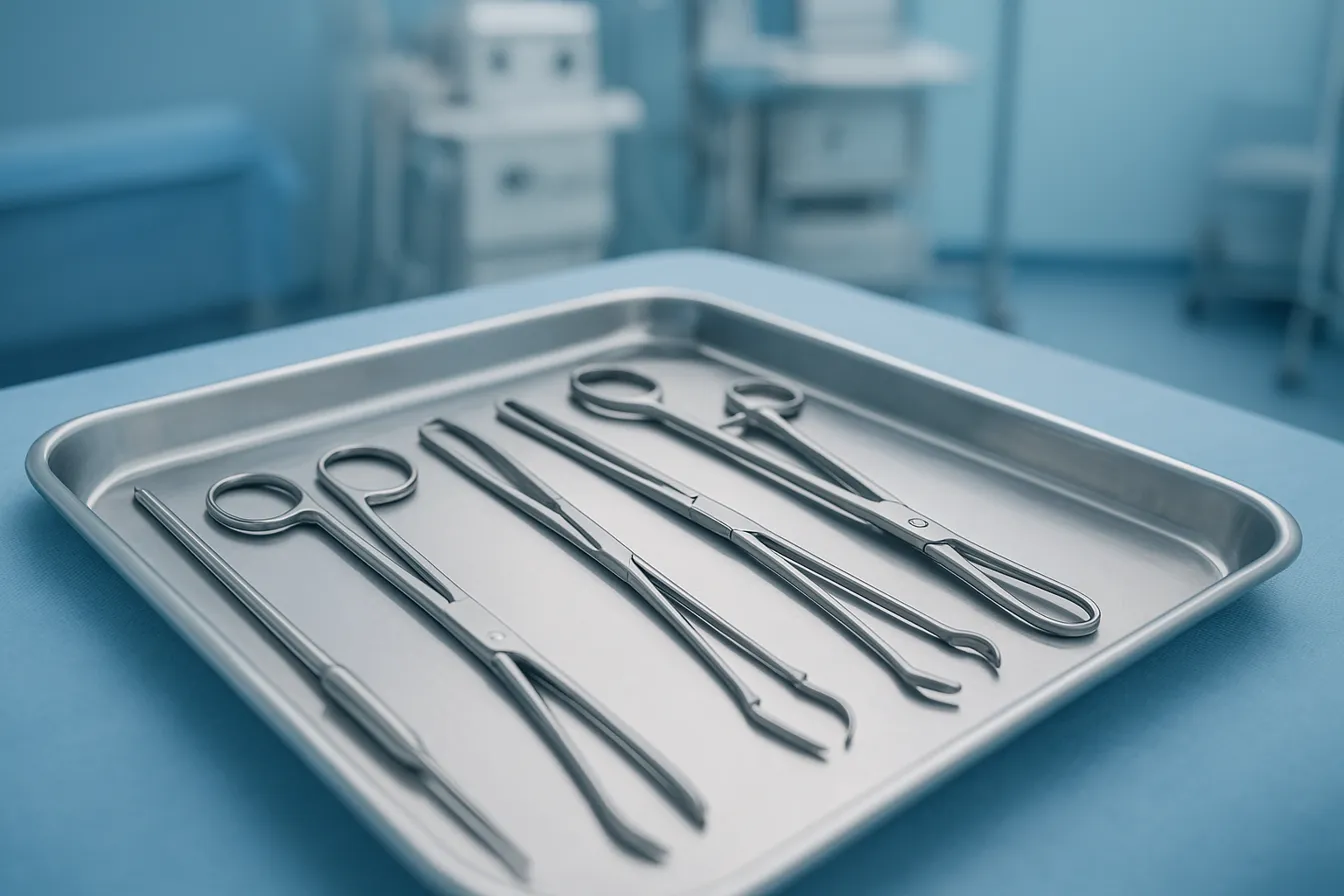
Minimally invasive gynecologic surgery (MIGS) uses advanced techniques such as laparoscopic, robotic-assisted, and hysteroscopic procedures to treat conditions like fibroids, endometriosis, ovarian cysts, and abnormal bleeding. These surgeries are performed through small incisions, resulting in less tissue trauma, minimal scarring, and significantly faster recovery times compared to traditional open surgery. Patients typically experience less pain, shorter hospital stays often lasting just one night or less, and a quick return to their daily routines within one to six weeks depending on the procedure.
Listening to women's symptoms and advocating for their health is vital in managing gynecological conditions effectively. Patients, like Monika Neely who suffered agonizing endometriosis symptoms for years, demonstrate the importance of persistent, compassionate care and specialized treatment. Personalized approaches, such as robotic-assisted surgery available at centers like Novant Health and Ovation OB/GYN, provide women with tailored, precise care that improves outcomes. Practices focused on patient-centered service emphasize thorough communication, clear post-operative guidance, and holistic support to promote quicker healing and enhance quality of life.
Together, minimally invasive techniques and patient advocacy break barriers by improving the experience and health of women worldwide, transforming gynecologic care into a more compassionate and effective journey.

Minimally invasive surgery (MIS) in OB/GYN involves performing procedures through very small incisions, often less than an inch, which greatly reduce tissue damage. These techniques use specialized instruments and advanced technology to diagnose and treat various gynecologic conditions while promoting a faster, less painful recovery compared to traditional surgery. For more details, see Minimally Invasive Gynecologic Surgery.
Institutions such as Yale Medicine, Ovation OB/GYN in Queens NY, Rush University Medical Center, and Baylor Medical Center Frisco provide comprehensive minimally invasive gynecologic surgery programs. They emphasize patient-centered care leveraging laparoscopic, hysteroscopic, and robotic procedures, ensuring expert treatment with holistic support and improved outcomes for women's reproductive health.

Many women suffering from severe gynecologic conditions share transformative stories after undergoing Minimally invasive gynecologic procedures. For example, Monika Neely's story endured agonizing pain from diagnosis of stage 4 endometriosis for years before robotic gynecological surgery at Novant Health endometriosis treatment dramatically improved her improved quality of life post-surgery. Similarly, patients at Baylor Medical Center in Frisco, TX, report minimal pain and a rapid return to daily activities following robotic gynecologic surgery procedures like robotic hysterectomy, as seen in Da Vinci Robotic Hysterectomy Patient Stories.
Post-operative outcomes often include significant symptom relief. Women treated for uterine fibroids via Uterine Fibroid Embolization Procedure describe reduced heavy bleeding and pain, returning to normal life within two weeks. Many patients experience less post-operative discomfort, smaller scars, and faster recovery times ranging from two to six weeks, consistent with recovery after MIGS, with improved energy and well-being noted shortly after surgery.
Patients consistently express high trust in experienced surgeons known for their expertise in minimally invasive techniques. Practices like CU Medicine OB-GYN East Denver testimonials and Minimally Invasive Gynecologic Surgery at Rush University Medical Center emphasize compassionate, personalized care and provide thorough patient education. This comprehensive approach supports positive patient experiences and long-term relationships, underscoring the value of patient-centered gynecologic care.

Recovery from Minimally invasive gynecologic procedures varies depending on the procedure but typically ranges from one to six weeks. Many patients benefit from same-day discharge or a short hospital stay of one night, enabling a quicker return to the comfort of home. For example, minimally invasive hysterectomy recovery patients can often resume light activities within 24 to 48 hours and may return to work around two weeks post-surgery.
Healthcare providers usually recommend resting and avoiding heavy lifting or strenuous activity for about four to six weeks. This helps ensure proper healing and reduces the risk of complications. While some women notice significant improvement within weeks, complete recovery, especially when returning to physically demanding work, may take longer. Attending follow-up appointments and adhering to personalized care plans are essential for optimal healing.
Robotic and laparoscopic surgeries for conditions like endometriosis treatment options or ovarian cyst removal generally involve a recovery period of around one to two weeks for many patients. After these surgeries, individuals can often resume light activities quickly, typically within several days. However, avoiding strenuous exercise and heavy lifting for two to four weeks supports proper healing.
Common side effects during recovery include mild abdominal pain, bloating, and fatigue. These symptoms gradually improve and can often be managed with over-the-counter medications. Patients receive detailed postoperative instructions concerning incision care, hydration, nutrition, and gradual activity resumption.
Full recovery, including returning to all daily activities, can take four to six weeks, especially after more complex surgeries. Supportive care from surgical teams, such as those at Ovation OB/GYN gynecologic treatments or Novant Health endometriosis treatment, ensures that recovery is patient-centered, helping women regain energy and well-being efficiently.

Minimally invasive hysterectomy recovery offers significant benefits compared to traditional open surgery. Patients experience less pain, reduced blood loss, and smaller scars due to the use of smaller incisions. The procedure also lowers risks of infection and complications, enabling a smoother recovery and shorter hospital stay. Typically, patients leave the hospital within one night and begin light activities within 24 to 48 hours, which marks a faster return to daily life.
The use of the da Vinci robotic surgical system for hysterectomy revolutionizes hysterectomy procedures. This technology provides surgeons with 3D HD views in robotic surgery and instruments that replicate human wrist movements, allowing for precise excision with minimal tissue damage. Robotic surgery enhances the safety and effectiveness of the procedure, contributing to quicker healing and less post-operative discomfort.
Recovery from a minimally invasive hysterectomy generally takes about 2 to 3 weeks. Most patients can return home the same day of surgery due to the small incisions and advanced surgical methods. Common post-operative symptoms include mild pain, spotting, and fatigue, which usually subside within weeks. Patients often report feeling significantly better by two weeks and are advised to avoid heavy lifting and strenuous activity for six weeks. Supportive care including early mobilization post-surgery, proper hydration, and nutrition further promotes healing.
| Aspect | Details | Patient Experience |
|---|---|---|
| Procedure Type | Laparoscopic or robotic-assisted hysterectomy | Precise, less invasive surgery |
| Hospital Stay | Usually 1 night or same-day discharge | Quick return home |
| Recovery Time | 2 to 3 weeks | Faster return to regular activities |
| Post-op Symptoms | Mild pain, spotting, fatigue | Manageable with medication |
| Restrictions | No heavy lifting or vaginal intercourse for 4-6 weeks | Patients advised to follow precautions |
This minimally invasive hysterectomy recovery approach makes hysterectomy a more tolerable experience, helping women to regain their quality of life with less disruption and faster healing.

Minimally invasive gynecologic surgery offers many advantages, but it is not without risks. Patients may experience infections at the surgical site or bleeding during or after the procedure. Anesthesia-related reactions, although rare, are also possible.
There is a chance of injury to nearby organs or tissues that may require additional treatment. Adhesions or scar tissue formation post-surgery can cause discomfort or complications later on. Technical challenges during surgery can also increase risk, which highlights the importance of having fellowship-trained minimally invasive gynecologic surgeons.
While Minimally Invasive Gynecologic Surgery typically promote faster recovery with less scarring, they do have some drawbacks. These procedures can sometimes take longer than traditional open surgery.
Minimally invasive techniques may not be suitable during emergency cases or when a clear diagnosis has not been established due to their technical complexity. Patients with certain heart or lung diseases might also not be ideal candidates for these surgeries.
It is important to recognize that although these surgeries usually have fewer complications such as bleeding or infection, the potential for these still exists. Careful evaluation by specialized surgeons with fellowship training is paramount to minimize complications and select the best approach for each patient.
Fellowship-trained minimally invasive gynecologic surgeons possess advanced training that significantly benefits patients. Studies show that these specialists have lower rates of perioperative complications, reduced blood loss, and fewer conversions to open surgery. They often perform higher volumes of surgeries, which correlates with improved outcomes such as shorter hospital stays and increased same-day discharge rates. Their expertise allows them to manage complex benign cases with precision, leading to safer surgeries and quicker recoveries.
Compassionate care goes beyond procedural expertise—it involves importance of listening to women's symptoms. Women report better experiences when communication is clear, thorough, and respectful. Practices that prioritize patient education and holistic support help women feel empowered throughout diagnosis, treatment, and recovery. Such approaches reduce anxiety and promote adherence to post-operative instructions, fostering smoother healing and overall well-being.
Patients consistently voice high satisfaction when treated by specialized gynecologic teams known for skill and empathy. Long-term relationships foster trust, especially when providers demonstrate personalized attention to individual needs and involve patients in decision-making. Facilities using advanced technologies like robotic gynecologic surgery report positive patient feedback regarding minimal pain, rapid recovery, and improved quality of life. These factors enhance confidence in care and encourage women to seek treatment early for gynecologic conditions.
| Aspect | Benefits of Fellowship Training | Patient-Centered Care Benefits | Patient Satisfaction Factors |
|---|---|---|---|
| Surgical Expertise | Lower complications, precision | Personalized communication | Trust and confidence |
| Recovery Outcomes | Faster recovery, less blood loss | Clear instructions and empathetic support | Positive treatment experiences |
| Access to Advanced Technology | Use of robotic and minimally invasive techniques | Holistic care approach | Early symptom reporting and better adherence |
| Emotional Support | Skilled management of complex cases | Compassionate listening | Long-term patient-provider relationships |
Despite the growing availability of minimally invasive gynecologic surgeries (MIGS), disparities in access to minimally invasive gynecologic surgeries persist. Research shows that patients in minoritized groups, particularly Black or African American women, are less likely to receive these advanced procedures and more prone to undergoing traditional abdominal hysterectomies. These gaps highlight the need for equitable healthcare delivery that ensures all women benefit from the latest surgical advancements, which offer shorter recovery times, less pain, and reduced scarring.
Technological innovations like robotic-assisted surgery and advanced laparoscopic techniques have significantly improved patient outcomes. Facilities such as Novant Health endometriosis treatment, Rush University Medical Center MIGS, and Baylor Medical Center Frisco utilize these state-of-the-art methods for complex conditions including endometriosis and fibroids surgery expertise, uterine fibroids, and ovarian cysts. Fellowship-trained minimally invasive gynecologic surgeons bring specialized skills that reduce perioperative complications and promote safer, more effective treatments. These advancements enable treatments that are less invasive, often outpatient, and support faster return to daily life.
The future of women’s health lies in combining expert care for gynecological conditions with personalized, patient-centered approaches. Expanding access to specialized Minimally Invasive Gynecologic Surgery programs, alongside ongoing research and training, is key to addressing long-standing health inequities. Innovations that reduce hospital stays, minimize physical trauma, and optimize recovery protocols will further enhance improved quality of life post-surgery. Supporting women through all stages—from diagnosis to recovery—will ensure that more can overcome debilitating gynecologic conditions and regain their health and well-being.
Minimally invasive gynecologic surgery (MIGS) continues to transform women’s healthcare by offering smaller incisions, reduced pain, minimal scarring, and faster recovery times. Patients who undergo these procedures—such as robotic-assisted hysterectomies, fibroid removal, and endometriosis excision—experience shorter hospital stays and a quicker return to daily activities, often within two weeks. The use of advanced technologies like robotic systems improves surgical precision, lowers blood loss, and minimizes tissue trauma, leading to better overall health outcomes and quality of life.
Leading healthcare providers, including Novant Health, Ovation OB/GYN, Rush University Medical Center, and others, emphasize individualized, compassionate care tailored to each woman's unique health needs. Their expertise in minimally invasive techniques ensures timely diagnosis and effective management of complex conditions such as endometriosis, uterine fibroids, and ovarian cysts. These centers prioritize clear communication, supportive recovery guidance, and a holistic approach to patients’ physical and emotional well-being.
Despite persistent challenges in diagnosis and care, stories like Monika Neely’s highlight the critical importance of listening attentively to women’s symptoms and seeking specialized gynecologic expertise. Women are encouraged to be proactive advocates, request appropriate imaging and evaluation, and explore minimally invasive options to improve their reproductive health and overall happiness. Through increased awareness and access to cutting-edge surgical techniques, the future of women’s healthcare looks promising, ensuring each patient receives the respect and treatment she deserves.

.png)
%201.png)
Compassionate care for every stage of womanhood. Visit one of our convenient locations or book your appointment online today.