Protecting Ovarian Health: Signs, Symptoms, and Proactive Care
What Every Woman Should Know About Ovarian Health
Protecting Ovarian Health: Signs, Symptoms, and Proactive Care
Follow us here:


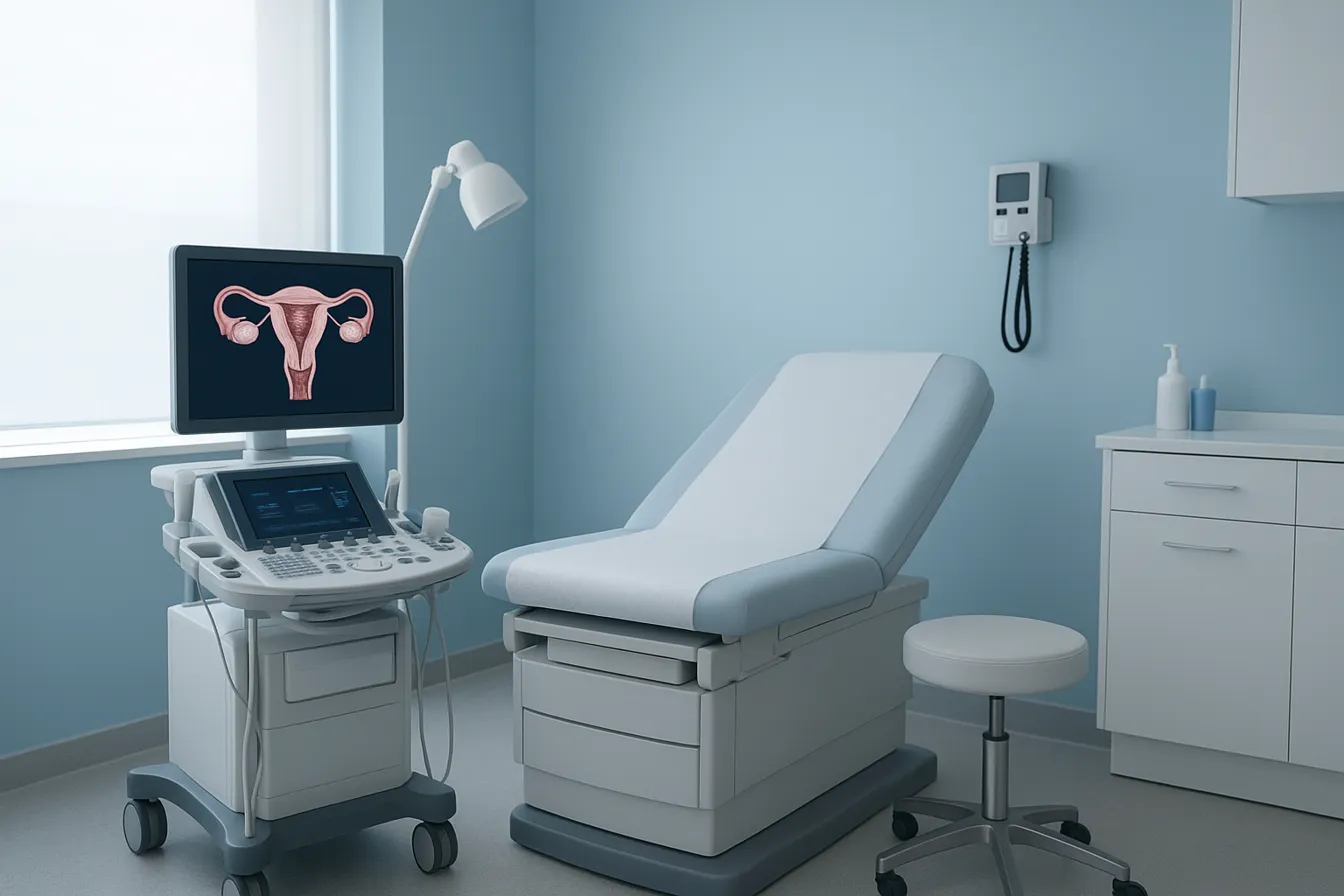
Endometriosis is a condition where tissue similar to the lining of the uterus grows outside the uterine cavity. It commonly affects areas such as the ovaries, fallopian tubes, and pelvic lining, but can sometimes involve other organs like the bowel or bladder.
It affects approximately 10% of women of reproductive age worldwide, with around 190 to 200 million women impacted globally. Many experience significant symptoms leading to disruptions in daily life.
Common symptoms include severe menstrual cramps, chronic pelvic pain, pain during intercourse, heavy menstrual bleeding, and infertility. These symptoms can cause physical discomfort and emotional distress, often impairing quality of life and mental well-being.
Diagnosis is frequently delayed by 5 to 7 years due to the subtlety of symptoms and reliance on surgical procedures like laparoscopy for definitive confirmation. Imaging tests may detect only deep or large lesions, missing milder cases.
Treatment options such as hormonal therapies and surgery primarily manage symptoms but have limitations. Hormonal therapies can cause side effects and are not suitable for all patients, while surgical interventions carry risks and symptoms may recur. There is no definitive cure currently available.
Understanding these challenges highlights the critical need for ongoing research and development of innovative therapies to improve diagnosis, treatment effectiveness, and quality of life for women with endometriosis.

Emerging pharmacological agents for endometriosis include new agents such as Relugolix for symptom relief and elagolix, which are gonadotropin-releasing hormone (GnRH) antagonists. These medications effectively reduce estrogen levels, helping to halt the growth of endometrial tissue and provide significant pain relief with fewer side effects compared to older treatments. Clinical trials continue to explore their long-term benefits and tolerability.
Innovative immunotherapy approaches target the Immunological dysregulation in endometriosis. Specific cytokines such as Role of cytokines IL-33, IL-8, IL-6 in endometriosis, and signaling pathways like Nrf2 and PI3K/Akt pathways in endometriosis are under investigation. Monoclonal antibodies aimed at these molecules (e.g., anti-IL-6) demonstrate promising preclinical results by reducing inflammation and lesion growth, representing a novel strategy to address the pathophysiology of endometriosis beyond hormonal manipulation.
Several repurposed medications including Levofloxacin and clotrimazole in endometriosis research, Loratadine and quinagolide effects on lesions, Cabergoline and N-acetylcysteine in experimental models show potential to reduce inflammation, pain, and lesion size in experimental models. Additionally, natural compounds like Potential of sulforaphane and fisetin, Use of quercetin and resveratrol in endometriosis, and various vitamins exhibit anti-inflammatory and antioxidant effects, suggesting they could be adjunct therapies to improve symptom control under medical supervision as discussed in this study.
Hormonal treatments remain the cornerstone of Hormone therapy for endometriosis and include contraceptives, progestins, and GnRH agonists/antagonists designed to suppress ovarian hormone production and menstrual cycles. While effective for symptom management, these therapies often come with side effects like mood changes and bone density loss, and symptoms may return after discontinuation. Moreover, not all patients respond adequately, underscoring the need for newer pharmacological options and personalized treatment plans.

Laparoscopic surgery is a minimally invasive procedure considered the gold standard for diagnosing and treating endometriosis. It involves small incisions through which a surgeon inserts a camera and instruments to visualize and remove endometrial tissue. Robotic-assisted surgery for endometriosis is an advanced form of minimally invasive surgery where robotic technology enhances the surgeon's precision and dexterity.
Minimally invasive procedures offer several advantages over traditional open surgery. These include:
Robotic assistance further enhances precision, allowing surgeons to address deeply infiltrating lesions with better access and control.
Excision surgery for endometriosis, where endometrial lesions are surgically cut out completely, is widely recognized as the gold standard treatment. It can be performed laparoscopically or with robotic assistance to remove lesions while preserving the uterus and ovaries. This approach optimizes symptom relief and fertility outcomes.
In severe endometriosis involving extensive pelvic organ infiltration, advanced surgical interventions may include:
Each surgical plan is individualized, considering symptom severity and the patient's reproductive goals.
Minimally invasive and robotic-assisted surgical innovations continue to improve outcomes by reducing recovery times and enhancing the precision of lesion removal, thereby improving symptom control and quality of life for women with endometriosis.
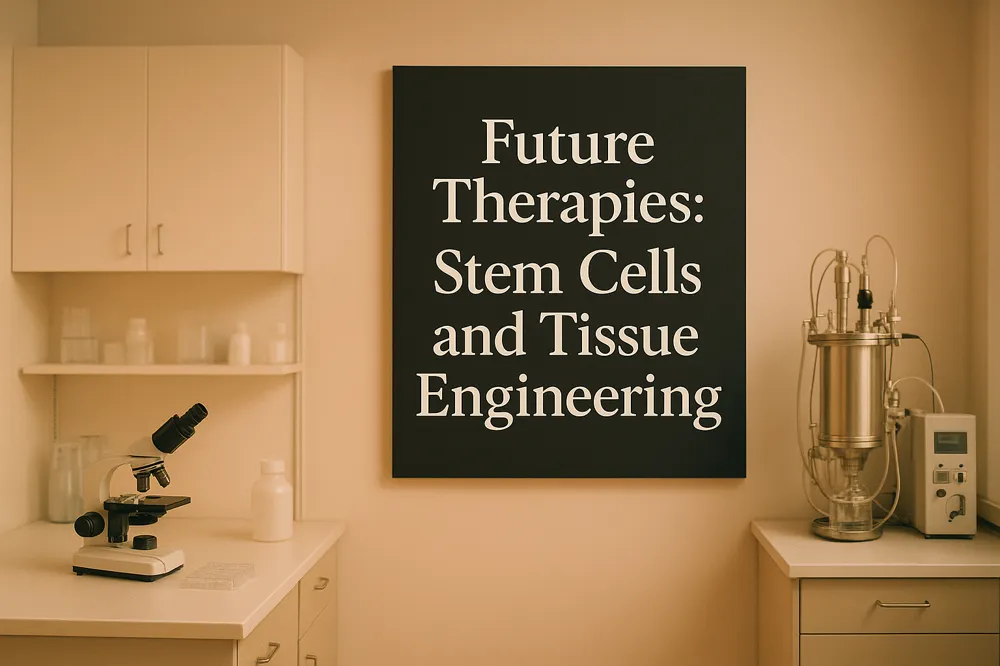
Stem cell therapies in endometriosis represent a promising frontier in the treatment of endometriosis by focusing on tissue repair and inflammation reduction. These therapies aim to regenerate damaged pelvic tissue affected by endometrial lesions, helping to alleviate chronic pain and reduce disease progression. By targeting damaged areas with stem cells, these treatments may help restore healthier tissue environments and mitigate inflammation associated with endometriosis.
Tissue engineering for endometriosis strategies seek to restore normal tissue function disrupted by endometriosis. Using advances in bioengineering, new approaches involve creating scaffolds or grafts that support regeneration of endometrial tissue with reduced scarring and adhesion formation. This area of research aims to not only repair damage but also address underlying dysfunctions in tissue growth and inflammation, offering potential improvements in symptom management.
Both stem cell therapies in endometriosis and advances in tissue engineering for endometriosis hold potential for enhancing fertility outcomes in women with endometriosis. By repairing pelvic tissues and reducing scar formation, these interventions may improve reproductive organ function. Furthermore, they promise longer-lasting symptom relief compared to traditional treatments by addressing root causes rather than solely managing symptoms, which can translate into better quality of life.
Organizations like the National Institutes of Health (NIH) and the World Health Organization (WHO) actively support research in regenerative medicine for endometriosis and advances in tissue engineering for endometriosis. Their funding and collaborative studies bolster the development of innovative therapies and help transition promising laboratory findings into clinical applications, ensuring advancements are both viable and safe for patients seeking new treatment options.
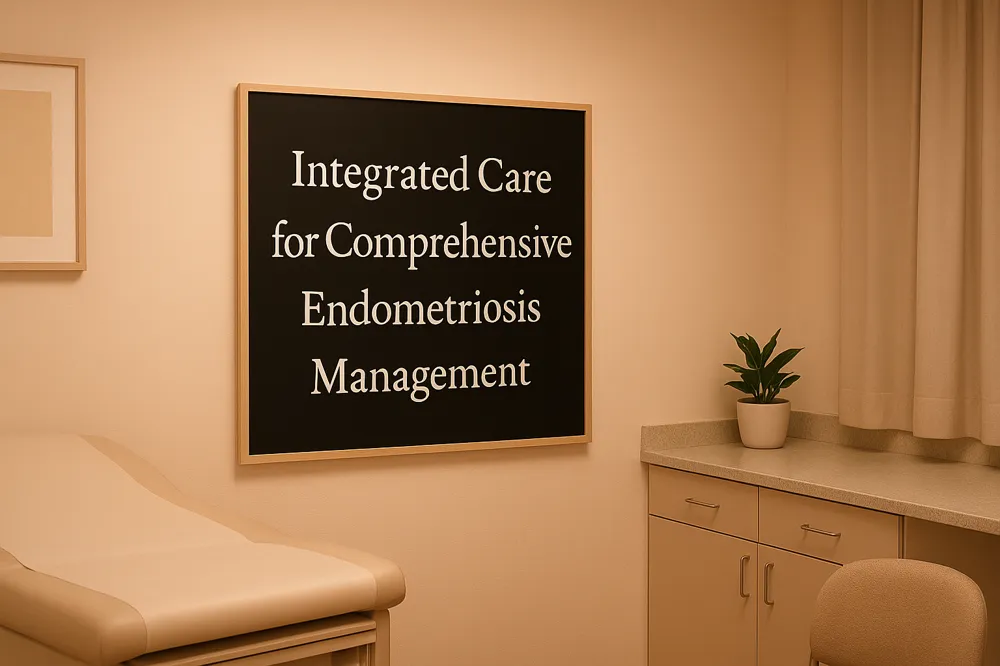
A holistic and multidisciplinary approach has become essential in managing endometriosis, a complex and chronic condition. Care teams often include gynecologists, colorectal surgeons, pelvic floor physical therapists, mental health professionals, nutritionists, and anesthesiologists. This integrated model ensures that all aspects of the disease—from physical symptoms to emotional well-being—are addressed.
Pelvic floor physical therapy plays a central role in reducing pelvic pain and improving muscle function. Techniques focus on relaxing pelvic muscles, strengthening stability, and alleviating myofascial restrictions that commonly accompany endometriosis.
Lifestyle changes complement medical treatments, enhancing patient outcomes. Dietary modifications such as adopting an anti-inflammatory diet rich in omega-3 fatty acids, fruits, vegetables, and whole grains have been shown to reduce inflammation and pelvic pain.
Regular physical activity, including exercises like yoga, Pilates, and aerobic workouts, releases endorphins that help diminish pain perception and improve overall quality of life. Stress management through relaxation techniques is also encouraged as part of lifestyle adjustments.
Acupuncture has demonstrated efficacy in reducing chronic pelvic pain and dyspareunia, offering lasting relief beyond the treatment period. Mindfulness and cognitive-behavioral therapy support coping strategies, helping patients manage anxiety, depression, and the emotional toll of chronic pain.
Other complementary options include electrophysical agents (e.g., TENS), manual therapies, and herbal supplements, which may further alleviate symptoms when integrated thoughtfully.
Endometriosis manifests differently in each individual, necessitating personalized treatment plans. Multidisciplinary teams tailor interventions to symptom severity, fertility desires, and patient preferences, maximizing efficacy while minimizing side effects.
This adaptable approach empowers patient autonomy and supports long-term management, recognizing the relapsing nature of the disease. Personalized care ensures that treatments evolve alongside patient needs, aiming to improve both physical health and quality of life.
Endometriosis causes complex pain types including nociceptive (caused by tissue damage), inflammatory (due to immune response), and neuropathic pain (from nerve injury). Chronic pain may lead to central sensitization, where the nervous system becomes more sensitive, making pain harder to control.
NSAIDs such as ibuprofen effectively reduce inflammation and prostaglandin-related pain by blocking inflammatory pathways. They work best when taken in advance of pain onset. Transcutaneous electrical nerve stimulation (TENS) offers drug-free relief by disrupting pain signals and promoting endorphin release. Tricyclic antidepressants like amitriptyline alter nerve pathways to decrease chronic pain sensations.
Applying heat through warm baths or heating pads relaxes pelvic muscles, reducing pain and cramping. Physiotherapy plays a crucial role by strengthening pelvic floor muscles, improving mobility, and managing stress. Techniques include gentle exercises, pelvic floor physical therapy, and relaxation methods such as yoga and Pilates.
Targeted pain management focuses on understanding immune and nerve interactions. Advanced treatments include nerve blocks, Botox injections, and integrative approaches like acupuncture. A multidisciplinary team approach addresses both physical symptoms and psychosocial impacts, aiming to improve quality of life for women with chronic pelvic pain from endometriosis.
Anti-inflammatory diets can play a significant role in managing endometriosis symptoms. Incorporating foods rich in omega-3 fatty acids, such as fatty fish, flaxseeds, and walnuts, helps reduce inflammation and may alleviate pelvic pain associated with the condition. Diets emphasizing Anti-inflammatory foods and omega-3 fatty acids such as fruits, vegetables, whole grains, and healthy fats support hormonal balance and reduce inflammatory responses that exacerbate symptoms.
Supplements like omega-3 fatty acids can contribute to symptom relief, particularly in reducing pelvic pain and bloating. Vitamins and natural compounds such as vitamin D, Potential of sulforaphane and fisetin, Use of quercetin and resveratrol in endometriosis also exhibit anti-inflammatory and antioxidant properties, potentially improving endometriosis outcomes. It is important that supplements are taken under medical supervision to ensure safety and prevent interactions with other treatments.
Emerging studies reveal a link between Microbiome dysbiosis effects and increased inflammation in women with endometriosis. This understanding has led to explorations of modulatory therapies including Probiotics and prebiotics therapies and Fecal microbiota transplantation aimed at restoring a healthy gut environment. These interventions show promise in reducing systemic inflammation and influencing estrogen metabolism, both crucial in managing endometriosis symptoms.
Together, anti-inflammatory diets, targeted supplements, and microbiome-centered treatments help regulate systemic inflammation and hormonal fluctuations. By modulating immune responses and improving gut health, these strategies aim to mitigate the growth and irritation of endometrial-like tissue, ultimately easing symptoms and enhancing quality of life for affected women.

Endometriosis diagnosis is notoriously delayed, with women often waiting five to seven years from symptom onset to confirmation. Current definitive diagnosis requires laparoscopic surgery and biopsy, which are invasive procedures. This delay is partly due to symptom normalization and limited effectiveness of imaging in detecting typical lesions.
Innovative noninvasive diagnostic approaches are under development to reduce this delay. These include AI-assisted imaging techniques, such as advanced MRI coupled with artificial intelligence, to improve lesion detection accuracy without surgery. Additionally, at-home menstrual blood tests, functioning similarly to pregnancy tests, are being developed and show promise as accessible screening tools.
Research has identified genetic and molecular biomarkers, such as estrogen receptor profiles (ERβ) and enzymes like CYP19A1, that play a role in endometriosis progression. Understanding these biomarkers enables the development of targeted therapies, including immunotherapies aimed at cytokines and signaling pathways involved in the disease.
These biomarkers facilitate personalized medicine approaches, allowing treatments to be tailored to molecular subtypes of endometriosis. This strategy aims to optimize therapeutic effectiveness and reduce recurrence rates by matching interventions to individual disease characteristics.
Personalized medicine in endometriosis embraces a patient-centered approach, incorporating molecular diagnostics, symptom profiles, and fertility desires to craft individualized care plans. This methodology moves beyond one-size-fits-all treatments, integrating hormonal therapies, surgical options, and supportive care tailored to each patient.
By leveraging genetic insights and novel diagnostics, personalized treatments can better control symptoms, improve fertility outcomes, and minimize side effects, thereby enhancing quality of life. Ongoing research aims to translate these advancements into routine clinical practice, offering hope for more precise and effective endometriosis management.
Significant investments are being made to advance understanding and treatment of endometriosis worldwide. The Gates Foundation has committed $2.5 billion globally by 2030 towards women's health research, with endometriosis as a priority focus. In addition, the Cold Spring Harbor Laboratory launched the Seckin Endometriosis Research Center for Women’s Health in 2025 to unravel disease mechanisms and develop novel therapies. These initiatives underscore growing recognition of endometriosis as a major women's health concern warranting increased research resources.
Innovative research tools such as patient avatars created from polymer and live human cells are revolutionizing endometriosis studies. Unlike traditional animal models, these avatars more accurately mimic human disease physiology due to menstruation being exclusive to humans. This allows researchers to better investigate disease progression, drug responses, and personalized treatments, accelerating breakthroughs while reducing reliance on less representative models.
Emerging evidence shows endometriosis is not confined to pelvic pathology but involves systemic dysfunction affecting multiple organ systems. Studies have revealed strong associations between endometriosis and chronic conditions including autoimmune diseases, certain cancers, asthma, and neurological disorders such as migraines. This multisystem understanding promotes broader diagnostic awareness and therapeutic strategies that address both local pelvic and systemic symptoms.
With advances in genetic studies, immunotherapy targets, microbiome research, and regenerative medicine, there is optimism that findings will translate into improved diagnostic tools and individualized treatment options. Efforts are underway to develop noninvasive diagnostics, personalized medicine approaches using molecular biomarkers, and integrated multidisciplinary care models. The ultimate goal is enhanced symptom relief, reduced recurrence, fertility preservation, and improved quality of life for those affected.
Research collaboration across global centers, increasing inclusion of women in studies, and heightened patient advocacy promise to accelerate these milestones in endometriosis management, offering hope for transformative care in the near future.
Recent advancements in endometriosis treatment include promising pharmacological agents like relugolix and novel vaccines targeting endometrial tissue. Minimally invasive procedures, including robotic-assisted surgeries, offer precise lesion removal with quicker recoveries. Emerging regenerative approaches such as stem cell therapy and tissue engineering aim to restore normal tissue function and reduce inflammation. Additionally, dietary strategies emphasizing anti-inflammatory foods, alongside supplements like omega-3 fatty acids, provide supportive symptom relief.
Effective endometriosis care now embraces individualized treatment plans. This approach integrates gynecologists, pain specialists, physical therapists, mental health professionals, and nutritionists to address the diverse symptoms and challenges women face. Combining surgery, hormone therapy, pain management, lifestyle modifications, and psychosocial support ensures a holistic and patient-centered strategy to improve life quality.
Ongoing research initiatives and increased public awareness are vital to advancing diagnosis and novel therapies. Efforts supported by global health organizations and research centers focus on unraveling the complex mechanisms of endometriosis, developing noninvasive diagnostics, and exploring targeted treatments. Such progress is essential to shorten diagnostic delays and optimize personalized care, ultimately enhancing outcomes for women worldwide with this chronic condition.

.png)
%201.png)
Compassionate care for every stage of womanhood. Visit one of our convenient locations or book your appointment online today.