Protecting Ovarian Health: Signs, Symptoms, and Proactive Care
What Every Woman Should Know About Ovarian Health
Protecting Ovarian Health: Signs, Symptoms, and Proactive Care
Follow us here:


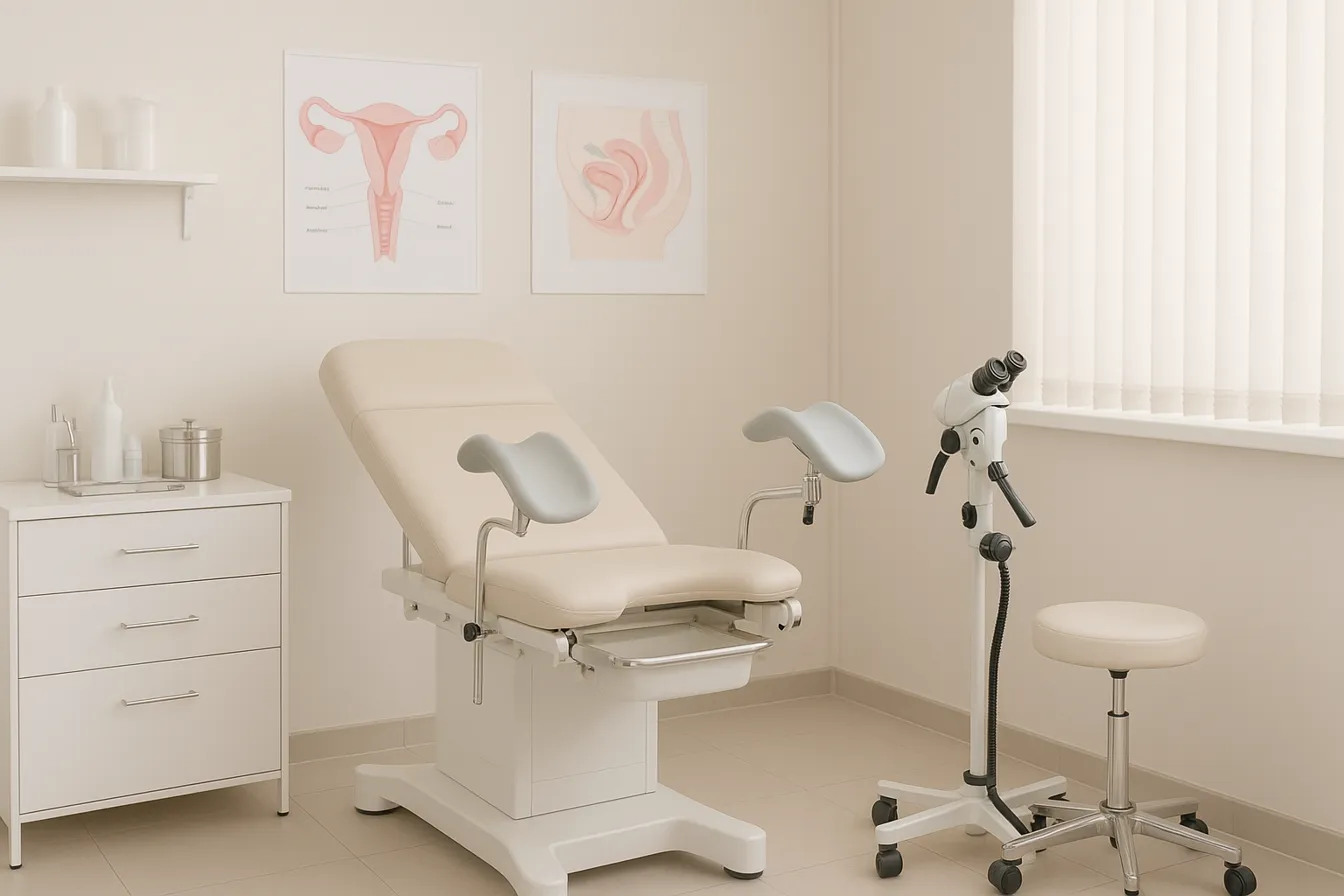
Gynecological health encompasses a range of conditions affecting the female reproductive system, including common issues such as menstrual disorders, uterine fibroids, polycystic ovary syndrome (PCOS), endometriosis, pelvic inflammatory disease (PID), and vaginal infections. These conditions often present symptoms like irregular or heavy periods, pelvic pain, unusual vaginal discharge, and pain during intercourse. For example, uterine fibroids affect up to 80% of women by age 50, while endometriosis impacts about 10% of women of reproductive age.
Early diagnosis through regular gynecological check-ups, including pelvic exams, Pap smears, and screenings for infections, is critical. This approach helps identify abnormalities early, allowing for timely intervention with medication, lifestyle changes, or surgical treatments. Prompt management can prevent complications such as infertility, chronic pain, and progression of disease. Vaccinations like HPV also play a significant role in preventing cervical cancer.
Untreated gynecological conditions can severely affect mental and physical health, with symptoms contributing to anxiety, depression, and decreased daily functioning. Conditions like chronic pelvic pain and heavy menstrual bleeding influence work productivity and social engagement. Maintaining gynecological health supports overall well-being, empowering women to lead active lives and reducing the burden of disease across their lifespan.

During a gynecological exam, several important tests are routinely performed to assess a woman's reproductive health and detect any early signs of disease. A pelvic exam involves a thorough visual and manual inspection of the vagina, cervix, uterus, ovaries, and fallopian tubes to identify abnormalities such as growths or infections.
One of the central components of this exam is the Pap smear, which screens for cervical cancer by detecting abnormal cells on the cervix caused often by HPV infection. Early detection through Pap smears enables intervention before cancer develops.
Breast exams focus on checking for lumps or other unusual changes that could indicate breast cancer or other conditions. Mammograms may be recommended periodically for women based on age and risk factors to enhance early detection.
These screenings are personalized depending on individual health history, symptoms, and risk factors. Women should openly discuss any concerns with their healthcare provider to tailor exams and tests accordingly.
Regular annual gynecological visits starting at age 21 are essential for maintaining reproductive health, preventing disease, and ensuring timely treatment if issues arise.
| Test | Purpose | Details and Importance |
|---|---|---|
| Pelvic exam | Check reproductive organs | Visual and manual exam to detect abnormalities |
| Pap smear | Cervical cancer screening | Detects pre-cancerous changes related to HPV |
| Breast exam | Breast health | Detect lumps or changes; mammograms advised based on age |
| Additional tests | Based on symptoms/history | May include ultrasounds, blood tests, STI screenings |
By prioritizing these routine check-ups and screenings, women enhance their chances of early detection of gynecological conditions, leading to better health outcomes and personalized care.

Maintaining good hygiene involves simple but effective lifestyle habits. Women should practice gentle hygiene by using mild soaps for vulvar cleaning and avoiding douching, which can disrupt the natural balance and lead to infections. Wearing breathable underwear supports a healthy environment, and wiping from front to back reduces the risk of bacterial contamination. Using water-based lubricants during intercourse and consistently practicing safe sex with condom use help prevent sexually transmitted infections (STIs). Additionally, vaccination against human papillomavirus (HPV) is crucial for preventing cervical and other related cancers.
Preventing gynecological problems centers on adopting a balanced and holistic approach. Eating a nutrient-rich diet abundant in fruits, vegetables, and probiotic foods like yogurt promotes Eating yogurt for vaginal bacteria and overall reproductive health. Regular exercise benefits support hormonal balance, help maintain a healthy weight, and can alleviate menstrual irregularities or pelvic discomfort.
Effective stress management techniques such as yoga, meditation, or regular physical activity also play a significant role in hormonal regulation and menstrual health. Practicing safe sex by using condoms, reducing the number of sexual partners, and maintaining Open communication with partners protects against infections impacting reproductive wellness.
Together, these habits reinforce the body's natural defenses, reduce the risk of conditions such as yeast infections, bacterial vaginosis, polycystic ovary syndrome (PCOS), and contribute to menstrual regularity and pelvic comfort.
By integrating these lifestyle factors, women can effectively maintain reproductive wellness and reduce the incidence of Symptoms of uterine fibroids.
Recognizing when to seek medical care is crucial for managing Maintaining good hygiene effectively. Symptoms such as heavy or irregular periods — persistent pelvic pain beyond typical painful periods, unusual vaginal discharge often accompanied by itching or burning, swelling, pain during intercourse, and persistent urinary symptoms like incontinence or urgency warrant prompt evaluation.
Irregular menstrual cycles can signal hormonal imbalances, uterine fibroids symptoms and treatments, or infections, while Pelvic Pain might indicate conditions such as Endometriosis symptoms and treatment or Pelvic Inflammatory Disease (PID). Persistent or severe discomfort should never be ignored and requires Understanding Common Gynecological Conditions, Symptoms, and Treatments.
Common vaginal infections like yeast infections or bacterial vaginosis are common and present with itching, unusual odor, or abnormal discharge. Timely diagnosis and targeted treatment based on medical evaluation help prevent complications.
Early consultation with an Ob-Gyn Administered Vaccinations improves outcomes by enabling accurate diagnosis and early intervention. Delays can worsen symptoms and potentially lead to chronic conditions affecting fertility and quality of life.
Conditions such as Endometriosis symptoms and impact and Polycystic ovary syndrome (PCOS) overview cause chronic pain and menstrual irregularities. These require tailored therapeutic approaches including hormonal therapy, lifestyle modifications, and, in some cases, minimally invasive surgical interventions.
Advances in Common Gynecological Problems include laparoscopic surgeries in gynecology, which reduce recovery time and pain. Treatments like fibroid removal, endometriosis excision, or uterine artery embolization often use such techniques, improving patient experience and outcomes.
Timely recognition and management of these symptoms through regular Gynecological conditions and mental health and Open communication with partners empower women to maintain reproductive health and prevent complications.
Common gynecological interventions involve a range of procedures designed to diagnose and treat conditions affecting the female reproductive system. These include dilation and curettage (D&C), often used to address uterine lining abnormalities, and hysteroscopy, which allows for direct visualization and removal of fibroids and polyps through procedures like myomectomy and polypectomy.
Intrauterine device (IUD) insertion and removal are routine interventions for contraception management. Uterine fibroid embolization (UFE) is another minimally invasive option used to shrink fibroids by cutting off their blood supply.
Laparoscopy and hysteroscopy are minimally invasive surgical techniques that utilize small incisions or natural body openings to access pelvic organs. Laparoscopy is widely used for diagnosing and treating conditions such as endometriosis, ovarian cysts, and pelvic adhesions by providing detailed internal visualization.
Hysteroscopy involves inserting a thin scope through the cervix to examine the uterine cavity, enabling targeted removal of fibroids, polyps, or adhesions with minimal trauma.
Imaging modalities such as ultrasound and magnetic resonance imaging (MRI) play a critical role in non-invasively evaluating gynecologic conditions. Ultrasound is frequently used as a first-line diagnostic tool to assess uterine and ovarian structures, guiding treatment decisions.
MRI provides enhanced soft tissue contrast and detail, valuable for complex cases like deep infiltrating endometriosis or large fibroids.
Minimally invasive surgeries offer multiple benefits including less postoperative pain, shorter hospital stays, reduced infection risk, smaller scars, and faster recovery. These advantages support quicker returns to daily activities and work, improving overall patient quality of life.
Treatment plans are customized based on factors such as symptom severity, reproductive goals, age, and overall health. Shared decision-making between the patient and gynecologist ensures that interventions align with personal preferences and maximize therapeutic success.
By integrating advanced diagnostics with minimally invasive surgical techniques, gynecological care in the United States continues to evolve toward safer, more effective, and patient-centered approaches.

A fundamental approach to enhancing women's health involves comprehensive preventive care that spans regular screenings, vaccinations, and lifestyle management. Routine health checks such as mammograms, Pap smears, and bone density testing are essential for early detection of conditions like breast cancer, cervical cancer, and osteoporosis—ailments that disproportionately affect women.
The HPV vaccine plays a pivotal role in preventing cervical cancer by protecting against the high-risk human papillomavirus strains responsible for most cases. Vaccination is recommended for young women and those at risk, dramatically reducing cervical cancer incidence through early intervention.
Regular screening for sexually transmitted infections (STIs) and education on safe sexual practices are crucial for protecting reproductive health. Open communication with partners, consistent condom use, and timely treatment help prevent complications such as pelvic inflammatory disease, infertility, and chronic pelvic pain.
Mammograms enable early breast cancer detection when treatment outcomes are most favorable, while bone density scans are vital for identifying osteoporosis risk. Women, especially as they age or approach menopause, benefit from these screenings in maintaining long-term health.
Obstetricians and gynecologists play an important role in monitoring mental health, routinely screening for anxiety, depression, and postpartum mood disorders. Detecting mental health concerns early allows for timely support and intervention, markedly improving quality of life.
Preventive care should be individualized, addressing each woman's unique health history, risks, and life stage. Emphasizing a full spectrum of well-being—including physical, reproductive, and mental health—empowers women to maintain wellness throughout their lifespan, reinforcing the profound impact of proactive, preventive strategies.
Common gynecological emergencies require swift diagnosis and intervention to prevent serious health consequences. These include ectopic pregnancy, acute pelvic inflammatory disease (PID), miscarriages, complicated ovarian cysts, menstrual disorders, bleeding from gynecologic cancers, coital lacerations, and sexual assault.
Ectopic pregnancy occurs when a fertilized egg implants outside the uterus, most commonly in the fallopian tubes. This condition is life-threatening and presents with abdominal pain, vaginal bleeding, and sometimes shoulder pain. Immediate medical care is crucial to manage bleeding and preserve fertility.
Pelvic Inflammatory Disease (PID) results from untreated sexually transmitted infections and affects the upper reproductive organs. Symptoms include lower abdominal pain, fever, abnormal vaginal discharge, and pain during intercourse. Prompt antibiotic treatment is essential to prevent chronic pelvic pain, infertility, or abscess formation.
Miscarriages can manifest as heavy bleeding, cramping, and the passing of tissue. Benign ovarian cysts may cause sudden, severe pelvic pain or rupture, requiring urgent evaluation and sometimes surgical intervention.
Severe pelvic pain, heavy or irregular periods, fever with pelvic discomfort, sudden enlargement or rupture of cysts, and symptoms suggestive of ectopic pregnancy or PID warrant immediate medical evaluation. Early intervention improves outcomes and reduces the risk of long-term complications.
Common obstetric conditions include gestational diabetes, preeclampsia, preterm labor, placental abnormalities like placenta previa or placental abruption, recurrent pregnancy loss, and intrauterine growth restriction (IUGR). These conditions can pose significant risks to both mother and baby, making specialized care essential.
Gestational Diabetes Monitoring occurs when a woman develops high blood sugar during pregnancy, requiring careful monitoring and lifestyle adjustments to prevent complications such as preterm birth or increased risk of type 2 diabetes later in life. Preeclampsia is characterized by high blood pressure and signs of organ damage, often affecting the liver and kidneys. Early diagnosis and management are vital to prevent severe outcomes including eclampsia or premature delivery.
Preterm labor involves the onset of labor before 37 weeks of gestation, leading to potential complications from early birth. Placental abnormalities, such as placenta previa (where the placenta covers the cervix) or placental abruption (premature separation), can cause bleeding and threaten pregnancy viability. These conditions require close monitoring in a specialized setting.
Recurrent pregnancy loss refers to multiple miscarriages or losses, which can stem from genetic, anatomical, or immune-related factors. Intrauterine growth restriction (IUGR) is a condition where the fetus does not grow adequately, increasing risks for complications at birth and later development. Both conditions mandate thorough evaluation and evidence-based interventions.
Managing obstetric conditions demands multidisciplinary teams skilled in General Obstetrics & Gynecology at UR Medicine. Personalized care plans, frequent monitoring, and preventive strategies can improve maternal and neonatal outcomes, ensuring healthy pregnancies and safe deliveries.
Promoting reproductive health requires a multifaceted approach focused on education, healthcare accessibility, and community involvement.
Providing comprehensive sex education is fundamental to empowering individuals with knowledge about their bodies, contraception, sexually transmitted infections (STIs), and consent. Well-rounded curricula help young people make informed choices, reduce rates of unintended pregnancies, and prevent STIs. This education should be age-appropriate and culturally sensitive to effectively reach diverse populations.
Strengthening healthcare infrastructure ensures that reproductive health services such as routine gynecological exams, STI screenings, contraceptive services, and preventive care are accessible to all women. Investment in local clinics, trained providers, and affordable care options reduces barriers and supports timely diagnosis and treatment of gynecological conditions.
Community-based programs play a critical role in raising awareness and reducing stigma surrounding reproductive health. These programs can facilitate dialogues around common gynecological conditions, safe sex practices, and the importance of regular check-ups. Engaging trusted community leaders and leveraging culturally relevant messaging increases program effectiveness and encourages health-seeking behaviors.
By integrating these strategies, communities can enhance reproductive health outcomes and empower women to take control of their health across the lifespan.
Maintaining good hygiene relies on a combination of lifestyle habits and regular medical care. A balanced diet rich in fruits, vegetables, and probiotics like Eating yogurt for vaginal bacteria supports the growth of beneficial vaginal bacteria. Incorporating Regular exercise benefits helps regulate menstrual cycles and reduce symptoms related to hormonal imbalances such as pelvic pain and missed or heavy periods.
Good hygiene practices are essential; Using pH-balanced cleansers and Wearing breathable underwear can prevent infections. Avoiding douching and changing sanitary products regularly reduce irritation risk.
Regular gynecological screenings are vital, including annual Pap smears to detect cervical abnormalities and screening for Sexually transmitted infections (STIs). Practicing safe sex and Open communication with partners further lowers infection risks.
Stress management also plays a pivotal role because hormonal balance depends on both physical and emotional well-being. Techniques like mindfulness, adequate sleep, and reducing work-related stress can prevent menstrual irregularities.
Finally, seeking care from trusted gynecologists ensures personalized counseling and management tailored to each woman’s unique needs, life stage, and health challenges. Regular visits enable early detection and timely intervention for common conditions such as Polycystic ovary syndrome (PCOS), Uterine fibroids, or Endometriosis.
Together, these practices create a comprehensive approach to maintaining reproductive health and enhancing quality of life for women.
Maintaining gynecological health involves several proactive steps. Regular check-ups with your ob-gyn enable early detection of conditions such as fibroids, endometriosis, and menstrual disorders. Incorporating a healthy diet, safe sex practices, and personal hygiene supports reproductive well-being and prevents infections. When necessary, treatment options range from medications to minimally invasive procedures, tailored to individual needs.
Engaging actively with your healthcare provider fosters timely diagnosis and personalized care. Be attentive to symptoms like irregular cycles, pelvic pain, or unusual discharge, and do not hesitate to seek evaluation. Open communication and adherence to recommended screenings, including Pap smears and HPV vaccination, empower you to protect your health.
Education about menstrual health, contraception, and lifestyle factors is vital. Tracking your cycle and understanding changes help in identifying concerns early. Preventive care such as vaccinations, mental health screening, and pelvic floor exercises contribute significantly to overall quality of life and long-term health.
Armed with knowledge and support, women can navigate their gynecological health confidently, enhancing lifelong well-being.

.png)
%201.png)
Compassionate care for every stage of womanhood. Visit one of our convenient locations or book your appointment online today.