VBAC Myths Busted: A Guide to Safe, Informed Birth Choices
Debunking Common Myths About VBAC Procedures
VBAC Myths Busted: A Guide to Safe, Informed Birth Choices
Follow us here:


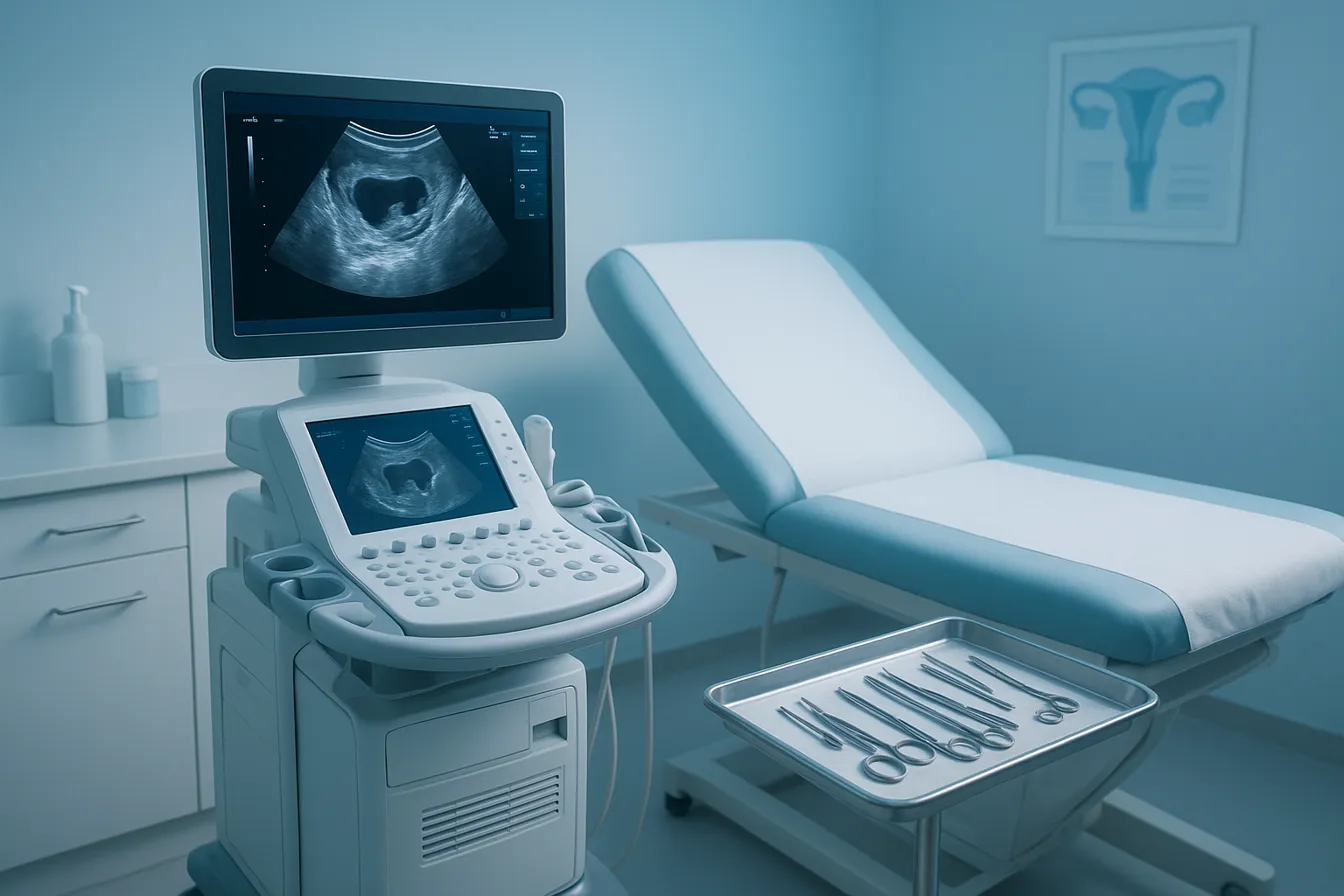
Endometriosis is a chronic condition where tissue similar to the uterine lining grows outside the uterus, commonly on ovaries, fallopian tubes, and pelvic structures. This ectopic tissue responds to hormonal cycles, causing inflammation, pain, and scar tissue formation.
Affecting about 10% of women of reproductive age globally, endometriosis significantly impairs quality of life. Symptoms include severe pelvic pain, painful menstrual cramps, discomfort during intercourse, bowel and bladder issues, fatigue, and infertility. These symptoms often disrupt daily activities and emotional well-being.
Diagnosing endometriosis can be challenging due to the variability of symptoms and the fact that disease severity doesn't always match symptom intensity. Clinical evaluation includes detailed medical history, pelvic exams, and imaging techniques like transvaginal ultrasound or MRI for detecting ovarian cysts or deep tissue involvement. Surgical visualization by laparoscopy remains the definitive diagnostic method but is reserved for when non-invasive assessments are inconclusive.
Early diagnosis is crucial to prevent disease progression and chronic pain development. Treatment is individualized, combining hormonal therapies, pain management, and surgery when needed. A multidisciplinary approach enhances symptom control and supports fertility goals, emphasizing the importance of timely recognition and tailored interventions for women living with endometriosis.
Endometriosis is a chronic condition characterized by the growth of tissue similar to the uterine lining outside the uterus. This abnormal tissue growth commonly occurs on the ovaries, fallopian tubes, pelvic peritoneum, and sometimes more distant sites like the bowel, bladder, or even lungs. These ectopic endometrial-like tissues respond to hormonal changes during the menstrual cycle, leading to inflammation, irritation, scar tissue formation, and significant pelvic pain.
Symptoms often include painful menstrual cramps (dysmenorrhea), pain during or after sexual intercourse (dyspareunia), bowel or bladder pain, heavy menstrual bleeding, fatigue, and can also cause infertility. Diagnosis typically relies on clinical evaluation of symptoms, pelvic exams, imaging tests such as transvaginal ultrasound or MRI to detect cysts or deep infiltrating lesions, and is definitively confirmed by laparoscopy with biopsy of the tissue.
Although there is no cure for endometriosis, treatments focus on symptom management through pain relief, hormonal therapies that suppress menstruation, and surgical removal of endometrial lesions. Early diagnosis and individualized care plans are essential to help maintain quality of life and manage complications.
The exact cause of endometriosis is not fully understood, but multiple theories and contributing factors have been identified.
Retrograde menstruation: This widely accepted theory suggests that during menstruation, some of the menstrual blood containing endometrial cells flows backward through the fallopian tubes into the pelvic cavity. These cells then implant and grow outside the uterus.
Immune dysfunction: In healthy individuals, these misplaced endometrial cells are typically cleared by the immune system. However, in women with endometriosis, immune dysregulation may fail to identify and remove these cells, allowing lesions to persist and cause inflammation.
Genetic predisposition: A family history of endometriosis significantly increases risk, suggesting hereditary factors influence susceptibility.
Cellular metaplasia and stem cell theories: Undifferentiated cells may transform into endometriosis tissue, or circulating stem cells might implant ectopically.
Hormonal influence: Endometriosis is estrogen-dependent. Estrogen promotes the growth and maintenance of endometrial tissue, and lesions themselves may create a local estrogen-rich environment that worsens inflammation and symptoms.
Overall, endometriosis is a chronic inflammatory condition driven by complex interactions between hormonal, immune, and genetic factors affecting ectopic endometrial tissue growth and symptom development.
Endometriosis is a common condition affecting approximately 10–15% of women of reproductive age in the United States, which equates to about 19 million affected individuals nationwide. This prevalence aligns with estimates reported both in Endometriosis in Canada and the USA and globally, where roughly 1 in 10 reproductive-aged females experiences the disease. The peak incidence typically occurs in women during their 20s and 30s, reflecting the reproductive years when symptoms commonly present (Endometriosis prevalence in reproductive-age women).
Diagnosis is frequently delayed due to the wide variability in symptoms and the Diagnosis challenges in endometriosis. On average, women experience a delay of about 6 to 8 years from the onset of symptoms to formal diagnosis, which can adversely impact treatment outcomes and quality of life (Diagnostic challenges of endometriosis).
Several demographic and reproductive characteristics increase the likelihood of developing endometriosis. Early onset of menstruation (early menarche), consistently short menstrual cycles (less than 27 days), and longer or heavier periods are important Risk factors for endometriosis. Nulliparity (never having given birth) and low body mass index (BMI) have also been associated with higher risk, as is a familial history of the disease.
Conversely, pregnancy and breastfeeding appear to have a protective effect, likely due to hormonal changes that suppress menstrual cycles and endometrial growth. Other less consistent factors include smoking and taller stature, with some studies indicating that higher BMI and smoking may decrease risk (Endometriosis risk factors.
Genetic factors play a significant role in the development of endometriosis. Women with a first-degree relative (such as a mother or sister) diagnosed with endometriosis have a substantially increased risk, with studies indicating up to a sevenfold elevation compared to women without familial history. Twin studies suggest that heritability of endometriosis may be as high as 50%, underscoring the importance of inherited susceptibility alongside environmental and immunological factors (Endometriosis genetic factors).
The average delay in diagnosis, often extending several years, complicates disease management. Prolonged untreated symptoms can lead to increased chronic pain, fertility issues, and decreased quality of life. Early clinical suspicion, supported by advances in imaging techniques such as Transvaginal ultrasonography in diagnosis and MRI in endometriosis evaluation, can improve timely diagnosis and guide appropriate treatment strategies. Raising awareness among healthcare providers and patients is critical to reducing delays and mitigating long-term impacts associated with Challenges in diagnosing endometriosis.

Endometriosis often presents with a variety of symptoms that can significantly impact daily life. The most common symptoms include severe menstrual cramps (dysmenorrhea), persistent pelvic pain, and pain during or after sexual intercourse (dyspareunia). Women frequently report heavy or irregular menstrual bleeding as well as gastrointestinal symptoms such as bloating, nausea, constipation, or diarrhea, particularly around menstruation.
Pain may also occur during urination or bowel movements, and some women notice blood in their stool during their periods. Pelvic and lower back pain may intensify with prolonged sitting or physical activity. Less common symptoms relate to involvement of other organs, including bladder urgency or rectal pain, reflecting endometriosis's potential to affect multiple systems beyond the reproductive tract.
Symptom severity and presentation can vary greatly. Some women experience intense pain with minimal disease, while others with extensive endometriosis may have mild or no symptoms. This variability contributes to diagnostic challenges and delays.
Additionally, symptoms often overlap with other gynecologic or gastrointestinal disorders like irritable bowel syndrome (IBS), pelvic inflammatory disease, or adenomyosis. Because of this, endometriosis can be misdiagnosed or overlooked.
Endometriosis can impair fertility by causing adhesions, scarring, and distortion of pelvic anatomy, which may disrupt the movement of eggs and sperm. It is a leading cause of infertility among reproductive-age women.
The disease can also involve organs such as the bowel and bladder, causing urinary and bowel symptoms, and in rare cases, it affects the diaphragm or lungs, leading to chest pain or breathing difficulties.
Early recognition of symptoms and consultation with a healthcare provider are critical for timely diagnosis and management to improve quality of life and address fertility concerns.

Endometriosis diagnosis begins with a thorough clinical history and physical examination. Women often present with symptoms of endometriosis such as severe pelvic pain, painful menstrual cramps (dysmenorrhea), painful intercourse (dyspareunia), bowel and urinary symptoms, and sometimes fatigue. During the physical exam, a clinician may find tender nodules or masses, uterine tenderness, or fixation.
Imaging plays a vital role in supporting the clinical diagnosis of endometriosis. Transvaginal ultrasonography is the first-line imaging modality recommended to detect ovarian endometriomas and signs of deep infiltrating endometriosis, especially when involving organs like the bowel or bladder. Magnetic resonance imaging (MRI) provides detailed mapping and helps identify deep lesions not clearly seen on ultrasound.
However, a significant limitation is that most superficial peritoneal lesions cannot be visualized with ultrasound or MRI, which may lead to underdiagnosis or delays. Thus, a normal imaging study does not exclude endometriosis if clinical suspicion remains high.
The definitive diagnosis of endometriosis is confirmed surgically through laparoscopy. This minimally invasive procedure allows direct visualization and biopsy of suspicious lesions for histopathologic confirmation. While laparoscopy remains the gold standard, current guidelines encourage initial diagnosis based on symptoms and imaging to avoid unnecessary surgery.
Importantly, symptoms do not always correlate with the extent or severity of disease seen on imaging or laparoscopy, presenting challenges in diagnosing endometriosis, and personalized management. Comprehensive evaluation combining clinical findings and appropriate imaging is critical to facilitate early diagnosis and tailored treatment strategies.

Endometriosis diagnosis often begins with a detailed clinical evaluation based on symptoms of endometriosis. Women commonly report pelvic pain, painful menstrual periods, discomfort during intercourse, and bowel or urinary symptoms. These symptom patterns can raise suspicion for endometriosis even before any invasive procedures.
A thorough history and physical examination by healthcare providers can strongly suggest the presence of endometriosis. Clinicians specifically look for cyclical pain patterns aligned with menstrual cycles and associated symptoms like fatigue and digestive complaints. However, this approach alone cannot definitively confirm the condition. This approach is part of the clinical diagnosis of endometriosis.
Imaging technologies, particularly transvaginal ultrasonography and magnetic resonance imaging (MRI), are valuable for detecting deeper endometriotic lesions that invade organs such as the bowel, bladder, or ureters. These techniques are effective in identifying ovarian endometriomas (cysts caused by endometriosis) and deep infiltrating disease but have limitations in detecting superficial peritoneal implants. More on imaging in endometriosis is also described by Cleveland Clinic.
New molecular diagnostic tools, such as endometrial BCL-6 testing, are designed to identify biomarkers associated with endometriosis. This non-invasive test, particularly useful in women facing infertility, enhances diagnostic accuracy without surgical intervention. While promising, these tests are considered adjuncts and have not yet replaced surgical approaches.
Despite advances, laparoscopy remains the definitive method to diagnose endometriosis. This minimally invasive surgical procedure allows direct visualization and biopsy of lesions, providing histological confirmation. Laparoscopy for endometriosis diagnosis is indicated when non-surgical methods are inconclusive or when symptom relief through lesion removal is planned.
In summary, a combination of symptom assessment, imaging, and emerging molecular tests can support endometriosis diagnosis non-invasively, but laparoscopy still holds a central diagnostic role.
Endometriosis is classified into four stages according to the ASRM classification of endometriosis stages. This staging system helps assess the extent and severity of the disease based on lesion locations, depth, and adhesions.
Interestingly, the severity of symptoms—such as painful menstrual cramps, pain during or after intercourse, and bowel or bladder discomfort—does not always align with the disease stage. Some women with minimal lesions may experience severe pain, while others with advanced disease might have mild or no symptoms. See more on Symptoms of endometriosis.
Staging guides clinicians in tailoring treatment. Early stages often respond well to Hormonal therapy for endometriosis, while advanced stages may require Surgical management of endometriosis, especially where fertility is a concern. Additionally, Multidisciplinary approach to endometriosis care may be considered for complex or persistent pain regardless of stage.
Understanding the ASRM classification enables patients and healthcare providers to better predict disease course, select appropriate interventions, and set realistic expectations for management.
Yes, it is possible for a person to have both endometriosis and adenomyosis simultaneously. While endometriosis is characterized by the presence of uterine-like tissue growing outside the uterus, adenomyosis occurs when similar tissue infiltrates the muscle wall of the uterus.
Endometriosis typically affects areas such as the ovaries, fallopian tubes, and pelvic lining, causing lesions and cysts outside the uterus.
Adenomyosis, in contrast, involves the uterine muscle wall itself, leading to uterine enlargement and diffuse symptoms.
Both conditions are hormone-dependent and linked to inflammatory processes.
They respond to estrogen and progesterone fluctuations, which trigger growth and bleeding of the tissue, resulting in pain and heavy bleeding.
Inflammation contributes to scarring and chronic pelvic pain in both disorders.
Symptoms such as severe menstrual cramps, pelvic pain, heavy or irregular periods, and infertility are common to both conditions, making diagnosis difficult.
Imaging techniques like ultrasound or MRI may detect adenomyosis and deep endometriosis, but laparoscopy is often required for definitive diagnosis.
Because the coexistence of these diseases can exacerbate symptoms and complicate treatment, specialized gynecological evaluation is critical.
Multidisciplinary approaches that consider hormonal management, pain relief, and surgical options help optimize outcomes for patients with both conditions.
Medical management of endometriosis primarily aims to relieve pain and suppress the growth of endometrial-like tissue outside the uterus. Nonsteroidal anti-inflammatory drugs (NSAIDs), such as ibuprofen and naproxen, are commonly used to control inflammation and reduce pelvic pain associated with the disease. They are often the first line of treatment for symptom control and can be used at home as needed.
Hormonal therapies play a central role in managing endometriosis symptoms by suppressing ovulation and menstruation, which reduces estrogen-driven tissue growth and inflammation. Combined hormonal contraceptives (containing estrogen and progestin), administered via pills, patches, or vaginal rings, are widely used. Progestin-only options, including oral progestins, injections, and levonorgestrel-releasing intrauterine devices (IUDs), offer an alternative, especially for those who cannot use estrogen-containing therapies.
More advanced hormonal treatments include gonadotropin-releasing hormone (GnRH) agonists and antagonists, such as leuprolide acetate (Lupron) and elagolix. These work by profoundly suppressing estrogen production, inducing a temporary menopausal state that reduces endometriotic lesions and associated pain. Aromatase inhibitors may also be used in certain cases to block estrogen synthesis further. Due to potential side effects like bone density loss and menopausal symptoms, these treatments are generally reserved for cases where first-line therapies are insufficient, and add-back hormone therapy may be added to mitigate adverse effects (Diagnosis and management of endometriosis.
The main goals of hormonal treatments in endometriosis are to:
Treatment plans are individualized, considering symptom severity, patient age, reproductive goals, and tolerance to therapies. First-line medical treatments typically involve combined hormonal contraceptives or progestin-only methods due to their balance of efficacy, safety, and tolerability. NSAIDs supplement hormonal treatments for pain relief.
If symptoms persist or are severe, GnRH agonists or antagonists may be introduced under specialist care. Hormonal therapy complements conservative surgery for endometriosis excision in many cases, especially where fertility preservation is important. Ongoing evaluation and multidisciplinary approach to endometriosis care optimize symptom control while addressing patient preferences and quality of life (Diagnosis and management of endometriosis.
In all cases, medical management does not cure endometriosis but focuses on symptom control and improving daily functioning. Close follow-up with healthcare providers ensures adjustments to treatment plans for maximal benefit.
| Treatment Type | Examples | Purpose |
|---|---|---|
| NSAIDs | Ibuprofen, Naproxen | Pain and inflammation relief |
| Combined Hormonal Contraceptives | Birth control pills, patches, rings | Suppress menstruation, reduce symptoms |
| Progestin-Only Therapies | Levonorgestrel IUD, injections | Ovulation suppression, symptom relief |
| GnRH Agonists/Antagonists | Leuprolide (Lupron), Elagolix | Reduce estrogen, decrease lesion activity |
| Aromatase Inhibitors | Letrozole | Block estrogen synthesis, adjunct therapy |
Endometriosis diagnosis begins with clinical evaluation, focusing on Symptoms of endometriosis like severe pelvic pain and painful menstruation. Imaging tools such as transvaginal ultrasound and MRI help detect ovarian cysts (endometriomas) and deep infiltrating endometriosis but often miss superficial lesions. The definitive diagnosis is made during laparoscopy for endometriosis diagnosis, a minimally invasive surgery allowing direct visualization and biopsy of suspected tissues. Histological confirmation of these biopsies confirms endometriosis. Although non-surgical diagnosis based on imaging and clinical features is increasingly common to avoid delays, laparoscopy remains the gold standard for confirmation and disease staging.
Laparoscopy for endometriosis is both diagnostic and therapeutic. It allows surgeons to see endometrial implants throughout the pelvis and abdomen and to take biopsies for pathology. This approach is essential when symptoms are significant but imaging is inconclusive or when infertility or persistent pain warrants comprehensive assessment. It is typically performed under general anesthesia with small incisions.
Surgical management of endometriosis aims to remove endometriosis lesions to relieve pain and improve fertility. Conservative surgery includes excision, where lesions are completely cut out, including those beneath the surface, offering better long-term symptom relief. Ablation uses energy sources to destroy surface lesions but may leave deeper implants untreated, leading to potential recurrence. Excision is generally favored for deep and severe disease, while ablation may be suitable for less extensive involvement.
Surgical treatment options for endometriosis are considered when medical management fails, symptoms are severe, or when fertility is affected. Women with chronic pelvic pain unrelieved by hormonal or pain medications or those seeking to conceive may benefit from surgery to restore pelvic anatomy and remove lesions. Surgical intervention can enhance fertility by addressing adhesions and endometriomas.
Hysterectomy for endometriosis—often combined with removal of ovaries (oophorectomy)—is reserved for severe or refractory cases, especially when childbearing is complete. It can alleviate symptoms but does not guarantee cure since endometrial tissue outside the uterus can persist. Removal of ovaries causes immediate menopause and potential long-term health effects. Thus, hysterectomy is a last resort after other treatments fail.
Surgical management is best incorporated within a multidisciplinary approach to endometriosis care, balancing benefits against risks and individual patient goals regarding pain relief and fertility preservation.
Endometriosis affects fertility by causing adhesions, scarring, and anatomical distortion within the pelvis, particularly around the ovaries, fallopian tubes, and uterus. These changes can impair the movement of eggs and sperm, hinder fertilization, and reduce ovarian reserve by affecting egg quality. Immune and inflammatory factors related to endometriosis may also interfere with implantation (Endometriosis causes, Endometriosis and infertility, Endometriosis and fertility impairment).
Conservative laparoscopic surgery is commonly used to remove or ablate endometriotic lesions, which can improve pelvic anatomy and reduce inflammation. Excision of ovarian endometriomas may improve fertility outcomes, though care is needed as surgery can impact ovarian reserve. Surgery is often considered when medical treatment fails or when lesions significantly distort reproductive organs (Surgical management of endometriosis, Surgical treatments for Endometriosis, Laparoscopy for endometriosis.
In cases of advanced endometriosis, severe pelvic damage, or when surgical and medical treatments do not restore fertility, assisted reproductive technologies such as in vitro fertilization (IVF) become important options. IVF bypasses pelvic adhesions and improves chances of conception by fertilizing eggs outside the body (Fertility treatments for endometriosis, In vitro fertilization and endometriosis, Assisted reproductive technologies (IVF)).
Treatment plans are individualized based on symptom severity, disease extent, and reproductive goals. Hormonal therapies, which suppress menstruation and disease activity, are not suitable for those actively trying to conceive. Early surgical intervention may be favored to preserve fertility. Multidisciplinary care supports addressing pain, fertility, and quality of life together (Multidisciplinary approach to endometriosis care, Endometriosis specialists, Multidisciplinary approach to endometriosis care).
| Aspect | Description | Role in Fertility Management |
|---|---|---|
| Adhesions and Scarring | Cause pelvic distortion affecting gamete transport | Surgical removal can restore anatomy (Surgical management of endometriosis |
| Ovarian Endometriomas | Cysts on ovaries impair egg quality | Surgical excision may improve egg access (Surgical treatments for Endometriosis |
| Hormonal Therapies | Suppress ovulation and menstruation | Contraindicated during conception attempts (Hormonal therapies for endometriosis |
| IVF and Assisted Reproductive Technologies | Fertilization outside the body bypasses pelvic damage | Option when other treatments fail (IVF and endometriosis |
| Multidisciplinary Approach | Combines medical, surgical, and supportive therapies | Balances symptom control and fertility preservation (Multidisciplinary approach to endometriosis care |
Chronic pelvic pain in endometriosis patients often persists even after initial treatments. A multidisciplinary approach to endometriosis care incorporating physical therapy plays a significant role in managing this pain. Pelvic floor physical therapy helps alleviate muscle tension and dysfunction linked to pain. Pain education empowers patients by teaching pain mechanisms and coping strategies, reducing the impact of chronic pain on daily life.
Lifestyle changes can contribute meaningfully to symptom control in endometriosis. Regular low-impact exercise for endometriosis, such as walking or yoga, reduces inflammation and improves overall well-being. Dietary adjustments, particularly anti-inflammatory diets, may help minimize symptoms. Complementary therapies like acupuncture for endometriosis pain and heat therapy in endometriosis management also provide symptom relief, although their efficacy varies and should be used alongside conventional treatment under professional guidance.
Endometriosis often affects mental health due to chronic pain and fertility challenges. Psychological support including counseling, cognitive behavioral therapy, and stress management techniques is essential for holistic care. Community support groups offer emotional support and practical resources to patients, improving quality of life and fostering resilience. For specialized patient support and resources, refer to organizations like the Pittsburgh Endometriosis Alliance.
Every patient’s experience with endometriosis is unique, necessitating personalized treatment plans that address symptom severity, fertility goals, and lifestyle needs. Importance of early diagnosis and treatment may prevent progression and reduce the risk of developing chronic pain. Collaboration among gynecologists, pain specialists, physiotherapists, and mental health professionals is critical to delivering comprehensive and effective care tailored to each individual. This multidisciplinary approach to endometriosis care ensures holistic management of the disease.
Endometriosis is a chronic condition without a known cure. This is primarily because the exact causes of endometriosis and mechanisms behind the disease remain incompletely understood. The condition involves the growth of tissue similar to the uterine lining outside the uterus, often affecting pelvic organs and sometimes other areas of the body. This abnormal tissue causes persistent symptoms such as chronic pelvic pain, inflammation, and infertility (Endometriosis pain and symptoms).
Endometriosis can be progressive if left untreated, meaning symptoms and lesions may worsen over time (Progression of untreated endometriosis. Even after treatment, especially surgery, recurrence rates are significant. Surgical removal of lesions often improves symptoms and fertility but does not guarantee permanent resolution. Hormonal therapies reduce tissue growth and symptoms but do not eradicate the disease (Hormonal therapies for endometriosis. The multifocal nature of endometriosis and its ability to evade immune clearance contribute to its persistence and recurrence (Endometriosis and immune system.
Because a cure is unavailable, long-term management focuses on symptom control, improving quality of life, and preserving fertility when desired. Treatments include hormonal suppression to limit lesion activity, pain management strategies, surgical interventions for lesion removal, and multidisciplinary care addressing physical and emotional health (Endometriosis Treatment Options, Multidisciplinary approach to endometriosis care. Regular monitoring and adjustments in therapy are important to manage flare-ups and chronic pain (Managing Endometriosis Symptoms).
Early diagnosis is critical to mitigating disease progression and reducing the risk of developing chronic pain syndromes (Importance of early diagnosis and treatment. Prompt initiation of medical or surgical treatment can prevent extensive lesion growth and associated complications like infertility (Early intervention in endometriosis. Awareness among patients and healthcare providers can reduce diagnostic delays, which often average several years, allowing for earlier and more effective intervention (Endometriosis diagnosis challenges, Diagnosis and management of endometriosis.
Endometriosis, affecting about 10% of women of reproductive age worldwide, is a complex chronic condition characterized by tissue similar to the uterine lining growing outside the uterus. It can cause debilitating pelvic pain, infertility, and a range of other symptoms affecting quality of life.
Diagnosis remains challenging, often relying on clinical evaluation supported by imaging such as transvaginal ultrasound and MRI, with laparoscopy serving as the gold standard for confirmation. Early diagnosis is essential to initiate timely management and reduce progression and chronic pain development.
Treatment strategies are multifaceted, encompassing hormonal therapies to control symptoms and surgical interventions when necessary, particularly for those with infertility or severe pain. Optimal care involves a multidisciplinary approach that addresses physical, emotional, and reproductive health needs.
Raising awareness among healthcare providers and patients is critical for earlier detection and better management outcomes. Delayed diagnosis can lead to worsening symptoms and more complex disease requiring more invasive treatments.
Future research aims to enhance non-invasive diagnostic tools, refine treatment options, and understand the underlying causes, including immunologic and inflammatory factors. Personalized care that tailors therapy to individual patient profiles and life goals is fundamental.
Empowering patients through education, comprehensive support services, and multidisciplinary care teams supports improved symptom control, mental well-being, and fertility outcomes. Continued collaboration among specialists is vital to advance care quality and patient quality of life.

.png)
%201.png)
Compassionate care for every stage of womanhood. Visit one of our convenient locations or book your appointment online today.