
Protecting Bone Strength Through Menopause
Bone Health Strategies During and After Menopause
Protecting Bone Strength Through Menopause
Follow us here:


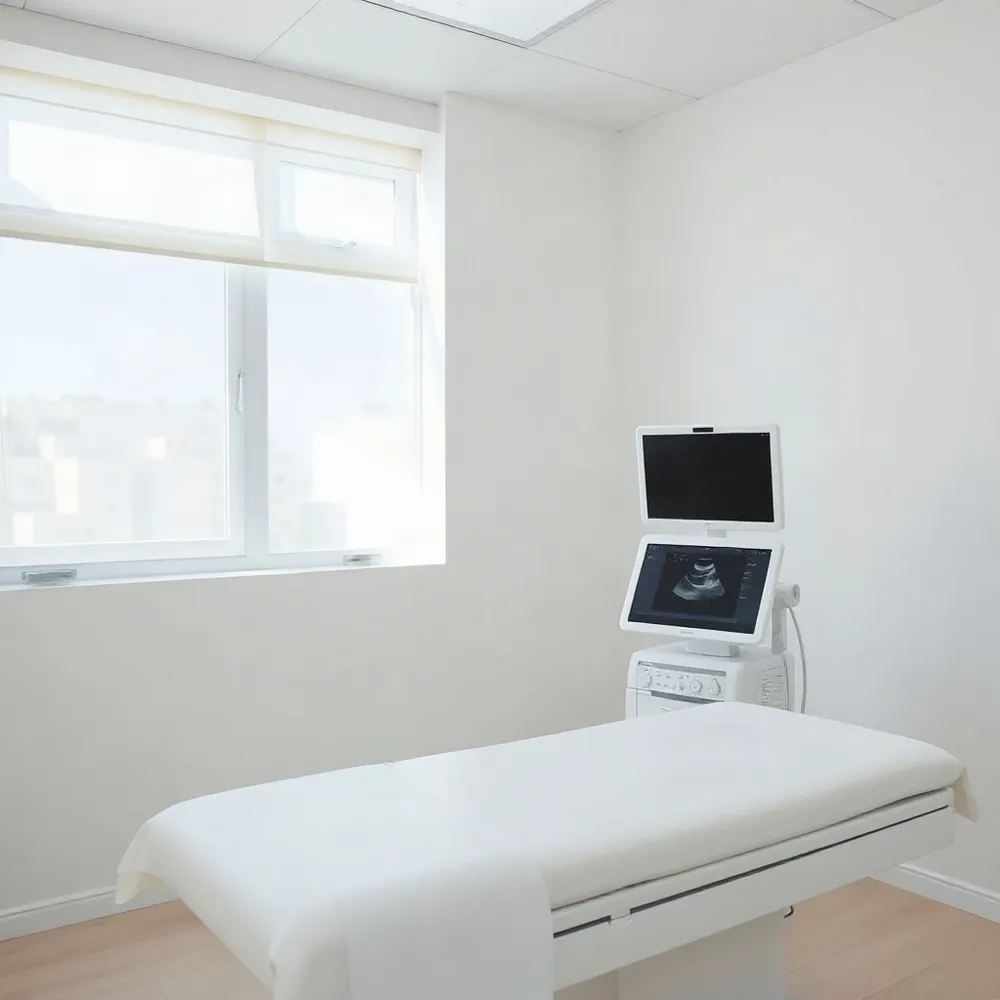
Pelvic pain is a symptom, not a diagnosis. It may begin in reproductive organs, the urinary or digestive systems, muscles, or nerves, and more than one source can contribute. The sensation may be sharp, dull, aching, or intermittent, so its character alone cannot reliably identify the cause. Mayo Clinic’s overview of pelvic pain describes this range of possible origins.
A careful assessment brings together the patient’s account of the pain, a physical examination, and tests chosen for the symptoms and suspected cause. These may include laboratory testing and imaging, with findings interpreted together rather than in isolation. At raveco.com, obstetrics and gynecology care in Queens includes personalized evaluation and advanced diagnostic tools, such as pelvic ultrasound, to help guide the next steps. The diagnosis of chronic pelvic pain likewise emphasizes combining history, examination, and appropriate tests.

Pelvic pain is discomfort in the lower abdomen or pelvic region. It may feel dull, sharp, burning, or like pressure, and can range from mild to severe. Some people feel it constantly; for others, it comes and goes. Pain may also spread to the lower back, buttocks, hips, or thighs, as described in this pelvic pain overview.
Other symptoms can include menstrual cramps, unusual vaginal bleeding or discharge, pain during urination or sex, constipation or diarrhea, bloating, rectal bleeding, fever, or chills. A person may also notice pain around the groin or back. The combination of symptoms can help a clinician decide what to ask about and examine, but it cannot confirm a cause by itself.
Timing can offer useful context. Pain that recurs around menstruation, or that accompanies urination, sex, or bowel movements, may point toward different areas for evaluation. Possible sources include reproductive, urinary, digestive, musculoskeletal, and neurological conditions, and more than one factor can contribute. Raveco provides comprehensive obstetrics and gynecology care in Queens, where a patient’s symptoms can be considered alongside their health history. Learn more about strategies for managing common gynecological conditions.
Endometriosis, ovarian cysts, fibroids, infection, pelvic-floor muscle problems, and nerve irritation are among the possibilities, but symptoms alone do not identify which condition is present. A clinical review of chronic pelvic pain also describes overlapping causes across body systems. Seek professional guidance for persistent or concerning pain, especially when it disrupts daily life.

Sudden, severe, or rapidly worsening pelvic pain needs immediate medical assessment, not a wait for a routine appointment. Possible causes include ectopic pregnancy, appendicitis, a ruptured ovarian cyst, ovarian torsion, and pelvic inflammatory disease. These conditions can require prompt treatment, and delayed diagnosis may lead to serious complications, including internal bleeding or harm to fertility (American Family Physician guidance on acute pelvic pain).
If pregnancy is possible, seek prompt care for pelvic pain, especially if there is bleeding. Suspected ectopic pregnancy needs urgent medical assessment; pregnancy testing and timely imaging can help clinicians assess for it. Call emergency services or go to an emergency department for severe pain, fainting, heavy bleeding, or fever with vomiting. Pain that worsens or disrupts daily activities also warrants medical attention; Mayo Clinic’s guidance on pelvic pain advises immediate care for sudden, severe pain.
For non-emergency concerns, raveco.com provides obstetrics and gynecology services in Queens, including personalized women’s health care. Its clinicians can evaluate pelvic symptoms, but this care is not a substitute for emergency services. Learn more about when pelvic pain needs urgent attention.
A useful first step is a careful conversation, not a guess based on pain alone. Pelvic pain can have gynecologic, urinary, digestive, or musculoskeletal causes, and symptoms may overlap. The clinician will ask where the pain is, what it feels like, how intense it is, when it began, how long it lasts, and whether it comes and goes or follows a pattern.
Details about spread and triggers can also help. Pain may radiate to the back, hip, or thigh, or worsen with movement, urination, sex, bowel movements, or menstruation. A record of symptoms and activities that ease or aggravate them can help make the discussion more specific. These questions about pain quality, timing, and associated symptoms are part of the assessment described in acute pelvic pain evaluation guidance.
The clinician may ask about menstrual patterns, the date of the last period, pregnancy possibility, sexual and infection history, previous pelvic conditions or surgery, and urinary or bowel changes. It also helps to explain whether pain affects sleep, work, exercise, or other daily activities. At raveco.com, gynecologic care in Queens includes personalized assessment, so these details can inform an evaluation suited to the patient’s history and concerns.
An abdominal or pelvic examination may help identify tenderness, muscle tension, or other findings that guide what to investigate next. The clinician should explain each step, ask permission, and check in about comfort. Patients can speak up, request a pause, or ask to stop; feeling informed and in control is part of respectful care.
No single symptom or examination finding confirms every cause. The history and examination help determine whether laboratory tests, imaging, or assessment of another body system may be appropriate. For persistent pain, clinicians may also consider multiple possible contributors rather than assuming one explanation accounts for every symptom, as discussed in this review of chronic pelvic pain diagnosis.
Testing is chosen to fit your symptoms, health history, and examination findings. Depending on the situation, it may include a pregnancy test, urinalysis or urine culture, blood tests, and testing for sexually transmitted infections. These results can help identify pregnancy-related concerns, urinary infection, or signs of infection and inflammation, but they are interpreted alongside the rest of the assessment. For an overview of laboratory tests used in women’s preventive care, see our related guide.
Pelvic inflammatory disease (PID) is an infection and inflammation of the upper reproductive tract, which may involve the uterus and fallopian tubes. It can cause pelvic pain, unusual discharge, fever, or pain during sex, though symptoms may be mild or vague. The American Family Physician review of acute pelvic pain notes that PID can be difficult to recognize because its presentation is not always typical.
A clinician considers symptoms and risk factors, including possible exposure to a sexually transmitted infection, and may check for cervical motion, uterine, or adnexal tenderness during a pelvic examination. Swab or urine testing for infections, along with other laboratory results, can add support or help identify another cause. No single symptom, examination finding, or test establishes every case, so suspected PID deserves prompt clinical assessment.
At raveco.com, obstetric and gynecologic care is provided in a personalized setting, where test choices can be guided by the patient’s specific presentation rather than a one-size-fits-all panel.
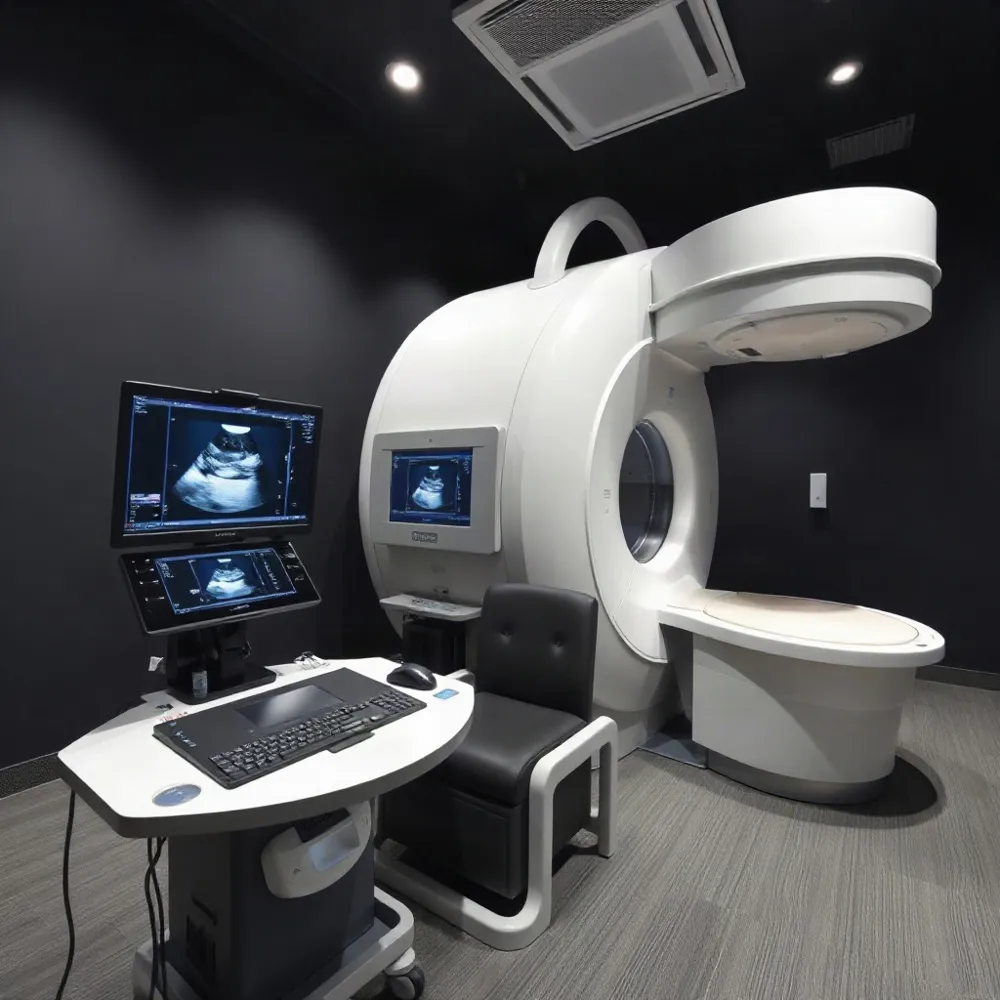
Imaging can help clinicians look for possible causes of pelvic pain, but the right test depends on the symptoms and examination. Pelvic ultrasound is often an initial option because it can assess pelvic organs without ionizing radiation. Transabdominal and transvaginal approaches may be used separately or together, depending on the clinical question (Johns Hopkins Medicine’s overview of pelvic ultrasound).
A transabdominal scan uses a probe over the abdomen, while a transvaginal scan uses a covered probe inserted by a clinician or sonographer into the vagina for closer views. The clinician should explain why a transvaginal examination may help, what it involves, and what alternatives are appropriate. The patient’s comfort and consent matter, and questions or concerns can be discussed before the examination.
If ultrasound does not answer the clinical question, further imaging may be considered. CT can help when urinary or gastrointestinal causes are suspected, while MRI may be useful in selected cases, including when avoiding radiation is important. The choice should reflect the suspected condition and pregnancy status, not follow a fixed sequence (review of acute pelvic pain imaging).
An image is one part of the assessment, not a diagnosis on its own. Clinicians interpret results alongside symptoms, examination findings, laboratory tests, and pregnancy status; different conditions can produce overlapping imaging findings. At raveco.com, gynecologic care is personalized, with evaluation guided by the patient’s presentation rather than assuming one scan fits everyone.
Chronic pelvic pain is pain perceived in pelvic structures that is continuous or recurrent for at least six months. It may involve gynecologic, urinary, digestive, muscular, or nerve-related systems, and more than one source can contribute at the same time. A clinical review of chronic pelvic pain describes why symptoms may not point to one clear cause.
Diagnosis can take time because symptoms and diagnostic criteria vary, and conditions across different body systems can overlap. A careful assessment may include your history, a physical examination, laboratory tests, and imaging chosen for the organs or conditions under consideration. Clinicians generally investigate possible treatable causes before considering a chronic pain diagnosis; sometimes no single cause is identified.
A symptom record can help you describe patterns between visits. Note when pain occurs, how severe it feels, whether it follows your menstrual cycle, and any links to bowel or bladder symptoms, activities, or possible triggers. Include what seems to ease it, too. At raveco.com, care is grounded in comprehensive obstetrics and gynecology services and personalized attention, supporting conversations that take a patient’s symptoms and history into account.
Treatment is chosen according to the suspected cause, severity, and frequency of pain. Depending on the findings, care may include medication, antibiotics when an infection is responsible, or surgery for certain conditions. Treatment options for pelvic pain can also include physical therapy when muscles or ligaments contribute.
A procedure such as laparoscopy may help diagnose and treat endometriosis when a clinician determines it is appropriate. If symptoms point to a urinary, digestive, or musculoskeletal source, referral to a relevant specialist may help complete the assessment. At raveco.com, obstetrics and gynecology care is personalized, with evaluation and treatment shaped around each patient’s needs.
During pregnancy, contact a pregnancy care clinician about pelvic pain that persists. Pregnancy affects which causes and tests need consideration; ultrasound is generally the preferred initial imaging approach, while MRI may be considered if more information is needed. Ask your clinician whether exercises or home remedies are appropriate for your situation.
At home, a record of when pain occurs, its severity, associated symptoms, and possible triggers can help inform a visit. This does not replace assessment, and new, severe, persistent, or worsening pain should not be managed by delaying care. If no single cause is identified, ongoing communication with the care team can support a plan focused on symptoms and daily function.
Pelvic pain can arise from reproductive, urinary, digestive, muscular, or nerve-related causes, and more than one factor may contribute. A clinician considers your symptoms and examination alongside any relevant tests, rather than relying on a single result to explain the pain. Chronic pelvic pain research describes this broad, individual assessment.
Arrange professional evaluation if pain persists, returns, worsens, or interferes with daily life. Sudden, severe pain needs urgent assessment, since some causes require prompt care. At raveco.com, a Queens-based OB/GYN provider offers comprehensive women’s health services, including personalized evaluation and advanced care. Share your concerns openly so your care team can help determine appropriate next steps.

.png)
%201.png)
Compassionate care for every stage of womanhood. Visit one of our convenient locations or book your appointment online today.