Choosing the Right Fibroid Surgery for You
Is Laparoscopic Surgery Right for Your Fibroids?
Choosing the Right Fibroid Surgery for You
Follow us here:


Uterine fibroids are growths that are almost always noncancerous. Some cause no noticeable problems, while others can contribute to heavy bleeding, pelvic pressure or pain, and changes that affect daily life or fertility. A myomectomy removes fibroids while leaving the uterus in place, but treatment is not always needed.
Laparoscopic surgery is one possible approach, not a standard choice for everyone. Whether it is suitable depends on the fibroids’ size, number, and location, along with a person’s health and circumstances. Other approaches, including monitoring or different treatments, may better fit some situations.
A useful conversation with a gynecologist starts with what matters to you: which symptoms you hope to address, how they affect your routine, and whether pregnancy is part of your plans. At raveco.com, gynecological care includes individualized assessment of fibroids and treatment options, helping patients weigh these priorities with their clinician.

Uterine fibroids, also called leiomyomas, are usually noncancerous growths made of muscle and connective tissue that develop in or on the uterus. They may occur singly or in groups, and some people have no symptoms. Fibroids can grow within the uterine wall, just beneath its lining, or on its outer surface. Their location and size help clinicians assess whether they may be contributing to symptoms.
When symptoms occur, they can include heavy or irregular menstrual bleeding, pelvic pressure or pain, back pain, and frequent urination. A pelvic exam may raise suspicion if the uterus feels enlarged or irregular, but imaging is generally needed to confirm the diagnosis and map the fibroids. For an overview of fibroid symptoms and diagnosis, see the related guide.
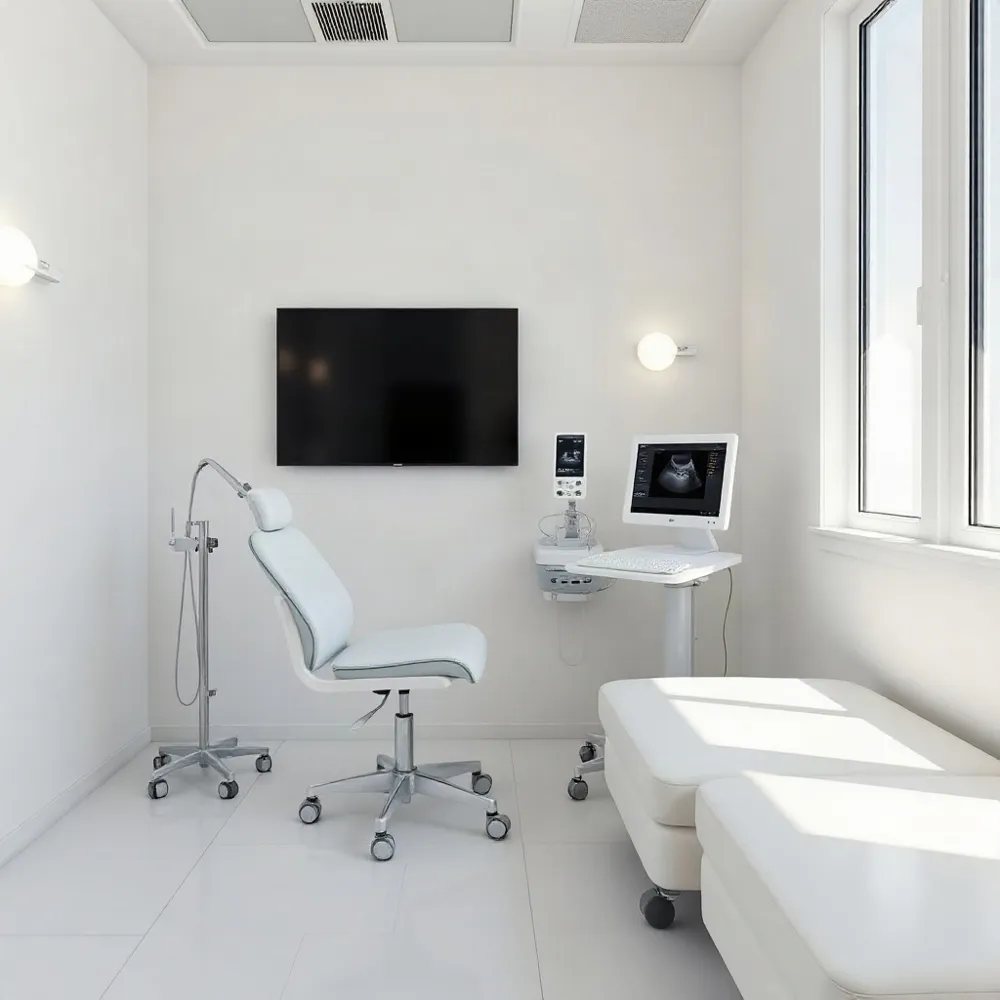
Ultrasound is commonly used to confirm fibroids and assess their size and location. If more detail is needed, a clinician may recommend MRI or another imaging test. These findings can help guide a discussion of whether monitoring or treatment fits a person’s symptoms and goals. At raveco.com, gynecologic care includes evaluating fibroids in the context of each patient’s health and circumstances.
Blood tests may help assess heavy bleeding, check for anemia, or look for other possible causes of symptoms. A clinician can explain which tests are appropriate and how the results fit with exam and imaging findings.
Fibroid care can range from keeping an eye on growths that cause little or no trouble to using medicines or procedures to manage symptoms or treat the fibroids. There is no single best option for everyone; the choice depends on symptoms, overall health, age, and the fibroids’ size, number, and location, as well as plans for pregnancy.
For mild or absent symptoms, watchful waiting with follow-up may be appropriate. Medicines can help ease pain or heavy bleeding, and some hormone treatments can temporarily shrink fibroids. Other options include uterine fibroid embolization, which reduces blood flow to fibroids, focused ultrasound, and surgery. Mayo Clinic’s treatment overview describes how treatment selection depends on symptoms, fibroid characteristics, and reproductive goals.
Surgical choices include myomectomy, which removes fibroids while leaving the uterus in place, and hysterectomy, which removes the uterus. Myomectomy may suit someone seeking to preserve the possibility of pregnancy, but it does not guarantee fertility and fibroids can return. The range of fibroid treatment options can be discussed with a gynecologist in light of personal priorities.
Ask your clinician to compare likely benefits, risks, recovery, and the chance that symptoms or fibroids may return. At raveco.com, fibroid care includes individualized evaluation and discussion of treatment options, including minimally invasive procedures and surgery, so the plan can reflect your health and goals.
Fibroids do not always need treatment. When symptoms are absent or mild and there are no significant concerns, a gynecologist may recommend monitoring rather than immediate intervention. Whether to treat them depends on symptoms, fibroid size and location, health factors, and pregnancy plans. See Mayo Clinic’s overview of fibroid treatment options for more on how these factors guide care.
If treatment is needed, the options vary. At raveco.com, fibroid care includes discussion of minimally invasive procedures such as myomectomy, which removes fibroids while leaving the uterus in place. Myomectomy does not prevent every future fibroid: some growths may remain, and new ones can develop before menopause.
A hysterectomy removes the uterus, preventing uterine fibroids from recurring, but it also ends the ability to become pregnant. By contrast, myomectomy preserves the uterus, though it does not guarantee future fertility or prevent fibroids from returning. The Mayo Clinic’s guide to myomectomy explains these differences and related considerations.
Monitoring plans and treatment decisions should reflect your symptoms and reproductive priorities. Discuss what changes to watch for, when follow-up is appropriate, and how each option’s benefits and risks fit your goals with your gynecologist.
A myomectomy is surgery to remove uterine fibroids while leaving the uterus in place. It may be considered when fibroids cause symptoms, such as heavy bleeding or pelvic pain, or when preserving the uterus is important. For a broader overview of what myomectomy involves, including its role in treatment planning, see our related guide.
The surgical route depends on the fibroids’ size, number, and location, along with the patient’s circumstances. Laparoscopic or robotic-assisted surgery uses a camera and instruments passed through small abdominal incisions. Open abdominal surgery uses a larger incision and may be recommended for some fibroid patterns. In hysteroscopic myomectomy, instruments pass through the vagina and cervix to reach selected fibroids inside the uterine cavity. A clinician can assess which approach may be appropriate for an individual patient. Johns Hopkins Medicine’s overview of myomectomy describes these approaches and how fibroid characteristics help guide the choice.
Myomectomy is performed under anesthesia. Depending on the approach, the surgeon removes fibroids through the abdominal incisions or through the cervix, then repairs uterine tissue where needed. The specific steps and expected recovery vary, so a gynecologist can explain what the planned procedure involves and what to expect afterward. At raveco.com, care for fibroids includes assessment for laparoscopic treatment as part of its gynecological services.
Leaving the uterus in place means pregnancy may remain possible, but surgery does not guarantee pregnancy. If future pregnancy is a goal, discuss how the procedure and repair may affect pregnancy and delivery planning with the care team.

Laparoscopic myomectomy may be an option for people who want fibroids removed while keeping the uterus. The surgeon works through small abdominal incisions with a camera and instruments; robotic assistance is another way to perform the operation. Whether either approach is suitable depends on the fibroids and the person’s health and goals.
Size matters, but it is not the only factor. The number and location of fibroids, their relationship to the uterine cavity and nearby organs, and the surgeon’s experience all affect whether they can be removed and the uterine muscle repaired safely. There is no single size or count that automatically decides the approach. Johns Hopkins Medicine’s overview of myomectomy describes how these features guide surgical planning.
Ultrasound or MRI can help map fibroids and give the care team a clearer picture before surgery. At raveco.com, care is centered on personalized, advanced women’s health; discussing imaging alongside symptoms, overall health, and pregnancy plans can help patients understand which options merit consideration.
Compared with open abdominal surgery, laparoscopic and robotic approaches generally involve less bleeding, pain, and abdominal-wall trauma, with a faster recovery. They may take longer in the operating room, however, and those advantages are not guaranteed for every patient. Open surgery may be recommended when fibroids are numerous or very large, or when the surgeon judges that approach safer for removal and repair. The decision should follow an individualized assessment with a gynecologist.
Myomectomy can ease fibroid symptoms, but it is still surgery, and its risks depend on the procedure and the fibroids’ size, number, and location. Possible complications include bleeding, infection, blood clots, a reaction to anesthesia, injury to nearby organs, and adhesions, or bands of scar tissue. In uncommon cases, bleeding may require a transfusion or the surgeon may need to remove the uterus.
A minimally invasive operation may sometimes need to be changed to open surgery if the surgical team encounters a concern such as bleeding or difficulty completing the procedure safely. Your surgeon can explain the circumstances that might lead to this change and how your individual fibroid pattern affects the plan. The Mayo Clinic’s overview of myomectomy risks also discusses scar tissue, pregnancy considerations, and the small chance that hysterectomy may be needed during surgery.
Removing fibroids does not prevent new ones from developing, and some growths may remain if they cannot be safely removed. Symptoms can return, and further treatment may be considered. At raveco.com, fibroid care includes minimally invasive procedures such as laparoscopic or robotic myomectomy, with the approach selected according to a patient’s anatomy and goals.
Laparoscopic and abdominal myomectomy involve cuts in the uterine muscle. The resulting scar can affect a later pregnancy, including a rare risk of uterine rupture during pregnancy or labor. Depending on the location and depth of the uterine repairs, a cesarean birth may be recommended. Preserving the uterus does not guarantee a pregnancy or a particular delivery method.
Before deciding, ask your surgeon to review the risks that apply to your case, options for managing bleeding, and the possibility of conversion to open surgery. Share any future pregnancy plans with both your surgeon and obstetrician-gynecologist so they can discuss healing, pregnancy timing, and delivery planning together.

Laparoscopic myomectomy is performed under general anesthesia. Many patients go home the same day, although the plan depends on how they are feeling after surgery. The operation often takes about two to four hours, with the time affected by the fibroids’ number, size, and location, as described in Johns Hopkins Medicine’s myomectomy guidance.
For the first few days, soreness, cramping, fatigue, and light vaginal bleeding or spotting are common. Some people also notice bloating or temporary changes in bowel movements. Symptoms and their duration vary, so follow the pain-relief and wound-care instructions provided by your surgical team.
Many patients return to work and usual activities within about two to three weeks, but recovery may take two to four weeks or longer after a more complex procedure. These are estimates, not deadlines. A study of recovery after laparoscopic myomectomy also found that people’s quality of life improved at different rates, so an individual timeline cannot be predicted from a general average (study of recovery after laparoscopic myomectomy).
Gentle walking is often encouraged, while heavy lifting, strenuous exercise, and rapid movements may need to wait until your clinician says they are safe. Keep incisions clean and dry as directed, and attend follow-up appointments. Contact your care team promptly about worsening pain, fever, signs of incision infection, or unusually heavy bleeding. For more on recovery after minimally invasive fibroid surgery, see what to expect during and after minimally invasive fibroid surgery.
Healing continues inside the uterus after the skin incisions look better, and the timeline depends on the procedure and your individual recovery. Open abdominal surgery often takes longer to recover from than laparoscopic surgery, while hysteroscopic procedures usually have a shorter recovery. For laparoscopic myomectomy, estimates commonly range from about two to four weeks, but they are not a promise of when you will feel fully healed (Mayo Clinic’s myomectomy guidance). Recovery guidance should be tailored to your procedure and health.
Avoid vaginal intercourse, tampons, and other vaginal insertion until your surgeon says it is safe. The waiting period can vary, so ask at your follow-up rather than relying on a general timeline. Patients receiving care at raveco.com can discuss recovery questions with their OB-GYN as part of the practice’s personalized women’s health care. Follow-up also gives the care team a chance to check healing and clarify when to resume activities.
Temporary abdominal swelling, tenderness, or cramping can occur after surgery, and swelling may take time to settle. If large fibroids had enlarged the abdomen, its shape may change after removal, though the result varies. Scars also depend on the approach: hysteroscopic surgery leaves no abdominal incision, laparoscopic or robotic surgery leaves several small scars, and open surgery leaves a larger incision scar. Internal adhesions, or bands of scar tissue, can form after surgery, though they do not cause problems for everyone (Johns Hopkins Medicine’s overview of myomectomy).
Follow your care team’s nutrition instructions. Drink fluids and gradually add fiber-rich foods, such as fruit, vegetables, and whole grains, to help prevent constipation. Ask before taking iron or other supplements, and avoid alcohol while using opioid pain medicine. For practical recovery expectations, see raveco.com’s recovery timeline for laparoscopic procedures.
Laparoscopic myomectomy can remove fibroids while leaving the uterus in place, but it is not the right approach for everyone. Fibroid size, number, and location, along with your health and pregnancy goals, help guide the decision. Your care team can explain how myomectomy options compare and what results may reasonably be expected in your circumstances.
Before deciding, ask how your fibroids have been mapped and whether imaging provides enough detail for planning. Discuss alternatives, individual risks, likely recovery needs, and how surgery may affect a future pregnancy or delivery. You can also ask about the surgeon’s experience treating cases with fibroid patterns similar to yours.
Your symptoms, health, and priorities deserve a careful discussion.


Compassionate care for every stage of womanhood. Visit one of our convenient locations or book your appointment online today.