Making Period Pain Easier to Discuss
How to Talk With Your OB/GYN About Painful Periods
Making Period Pain Easier to Discuss
Follow us here:



Some menstrual cramping is common, but pain that keeps you from work, school, sleep, or everyday activities deserves attention. Pain that becomes more severe or changes over time is also worth discussing with a health care professional. You do not have to wait until symptoms feel unbearable to ask for help.
A useful conversation with an OB/GYN starts with what you experience: when the pain begins and ends, how it feels, what other symptoms occur, and how it affects your routine. These details can help your clinician consider possible causes and discuss appropriate next steps. The American College of Obstetricians and Gynecologists’ guidance on painful periods recommends discussing symptoms and menstrual-cycle history with a clinician.
At raveco.com, care is provided by a woman-led obstetrics and gynecology practice in Queens, New York, with a focus on personalized women’s health care. This article is educational and cannot replace advice tailored to your health history. Share your concerns with an OB/GYN to decide what evaluation or care may be right for you.

The medical term for painful periods is dysmenorrhea. Mild to moderate cramps are common: as the uterine lining sheds, prostaglandins prompt the uterus to contract. Primary dysmenorrhea refers to this cycle-related cramping; secondary dysmenorrhea is pain associated with an underlying condition. ACOG explains the two patterns and common causes.
Cramps may begin shortly before bleeding or when it starts. They are often strongest during the first day or two, then ease within a few days, though timing varies. Pain that continues after a period, worsens over time, or disrupts daily life is worth discussing with an OB-GYN.
Pain may feel like cramping, aching, throbbing, or like pressure in the lower abdomen, and can spread to the lower back, hips, or thighs. Nausea, vomiting, diarrhea, headache, dizziness, or fatigue may accompany it. At raveco.com, gynecological care is personalized, giving patients space to discuss the full pattern of their symptoms and concerns.
Severe, worsening, or persistent pain can be associated with endometriosis, fibroids, adenomyosis, or other conditions, but symptoms alone cannot establish a diagnosis. An OB-GYN can assess the pattern and decide whether examination or testing is appropriate. The Cleveland Clinic outlines common symptoms and possible causes.
Period pain is not a reliable measure of fertility and does not show whether someone ovulates regularly or can conceive. Some conditions associated with painful periods may affect fertility, so discuss persistent pain or difficulty conceiving with an OB-GYN. Raveco provides comprehensive obstetrics and gynecology care in Queens, where these concerns can be considered as part of an individual health discussion.

Pain that keeps you from work, school, sleep, or usual activities is a reason to contact a healthcare professional. You do not have to accept severe cramps as an inevitable part of menstruation. At Raveco, patients can discuss menstrual concerns as part of personalized gynecologic care in Queens.
Report cramps that suddenly worsen, pain that occurs outside your period or continues after it ends, fever, or pain that does not improve with appropriate self-care or over-the-counter treatment. Severe cramps that begin for the first time after age 25, vomiting with significant pain, or bleeding that disrupts daily life also merit medical advice. MedlinePlus guidance on period pain outlines symptoms that warrant a conversation with a provider.
Small clots can occur during menstruation, especially on heavier-flow days. Large or frequent clots alongside heavy bleeding are useful details to share with an OB-GYN, as are periods lasting more than seven days or clots larger than about one inch. Track how often you change menstrual products and how bleeding affects your routine.
Seek prompt care for very heavy bleeding, such as soaking a pad or tampon every hour for several hours. Sudden, extreme pelvic pain, fainting, or severe pain when pregnancy is possible call for urgent medical attention. If you are unsure how quickly to seek care, contact a healthcare professional for guidance.

A clear record can help turn a difficult-to-describe experience into useful details for your clinician. Note period dates, when pain starts and ends, its severity, bleeding, other symptoms, effects on daily life, and any treatments you have tried and whether they helped. A period symptom record can help you spot changes and prepare for the conversation.
Describe the pattern in your own words, including whether pain is changing or occurs outside your period, and whether nonprescription medicine provides relief. Mention symptoms such as nausea, diarrhea, headaches, or dizziness as well as cramps. These details can help an OB/GYN assess your concerns and decide what evaluation may be appropriate, as described in ACOG’s guidance on painful periods.
You can ask what to expect, whether an examination is recommended, and what each part involves. It is reasonable to ask why an exam is being suggested, request an explanation or pause, and discuss comfort needs before it begins. If you feel nervous or embarrassed, say so; a provider can talk through privacy, consent, and ways to adapt the visit.
Bring written questions about period pain, pelvic symptoms, sexual health, contraception, or pregnancy plans. Ask which screenings or tests fit your age, symptoms, and health history, and what changes should prompt follow-up. At raveco.com, gynecologic care is personalized, so patients can discuss concerns and questions with their care team.
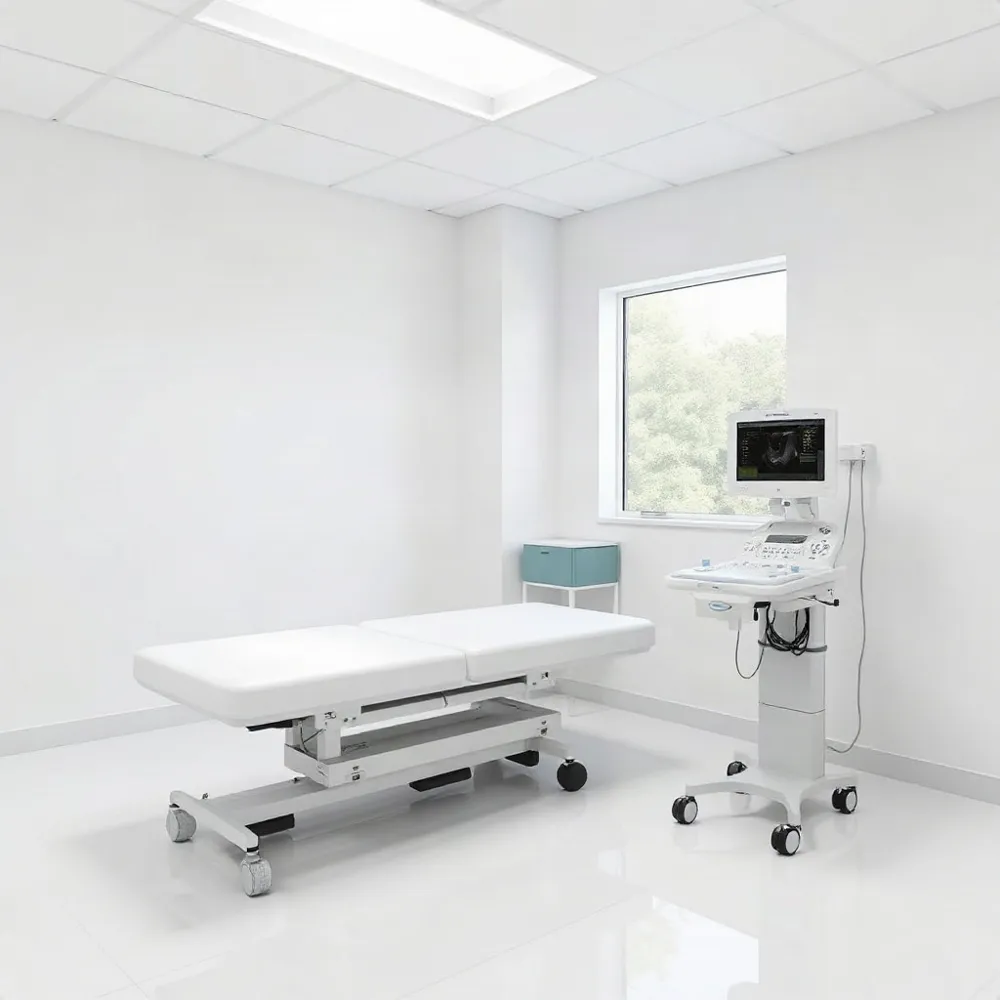
An appointment can start with a discussion of your menstrual history, pain, bleeding, other symptoms, medical history, and how the symptoms affect daily activities. An OB-GYN may recommend a pelvic exam when appropriate. The evaluation can be tailored to your concerns, as described in this guide to diagnostic evaluation and clinical assessment.
If medication has not helped or a clinician suspects an underlying cause, an ultrasound may be used to examine the pelvic organs. In some cases, laparoscopy may be discussed to view them using a small camera.
Treatment depends on your health and pregnancy goals. NSAIDs such as ibuprofen or naproxen can reduce prostaglandins and ease cramps, but they are not suitable for everyone. Discuss your medical history and medication safety with a clinician before using them. Hormonal options may include pills, patches, rings, implants, injections, or hormonal IUDs. Your OB-GYN can help weigh these choices; ACOG’s guidance on painful periods outlines common evaluation and treatment approaches.
Heat, regular exercise, adequate sleep, and relaxation practices may help ease discomfort. Acupuncture and similar complementary approaches have limited or inconclusive evidence, so they should not replace evaluation of severe or persistent pain.
If another condition is identified, treatment can target its cause. Surgery may be considered when other approaches do not relieve pain; hysterectomy is generally a last resort. Ask your clinician what each option may involve and how it fits your goals.
If period pain persists or disrupts daily life, tell your OB-GYN, including whether treatment has helped. Care can be tailored to your symptoms, medical history, and goals. At Raveco, personalized obstetric and gynecologic care in Queens supports an ongoing conversation about next steps.


Compassionate care for every stage of womanhood. Visit one of our convenient locations or book your appointment online today.