Understanding Preconception Genetic Testing for a Healthier Pregnancy
The Importance of Preconception Genetic Testing
Understanding Preconception Genetic Testing for a Healthier Pregnancy
Follow us here:


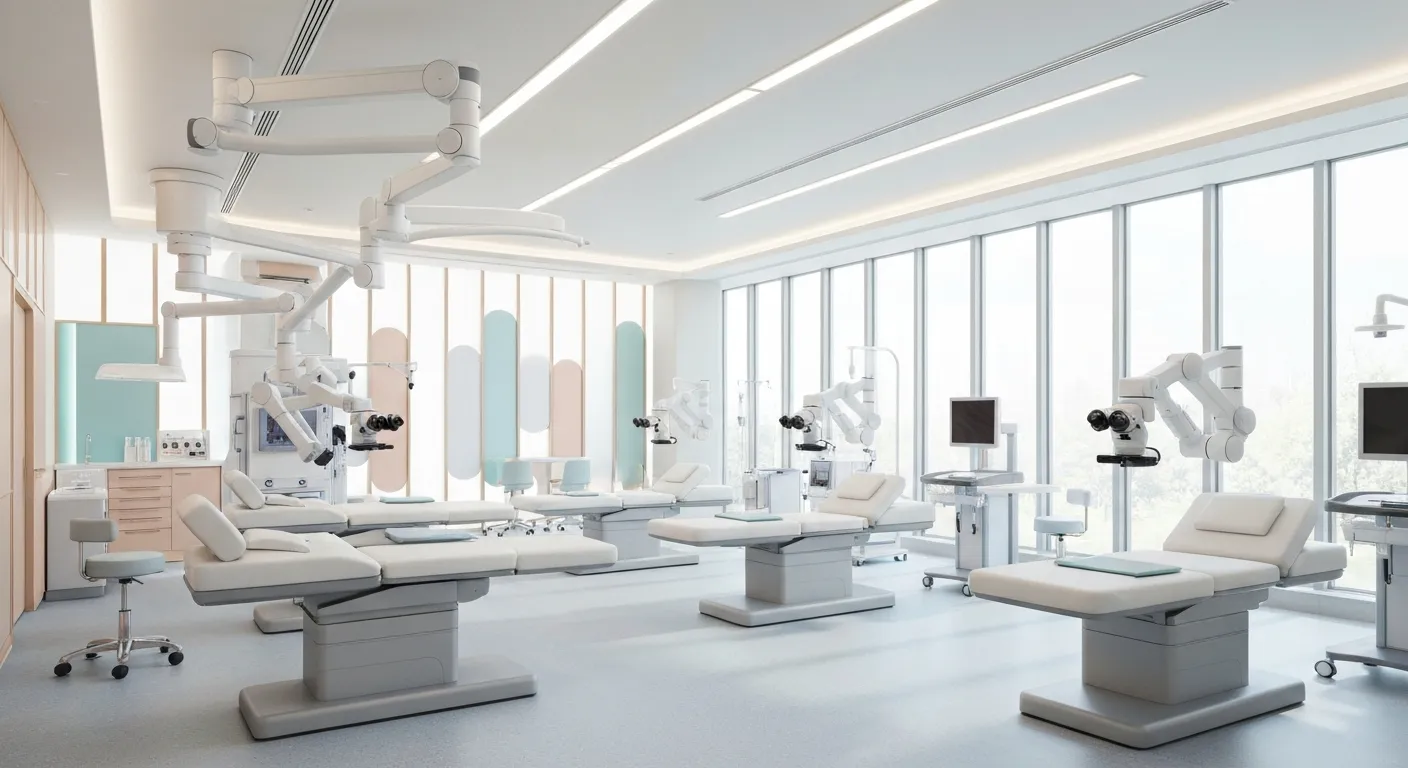
Minimally invasive gynecologic surgeries (MIGS) include techniques like laparoscopy, hysteroscopy, robotic-assisted surgery, vaginal approaches, and novel procedures such as vNOTES and the Sonata system. These methods use very small incisions or natural orifices, often less than an inch or none at all, to treat conditions such as fibroids, endometriosis, ovarian cysts, and pelvic pain. Many procedures that traditionally required open surgery, including hysterectomy and myomectomy, are now safely done with these advanced minimally invasive techniques.
Leading medical centers report that up to 99% of gynecologic surgeries now use minimally invasive approaches. Innovations like robotic-assisted platforms and techniques such as vNOTES enhance surgical precision, reduce visible scarring, and speed healing. Institutions across the country, from Honolulu to Queens, NY, are adopting these technologies, supported by extensive surgeon expertise and insurance coverage that broadens access to care.
Minimally invasive gynecologic surgery offers significant benefits including less pain, reduced blood loss, lower infection risk, and smaller scars. Recovery times are drastically shortened, with many women returning to daily activities within 1-2 weeks compared to 6 or more weeks after traditional open surgery. This approach also supports fertility preservation and improves overall patient satisfaction, transforming women's healthcare by emphasizing quicker, safer, and more effective treatments.

Modern obstetrics and gynecology have greatly evolved with the introduction of sophisticated minimally invasive gynecologic surgeries and advanced diagnostic tools. Key procedures include laparoscopy, hysteroscopy procedures, robotic-assisted surgery, and vaginal approach in gynecologic surgery, each designed to treat complex conditions with minimal trauma to patients.
Laparoscopy and hysteroscopy utilize small incisions—often less than an inch—or natural openings like the cervix, enabling surgeons to perform delicate interventions with magnified visualization through high-definition cameras and fiber-optic lighting. Robotic-assisted surgery, notably via platforms such as the Da Vinci Xi system, enhances surgical precision and control, particularly for complex operations like hysterectomies and myomectomies. These robotic systems deliver three-dimensional, high-resolution imaging and allow greater dexterity, improving outcomes and reducing recovery times.
Innovations such as vaginal natural orifice transluminal endoscopic surgery (vNOTES) and the Sonata procedure provide new, scarless options. vNOTES involves a small incision within the vaginal canal to introduce instruments, avoiding external scars and promoting quicker healing. The Sonata procedure uses ultrasound-guided radiofrequency energy delivered transcervically to destroy fibroid tissue without any skin incision, minimizing impact on surrounding uterine tissue.
These technologies collectively offer significant benefits: reduced postoperative pain, less visible scarring, lower risk of complications, and substantially faster recovery periods—often within 1 to 2 weeks compared to 6 weeks for traditional open surgeries. Patients benefit from outpatient gynecologic surgery and earlier return to daily activities, all while maintaining excellent clinical outcomes.
The integration of these advanced tools and methods epitomizes the patient-centered gynecologic surgery options, ensuring safer, less invasive care with a focus on preserving fertility and enhancing quality of life.

Minimally invasive gynecologic surgeries], such as [Laparoscopy in Gynecology], Hysteroscopy Procedures], Robotic-assisted surgery], and Vaginal approach in gynecologic surgery] offer several patient-centered benefits. These include significantly less postoperative pain compared to traditional open surgeries, minimal scarring due to tiny incisions or no external incisions, reduced risk of infections, and shorter hospital stays that often allow for outpatient treatment. Many patients experience less blood loss and lower complication rates as well.
Most women recover within 1 to 2 weeks following Recovery after minimally invasive surgery], enabling a quicker return to normal daily activities and work. This recovery timeline is much faster than the 6 or more weeks often required after open surgeries. The reduced trauma from small incisions or natural orifice approaches leads to less tissue damage and discomfort, facilitating faster healing.
Yes, the majority of minimally invasive gynecologic procedures] are performed on an outpatient basis, meaning patients often go home the same day or after a brief observation period. Procedures such as Hysteroscopy Procedures] can be done in-office with same-day return to activities. The quick recovery and reduced pain allow women to resume light activities within a week in most cases.
Fertility-preserving gynecologic surgery] like laparoscopic or robotic myomectomy and ovarian cystectomy are commonly offered, focusing on maintaining reproductive potential. Individualized patient considerations include body mass index, previous surgical history, and the specific pathology being treated. Such personalized approaches ensure that patients receive the most appropriate and least invasive options suited to their health goals, including preserving fertility whenever possible.
A woman-led provider in Queens offers comprehensive OB/GYN care tailored to women’s unique health concerns. Services range from prenatal care, childbirth support, and postpartum recovery to gynecologic exams, Pap smears, colposcopies, and treatment using Minimally Invasive Gynecologic Surgery]. Diagnostic services like 4-D ultrasounds and bone densitometry are also available, with access to affiliated hospitals for neonatal intensive care. This ensures personalized, patient-centered care throughout all stages of reproductive health and beyond.
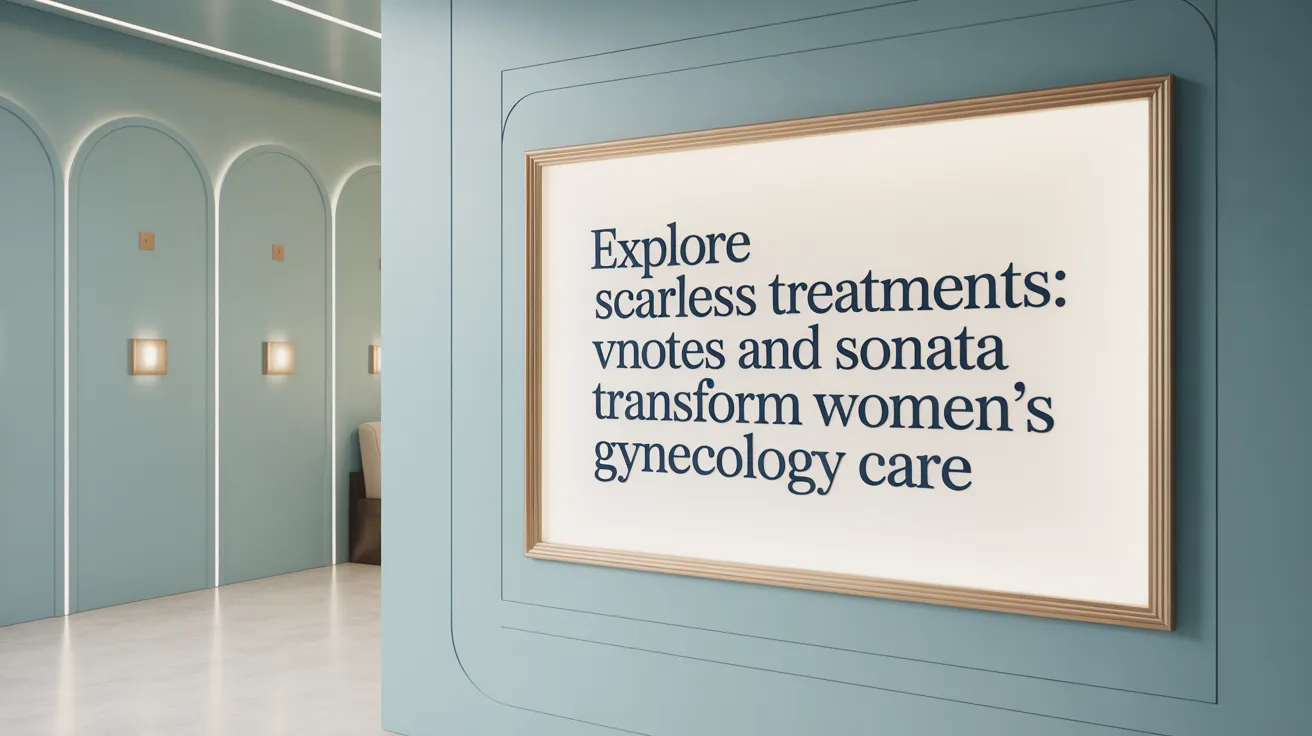
vNOTES, or vaginal natural orifice transluminal endoscopic surgery, is a Minimally Invasive Gynecologic Surgery technique where surgeons make a small incision high in the vagina to insert surgical instruments and a camera. This approach avoids any external abdominal incisions, resulting in no visible scarring. Patients benefit from faster healing times, reduced postoperative pain, and a shorter recovery period compared to traditional surgical methods.
The Sonata procedure is a transcervical radio-frequency ablation for uterine fibroids that requires no skin incisions. It uses ultrasound guidance to locate fibroid tissue inside the uterus and then delivers controlled heat via a needle to destroy the fibroid cells while preserving surrounding healthy tissue. This treatment effectively alleviates symptoms such as heavy menstrual bleeding and pelvic pain.
Both vNOTES and Sonata are FDA-approved procedures and are covered by most health insurance plans, including governmental healthcare programs. This insurance coverage helps improve accessibility for patients seeking these advanced, less invasive gynecologic surgery options.
Fibroids affect approximately 70% of premenopausal women and disproportionately impact Black women, with prevalence rates exceeding 80% in some groups. The availability of minimally invasive options like vNOTES and Sonata provides significant benefits for these populations, offering effective treatment with fewer complications and faster recovery.
By eliminating the need for external incisions, vNOTES and Sonata prevent visible scars, reducing cosmetic concerns. Additionally, patients typically experience less pain, lower risk of infection, and shorter downtime, allowing a quicker return to daily activities and an overall improved recovery experience.

Woman-led healthcare providers in obstetrics and gynecology offer a uniquely empathetic and supportive care experience for women. Because of shared experiences and perspectives, these providers often foster open communication and a trusting patient-provider relationship.
They prioritize patient education, emphasizing preventive care, recognizing early warning signs, and promoting health literacy. This patient-centered approach includes community resources such as seminars and online platforms, empowering women to take active roles in their health decisions.
These providers also champion integration of minimally invasive surgical techniques like laparoscopy, hysteroscopy, and robotic-assisted surgery. Such options facilitate faster recovery, less pain, and better outcomes — all tailored to individual patient needs and reproductive goals.
Furthermore, women-led leadership often embraces advances in technology and personalized care planning. This approach enhances both the clinical and emotional aspects of gynecologic care, ensuring treatments align with each woman's lifestyle and preferences.
Overall, woman-led care contributes to improved health outcomes by combining clinical excellence with a holistic, compassionate approach that supports women before, during, and after treatment.
Personalized care in women's health revolves around tailoring treatment plans to the unique medical histories, lifestyles, and specific conditions of each woman. This individualized approach leads to more effective management of health issues and enhances overall outcomes.
Leading healthcare organizations, such as Northwell Health, have made significant strides in this field. Their Center for Personalized Health has contributed to groundbreaking research, publishing over 60 studies focused on personalized medicine in 2020 alone. This research includes innovative clinical trials for pain management which explore alternative therapies like yoga and massage, offering patients additional, non-invasive treatment options tailored to their needs.
Technological tools further enable this customization, including trial kits that allow women to test various medication options and identify the most effective treatment with minimal follow-up visits, typically within 12 weeks. This approach not only speeds up therapeutic adjustments but also improves patient engagement and adherence.
Addressing disparities in healthcare is another focal point, with increased efforts to promote women's leadership in medical research and policy-making. Enhancing representation helps ensure that diverse populations receive equitable care and that treatment strategies are inclusive and culturally sensitive.
Ultimately, personalized care pathways foster faster recovery, greater patient satisfaction, and improved health results by centering treatments around each woman's individual characteristics and preferences.

.png)
%201.png)
Compassionate care for every stage of womanhood. Visit one of our convenient locations or book your appointment online today.