A Clearer First Step in Fertility Care
Questions to Ask Before Starting Fertility Treatment
A Clearer First Step in Fertility Care
Follow us here:


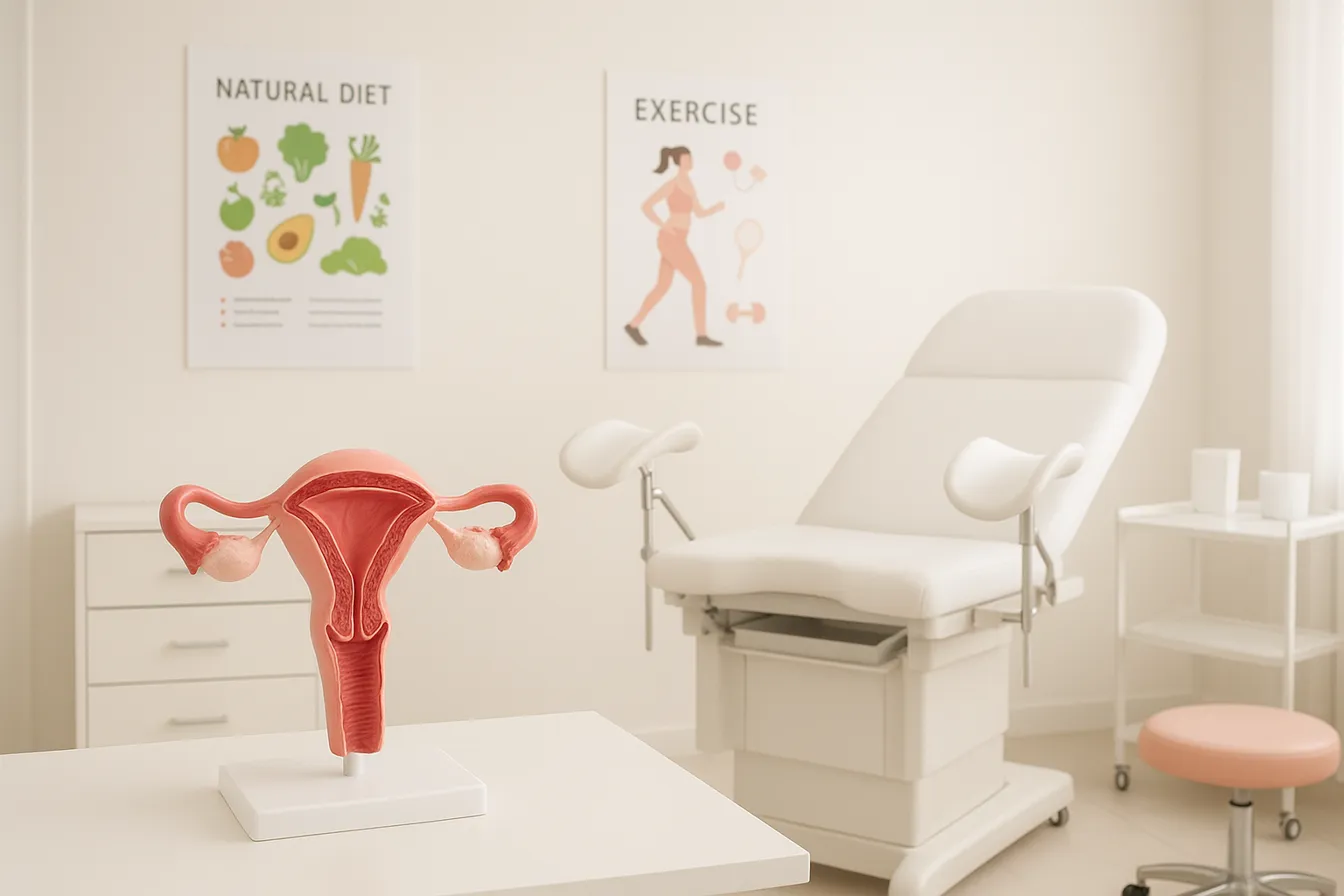
Uterine fibroids affect up to 80% of women at some point in their lives, making them a predominantly common health condition among women of reproductive age. The likelihood increases if there is a family history of fibroids.
Fibroids are non-cancerous muscle and connective tissue growths within or on the uterus. Their size varies widely—from tiny seed-like lumps to ones exceeding the size of a tennis ball or even a grapefruit. While benign, these growths can cause significant discomfort or complications depending on their size and location.
Fibroid symptoms range from none to severe and can include heavy menstrual bleeding, pelvic pain, pressure, constipation, anemia, and fertility challenges. They are a leading cause of hysterectomy, emphasizing the potential impact fibroids can have on women's reproductive health.
Lifestyle factors play a critical role in fibroid management. Maintaining a healthy weight through regular physical activity and adopting a balanced diet rich in fruits, vegetables, whole grains, and lean proteins can support hormone balance and potentially slow fibroid growth. Avoiding alcohol and high-sugar processed foods, managing stress, and ensuring adequate vitamin D intake are additional crucial steps. Early detection and proactive lifestyle modifications are beneficial in managing symptoms and improving overall uterine health.
Patients with uterine fibroids benefit from a diet rich in green vegetables for fibroid prevention such as kale, spinach, broccoli, and carrots. These vegetables provide fiber and anti-inflammatory substances that help regulate hormones and may slow fibroid growth. Vitamin A rich orange fruits like oranges, lemons, and grapefruits also support healthy tissue repair.
In addition, incorporating lean proteins such as chicken and poultry over red meat and fish with fatty acids for fibroids (salmon, mackerel, tuna) helps reduce estrogen stimulation and inflammation, which are linked to fibroid development.
Whole grains, including unprocessed cereals like oats and brown rice, supply fiber and antioxidants that assist in balancing hormone levels. Green tea benefits for fibroids is another valuable addition; it contains epigallocatechin gallate (EGCG), a compound known to reduce estrogen levels and inhibit the growth of fibroids.
A diet focusing on anti-inflammatory components—such as leafy greens for fibroids, berries, cruciferous vegetables (e.g., broccoli and cauliflower), and healthy fats—supports hormone balance and reduces inflammation, both crucial for fibroid management.
Fiber-rich foods for fibroids are essential to aid digestion and help eliminate excess estrogen. Importance of vitamin D and A for fibroids, along with antioxidants found in fruits and vegetables, contribute to tissue health and may protect against fibroid enlargement.
Limiting intake of processed foods and red meat, refined carbohydrates, added sugars, and red meats is important as these can increase inflammation and hormone imbalances. Avoiding foods high in phytoestrogens and fibroids, like soy, tofu, and flaxseed, is advised since they may influence estrogen levels and promote fibroid growth. Limiting alcohol to reduce fibroid risk and excessive caffeine consumption should also be minimized to prevent hormone disruption and inflammation.
Vitamin D deficiency is linked to a higher risk of developing uterine fibroids. This vitamin plays a vital role in regulating cellular growth and immune function, potentially limiting fibroid size and formation. Maintaining adequate vitamin D levels can be achieved through regular sun exposure, consuming fatty fish like salmon and mackerel, fortified dairy products, and, when needed, supplements (Role of vitamin D in fibroid risk, Importance of vitamin D and A for fibroids, Vitamin D and fibroid risk, Vitamin D and Fibroid Prevention, Vitamin D for Fibroid Prevention).
Vitamin A, especially from carotenoid-rich foods such as carrots, sweet potatoes, and orange fruits like oranges and lemons, supports healthy tissue growth and repair. This nutrient may contribute to shrinking fibroid tissue and improving uterine health (vitamin A rich orange fruits, Importance of vitamin D and A for fibroids, Vitamin A and Fibroid Reduction.
Antioxidants such as lycopene, found abundantly in tomatoes, and polyphenols present in berries help reduce inflammation and oxidative stress, both of which are factors related to fibroid development (Foods rich in antioxidants and phytochemicals, Anti-inflammatory foods for fibroids).
Minerals including calcium, magnesium, and potassium—commonly present in dairy products and leafy green vegetables—play important roles in maintaining hormonal balance and healthy blood pressure. Since high blood pressure often correlates with fibroid presence and severity, ensuring sufficient mineral intake contributes to fibroid management (Potassium-rich foods benefits, Managing Blood Pressure and Fibroid Risk, Control blood pressure).
A diet rich in these nutrients, alongside overall balanced nutrition and lifestyle habits, supports hormone regulation and may help alleviate fibroid symptoms and slow growth (Diet and fibroid management, Healthy diet to lower fibroid risk, Fibroid diet essentials, Dietary strategies to prevent fibroid growth).

For women managing fibroids, engaging in cardiovascular exercises like walking, jogging, and swimming is highly beneficial. These activities help maintain a healthy weight, which is crucial because excess body fat can increase estrogen production linked to fibroid growth. Swimming offers additional relief by supporting digestion and alleviating constipation, a common symptom associated with fibroids.
Gentle exercises such as yoga are also recommended as they improve flexibility, reduce pelvic and back pain, and provide relaxation benefits, which can ease fibroid-related discomfort.
Conversely, exercises that exert direct pressure on the abdomen, including sit-ups and crunches, should be avoided to prevent unnecessary strain on fibroids. Heavy weightlifting is discouraged due to its potential to increase abdominal blood flow, possibly stimulating fibroid growth. High-intensity interval training (HIIT) and similarly strenuous workouts may be too taxing for women experiencing symptoms like heavy bleeding or anemia, leading to worsening conditions.
(See more on Exercise to Manage Fibroid Symptoms)
Regular physical activity helps regulate hormone levels, particularly estrogen, by reducing excess fat cells that produce hormones promoting fibroid development. Maintaining a healthy weight through consistent exercise can lower the risk of fibroid growth and aid symptom management.
Exercise also contributes to blood pressure regulation, which is particularly important since high blood pressure has been linked to more severe fibroid cases.
(Additional insights on Weight management to reduce fibroid risk and Healthy blood pressure and fibroid prevention)
Physical activity supports hormone balance by improving metabolism and reducing inflammation. This hormonal equilibrium can slow fibroid progression and alleviate symptoms such as pelvic pain, heavy menstrual bleeding, and digestive issues. Additionally, exercise-induced stress reduction techniques like yoga can ease tension that might exacerbate fibroid discomfort.
In summary, adopting a balanced exercise routine focused on cardiovascular and gentle stretching activities, while avoiding high-impact or abdominal stress exercises, plays a vital role in fibroid symptom relief and overall reproductive health.
(Learn more about Exercise benefits for fibroids and Stress reduction techniques for fibroids)
Overweight and obesity notably raise the risk of developing uterine fibroids. This occurs because excess fat cells enhance the production of estrogen, the hormone closely linked to fibroid growth. Elevated estrogen levels can stimulate the proliferation of fibroid cells, leading to their formation or increased size. See more on the Impact of overweight on fibroids.
Women with higher body weight have a greater chance of fibroid development compared to those maintaining a healthy weight. Fat tissue acts as an estrogen source beyond ovarian production, contributing to hormone imbalances that favor fibroid growth. Learn more about Weight management to reduce fibroid risk.
Excess fat increases circulating estrogen, disrupting the delicate hormone balance. This imbalance can promote inflammation, further supporting fibroid progression. Reducing body fat helps restore hormone equilibrium and lowers inflammatory markers. For details, visit Managing estrogen levels for fibroids.
Managing weight effectively requires a synergistic approach. A diet rich in anti-inflammatory, fiber-rich foods—such as green vegetables, fruits, legumes, and whole grains—supports hormone regulation. Limiting alcohol, processed foods, and high-sugar items also helps reduce estrogen levels and inflammation. Discover more on Diet and fibroid symptom management and Diet and fibroid risk.
Regular physical activity, especially cardiovascular exercises like walking, jogging, swimming, or yoga, aids in maintaining a healthy weight, reducing sedentary behavior that correlates with higher fibroid prevalence. Exercise additionally improves blood pressure control, which is important given the link between hypertension and fibroids. Read about Benefits of Walking, Jogging, and Swimming for Fibroids and Healthy blood pressure and fibroid prevention.
Together, balanced nutrition and consistent exercise create a lifestyle that minimizes fibroid risk and supports overall women's reproductive health. Explore Lifestyle interventions for uterine fibroids for a holistic approach.
Stress is known to worsen symptoms of uterine fibroids, such as pelvic pain and heavy menstrual bleeding. Elevated stress levels can disrupt hormonal balance, leading to increased inflammation and heightened sensitivity to pain, thereby intensifying discomfort associated with fibroids. For more information, see Stress management for fibroids.
Incorporating stress-reducing practices into daily routines can significantly ease fibroid symptoms. Techniques include:
Regular relaxation practices promote hormonal balance and improve the body's ability to handle stress. This holistic support can lessen the severity of fibroid symptoms and improve overall well-being. See more on Managing stress and weight for fibroid health.
By embracing these stress management techniques, women with fibroids can experience enhanced symptom relief and improved quality of life.

Endocrine-disrupting chemicals (EDCs), such as phthalates, are substances found in many everyday products including plastics, personal care items, and household cleaners. These toxins interfere with hormone regulation, specifically estrogen balance and fibroids, which can contribute to the development and growth of uterine fibroids.
Research shows that women of color experience higher rates of fibroids partly due to greater exposure to these environmental toxins combined with systemic stress and socioeconomic factors. This increased toxic burden may enhance the risk and severity of fibroid symptoms in these populations as discussed in scientific research on uterine fibroids in women of color.
Minimizing exposure to EDCs involves simple, practical steps:
Adopting these environmental practices to reduce chemical exposure alongside maintaining a healthy diet and lifestyle supports hormonal balance and fibroids and may help reduce the risk or progression of fibroids. Awareness and proactive steps can empower women to protect their reproductive health from harmful chemical exposures.
Several natural supplements and herbal remedies are gaining attention for their potential to support natural treatment for fibroids and symptom relief.
Green Tea and EGCG:
Green tea contains a powerful antioxidant called epigallocatechin gallate (EGCG). Research has shown that EGCG reduces fibroid cell growth by lowering inflammation and estrogen levels, which are linked to fibroid development. Some clinical trials are exploring EGCG as a natural therapy option, but it's important to use it under medical supervision.
Traditional Chinese Herbs:
Herbs commonly used in traditional Chinese medicine for fibroids, such as radix paeoniae rubra, panax notoginseng, milk thistle, and dandelion root, are valued for their detoxifying and anti-inflammatory properties. These herbs may help support liver and kidney functions, aiding the body's natural ability to manage fibroids; however, further research is needed to validate their safety and effectiveness.
Turmeric's Antioxidant Properties:
Turmeric, rich in curcumin, is another natural remedy known for its anti-inflammatory and antioxidant effects. Turmeric benefits for fibroids may help reduce fibroid size and alleviate related symptoms by supporting tissue repair and reducing oxidative stress in the uterine environment.
Consulting Healthcare Providers:
Although these natural options show promise, it is critical to consult healthcare providers for fibroids before starting any herbal supplements. This ensures proper dosing, avoids interactions with other medications, and aligns treatment with individual health needs.
By combining these natural supplements with lifestyle changes and medical guidance, women can take a holistic approach to managing fibroids safely and effectively.
Monitoring fibroid symptoms is crucial. Women should seek medical advice if they experience heavy menstrual bleeding, severe pelvic pain, anemia, or fertility problems that worsen or significantly affect their daily life.
Natural treatment for uterine fibroids—such as dietary changes, regular exercise, and stress reduction—can play an important role in controlling symptoms and may slow fibroid growth. However, these are supportive measures, not replacements for medical care.
Medical treatment options for fibroids complement natural approaches and include hormonal medications, minimally invasive procedures like Uterine Artery Embolization, and surgeries such as myomectomy or Hysterectomy. These treatments are often needed if symptoms are severe or if fibroids affect reproductive health.
Healthcare providers personalize care by monitoring fibroid size and symptoms through regular check-ups and imaging. Early detection and ongoing surveillance help guide timely intervention, improving outcomes and preserving quality of life.
Combining natural strategies with professional medical guidance ensures a balanced and safe approach to fibroid management.
A holistic approach integrates Diet and fibroid risk, Exercise benefits for fibroids, Stress management for fibroids, and environmental awareness to support overall fibroid care. Central to this strategy is a nutrient-rich, anti-inflammatory diet emphasizing green vegetables for fibroid prevention, fruits, whole grains, lean proteins, and healthy fats. This diet helps balance hormone levels and reduce inflammation, both crucial in managing fibroid growth and symptoms.
Regular moderate exercise such as walking, swimming, or yoga aids in maintaining a healthy weight and supporting cardiovascular health, which further promotes hormone balance and lowers fibroid risk (Exercise to Manage Fibroid Symptoms. Stress reduction techniques—like mindfulness, massage, and relaxation exercises—help alleviate fibroid-related pain and discomfort.
Additionally, minimizing exposure to endocrine-disrupting chemicals found in plastics, pesticides, and personal care products protects hormone regulation and supports reproductive health (Role of vitamin D in uterine fibroid management.
This integrative lifestyle not only helps reduce fibroid size and symptoms but also improves blood pressure regulation and cardiovascular function, addressing common health challenges experienced by women with fibroids. Nutrient-rich foods, adequate vitamin D, and antioxidants contribute to immune function and tissue health (Healthy diet to lower fibroid risk.
Fibroid management benefits from strategies that maintain healthy blood pressure and limit inflammatory foods such as processed snacks, alcohol, and excessive caffeine (Diet and fibroids. Incorporating elements like green tea benefits for fibroids and omega-3 rich fish further supports estrogen metabolism and reduces inflammation (High-fiber diet and fibroid growth).
Adopting a balanced Mediterranean diet benefits, committing to regular low-impact exercise (Benefits of Walking, Jogging, and Swimming for Fibroids, practicing daily stress management, and choosing eco-friendly products create sustainable habits. These practices foster long-term reproductive wellness and overall health, empowering women to manage fibroids naturally and effectively (Natural treatment for uterine fibroids.
Adopting a nutritious diet and regular physical activity can play a vital role in managing uterine fibroids naturally. A Mediterranean-style diet rich in green vegetables, fruits, legumes, whole grains, and fish supports hormone balance and helps reduce inflammation. Prioritize fiber-rich foods like leafy greens, cruciferous vegetables, and whole grains to aid digestion and regulate estrogen levels. Limiting alcohol, caffeine, processed foods, and high-sugar items can minimize hormone disruption and inflammation.
Cardiovascular exercises such as walking, jogging, swimming, or yoga are gentle yet effective ways to reduce fibroid symptoms and maintain a healthy weight. Avoid strenuous exercises that apply pressure on the abdomen or heavy weight lifting, as these may worsen symptoms.
Consistent lifestyle changes, including stress management techniques like mindfulness or gentle yoga, can significantly improve fibroid symptoms and overall well-being. Maintaining healthy blood pressure through diet and exercise also lowers fibroid risks. Though fibroids may shrink naturally after menopause, taking proactive steps empowers women to reduce symptoms and improve quality of life.
While natural strategies enhance fibroid management, collaborating closely with healthcare professionals is essential. Medical supervision ensures appropriate monitoring and timely intervention when needed. Personalized treatment plans that integrate lifestyle changes with medical care offer the best outcomes for women facing fibroids. Seek guidance for diet modifications, exercise plans, and symptom monitoring to effectively manage this common condition.

.png)
%201.png)
Compassionate care for every stage of womanhood. Visit one of our convenient locations or book your appointment online today.