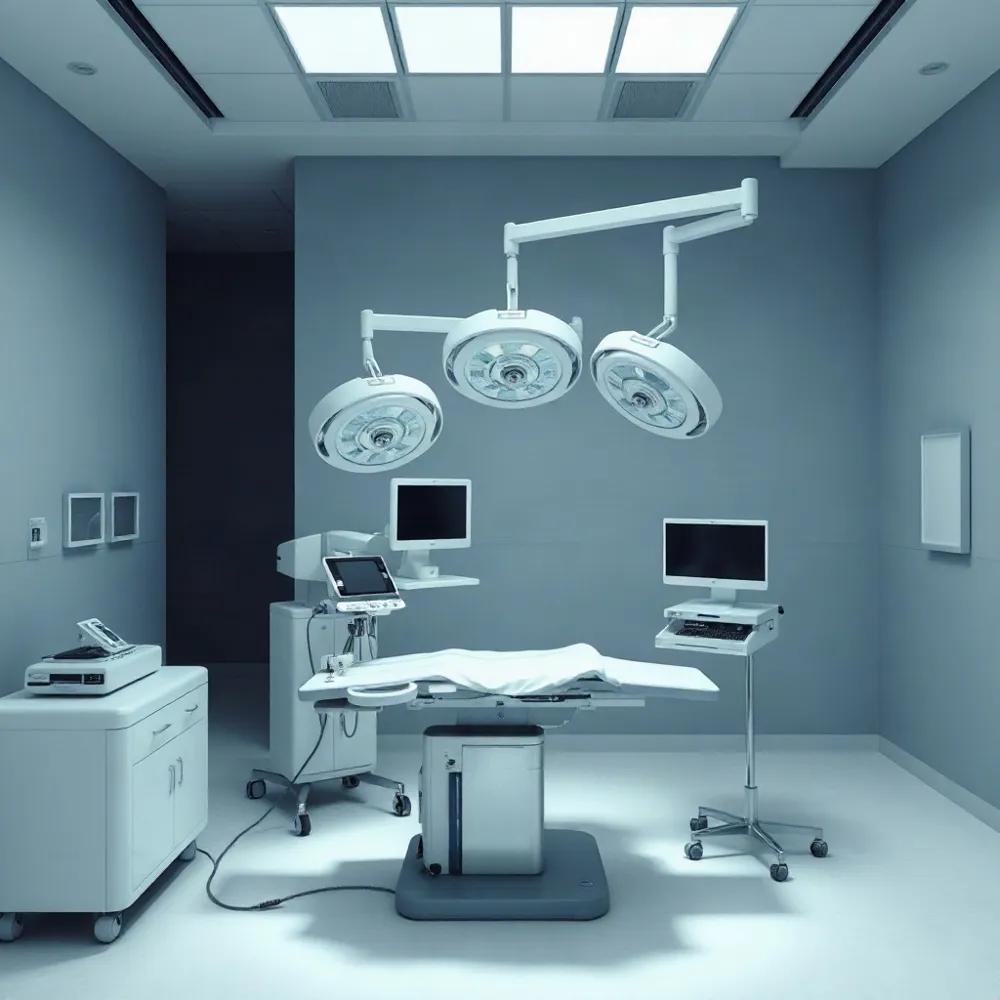
The Quiet Revolution: How Minimally Invasive Surgery Transformed Women's Health
The Evolution of Minimally Invasive Gynecological Surgery
The Quiet Revolution: How Minimally Invasive Surgery Transformed Women's Health
Follow us here:


Uterine fibroids are noncancerous growths that affect up to 80% of women by age 50, yet many women live with symptoms for years without knowing effective treatment is available. Common symptoms include heavy menstrual bleeding, pelvic pain, and pelvic pressure, and fibroids can also impact fertility. In Queens, raveco.com provides personalized, woman-led care that starts with understanding each patient's unique symptoms and quality-of-life goals. The goal of modern fibroid treatment is to reduce symptoms while optimizing future fertility and overall well-being.

Recognizing the symptoms of uterine fibroids is the first step toward relief. Many women experience heavy menstrual bleeding, pelvic pain, lower back pain, frequent urination, constipation, and a feeling of fullness in the lower abdomen. If you are noticing these changes, a thorough evaluation can confirm whether fibroids are the cause.
A routine pelvic exam is often where fibroids are first discovered. Your gynecologist may feel an irregular shape or firmness in the uterus. To confirm the presence of fibroids and map their size and location, an ultrasound is the standard next step. This imaging test can be performed transabdominally or transvaginally and provides a clear picture of what is happening inside the uterus.
For more complex cases or when planning treatment, an MRI offers detailed imaging that can differentiate fibroids from other conditions. At clinics like Maimonides Health, this level of detail helps doctors tailor care to your specific anatomy. If you have concerns about infertility or heavy bleeding, additional tests such as hysterosonography (saline infusion sonogram) or hysterosalpingography may be recommended to assess the uterine cavity and fallopian tube patency.
A hysteroscopy provides a direct view of the uterine cavity by inserting a small camera through the cervix, allowing your doctor to see the uterine walls and identify submucosal fibroids. This procedure is often used when a closer look is needed before deciding on treatment. Alongside imaging, a complete blood count (CBC) can check for anemia caused by ongoing blood loss from heavy periods.
At raveco.com, our woman-led team prioritizes personalized care from the first appointment. We will walk you through each diagnostic step, from the initial pelvic exam to the imaging that best suits your situation, ensuring you understand every finding. The goal is to create a detailed map of your fibroids so that together we can choose the right treatment path.
A gynecologist is the right starting point for fibroid evaluation. They can perform the pelvic exam and order the necessary imaging. For more advanced care, such as surgical removal or management of complex cases, you may be referred to a gynecologic surgeon. Many women also benefit from a team approach — our collaborative model at Raveco connects you with experts who guide you from diagnosis through treatment, ensuring you never feel alone in the process.
A fibroid belly is a firm, rounded bulge in the lower abdomen caused by the fibroids themselves. Unlike belly fat, this protrusion feels hard and is concentrated low in the abdomen, often resembling a pregnancy silhouette. Understanding that this is a medical condition, not a weight issue, is a vital step toward seeking effective treatment. Once diagnosed, you can explore options that address both the symptoms and the physical changes.

Laparoscopic or robotic myomectomy removes fibroids through small abdominal incisions while keeping the uterus intact. Larger fibroids can be extracted using morcellation, which breaks them into smaller pieces for easier removal. Robotic myomectomy with the da Vinci system offers a magnified 3D view and precise control, often resulting in less pain and blood loss than traditional surgery [www.cms.gov/...]. Raveco's women's health team in Queens provides personalized consultations to help determine whether laparoscopic or robotic myomectomy is the right fit for each patient's anatomy and goals.
Hysteroscopic myomectomy is an option for submucosal fibroids located inside the uterine cavity. The fibroid is removed through instruments passed through the vagina and cervix, making it a scarless approach that typically requires little to no recovery time. For fibroids that are deeply embedded within the uterine wall, concerning bleeding, or too large for the hysteroscopic approach, radiofrequency ablation (RFA) can be a highly effective alternative.
Radiofrequency ablation uses heat from radiofrequency energy to destroy fibroid tissue. Two main delivery methods exist: laparoscopic RFA (the Acessa procedure), which uses small abdominal incisions for the probe and camera, and transcervical RFA (the Sonata system), which enters through the cervix with no incisions. Most patients return to normal activities within a few days. The target fibroid is destroyed using coagulative necrosis, achieving significant volume reduction and improved bleeding profile — the three-year risk of needing an additional procedure is only about 10%.
For those not planning future pregnancy, endometrial ablation destroys the uterine lining to reduce or stop heavy menstrual flow. However, this procedure is not recommended for women who wish to become pregnant, as pregnancy after ablation carries a risk of ectopic pregnancy. Where fibroids are numerous or very large, an abdominal myomectomy may still be the safest and most effective surgical choice. Raveco works with each patient to weigh recovery time, fertility goals, and symptom severity, ensuring that recommended treatments align with the patient's personal timeline.

For women who want to avoid surgery or an overnight hospital stay, modern gynecology now offers several effective non-surgical and incisionless therapies. These approaches aim to shrink or destroy fibroid tissue while preserving the uterus, often requiring minimal recovery time.
Uterine fibroid embolization (UFE) is a leading non-surgical alternative. During this outpatient procedure, an interventional radiologist injects tiny particles into the arteries that supply blood to the fibroids, causing them to clot and block the blood flow. Once deprived of oxygen and nutrients, the fibroids shrink over several months, providing lasting symptom relief.
UFE offers a recovery period of just a few days, requires only a small incision, and preserves the uterus. While it is an excellent option for many patients, those planning a future pregnancy should discuss potential risks with their specialist. For comprehensive guidance on whether UFE fits your specific situation, a consultation with an experienced women's health provider is essential.
Radiofrequency ablation (RFA) uses targeted heat from radiofrequency energy to destroy fibroid tissue without any incisions. In the transcervical approach (often performed with the Sonata system), a slim device is inserted through the vagina and cervix under ultrasound guidance. Only the fibroid tissue is heated, sparing the healthy uterine lining.
According to Mayo Clinic, studies indicate that RFA can achieve about 50% to 70% shrinkage of fibroids, and the three-year risk of needing an additional surgery is only about 10%. Most patients go home the same day and return to normal activities within a few days. RFA is an incisionless, uterine-preserving option that provides significant improvement in heavy bleeding and pelvic pressure.
MRI-guided focused ultrasound surgery (FUS) uses high-energy sound waves to heat and destroy fibroid tissue from outside the body. This completely noninvasive procedure requires no incisions and is performed as an outpatient treatment. While it is safe and effective, research suggests it may not improve symptoms as much as UFE for some patients.
Researchers at Duke and North Carolina Central University are developing a novel drug delivery system called LiquoGel. This liquid is injected directly into a fibroid, where it transforms into a gel at body temperature, trapping therapeutic drugs and releasing them locally. In pilot studies, this approach dramatically softened fibroid tissue. The ultimate goal is a doctor's office procedure under ultrasound guidance that avoids surgery, hospital stays, and systemic side effects.
| Treatment | Approach | Key Benefit |
|---|---|---|
| UFE | Blocks blood supply via catheter | Significant shrinkage over months |
| RFA (Transcervical) | Heat energy via vagina/cervix | No incision, same-day recovery |
| MRI-Guided FUS | Sound waves from outside body | Completely noninvasive |
| LiquoGel (Research) | Local drug injection | Potential office-based procedure |
Medical management of fibroids offers relief from heavy bleeding and pelvic pain without surgery, making it an important option for many women. A healthcare provider will determine the best approach based on your specific symptoms, overall health, and treatment goals.
GnRH agonists, such as leuprolide, work by blocking the production of estrogen and progesterone. This induces a temporary menopause-like state that can shrink fibroids and improve anemia. However, treatment is typically limited to six to twelve months due to side effects like hot flashes and bone loss.
GnRH antagonists, including elagolix and relugolix (sold as Oriahnn and Myfembree), treat heavy menstrual bleeding without necessarily shrinking the fibroids themselves. These oral medications can be used for up to two years and are often combined with low-dose add-back therapy to reduce menopausal-like side effects. At raveco.com, we help patients understand how these newer medications compare to surgical and non-surgical alternatives.
For women who prefer a non-hormonal option, tranexamic acid(Lysteda, Cyklokapron) is taken only on days with heavy flow to reduce bleeding. A progestin-releasing IUD can also relieve heavy periods but does not shrink fibroids.
Research is exploring several additional drug classes for fibroid management. Aromatase inhibitors(e.g., letrozole) block estrogen production.Selective progesterone receptor modulators (SPRMs) like ulipristal acetate can reduce fibroid size and control bleeding, though some have been restricted due to liver concerns. Other candidates include metformin(a diabetes drug),statins(cholesterol-lowering drugs), and vitamin D supplementation, all of which show promise in early studies.
| Medication Type | Effect on Fibroids | Typical Duration |
|---|---|---|
| GnRH agonists | Shrink fibroids | 6–12 months |
| GnRH antagonists | Reduce heavy bleeding | Up to 2 years |
| Tranexamic acid | Reduces bleeding only | On heavy days only |
| Progestin-releasing IUD | Relieves heavy bleeding | Up to 5 years |
| Aromatase inhibitors | May shrink fibroids | Ongoing study |
| SPRMs | Reduce size and bleeding | Restricted use |
While no single food has been proven to eliminate fibroids, a balanced diet rich in green leafy vegetables like spinach and kale, and cruciferous vegetables such as broccoli, may help lower estrogen levels and support hormone balance. A diet high in fiber from whole grains and legumes, combined with antioxidants from berries and citrus, can also help reduce inflammation. At Raveco, providers discuss how dietary choices fit within an individualized care plan, always emphasizing that these strategies complement medical treatment rather than replace it.
Reducing red meat and processed foods while maintaining a healthy weight through regular exercise may also lower the risk of developing fibroids. The Lifestyle Intervention in Fibroid Elimination (LIFE) study, conducted at NYU Langone, is currently evaluating how nutrition and exercise habits affect fibroid recurrence after surgery. This research highlights the growing importance of lifestyle factors in long-term fibroid management.
There is no scientific evidence to support alternative treatments like specific diets, magnet therapy, black cohosh, or homeopathy for shrinking fibroids. Small studies suggest acupuncture may offer some benefit when used alongside mainstream treatment, but it is not a standalone solution. Women should approach any complementary therapy with realistic expectations and discuss it with their healthcare provider first.
For women who want to become pregnant, myomectomy is often the preferred treatment because it removes fibroids while leaving the uterus intact. Mayo Clinic notes that for those trying to conceive, myomectomy is the treatment of choice, as hysterectomy and endometrial ablation prevent future pregnancy. Other options like uterine fibroid embolization and radiofrequency ablation may not be best for preserving fertility and require careful evaluation.
Patients planning pregnancy can discuss treatments that ease current symptoms while keeping future fertility open. Some centers connect patients with reproductive endocrinologists to explore egg freezing and in vitro fertilization (IVF) before or after a fibroid procedure. A complete fertility evaluation is recommended before deciding on a treatment plan, ensuring that the chosen approach supports both short-term relief and long-term reproductive goals.
Fibroid treatment is rarely a one-specialty job. The most effective care plans bring together gynecologists, interventional radiologists, nutritionists, and fertility specialists who coordinate on a single patient's behalf. This collaborative model ensures every option — from medication to minimally invasive procedures — is on the table before any decision is made.
Leading institutions such as the Center for Fibroid Care and the Penn Center for Integrated Fibroid Care have built their programs around multidisciplinary teams. Patients in these programs receive input from surgeons, hematologists, and reproductive endocrinologists in a single care pathway. For women in Queens, Raveco provides access to a similarly integrated approach, connecting patients to specialists who can address both immediate symptoms and long-term fertility goals.
Studies show that collaborative care builds patient trust and improves outcomes. Yet many women report that their gynecologist did not present the full range of treatment options during consultations. A study cited in the American Journal of Obstetrics & Gynecology found that almost 2 in 5 women were offered no alternative to hysterectomy, even when less invasive choices were available. A collaborative referral network, where specialists work together rather than compete, helps close this information gap.
Most health insurance plans do cover fibroid removal, though the specific coverage depends on your provider and policy. Insurance typically covers a range of treatment options, including surgical procedures like hysterectomy or myomectomy, as well as less invasive treatments like uterine fibroid embolization (UFE) and radiofrequency ablation. Coverage details, including co-pays and qualifying criteria, vary by plan, so it is important to verify with your insurance carrier.
Treatment patterns can also differ by insurance type, with some studies showing that Medicaid patients are more likely to receive UFE than those with commercial insurance. The team at Raveco includes insurance specialists who can help you understand your benefits, check coverage for specific procedures, and navigate the pre-authorization process so that you can focus on your health rather than paperwork.
Perimenopause brings fluctuating hormone levels that can temporarily stimulate fibroids, even as the body prepares for the hormone drop of menopause. Treatment during this transition focuses on managing symptoms like heavy bleeding and pelvic pain while considering that fibroids often shrink after menopause on their own.
For women with no or mild symptoms, watchful waiting is a safe and valid choice. Fibroids are not cancerous, and many shrink naturally when estrogen and progesterone levels decline at menopause, making surgery unnecessary. Regular monitoring with a gynecologist ensures any changes are caught early.
When symptoms are more severe, several medical and minimally invasive options can provide relief. GnRH agonists such as leuprolide induce a temporary menopause-like state to shrink fibroids, but use is typically limited to six months due to bone density concerns. Add-back therapy can extend use to 12 months if needed. For heavy bleeding, a progestin-releasing IUD or tranexamic acid can reduce menstrual flow without shrinking the fibroids themselves.
For women who prefer to avoid surgery, radiofrequency ablation (RFA) and uterine fibroid embolization (UFE) offer effective alternatives. RFA uses heat to destroy fibroid tissue while preserving the uterus, and most patients resume normal activities within days. UFE cuts off blood flow to fibroids, causing them to shrink over months. Raveco offers consultations to help patients weigh these options against their personal goals and fibroid anatomy.
Myomectomy remains the treatment of choice for women who want to preserve fertility or keep their uterus. Laparoscopic or robotic myomectomy removes fibroids through small abdominal incisions, leaving the uterus intact. This approach is especially valuable for perimenopausal women with multiple fibroids who still plan future pregnancy.
Hysterectomy is the only permanent solution for fibroids, but it ends the ability to bear children and brings on menopause if the ovaries are removed. Hormone replacement therapy may then be considered. For women nearing menopause who do not wish to preserve the uterus, this option is often discussed with the care team.
A personalized treatment plan that respects each patient's timeline and goals is essential. Raveco works with patients to explore all options, from watchful waiting to advanced procedures, ensuring that perimenopausal women receive care that aligns with their health and lifestyle.
| Option | How It Works | Best For |
|---|---|---|
| Watchful waiting | No active treatment; monitor with routine exams | Women with no or mild symptoms nearing menopause |
| GnRH agonists | Induce temporary menopause-like state | Short-term fibroid shrinkage (6–12 months) |
| Progestin-releasing IUD | Reduces heavy menstrual bleeding | Heavy bleeding without need to shrink fibroids |
| Radiofrequency ablation (RFA) | Destroys fibroid tissue with heat | Uterus preservation, fast recovery |
| Uterine fibroid embolization (UFE) | Blocks blood flow to fibroids | Symptom relief without surgery |
| Laparoscopic/robotic myomectomy | Removes fibroids through small incisions | Fertility preservation, multiple fibroids |
| Hysterectomy | Removes the entire uterus | Permanent fibroid solution, no future pregnancy |
Finding the right care for uterine fibroids begins with understanding your options and partnering with a provider who respects your goals. Raveco in Queens offers personalized, woman-led gynecologic care focused on minimally invasive approaches that improve quality of life.

.png)
%201.png)
Compassionate care for every stage of womanhood. Visit one of our convenient locations or book your appointment online today.