VBAC Myths Busted: A Guide to Safe, Informed Birth Choices
Debunking Common Myths About VBAC Procedures
VBAC Myths Busted: A Guide to Safe, Informed Birth Choices
Follow us here:



Ovarian cysts are fluid-filled sacs that develop on or within the ovaries. They are quite common and often cause no symptoms, resolving on their own without treatment. Causes of ovarian cysts include hormonal imbalances such as polycystic ovary syndrome (PCOS), ovulation, endometriosis, pelvic inflammatory disease, and occasionally ovarian cancer.
Surgery may be necessary if cysts persist, grow large (often over 2.5 to 3 inches), cause pain, or have suspicious characteristics suggesting malignancy. In some cases, cysts can rupture or cause ovarian torsion, requiring prompt surgical intervention.
There are two main surgical options to remove ovarian cysts:
Laparoscopic Cystectomy: A minimally invasive procedure using small incisions and a camera (laparoscope). It is preferred due to less pain, faster recovery (typically 1-3 weeks), and preservation of fertility.
Open Surgery (Laparotomy): Involves a larger abdominal incision, often used for very large cysts or when cancer is suspected. Recovery may take up to 8 weeks.
Choosing the surgical approach depends on cyst size, symptoms, and cancer risk. Consultation with a healthcare provider ensures individualized treatment planning.

Laparoscopic ovarian cystectomy is a minimally invasive surgery performed to remove ovarian cysts using small incisions—usually around 5 millimeters. A laparoscope, which is a thin tube equipped with a camera, is inserted typically through the navel, providing visualization of the ovaries and surrounding tissues. Surgical instruments are then introduced through additional small incisions to carefully remove the cyst. The procedure is conducted under general anesthesia and usually takes 1 to 2 hours.
Compared to traditional open surgery, laparoscopy offers several advantages. It results in less pain, smaller scars, and a significantly shorter recovery period—most patients can return to normal activities within one to three weeks. Laparoscopic surgery often allows same-day discharge from the hospital, minimizing the need for prolonged stays. It also preserves ovarian tissue and fertility since only the cyst is removed, not the entire ovary.
Preparation for laparoscopic cystectomy includes following preoperative instructions such as fasting after midnight before surgery and managing medications as advised by the healthcare provider. Patients are typically under general anesthesia during the procedure. Post-surgical recovery involves monitoring for discomfort and incision care, with patients advised to avoid strenuous activities and heavy lifting for a few weeks.
Laparoscopic cystectomy is preferred for cysts that are moderate in size, typically up to 20 centimeters, benign, and without suspicion of malignancy. It is the favored approach when minimizing surgical trauma and recovery time is essential. Open surgery is reserved for very large cysts, those suspected to be cancerous, or when prior surgeries and extensive scar tissue complicate minimally invasive approaches.
Such providers deliver comprehensive care through all stages of a woman's life, offering preventive screenings, family planning support, and treatment of gynecologic conditions. They provide both routine services, like Pap smears and breast health monitoring, and advanced therapies, including minimally invasive procedures such as laparoscopic ovarian cystectomy. Their holistic approach prioritizes personalized and compassionate care tailored to each patient's unique needs.

Open ovarian cystectomy (laparotomy), also known as laparotomy, is a surgical technique involving a larger abdominal incision to directly access the ovary. This approach is typically reserved for very large cysts, those suspected of being cancerous, or cases with extensive scar tissue from previous surgeries where minimally invasive techniques are not feasible. During the procedure, the surgeon removes the cyst, and sometimes the affected ovary if necessary, under general anesthesia.
Open surgery for large ovarian cysts is recommended when ovarian cysts are larger than 20 centimeters, present a high risk of malignancy, or when cyst characteristics complicate visualization and removal through smaller incisions. It may also be chosen if prior surgeries have caused significant abdominal adhesions that limit laparoscopic access.
Recovery from open cystectomy involves a longer healing period due to the larger incision and more extensive tissue disruption. Patients typically stay in the hospital for one to two nights and require about six to eight weeks to fully recover. In contrast, laparoscopic surgery usually allows discharge the same day and a recovery of one to three weeks. The open approach necessitates avoiding heavy lifting and strenuous activities for an extended period to allow proper healing. Detailed post-surgery patient care instructions help guide patients through recovery.
While all surgical procedures carry risks, open ovarian cystectomy can have higher rates of complications such as infections, bleeding, blood clots, injury to surrounding organs, and longer-lasting pain. There is also a risk that removal of ovaries might be necessary if the cyst is malignant or damaging. Postoperative monitoring is crucial to promptly address any signs of infection, severe pain, or unusual symptoms to ensure a safe recovery.
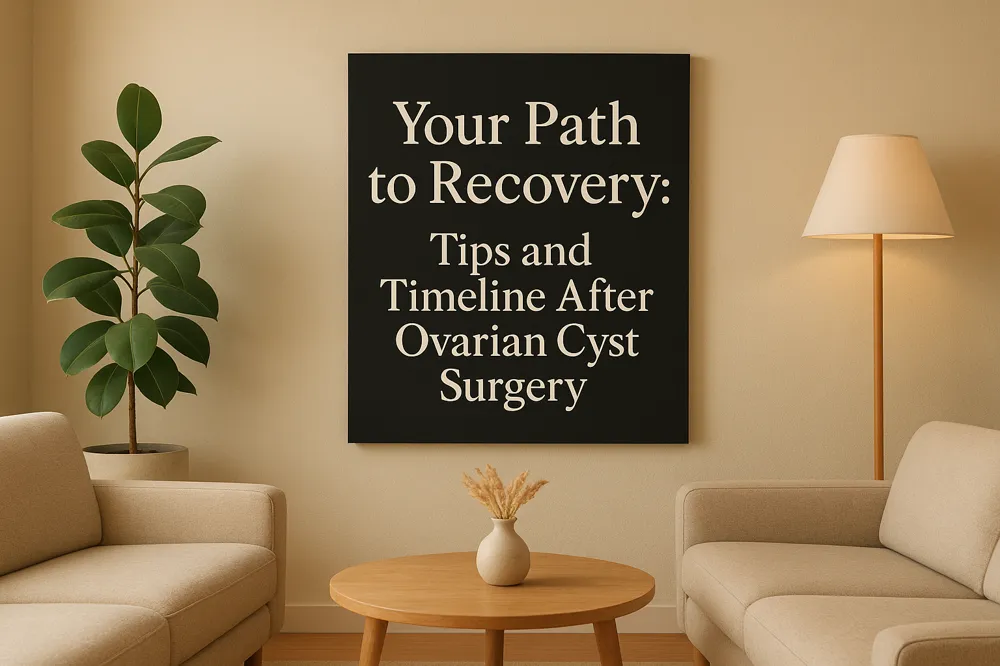
Laparoscopic ovarian cystectomy, a minimally invasive surgery, usually allows patients to return to normal activities within 1 to 3 weeks. Most women can resume work and light activities within two weeks after this procedure. In contrast, open surgery (laparotomy), which involves a larger abdominal incision, requires a longer recovery period, typically lasting 6 to 8 weeks due to the more extensive healing needed.
After surgery, it is important to follow your healthcare provider's instructions carefully. This includes keeping incision sites clean and dry, avoiding soaking in baths or swimming until cleared by your doctor, and gradually resuming daily activities. Patients should avoid heavy lifting and strenuous exercises for several weeks, especially after open surgery. Wearing compression stockings or taking blood thinners may be recommended to prevent blood clots.
Managing postoperative discomfort typically involves prescribed pain medications and rest. Some soreness, bruising, or mild swelling around the incisions is normal. It is important to watch for signs of complications such as fever, severe abdominal pain, heavy bleeding, redness or discharge at the incision sites, or leg swelling. Promptly contacting a healthcare provider if any of these symptoms arise can prevent serious outcomes.
Having an ovarian cystectomy generally does not impair fertility, especially if only the cyst is removed and ovarian tissue is preserved. However, the underlying conditions causing cysts, like endometriosis or polycystic ovary syndrome (PCOS), may affect fertility. It is essential to discuss individual fertility concerns with your doctor before surgery. Seek medical advice promptly if you experience severe pelvic pain, signs of infection, or any unexpected symptoms after surgery to ensure safe and effective recovery.
Personalized women's health care offers significant advantages by tailoring medical treatments and preventive care to each woman’s unique health history, lifestyle, and preferences. This individualized approach allows obstetricians and gynecologists to more accurately diagnose conditions such as polycystic ovary syndrome (PCOS) and cysts, endometriosis-related ovarian cysts, and premenstrual dysphoric disorder (PMDD) by incorporating patient-generated data like menstrual cycle tracking and vital signs.
Such personalized plans promote greater patient empowerment and engagement, enabling women to actively participate in shaping their care. The focus on early diagnosis and specialized treatment leads to better health outcomes and improved satisfaction. By centering care around each patient's specific needs, personalized approaches also help advance health equity and align with the principles of value-based healthcare.
Women-led healthcare providers play a vital role in enhancing women's health services. Women dominate a large portion of the healthcare workforce and increasingly hold leadership roles that positively impact organizational effectiveness. Their transformational and participative leadership styles foster improved team collaboration, communication, and innovation, directly benefiting patient care and health outcomes.
Research shows healthcare organizations led by women achieve better financial stability, risk management, and workplace culture, all contributing to higher quality care. Promoting women in leadership also supports gender equality and aligns with global health goals, creating more equitable, ethical, and sustainable healthcare systems. Ultimately, women-led services offer a more empathetic and comprehensive approach that better addresses the unique needs of women managing conditions like ovarian cysts and gynecologic disorders.
Recent developments in obstetrics and gynecology have centered on delivering personalized, patient-focused care as emphasized by the American College of Obstetricians and Gynecologists (ACOG). These improvements include crafting individualized prenatal care schedules that minimize unnecessary visits for those with low-risk pregnancies, utilizing risk assessment tools, and incorporating telemedicine and home monitoring. Group care models also contribute to better access and reducing healthcare disparities.
Prenatal evaluations increasingly consider social determinants, such as race, gender identity, and socioeconomic status, to provide equitable and tailored care.
On the surgical front, advances in minimally invasive techniques—especially laparoscopic ovarian cystectomy and robotic-assisted surgeries—have transformed treatments like ovarian cystectomy. These approaches involve smaller incisions, reduced pain, faster recovery, and decreased hospitalization times. Robotic-assisted procedures enhance surgical precision and safety, especially for complex cases, improving patient outcomes and preserving fertility when possible.
Integration of advanced genetic screening and fertility treatments further enriches care quality. Collectively, these innovations aim to streamline women’s healthcare, making it more efficient, accessible, and aligned with current scientific evidence and technology.
Ovarian cysts that cause pain, grow large, or raise cancer concerns often require surgical removal. The two main procedures are minimally invasive laparoscopic cystectomy—offering small incisions, less pain, and faster recovery— and open surgery, reserved for complex cases with longer healing times.
Expert gynecologists focus on preserving ovarian function and fertility, tailoring surgical approaches to individual needs. This women-centered, advanced care ensures the best outcomes with minimal risks.
If you face ovarian cyst challenges, consulting specialized healthcare providers enables personalized treatment plans. Early professional guidance empowers your health decisions and supports swift recovery and well-being.

.png)
%201.png)
Compassionate care for every stage of womanhood. Visit one of our convenient locations or book your appointment online today.