
Protecting Ovarian Health: Signs, Symptoms, and Proactive Care
What Every Woman Should Know About Ovarian Health
Protecting Ovarian Health: Signs, Symptoms, and Proactive Care
Follow us here:


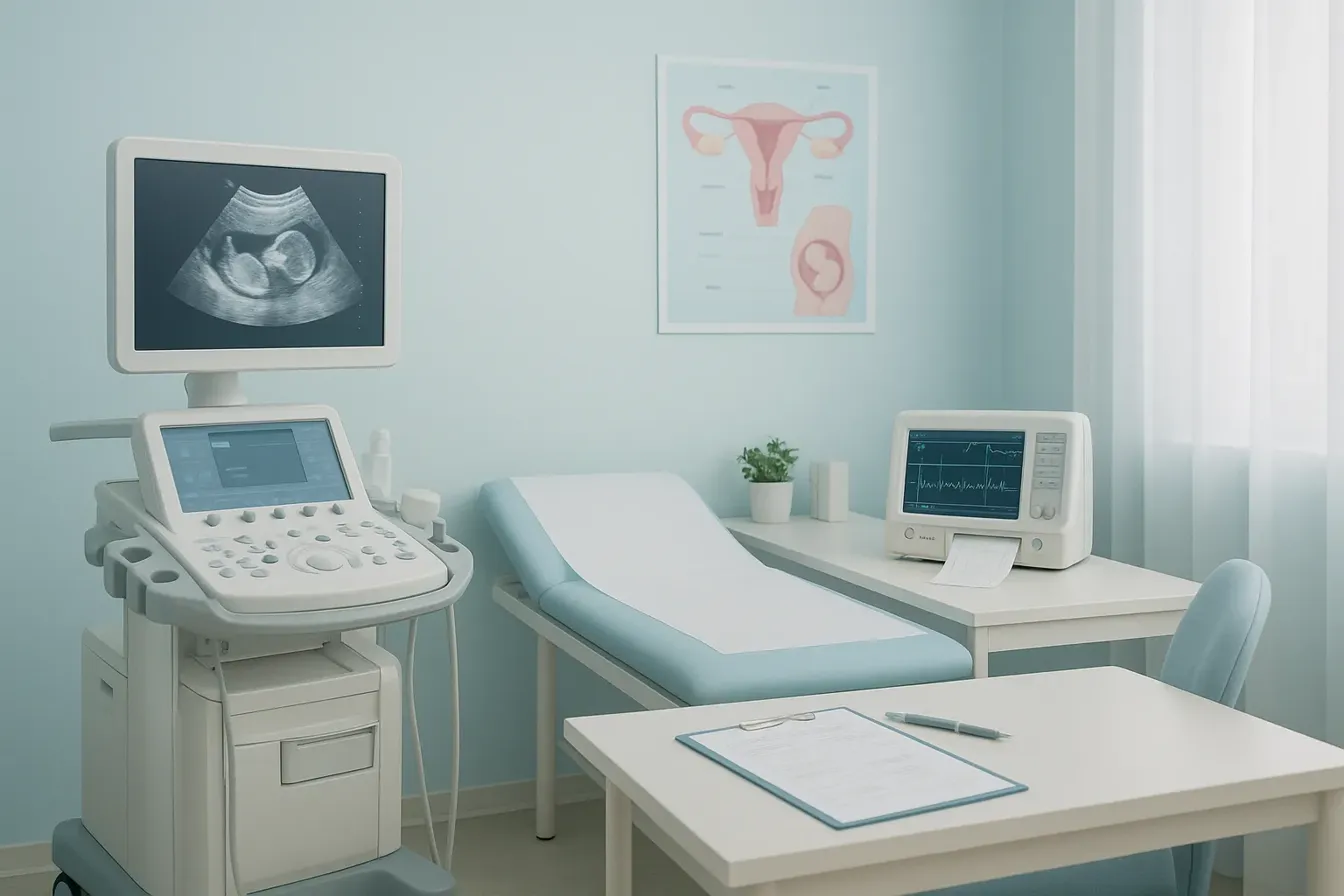
Vaginal Birth After Cesarean (VBAC) refers to the vaginal delivery of a baby by a woman who has previously had a cesarean section (C-section). It offers an alternative to repeat C-section, aiming for a natural birth experience while carefully considering the mother's and baby's safety.
Attempting a VBAC typically begins with a Trial of Labor After Cesarean (TOLAC), where labor is closely monitored with the goal of vaginal delivery. If TOLAC results in success, it results in VBAC. However, if complications arise, an emergency repeat C-section may be necessary.
VBAC should only be attempted in hospitals equipped for emergency cesarean deliveries. This preparedness is crucial to respond immediately to complications such as uterine rupture, ensuring the safety of both mother and baby.
The labor process in VBAC resembles that of a typical vaginal birth but involves continuous fetal heart rate monitoring to detect signs of distress promptly. Careful surveillance allows timely interventions if risks emerge during labor, maintaining the delicate balance between supporting natural delivery and ensuring safety.

A Vaginal Birth After Cesarean (VBAC) is a vaginal delivery after a previous cesarean section, involving a trial of labor after cesarean (TOLAC). It offers many women a chance for a natural birth experience, often with a success rate between 60% and 80%. The process requires close monitoring in a hospital setting prepared for emergencies to ensure safety.
One of the most important factors for VBAC candidacy is the type of uterine incision from the previous C-section. Women with a low transverse uterine incision on the uterus are generally considered good candidates because this type of scar has the lowest risk of uterine rupture during labor.
Having a previous vaginal birth, especially a prior successful VBAC, significantly increases the likelihood of a successful vaginal delivery after cesarean. Women who experienced vaginal birth before or between cesareans tend to have better outcomes with VBAC.
VBAC is usually contraindicated if the prior cesarean involved a classical (high vertical) incision, due to the higher risk of uterine rupture. Additionally, a history of uterine rupture or other significant uterine surgeries generally excludes women from being good candidates for VBAC.
Women with two or more previous cesarean deliveries face increased risks, including higher chances of uterine rupture and other complications such as placental abnormalities (placenta previa, placenta accreta). Certain pregnancy-related complications, including placenta issues, may also make VBAC less safe.
Proper assessment by healthcare providers, including review of surgical history and current pregnancy health, is essential. This helps to weigh the benefits of VBAC against potential risks and ensures care takes place in a facility equipped for emergency cesarean delivery if needed.

The success rate for vaginal birth after cesarean (VBAC) in the United States generally falls between 60% and 80%, with an average around 70%. Women who have previously delivered vaginally tend to have even higher success rates, often around 74% or more. This means that most women who attempt VBAC are able to give birth vaginally, avoiding repeat cesarean surgery.
One of the strongest predictors of a successful VBAC is having had a previous vaginal birth, especially if it followed a cesarean. Starting labor spontaneously rather than through induction also enhances the chances for a successful VBAC. Additionally, a low transverse uterine incision from prior cesarean(s) is associated with lower risk and higher VBAC success.
Certain conditions can reduce the likelihood of VBAC success. These include having multiple prior cesarean sections—success rates drop to about 50% for women with two or more previous cesareans. Other health-related factors such as maternal obesity, advanced maternal age (over 35 years), large fetal size, short intervals between pregnancies (less than 18 months), and pregnancy complications like preeclampsia or gestational diabetes may also lower chances of VBAC success.
Healthcare providers sometimes use VBAC success calculators to estimate an individual’s probability of vaginal birth after cesarean. These tools consider variables like age, BMI, prior deliveries, and reasons for previous cesareans. However, they are only guides and cannot replace personalized clinical judgment. Importantly, newer versions avoid incorporating race or ethnicity to reduce bias and promote equitable care.
Having an open dialogue with healthcare providers early in pregnancy helps in evaluating these factors to make informed decisions and plan a safe delivery approach tailored to each woman’s circumstances.

Uterine rupture, the main risk of vaginal birth after cesarean (VBAC), occurs when the scar from a previous C-section opens during labor. For most women with a low transverse uterine incision, this risk is low—approximately 0.3% to 0.9%. Though rare, rupture is serious and can lead to heavy maternal bleeding, fetal distress, emergency cesarean delivery, and in extreme cases, hysterectomy. Continuous fetal monitoring during labor helps detect early signs, such as abnormal fetal heart rate patterns, enabling prompt intervention to protect both mother and baby.
Women who attempt VBAC generally face fewer surgical risks compared to those who undergo repeat cesarean sections. VBAC offers benefits like no abdominal surgery, lower infection rates, less blood loss, and shorter hospital stays. Conversely, repeat cesareans carry increased risks including longer recovery, scar tissue buildup, and higher chances of complications like placenta previa and placenta accreta in future pregnancies. While VBAC carries a small risk of uterine rupture, planned and monitored VBAC is often the safer option for eligible women.
Inducing labor for a VBAC increases risks, particularly the chance of uterine rupture. Medications such as misoprostol and dinoprostone, commonly used for induction, are generally avoided in VBAC cases. Spontaneous labor onset improves the chances of success and lowers complications. Additionally, attempting VBAC less than 18 months after the previous C-section is linked to higher rupture risk and is usually discouraged.
VBAC should only be attempted at hospitals equipped for emergency cesarean surgeries. Immediate surgical capability safeguards against life-threatening complications like uterine rupture. Continuous fetal heart rate monitoring during labor is essential to detect distress promptly, allowing timely intervention. A multidisciplinary medical team ensures close surveillance and appropriate responses to changes in labor progress or fetal well-being.
| Risk Factor | VBAC | Repeat C-Section |
|---|---|---|
| Uterine rupture risk | ~0.3%-0.9% (low transverse uterine incision) | Negligible during surgery, but increased scar risk later |
| Infection | Lower | Higher |
| Blood loss | Less | More |
| Recovery time | Shorter | Longer |
| Future pregnancy risks | Lower risk of placental problems and adhesions | Higher risk |
| Labor induction impact | Increased rupture risk, generally avoided | Not applicable |
VBAC offers a well-supported, safe birth option for many women with previous C-sections when carefully selected and managed. Early consultation with healthcare providers and delivering at properly equipped facilities are vital to minimizing risks and promoting positive outcomes.

The recommended waiting period before attempting a Vaginal Birth After Cesarean (VBAC) is generally between 12 to 18 months following the previous cesarean section. This timeframe allows the uterus to heal fully, significantly lowering the risk of uterine rupture during labor, which occurs in approximately 0.5% to 1% of cases attempting VBAC. Trying for a VBAC too soon, particularly within 18 months, or induction of labor can increase this risk.
Spacing pregnancies appropriately is crucial for a successful and safe VBAC. An interval of at least 18 months between pregnancies is ideal to promote uterine healing and reduce complications. Additionally, the mother’s overall health status, including age and the absence of pregnancy complications, can influence the safety and likelihood of VBAC success rate. For example, younger age and no significant health issues correlate with better outcomes.
Early and open discussions with healthcare providers are essential. Ideally, conversations about consultation for VBAC decision-making should begin early in pregnancy, allowing personalized assessment of medical history, type of uterine incision, reasons for prior cesarean, and any current pregnancy risks. The provider will help in creating an informed birth plan, balancing benefits of successful VBAC and risks, and deciding on monitoring and hospital resources.
Healthcare facility requirements for VBAC should be met for safety; VBAC should only be attempted in facilities equipped for emergency C-sections during VBAC to manage complications like uterine rupture effectively. Not all hospitals have the necessary surgical or neonatal intensive care resources, so selecting a well-equipped center is vital for safety. Regional practices and availability of experienced obstetric teams can also influence VBAC success rates in the U.S.
By respecting these timing, health, and planning factors, many women can safely and successfully experience VBAC with supportive medical care.
Several factors and practices can significantly boost the likelihood of a successful Vaginal Birth After Cesarean (VBAC). One of the most important is having a previous low transverse uterine incision, which is linked to a much lower risk of uterine rupture compared to other incision types.
Maintaining good health and physical activity during pregnancy also plays a beneficial role. Engaging in moderate exercise, such as walking or jogging for approximately 200 minutes each week, can improve overall fitness and prepare the body for labor.
A previous vaginal birth, especially one after a cesarean, is an excellent predictor of VBAC success. Women with this history tend to have higher chances of delivering vaginally without complications.
Avoiding labor induction medications that raise the risk of uterine rupture—particularly prostaglandins like misoprostol and dinoprostone—is crucial. Whenever possible, spontaneous labor onset is preferred for safely attempting VBAC.
Continuous fetal heart rate monitoring during labor helps healthcare providers detect any signs of distress early, making it possible to intervene promptly if complications arise.
Early admission to a hospital equipped for emergency cesarean sections ensures that any urgent need for surgical delivery can be managed without delay. Having strong support systems, including experienced medical teams and personal support persons like doulas or partners, strengthens both safety and emotional well-being throughout the process.
Following these recommendations, women can maximize their chances of a successful and safe VBAC, benefiting from the advantages of vaginal birth while minimizing risks.
Labor during a trial of labor after cesarean (TOLAC) typically follows a progression similar to other vaginal births. Patients with uncomplicated VBACs often experience shorter labor, with dilation from 1 to 6 cm averaging around 8 hours. However, in cases where the trial of labor after cesarean (TOLAC) faces complications or results in failure, labor duration may extend longer.
Pain management during VBAC can encompass various approaches, including both non-medical and medical methods. Epidural anesthesia is considered safe and is commonly used during VBAC labor to provide effective pain relief without negatively impacting labor progression or VBAC success rates. Other options include nitrous oxide, water labor, breathing techniques, and continuous support from doulas or partners.
The hospital stay following a successful VBAC is usually brief, typically around 24 to 48 hours, reflecting recovery similar to other vaginal deliveries. Postpartum recovery often spans about six weeks, during which women experience less pain and a quicker return to normal activities compared to those who have undergone cesarean deliveries.
Recovery after VBAC is generally faster and less painful than after a repeat cesarean section. VBAC avoids abdominal surgery, leading to lower infection risk, less blood loss, and shorter hospital stays. In contrast, women recovering from cesarean deliveries should follow structured plans like the 5-5-5 rule—initial bed rest, followed by minimal movement, then light activity over about 15 days—and expect a recovery period of about six weeks. Additionally, cesarean recovery involves monitoring for wound healing and potential complications such as infections or emotional distress, requiring more cautious management.
Overall, labor and postpartum experience after VBAC provide many benefits of successful VBAC in terms of recovery speed and comfort, supporting the choice of vaginal birth when medically appropriate.

Deciding between a Vaginal Birth After Cesarean (VBAC) and a repeat cesarean delivery requires a thorough consideration of individual medical history, past birth outcomes, and current pregnancy conditions. Key factors influencing this decision include:
Type of uterine incision: A low transverse uterine incision] from a previous C-section generally makes VBAC a safer option due to a lower risk of uterine rupture. Conversely, classical or vertical incisions increase risks and often lead to recommending repeat cesarean.
Number of prior cesareans: Women with one prior C-section have about a 70-75% success rate for VBAC, while success rates decline with two or more C-sections, raising concerns for both mother and baby.
Previous vaginal delivery: Having had a vaginal birth, especially after a C-section, markedly improves VBAC chances.
Health conditions: Factors such as obesity, preeclampsia, gestational diabetes, or other obstetric complications may affect the safety and success of VBAC.
Timing between pregnancies: Greater than 18 months between pregnancies reduces uterine rupture risk during VBAC.
Hospitals offering VBAC must be equipped for emergency cesareans during VBAC to manage rare but serious complications like uterine rupture. Labor typically requires continuous fetal heart rate monitoring to detect any signs of distress promptly.
Consultation for VBAC decision-making plays a vital role: women should engage openly with their healthcare providers to understand risks, benefits, and personal preferences. This collaborative process ensures the chosen birth plan aligns with medical safety and the mother’s values.
By carefully evaluating these factors and hospital readiness, women can make informed decisions that balance the benefits of successful VBAC, such as quicker recovery and fewer surgical risks, against the safety profile of repeat cesarean delivery.
Early discussions with healthcare providers empower women to make informed decisions about VBAC (Vaginal Birth After Cesarean). Personalized care involves reviewing medical history, type of uterine incision, and overall health to assess VBAC eligibility and safety.
Successful VBAC offers advantages such as shorter recovery times, lower infection risk, and avoidance of abdominal surgery. Proper planning includes selecting a hospital equipped for emergency cesarean deliveries and continuous fetal monitoring during labor.
Shared decision-making respects women’s preferences while ensuring safety through collaboration. Discussing risks and benefits candidly helps tailor a birth plan that aligns with individual health circumstances and promotes confidence in the birthing process.

.png)
%201.png)
Compassionate care for every stage of womanhood. Visit one of our convenient locations or book your appointment online today.