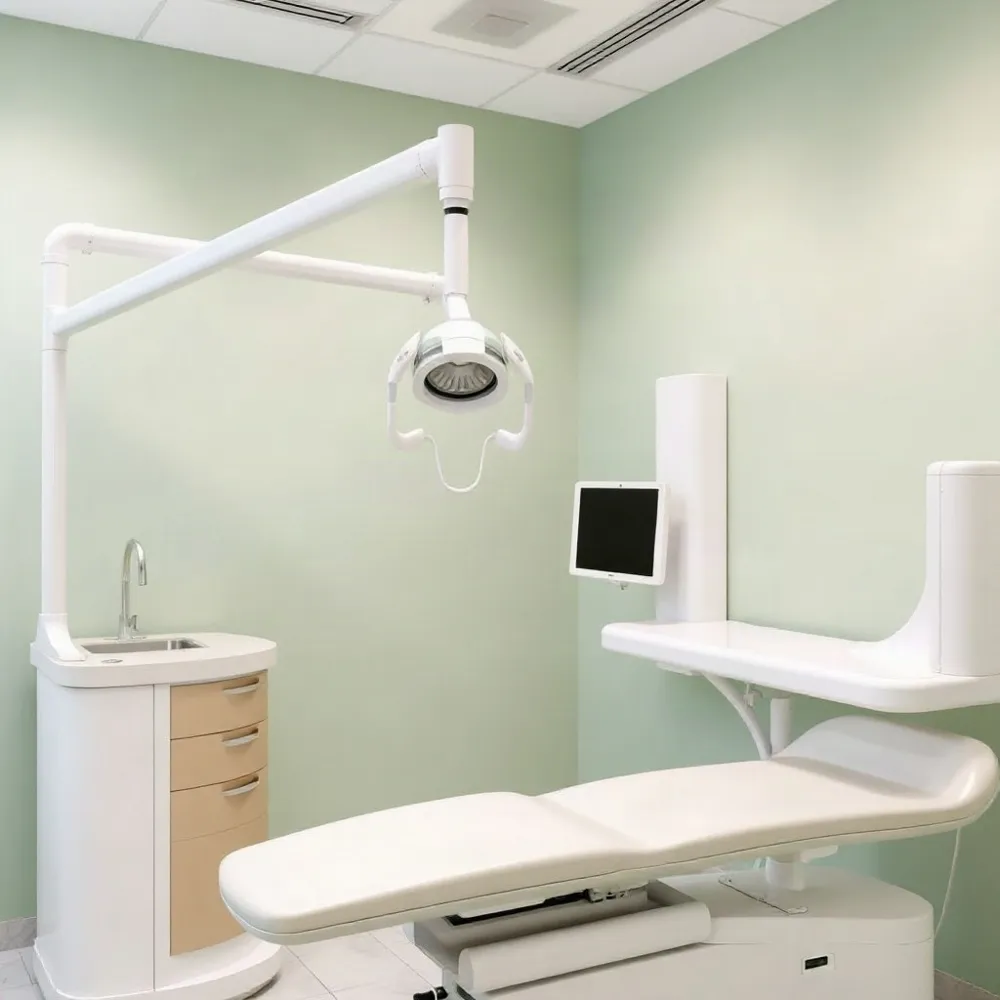
Protecting Ovarian Health: Signs, Symptoms, and Proactive Care
What Every Woman Should Know About Ovarian Health
Protecting Ovarian Health: Signs, Symptoms, and Proactive Care
Follow us here:


Infertility affects approximately 1 in 6 couples worldwide, with similar rates observed in Queens, NY. In the United States, about 1 in 5 married women aged 15 to 49 who have never given birth face difficulties conceiving. Both men and women can experience fertility challenges, with male factors accounting for a significant portion of cases. The condition is defined as the inability to conceive after 12 months of unprotected intercourse.
Infertility can arise from a variety of issues affecting reproductive health in both sexes. Among women, Polycystic Ovary Syndrome (PCOS) is a leading cause, contributing to nearly one-third of infertility diagnoses. Other factors include dysfunctions in ovulation, fallopian tube blockage, uterine abnormalities, and hormonal imbalances. Men may experience infertility due to low sperm count, abnormal sperm morphology, or reproductive tract blockages, often linked to lifestyle or medical conditions.
The journey through infertility often brings significant emotional and physical challenges. Treatments such as IVF and intrauterine insemination can be physically demanding and financially costly. Couples frequently face stress, anxiety, grief, and relationship tensions throughout this journey. Many clinics in Queens provide counseling and support services to help patients navigate these difficulties with empathy and care, emphasizing the importance of mental health alongside physical treatment.
Women-led OB/GYN practices in Queens, NY, such as Women for Women OB/GYN LLC in Queens, deliver a broad spectrum of services addressing women's health needs throughout their reproductive lives. These comprehensive services include routine women's health check-ups, prenatal and postpartum care, and management of high-risk obstetrics services.
Advanced diagnostic tools like transvaginal and 4-D obstetrical ultrasound, hysteroscopy, and colposcopy are integral to their care offering. Conditions such as endometriosis—affecting about 11% of women of reproductive age—are diagnosed and treated with options ranging from hormonal therapies and pain management to minimally invasive and cold excision laser surgeries.
Personalized attention is a hallmark of these woman-led practices, offering tailored wellness consultations and fertility support. They provide fertility diagnostics and treatments while coordinating closely with specialized clinics and networks.
Moreover, these providers emphasize minimally invasive surgical techniques, including laparoscopic and hysteroscopic procedures, minimizing recovery time and improving surgical outcomes.
Support extends beyond physical health, recognizing the emotional challenges women face. Empathetic care teams help navigate comprehensive health journeys, whether managing diabetes in pregnancy, addressing hormonal imbalances, or preparing for menopause.
Through integration with larger healthcare systems like Northwell Health, these practices ensure access to cutting-edge technology and multidisciplinary care. This holistic, compassionate approach creates a supportive environment guiding women through every stage of reproductive health with expertise and empathy.
A woman-led healthcare provider brings a unique perspective to women's health, profoundly enhancing personalized care. Female physicians often prioritize empathy and effective communication, dedicating more time to listen and understand their patients' concerns. This patient-centered approach builds trust and encourages open dialogue, allowing for care plans tailored to each woman’s unique health history, lifestyle, and preferences.
Women-led teams are deeply familiar with the nuances of female health, from reproductive management and gender-specific screenings to conditions like PCOS and infertility diagnosis or understanding endometriosis in women that disproportionately affect women. By focusing on these areas, they ensure early diagnosis and treatment of PCOS, improving health outcomes.
inclusivity and diversity in women-led healthcare are also integral to women-led practices. Such environments foster collaboration among healthcare professionals with varied backgrounds, facilitating innovative solutions and holistic care models. This inclusive ethos extends to acknowledging diverse patient experiences and needs, such as counseling services for fertility patients or culturally sensitive care approaches.
Overall, leadership by women in healthcare not only improves patient-provider relationships but also drives personalized treatments that reflect the complex realities of women’s health, resulting in focused, compassionate, and effective care.
Modern obstetrics and gynecology practices in Queens, NY, and beyond have embraced a variety of technological and therapeutic innovations to improve women's health outcomes. One major advancement is the use of 4-D obstetrical ultrasound, such as 3-D obstetrical ultrasounds, which provide clearer visualization of fetal development and uterine conditions. These tools allow practitioners to diagnose issues more accurately, enabling personalized treatment plans.
Another significant development is in minimally invasive gynecological surgery like laparoscopy and hysteroscopy, including laser-assisted and robotic techniques. These procedures reduce recovery times, minimize scarring, and enhance precision, benefiting conditions such as endometriosis treatment options or tubal blockages that impact fertility.
In fertility care, cutting-edge treatments include In Vitro Fertilization Experts methods, advanced sperm and egg handling techniques, intracytoplasmic sperm injection (ICSI), and fertility preservation strategies such as egg freezing. Fertility clinics in the region, like NYU Langone Fertility Care Brooklyn and RMA of New York – Long Island Fertility Treatments, integrate these techniques alongside patient-tailored protocols designed to optimize success rates for individuals of diverse backgrounds and medical needs.
Moreover, telemedicine has become an invaluable tool in women's health by enabling patients to access expert consultations and follow-ups remotely. This approach not only enhances convenience and reduces travel burdens but also provides emotional support and continuity of care, especially important for those undergoing stressful fertility treatments or managing high-risk pregnancies.
Together, these technological advancements, surgical innovations, and digital health solutions illustrate the commitment of modern healthcare providers to deliver comprehensive, effective, and empathetic care tailored to the unique needs of women at all stages of their reproductive journey.
Many couples face the heartache of infertility statistics worldwide, a condition impacting about 1 in 8 couples worldwide. Personal journeys highlight the Infertility challenges in Queens, NY, especially those diagnosed with Polycystic Ovary Syndrome (PCOS), which contributes significantly to infertility diagnoses.
Women with PCOS often find hope through Early diagnosis and treatment of PCOS. Lifestyle adjustments, medications, and basic fertility treatments can improve their chances of conception. Numerous women achieve pregnancy by Conceiving with PCOS through treatment and lifestyle changes, demonstrating that this condition does not have to be a barrier to becoming mothers.
For many, in vitro fertilization (IVF) offers a pathway to parenthood after repeatedly facing fertility difficulties. Clinics like Bourn Hall fertility clinic Queens NY report inspiring success stories local IVF patients where couples conceive after multiple IVF cycles, including cases involving donor sperm IVF cases. Personalized fertility treatment plans tailored to patient history improve outcomes, reinforcing the message that perseverance and advancements in reproductive medicine can lead to triumph.
The emotional strain of infertility is profound, with stress, anxiety, and grief commonly experienced. Fertility clinics now emphasize comprehensive support including counselling services for fertility patients and support groups and counseling infertility. This compassionate care helps patients navigate their fertility journeys with resilience, offering community and understanding during difficult times.
These real-life experiences affirm that while infertility presents significant challenges, tailored medical treatments combined with mental health support for fertility loss empower patients to overcome barriers and realize their dreams of parenthood.
Insurance mandates in some states, such as Maryland, extend benefits that make in vitro fertilization (IVF) treatments more financially accessible. Although Queens, NY, residents may not directly benefit from all local mandates, regional laws influence insurance policies, potentially easing the economic burden of fertility treatments for eligible patients. For insights on Maryland insurance laws for IVF, see sources covering insurance laws affecting IVF in Queens NY.
Several fertility clinics offer programs designed to reduce out-of-pocket expenses. Notably, Shady Grove Fertility provides options including the Shared Risk Refund Program, which offers financial protection if treatments are unsuccessful, and medication discounts to alleviate drug costs. These initiatives are part of broader efforts for financial assistance for fertility treatments.
Access to fertility care often depends on socioeconomic status, impacting who can afford treatments like IVF. Programs offering discounts, insurance mandates, and state policy advancements help bridge this gap, striving toward equitable care. Clinics and advocacy groups work to dismantle financial barriers linked to race, ethnicity, and geography. For more information on disparities in access to effective treatment for infertility, see related ethics committee opinions.
Residents of Queens benefit from proximity to multiple fertility centers offering transparent treatment pathways and financial counseling. Supportive clinic staff aid patients in understanding insurance coverage, payment options, and connecting to assistance programs—helping ease the complex financial aspects of family-building. Locally, fertility clinics in Queens provide personalized financial navigation and support.
| Topic | Description | Local Context in Queens, NY |
|---|---|---|
| Insurance Mandates | Laws increasing IVF treatment coverage | Maryland mandates influence regional insurance practices (Maryland insurance laws for IVF) |
| Financial Assistance Programs | Risk-sharing & medication discounts | Shady Grove and similar clinics offer these programs |
| Socioeconomic Disparities | Economic barriers to fertility care | Ongoing efforts to improve equitable access (Disparities in access to fertility treatment) |
| Financial Navigation and Support | Counseling for costs and insurance | Queens clinics provide personalized patient financial support |
Fertility treatments can be physically and emotionally demanding, often causing stress, grief, anxiety, and relationship tension. Pregnancy loss, including miscarriage and stillbirth, may lead to intense grief, depression, and trauma symptoms, especially after a prolonged fertility journey. These aspects are well documented in Emotional impact of fertility treatments.
Following fertility treatment, many patients experience ongoing anxiety and heightened concern for fetal health and bonding. Postnatal mental health issues such as sadness, exhaustion, and isolation affect roughly a quarter of women and birthing people and a notable portion of their partners. Addressing such issues is a focus of Mental health during fertility treatment and Postnatal mental health after fertility treatments.
Many fertility clinics, including ones in Queens, NY, provide in-house counseling and support groups to help patients navigate the emotional challenges of infertility and treatment. These services foster emotional resilience, offer coping strategies, and provide empathetic understanding throughout the journey. This is emphasized in Counselling services for fertility patients and Support groups and counseling infertility.
Queens offers several mental health services specialized in perinatal care, addressing depression, anxiety, and trauma symptoms. Local charities and support groups also provide educational resources and peer support to help individuals and couples feel less isolated. Resources on Localized fertility support in Queens NY include such mental health services.
Comprehensive emotional support combined with compassionate clinical care is essential to help patients endure the physical and emotional demands of fertility treatments and pregnancy, contributing to overall well-being and successful outcomes.
Polycystic ovary syndrome (PCOS) and endometriosis are significant contributors to fertility challenges among women. PCOS affects nearly one-third of infertility cases and is characterized by hormonal imbalances that interfere with ovulation. Endometriosis, impacting about 11% of women aged 11 to 44, can cause painful symptoms and affect fertility by damaging reproductive organs.
Diagnostic testing is a crucial step in understanding fertility concerns. Common procedures include blood tests to evaluate hormone levels, pelvic ultrasounds to observe ovarian and uterine health, and hysterosalpingogram (HSG) tests to assess fallopian tube patency. These tests help pinpoint issues like tubal blockages or uterine abnormalities that could be barriers to conception. See more about Infertility testing methods.
Lifestyle changes such as maintaining a healthy weight, managing stress, reducing smoking and alcohol intake can greatly improve fertility outcomes, especially in women with PCOS. Medical treatments range from medications that stimulate ovulation to minimally invasive surgeries like laparoscopic excision for treating endometrial lesions. These approaches can restore reproductive function and increase chances of successful conception. For details, refer to Conceiving with PCOS through treatment and lifestyle changes and Endometriosis treatment options.
Conditions such as diabetes require careful management before and during pregnancy to prevent complications. Women with diabetes are advised to maintain tight blood sugar control, receive regular medical supervision, and coordinate care among obstetricians and endocrinologists. Proper management reduces risks like fetal overgrowth, birth defects, and pregnancy loss, promoting healthier maternal and fetal outcomes. For more information, see Specialized diabetes care during pregnancy.
Women with fertility challenges in Queens, NY, benefit from early diagnosis, especially those with conditions like PCOS, which accounts for nearly a third of female infertility cases. Early testing through blood work, ultrasounds, and semen analysis allows for tailored, effective treatment plans that increase chances of conception.
Facilities like Women for Women OB/GYN LLC provide nurturing environments led by female OB/GYNs and nurse practitioners who understand the unique needs of women facing fertility issues. These clinics offer comprehensive services from minimally invasive procedures to wellness consultations, emphasizing compassionate, patient-centered care.
Advancements in assisted reproductive technologies, including IVF and related treatments, bring hope to many. Alongside medical support, clinics in Queens provide counseling and support groups to help patients build emotional resilience during fertility journeys, addressing anxiety, grief, and stress.
Patients are encouraged to seek fertility care early and take advantage of financial assistance programs, insurance mandates, and localized fertility specialists offering comprehensive options. Resources such as ebooks, webinars, and patient stories empower women with knowledge and community support to navigate their path to parenthood with confidence.

.png)
%201.png)
Compassionate care for every stage of womanhood. Visit one of our convenient locations or book your appointment online today.