A Lifetime of Heart Care for Women
Prioritizing Heart Health at Every Life Stage
A Lifetime of Heart Care for Women
Follow us here:



Heart health deserves attention throughout life, not only after menopause. Heart disease is the leading cause of death for women in the United States, but risk is shaped by more than age. Blood pressure, cholesterol, diabetes, smoking, family history, pregnancy complications, and menopause can all inform a woman’s cardiovascular health.
Prevention does not require changing everything at once. Regular movement, nourishing food, avoiding tobacco, and routine checks can help build a clearer picture of personal risk. The American Heart Association’s guidance on prevention at any age offers practical steps that can be adapted over time.
At Raveco, a women-led obstetrics and gynecology provider in Queens, conversations about health can include reproductive history and changing needs across life stages. Sharing concerns and asking about blood pressure, cholesterol, or other screening with a healthcare professional can help women decide what steps make sense for them.

Heart disease can affect women at any age, and it may develop without noticeable symptoms. Common risk factors include high blood pressure, high cholesterol, diabetes, smoking, excess weight, physical inactivity, and a family history of heart disease. Regular checkups can help identify risks and give you a chance to discuss what your results mean. This review of personal risk and warning signs can also help you prepare for that conversation.
Women’s reproductive and medical histories can add useful context. Preeclampsia, gestational diabetes, or high blood pressure during pregnancy, early menopause, and autoimmune or chronic inflammatory conditions are associated with higher cardiovascular risk. These experiences do not mean that heart disease is inevitable, but they are worth sharing with a clinician, along with relevant family history. At Raveco, clinicians providing personalized obstetrics and gynecology care in Queens offer a setting to discuss reproductive health history as part of broader wellness conversations.
Possible heart attack symptoms include chest pressure or pain, shortness of breath, nausea or vomiting, unusual fatigue, lightheadedness, and discomfort in the back, neck, jaw, or arms. Women may have symptoms without classic chest pain, and symptoms can resemble indigestion, anxiety, or muscle pain. The CDC’s guidance on women and heart disease describes symptoms that may be easy to overlook.
Do not wait to see whether sudden, severe, or concerning symptoms pass. Call 911 for possible heart attack symptoms and seek emergency care. Routine visits with a women’s health clinician can complement, but never replace, emergency care; Raveco offers comprehensive obstetrics and gynecology services where patients can raise questions about their health history and preventive care.
Heart-protective habits can start at any age and adapt to changing health, schedules, and abilities. Small, steady steps matter more than perfection, and a clinician can help tailor goals to your needs.
Adults can gradually work toward 150 minutes of moderate aerobic activity each week, or 75 minutes of vigorous activity, along with muscle-strengthening exercise on at least two days. Children should aim for 60 minutes of activity daily. Walking, swimming, dancing, and other enjoyable movement can make it easier to keep going. These activity recommendations are outlined by the American Heart Association.
A heart-supportive eating pattern includes fruits, vegetables, whole grains, beans, nuts, fish, and other minimally processed foods. Choose lean proteins and unsaturated oils, and limit excess sodium, added sugars, highly processed foods, and saturated fat. Adding a vegetable to a meal or choosing whole grains more often can be a manageable start. Food choices can reflect cultural preferences, health conditions, and medications.
Avoiding tobacco and secondhand smoke, getting enough sleep, and finding healthy ways to manage stress also support cardiovascular health. If weight is a concern, discuss sustainable goals with a clinician rather than relying on restrictive plans. The Mayo Clinic’s heart disease prevention guidance covers these everyday steps alongside medical follow-up.
Routine checks of blood pressure, cholesterol, and blood sugar can help identify concerns, including ones that may not cause noticeable symptoms. Screening schedules and treatment decisions depend on personal and family history, age, and other risk factors. At Raveco, clinicians providing personalized obstetrics and gynecology care can offer a setting to discuss health concerns and how reproductive history may inform conversations about preventive care.

Pregnancy can reveal health patterns worth remembering after delivery. High blood pressure, preeclampsia, and gestational diabetes are associated with higher cardiovascular risk later in life, but they do not mean that an individual will develop heart disease. Sharing this history helps clinicians tailor future checkups and prevention discussions. The American Heart Association’s statement on pregnancy-related cardiovascular risks describes these complications as markers that can inform follow-up.
The months after birth offer a chance to review any pregnancy complications, check blood pressure, and discuss other factors such as cholesterol and blood sugar. A clinician can help determine what monitoring is appropriate and arrange ongoing care with obstetric, primary care, or other healthcare professionals. Raveco provides comprehensive obstetrics and gynecology care in Queens, giving patients a setting to discuss pregnancy history as part of their broader health.
If you are considering pregnancy, talk with a clinician about existing conditions, medications, and personal or family risk factors before conception when possible. Keep a record of complications and share it at later appointments, even years after pregnancy. Guidance from the National Heart, Lung, and Blood Institute emphasizes that pregnancy history can help inform heart-health conversations across life.
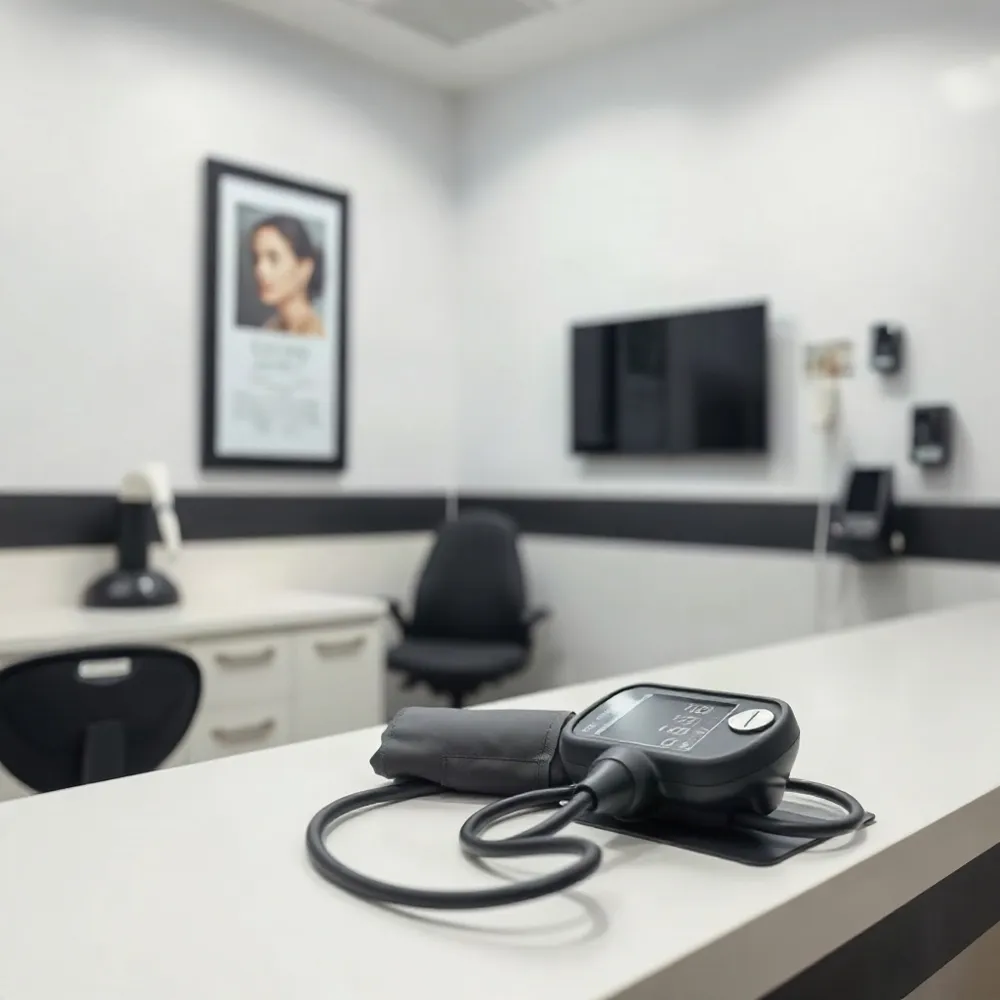
Menopause itself does not cause cardiovascular disease, but the transition can be a useful time to review heart health. Blood pressure and cholesterol may shift, and body fat may become more concentrated around the abdomen. These changes can affect risk over time, alongside age, family history, and other health factors. The American Heart Association’s guidance on menopause explains why paying attention to cardiovascular health during this phase can help inform prevention.
Regular checks of blood pressure, cholesterol, blood sugar, and weight can help identify changes to discuss with a healthcare professional. Sustainable activity, a heart-supportive eating pattern, and not smoking also support cardiovascular health. At Raveco, a women-led obstetrics and gynecology practice in Queens, patients can discuss health concerns as part of personalized women's care.
Hormone therapy is not a universal solution for preventing heart disease. Its possible benefits and risks depend on a person's health history and needs, so discuss it with a healthcare professional rather than starting or stopping treatment on your own.
Some people notice a racing, pounding, fluttering, or skipped-beat sensation during perimenopause or menopause. Hormone changes may play a part, but palpitations can have other causes. Arrange medical advice if they are new, recurring, worsening, or concerning, particularly if you have a heart condition or other risk factors.
Seek emergency care for palpitations accompanied by chest pain, shortness of breath, fainting, severe dizziness, or weakness. A clinician can assess possible causes and recommend appropriate next steps. Menopause does not make heart disease inevitable, and an individualized review of symptoms and risk factors can help guide care.
For more on how this transition can relate to cardiovascular risk, see menopause and cardiovascular health.
Heart disease care is tailored to the condition, its severity, and a person’s overall health. Treatment may include medicines for blood pressure, cholesterol, heart rhythm, or symptoms, and procedures or surgery when appropriate. Lifestyle measures and regular follow-up can support care over time. The Mayo Clinic’s heart disease prevention guidance also emphasizes working with a healthcare team when managing risk factors.
Take prescribed medicines as directed, and tell your healthcare team about new symptoms, side effects, or changes in your health. Never change or stop a medicine without discussing it with the prescriber. Possible heart attack symptoms, including chest discomfort, shortness of breath, nausea, or pain in the back, neck, or jaw, require emergency help. Call 911.
Pregnancy can still occur during perimenopause because ovulation may continue even when periods become irregular. Hormone replacement therapy (HRT) is not contraception. If pregnancy is not desired, ask a healthcare professional which contraceptive options fit your health and circumstances. Patients can also discuss reproductive questions with Raveco, a women-led obstetrics and gynecology provider in Queens.
After menopause, natural pregnancy is not expected because ovulation has stopped; pregnancy can still occur during perimenopause. When menopause has occurred and how long contraception is needed can depend on individual circumstances. Confirm timing with a clinician rather than relying on irregular periods alone. If pregnancy is possible while taking HRT, contact the prescribing healthcare provider promptly for advice before making medication decisions. For related guidance, see cardiovascular health and menopause.
Heart health deserves attention through adolescence, the reproductive years, pregnancy and postpartum, menopause, and older age. The American Heart Association’s guidance on prevention at any age emphasizes that healthy choices and care can support cardiovascular health throughout life.
At routine visits, share relevant symptoms, family history, pregnancy complications, and questions about screening or treatment. A clinician can consider these details alongside current health when discussing next steps. At Raveco, clinicians providing personalized obstetrics and gynecology care in Queens offer a setting to raise reproductive and wellness concerns as part of that conversation.
Regular monitoring and manageable preventive steps can help women make informed choices. If symptoms feel urgent or could signal a heart attack, seek emergency care rather than waiting for a routine appointment.

.png)
%201.png)
Compassionate care for every stage of womanhood. Visit one of our convenient locations or book your appointment online today.