
Protecting Ovarian Health: Signs, Symptoms, and Proactive Care
What Every Woman Should Know About Ovarian Health
Protecting Ovarian Health: Signs, Symptoms, and Proactive Care
Follow us here:



Genetic counseling is a specialized health service that helps individuals and couples understand how genetic factors can affect their health and the health of their future children. It involves assessing personal and family medical histories to evaluate risks for inherited conditions and discussing available genetic testing options.
For those planning a family or already pregnant, genetic counseling is crucial in identifying potential genetic risks early. It supports informed decision-making about conception, pregnancy management, and preparation for possible outcomes. This service is particularly important for women over 35, those with a family history of genetic disorders, or those from certain ethnic backgrounds with higher risks.
Women-led healthcare providers play a vital role in delivering personalized genetic counseling. They ensure compassionate, culturally sensitive care tailored to each patient’s unique medical history and values. By collaborating closely with genetic counselors and obstetrics specialists, they offer comprehensive support throughout family planning and prenatal care journeys.

Genetic counseling is a specialized healthcare service where certified professionals assess the genetic risks that individuals or couples might face in having children. By [reviewing detailed personal and family medical histories], genetic counselors for family planning help prospective parents understand the possibility of inherited conditions. This service includes identifying whether individuals are carriers for over 200 genetic disorders, such as cystic fibrosis, sickle cell disease, Tay-Sachs, or Fragile X syndrome. Understanding these risks enables families to make informed choices about reproduction, including pursuing further genetic testing or exploring reproductive alternatives.
A thorough gathering of family and personal medical history forms the cornerstone of genetic counseling. Information about chronic illnesses, birth defects, prior pregnancy outcomes, and ethnic background helps counselors assess hereditary risks effectively. This information is used to construct a family pedigree—a detailed family tree mapping health issues across generations. Such assessment allows genetic counselors to detect patterns that might signify risks of certain inherited disorders and guide decisions on the need and type of genetic testing.
Genetic counselors serve as vital translators of complex genetic information. They evaluate family and medical histories, explain genetic testing options, and interpret test results for prospective parents. Their role encompasses providing both educational and emotional support, ensuring patients understand probabilities, implications, and options without directing their decisions. This patient-centered approach respects personal and cultural values while equipping families with knowledge to plan safely.
Carrier screening is a proactive genetic test recommended before pregnancy to identify carriers of inherited conditions. If both partners carry genes for the same condition, there can be a 25% chance each child will be affected. Knowing carrier status facilitates informed reproductive planning—for instance, considering in vitro fertilization with genetic diagnosis or other alternatives to reduce risk. This empowers families to make personalized decisions and prepare for any necessary medical interventions.

Prenatal genetic counseling offers several testing options to assess the health of the developing fetus. Common screening tests include non-invasive prenatal testing (NIPT), such as cell-free DNA screening, which can be done early in pregnancy. Ultrasounds, including advanced Level II ultrasounds and fetal echocardiography, help detect structural anomalies. Diagnostic tests such as chorionic villus sampling (CVS) and amniocentesis provide definitive information about chromosomal abnormalities and genetic disorders.
These tests screen for conditions like Down syndrome, trisomy 13 and 18, Klinefelter syndrome, Turner syndrome, and neural tube defects. Early identification allows parents and healthcare providers to prepare emotionally and medically, guide pregnancy management, and consider all available options.
Genetic counselors create a supportive and non-directive environment where prospective parents can openly discuss genetic risks and testing choices. They translate complex genetic information into understandable terms, helping families interpret test results accurately.
Counselors also provide emotional support , addressing concerns about potential outcomes. They assist families in exploring reproductive decisions such as continuing the pregnancy, planning for specialized care, or considering alternatives like adoption. This ongoing guidance empowers parents to make informed, personalized choices throughout their pregnancy journey.
Prenatal genetic counseling is integrated with obstetric and gynecological care, involving close collaboration between genetic counselors, maternal-fetal medicine specialists, and primary obstetric providers. This team approach ensures comprehensive risk assessment, coordinated testing, and appropriate follow-up care, supporting the best possible outcomes for mother and child.

Genetic counseling in obstetrics is seamlessly integrated within obstetrics and gynecology care through a collaborative approach that involves obstetrician-gynecologists, genetic counselors, maternal-fetal medicine specialists, and other healthcare professionals. These counselors review personal and family medical histories, including factors like maternal age and ethnic background, to assess the risk of inherited conditions.
Within this integrated care model, genetic counselors coordinate genetic testing—ranging from non-invasive prenatal testing (NIPT) to diagnostic procedures like chorionic villus sampling and amniocentesis—and interpret complex results. They then work alongside OB-GYNs to develop personalized management plans that address the specific needs of each patient, guiding them through reproductive choices and prenatal care with expert knowledge and emotional support.
Advancements in genetic testing technologies, such as next-generation sequencing and cell-free DNA screening, have greatly enhanced the precision and scope of prenatal genetic assessments. Genetic counselors are essential in explaining these sophisticated tools and their results to patients.
Emerging technologies enable earlier and more accurate detection of conditions like Down syndrome, trisomies, and single-gene disorders, facilitating timely interventions and informed decision-making. Moreover, preimplantation genetic diagnosis complements reproductive technologies to reduce the risk of passing on inherited conditions.
Ethics play a central role in genetic counseling. Counselors ensure informed consent for genetic testing by clearly explaining the purpose, benefits, limitations, and potential outcomes of testing. Confidentiality is rigorously maintained, and patients' privacy rights are respected.
Counseling addresses the psychological impact of ambiguous results, such as variants of uncertain significance, helping patients cope with uncertainty. Respect for reproductive autonomy means counselors provide non-directive support, allowing patients to make decisions that align with their personal, cultural, and ethical values.
Legal protections like the Genetic Information Nondiscrimination Act (GINA) safeguard individuals against discrimination based on genetic information in employment and health insurance.
This integrated, ethically conscious framework ensures that genetic counseling enriches obstetric and gynecologic care by empowering women and families in Queens, NY, to make informed, supported decisions about their reproductive health.
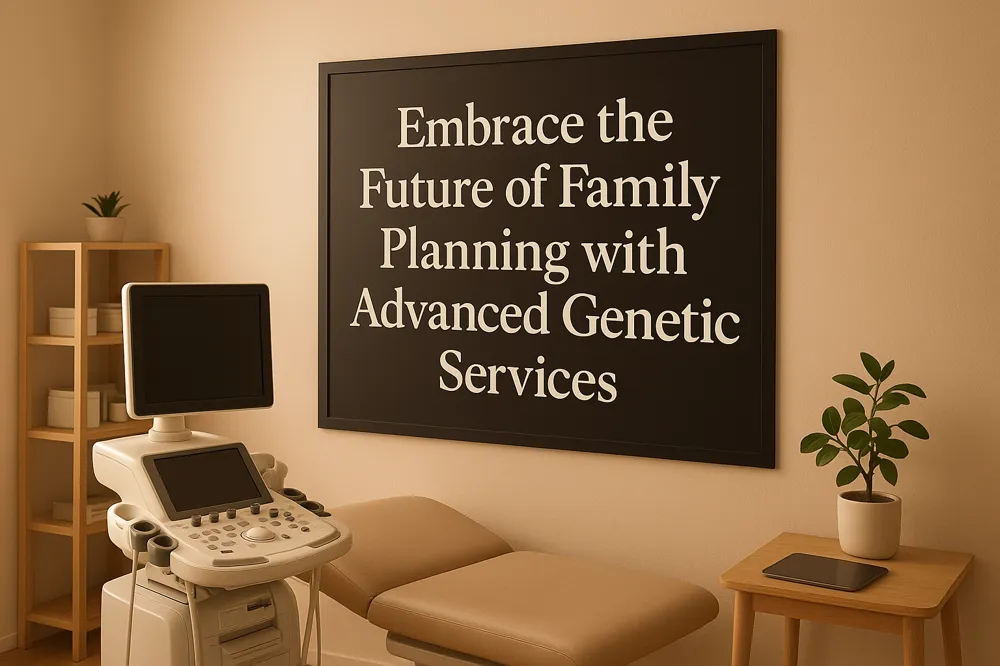
Genetic counseling has embraced telehealth, making services more widely accessible regardless of location. Virtual genetic counseling allow individuals and couples in Queens, NY, and beyond to receive expert guidance without the barriers of travel or scheduling conflicts.
Technological innovations have introduced powerful tools such as next-generation sequencing in prenatal care and non-invasive prenatal testing (NIPT). NIPT, performed as early as 9 to 10 weeks into pregnancy, offers highly accurate screening for chromosomal abnormalities like Down syndrome genetic counseling, trisomy 13 and 18, and others with minimal risk to the fetus.
Expanded carrier screening using broad panels now tests for over 200 inherited conditions, including cystic fibrosis genetic risk, sickle-cell anemia genetic counseling, Tay-Sachs genetic risk, and Genetic counseling for family planning. These developments enable more comprehensive risk assessments and informed decision-making during Genetic counseling for family planning.
For couples utilizing assisted reproductive technologies (ART), Genetic counseling for family building is integral. Counselors evaluate carrier status, family history, and chromosomal integrity to guide the use of Advanced fertility techniques.
Preimplantation Genetic Diagnosis (PGD) tests embryos for specific inherited conditions before implantation, while Preimplantation Genetic Screening (PGS) assesses embryos for chromosomal anomalies that can cause miscarriage or reduce implantation success. This supports selecting embryos with the best genetic profile for transfer.
By integrating Genetic counseling for family building with ART, families benefit from tailored reproductive planning, reduced risk of genetic disorders, and increased chances of a healthy pregnancy.
Despite these advances, many prospective parents remain unaware of the availability and benefits of Role of genetic counseling in reproductive healthcare. Efforts to increase education and referrals are vital in ensuring families can fully access these valuable services prior to or during pregnancy.
With a woman-led healthcare provider in Queens specializing in obstetrics and gynecology, integrating cutting-edge Genetic counseling for family planning through telehealth and in-person sessions supports comprehensive, personalized Prenatal Genetic Counseling Services.
Genetic counseling offers families more than immediate information — it empowers informed decisions not only for current pregnancies but also for future family planning. By identifying inherited conditions, counseling extends its impact beyond individuals to multiple generations, enabling early detection and preventive healthcare strategies.
This approach can reveal patterns of genetic disorders, like cystic fibrosis or sickle cell disease, influencing reproductive choices and aiding families in preparing for potential health challenges. It connects families to support networks, treatment options, and educational resources, creating a foundation for sustained health management.
Genetic counseling provides crucial emotional support throughout the testing process and beyond, helping families understand complex genetic information and cope with diagnoses. Genetic counselors offer a safe and supportive environment where patients can express concerns and explore options aligned with their values and beliefs.
This ongoing support helps families process genetic risks and navigate ethical considerations, ultimately enhancing their emotional resilience. The integration of counseling into healthcare promotes personalized, value-based decisions, fostering confidence and adaptability in managing genetic conditions over time.
| Benefit | Description | Example/Application |
|---|---|---|
| Informed Reproductive Choices | Enables decision-making for current and future pregnancies | Choosing genetic testing or assisted reproduction |
| Extended Family Impact | Identifies inherited conditions affecting multiple generations | Early interventions and preventive care planning |
| Emotional Support | Offers psychological assistance and guidance | Coping with diagnosis, ethical decision-making |
| Resource Connections | Links families to treatment, support groups, and education | Access to specialists and patient advocacy groups |
Genetic counseling thus serves as a critical tool in family health, extending benefits that include informed planning, emotional well-being, and comprehensive ongoing care.
The process offers not only vital information but also emotional support, allowing families to make informed, value-aligned choices during pregnancy and beyond. Collaboration among genetic counselors, obstetricians, and other healthcare providers ensures comprehensive, patient-centered care tailored to diverse backgrounds and needs.
Increasing awareness and access to genetic counseling services is essential, especially in multicultural communities like Queens, NY, to empower families with knowledge and confidence. By embracing genetic counseling, women and couples can confidently navigate reproductive health, fostering healthier outcomes for future generations.

.png)
%201.png)
Compassionate care for every stage of womanhood. Visit one of our convenient locations or book your appointment online today.