A Clear Guide to Pap and HPV Screening
Understanding Pap Tests and Cervical Cancer Screening
A Clear Guide to Pap and HPV Screening
Follow us here:


Cervical cancer screening looks for changes in cells from the cervix or for high-risk human papillomavirus (HPV), which can cause those changes. Finding possible concerns before symptoms appear gives you and your clinician a chance to decide whether monitoring or further evaluation is appropriate. Learn more about cervical cancer screening.
Screening is preventive, not a diagnosis. An abnormal result does not, by itself, mean you have cancer. Many findings lead to follow-up testing rather than treatment, and your clinician can explain what a result means in light of your health history.
Recommended tests and schedules can differ among medical organizations and may be updated. For example, the USPSTF page describes its 2018 recommendation and notes that an update is in progress. At Raveco Medical, a woman-led obstetrics and gynecology provider in Queens, care is tailored to each patient's health needs. Ask your clinician which current guidance applies to you, especially if you have had abnormal results, cervical treatment, or a condition that affects your immune system.

Cervical screening may use a Pap test, an HPV test, or both. A Pap test examines cells collected from the cervix for changes that could be precancerous or cancerous. An HPV test looks for high-risk types of human papillomavirus (HPV) linked to cervical cancer. The tests answer different questions, even when they use the same sample. The Office on Women's Health explains how Pap and HPV tests work.
Many HPV infections clear without causing lasting changes. When a high-risk infection persists, however, it can lead to abnormal cervical cells. A clinician may order HPV testing on its own, called primary HPV screening, or combine it with a Pap test, a practice known as cotesting. Which approach is suitable depends on current guidance, age, screening history, and individual health factors.
Some patients may be able to collect their own sample for HPV testing through a healthcare provider. Approved tests and collection options can change, and an abnormal result may require a clinician-collected sample or further assessment. Ask your gynecologist whether self-collection is available and what follow-up would involve. Raveco Medical provides gynecological care tailored to each patient’s health history and needs.
Screening can find precancerous changes before they develop into cancer, giving patients and clinicians an opportunity to decide on appropriate monitoring or care. Regular screening has been shown to prevent more than 8 out of 10 cervical cancers, according to the American Cancer Society’s screening guidance. Discuss the test and schedule that fit your circumstances with a clinician.
The right screening schedule depends on which guideline applies to you, your age, and your health history. Recommendations have changed over time, so a schedule you have followed before may not be the current one.
The U.S. Preventive Services Task Force’s 2018 recommendation, which is being updated, advised Pap testing every three years for people ages 21 to 29. For ages 30 to 65, it listed Pap testing every three years, high-risk HPV testing every five years, or Pap and HPV testing together every five years. These are dated recommendations, not definitive current guidance; see the USPSTF recommendation and ask your clinician which schedule to follow.
Guidelines can differ. The American Cancer Society’s guidance recommends that average-risk people with a cervix start screening at age 25, with provider-collected HPV testing every five years as its preferred option. Other options include HPV and Pap testing together every five years, self-collected HPV testing every three years, or Pap testing every three years when HPV testing is unavailable. Discuss which current recommendation fits your circumstances.
A history of cervical precancer or cancer, HIV, a weakened immune system, or exposure to diethylstilbestrol (DES) before birth can call for a different plan. Prior results and screening history matter too. At Raveco Medical, patients can discuss these details with an obstetrics and gynecology provider in Queens.
Turning 65 does not automatically mean screening should stop. Whether it is appropriate to stop depends on adequate prior screening and individual risk factors; if your history is incomplete or uncertain, ask your clinician before ending routine tests. A clinician can also help clarify whether screening remains appropriate after hysterectomy, based on whether the cervix was removed and any history of cervical disease.
These schedules are for routine screening in people without symptoms. Unusual vaginal bleeding, unusual discharge, or pelvic pain should prompt contact with a healthcare professional rather than waiting for a screening appointment. A personalized conversation with an ob-gyn can help you choose a schedule and understand when symptoms need evaluation.

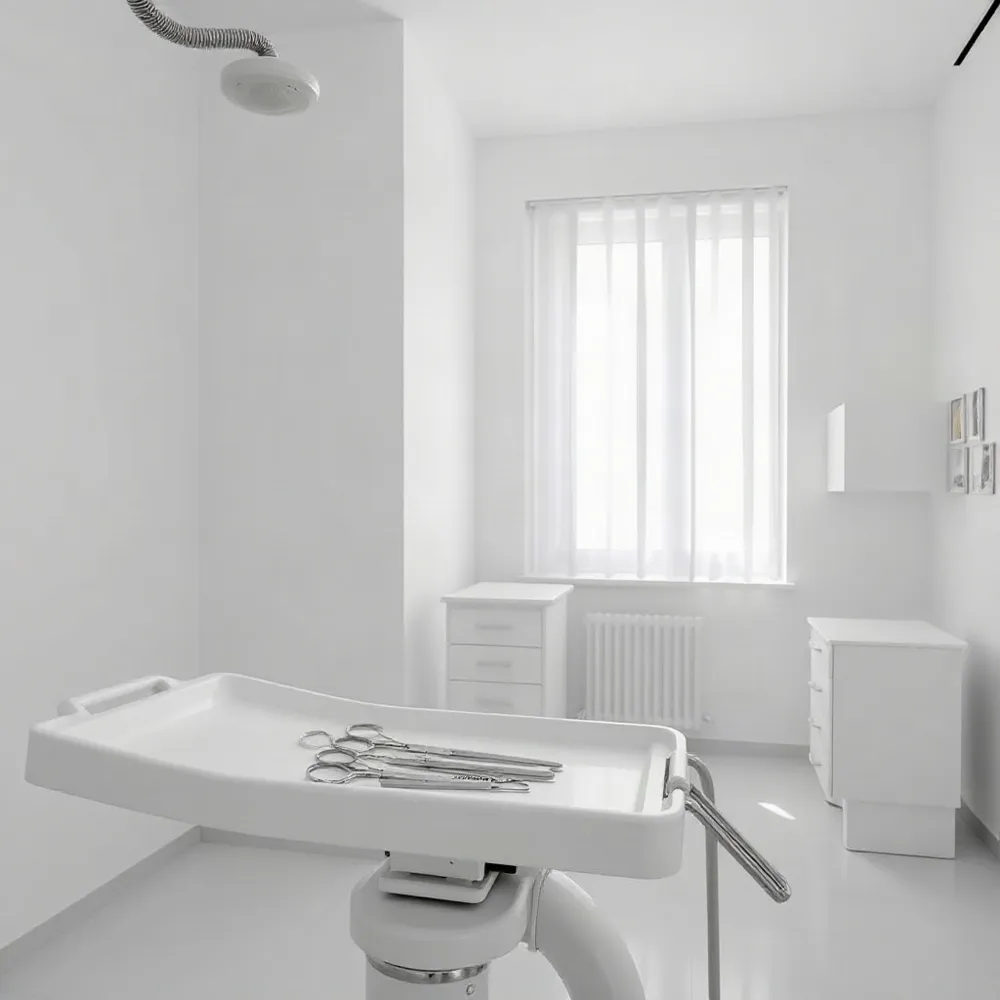
A provider-collected Pap test or HPV test usually takes place in an exam room. You lie on an exam table, and the clinician gently places a speculum in the vagina to see the cervix. A small brush collects cervical cells for laboratory testing. Pap and HPV samples may be collected during the same visit.
The sampling usually takes only a few minutes. You may notice pressure or brief discomfort when the speculum is inserted, and light spotting can happen afterward, but discomfort can occur. Tell the clinician if you experience pain. For a fuller walkthrough of the cervical screening exam, including what happens before and after sample collection, see the related guide.
Comfort and consent matter throughout the visit. Tell the clinician if you feel discomfort, anxiety, or distress, or if you have a history of sexual trauma. You can ask them to explain each step before it happens, pause when needed, or discuss whether a smaller speculum may help. Some screening options may use self-collected vaginal samples, but availability and eligibility depend on the test and clinic.
No special preparation is generally required, according to womenshealth.gov's guidance on Pap and HPV tests. Avoid douching or using products to clean inside the vagina. Screening can take place during menstruation, but heavy bleeding may affect results; contact the clinic if you are unsure about timing.
A Pap test is not a general sexually transmitted infection test. If you want testing for infections such as chlamydia or gonorrhea, ask your clinician about those tests separately.
A Pap result describes the cervical cells collected during screening. It is not a diagnosis of cervical cancer. Results commonly take one to three weeks; if yours have not arrived after three weeks, contact your clinician’s office, as advised by womenshealth.gov.
A normal, or negative, result means no abnormal cells were found in the sample. An unsatisfactory or unclear result means the laboratory could not assess the cells well enough, so your clinician may recommend repeating the test or doing additional testing.
An abnormal result means some cells look different from expected. It does not mean you have cancer. Changes may be mild, and some resolve on their own. Your clinician will consider the specific finding, any HPV test result, and your health history when recommending what comes next. The American College of Obstetricians and Gynecologists explains that follow-up can include repeat testing, HPV testing, colposcopy, or biopsy.
Colposcopy uses a magnifying instrument and light to examine the cervix more closely. If an area needs assessment, the clinician may take a small tissue sample, called a biopsy, for laboratory testing. These steps help clarify what the screening result means and whether any care is needed.
Ask your gynecologist to explain the report in plain language and confirm the recommended follow-up date. Keep that appointment even if you feel well, since cervical cell changes often cause no symptoms. At Raveco Medical, patients can discuss their results and follow-up plan with a provider in the context of their health history.

A positive high-risk HPV test is not a cancer diagnosis. HPV can be present without symptoms, so feeling well does not replace recommended follow-up.
HPV is common, and many infections clear on their own. If a high-risk type persists, it can cause cervical cell changes over time. A positive test also cannot show when the infection began. It may reflect a recent exposure or an infection that has become detectable again after a period of being inactive. The American College of Obstetricians and Gynecologists explains HPV and cervical screening.
The Pap result describes the cells collected at this screening, while the HPV result indicates that a high-risk virus was detected. Together, they give your clinician information for deciding what follow-up is appropriate. The American Cancer Society's screening guidance notes that most abnormal screening results are not cancer and that further steps depend on the findings.
Next steps may depend on the HPV type, your previous screening results, and your health history. Your clinician may recommend repeat testing or further assessment, such as colposcopy. People with a positive result should follow the timing they are given and ask what the result means for their circumstances, rather than assuming a particular pathway.
At Raveco Medical, an obstetrics and gynecology provider in Queens can review your result and screening history with you, explain the recommended next step, and help plan follow-up that reflects your needs.
Screening is only one part of prevention. If a result is abnormal or unclear, follow the recommended next steps, which may include repeat testing or further evaluation. The USPSTF recommendation emphasizes that appropriate follow-up and care are essential to screening’s benefits.
More frequent testing is not automatically better. Testing sooner than recommended can lead to false-positive results, extra procedures, worry, and treatment for changes that might resolve on their own. Some treatments for high-grade precancerous changes have also been associated with pregnancy risks, including preterm delivery. Careful assessment helps balance timely treatment with avoiding procedures that are not needed.
Practical barriers deserve attention, too. If cost, transportation, language, or scheduling makes it difficult to get screened or complete follow-up, tell your care team. Many insurance plans cover Pap and HPV testing, but confirm benefits with your insurer. Free or low-cost screening may also be available through local programs, as described by WomensHealth.gov.
Keep copies of your screening results, ask what any finding means, and discuss questions or access concerns with your gynecologist. Together, you can make a plan based on current guidance and your individual circumstances.
Pap and HPV tests look for different signs of cervical cancer risk: one checks cervical cells for changes, while the other detects high-risk HPV. Neither result alone gives the full picture, so an abnormal finding is a reason to discuss next steps, not assume cancer.
Screening guidance can differ, and the USPSTF’s recommendation is being updated. Ask your gynecologist which current guideline and test fit your age, prior results, and health history, including any conditions that may call for a different plan. Current American Cancer Society screening guidance outlines options for people at average risk.
Bring questions about your results or screening interval to your clinician, and complete any recommended repeat testing or evaluation so your care plan reflects your circumstances.


Compassionate care for every stage of womanhood. Visit one of our convenient locations or book your appointment online today.