Your Guide to Fertility Preservation: Options, Timelines, and What to Expect
Understanding Your Fertility Preservation Options
Your Guide to Fertility Preservation: Options, Timelines, and What to Expect
Follow us here:



Fertility preservation is a proactive medical approach that protects your ability to have a biological child in the future. It involves the safe storage of eggs, sperm, embryos, or reproductive tissue through advanced cryopreservation techniques.
People pursue fertility preservation for a range of medical and personal reasons. Medical needs include planning for cancer treatment like chemotherapy or radiation, managing autoimmune conditions such as lupus, or addressing reproductive health issues like endometriosis. On a personal level, many choose to preserve fertility to delay childbearing while pursuing career goals, education, or finding the right partner. At raveco.com, patients receive personalized guidance on the full range of preservation options tailored to their unique circumstances.
An early conversation with a healthcare provider is critical. Fertility can decline significantly with age, and for those facing medical treatments, a single therapy session may damage reproductive organs. Speaking with a fertility specialist as soon as possible allows you to explore options before fertility is compromised.

For women, fertility preservation centers on saving eggs, embryos, or ovarian tissue for future family building. The right choice depends on your age, health conditions, and timeline before a medical treatment like chemotherapy. Raveco offers personalized guidance to help you select the best path.
Egg freezing. Also called oocyte cryopreservation, this method retrieves and freezes unfertilized eggs. It is ideal if you do not have a partner or prefer flexibility in sperm selection later. The process involves about 10–12 days of daily hormone injections and a brief outpatient retrieval. Eggs frozen before age 37 generally offer better future pregnancy success, with survival rates around 85% after thawing.Embryo freezing. With this method, retrieved eggs are fertilized with sperm (partner or donor) to create embryos, which are then frozen. It is the most established approach and has success rates comparable to fresh embryo transfers. Embryo freezing is a good option for those who already plan to use a partner's or donor's sperm and want a head start on the IVF process.Ovarian tissue freezing. This surgical option removes all or part of an ovary to freeze strips of ovarian cortex tissue. It is especially valuable when cancer treatment must start immediately and there is no time for ovarian stimulation. After treatment, the thawed tissue can be reimplanted to potentially restore natural hormone function and fertility.Uterine transposition. A newer procedure that temporarily moves the uterus out of the radiation field to protect it during pelvic radiation therapy. It is less common but can be a critical option for women who need uterine sparing. After treatment, the uterus is moved back, allowing for future pregnancy.
Egg and embryo freezing remain the most widely used and successful options, while ovarian tissue freezing offers a chance for those with urgent medical needs. Raveco, a woman-led Queens healthcare provider, works with each patient to match the method to her medical situation and family goals.
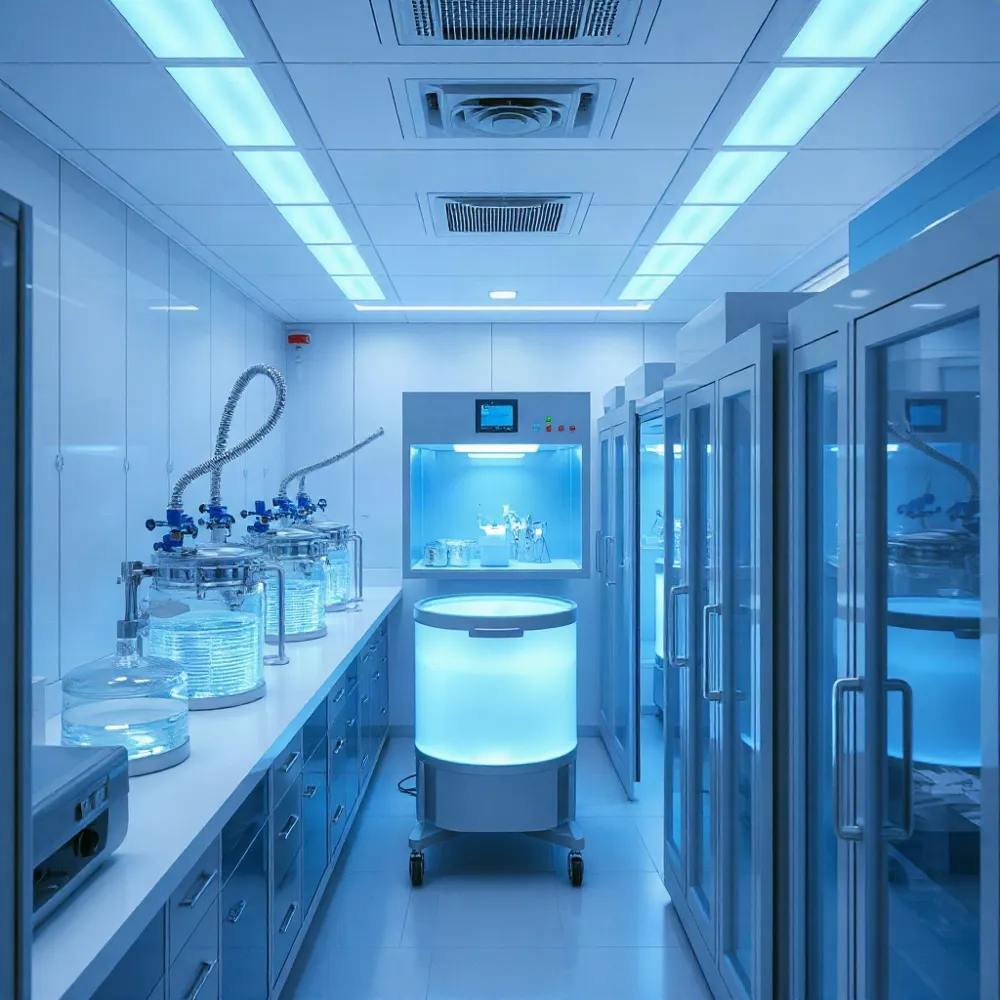
Fertility preservation is not only for women. Men and children also have effective options to protect their ability to build a family later in life, especially when facing medical treatments like cancer that could harm reproductive health.
For men, the most common and reliable method is sperm cryopreservation, or sperm banking. This noninvasive procedure involves collecting a semen sample through masturbation, which is then frozen and stored at a fertility clinic or sperm bank. Samples can remain viable for decades. If a man cannot produce a sample through ejaculation, providers can help using medication, vibratory stimulation, or electroejaculation while under sedation.
Another option for men is testicular tissue freezing. This approach removes a small sample of testicular tissue, which may contain sperm, and freezes it for future extraction. It is particularly useful when no sperm is present in the semen.
Children diagnosed with cancer or other conditions that threaten fertility also have preservation options. The available methods depend on whether the child has reached puberty.
For adolescents who have gone through puberty, fertility preservation options mirror adult procedures. Girls can undergo egg or embryo cryopreservation, which involves ovarian stimulation and egg retrieval. Boys can bank sperm. Both processes require parental consent, and children old enough to understand must also agree to the procedure.
For children who have not yet started puberty, the primary option is ovarian tissue cryopreservation for girls and experimental testicular tissue cryopreservation for boys. Ovarian tissue freezing involves surgically removing and freezing strips of ovarian tissue that contain immature eggs. After treatment, the tissue can be thawed and reimplanted, potentially restoring natural hormone function and fertility. Testicular tissue freezing in prepubertal boys is still under investigation and is considered experimental.
Radiation shielding is another method that can protect reproductive organs in both sexes during cancer treatment. Small lead shields are placed over the testicles or ovaries to reduce radiation exposure. However, this technique cannot be used if radiation must be directed at both organs.
Cryopreservation is a laboratory technique that freezes and stores embryos, eggs, or sperm at sub-zero temperatures, keeping them viable for future use. In IVF, it allows patients to preserve extra embryos created during a treatment cycle. When the patient is ready, the frozen embryos can be thawed and transferred to the uterus. The technique is also widely used for fertility preservation by individuals facing cancer treatment, those with health conditions that affect fertility, or anyone who wishes to delay childbearing.
Modern cryopreservation relies on a process called vitrification, an ultra-rapid freezing method. During vitrification, the water inside the cells is replaced with a cryoprotectant solution, and the sample is flash-frozen in liquid nitrogen at a rate of more than 10,000 degrees per minute. This prevents the formation of ice crystals, which can damage cell membranes and destroy the embryo. Older slow-freezing methods have largely been replaced by vitrification because of its superior survival rates.
Once frozen, embryos and eggs are stored in labeled containers submerged in liquid nitrogen tanks at around -320°F (-196°C). At this temperature, all biological activity stops, and the cells remain suspended in time. Quality embryology labs employ 24/7 monitoring systems with alarms and manual temperature checks to ensure safe storage. Extended storage periods — even a decade or more — have no apparent effect on the viability of the samples.
Survival after thawing is a critical measure of success. With vitrification, over 95% of frozen embryos survive the thawing process, according to Johns Hopkins Medicine. Egg survival rates with vitrification range from 85% to 90%, a significant improvement over earlier methods. After thawing, viable embryos are transferred in a frozen embryo transfer (FET) cycle, and many fertility centers report pregnancy success rates comparable to — and sometimes higher than — those achieved with fresh embryos.
At Raveco Medical, the fertility team uses cryopreservation as part of a comprehensive approach to patient care. Patients preparing for cancer treatment or wishing to preserve their options can discuss the timing of the procedure, expected survival rates based on their age at retrieval, and how many embryos or eggs to store for a reasonable chance of future pregnancy. With modern vitrification technology, cryopreservation has become a reliable and standard part of assisted reproduction.
A woman is born with about 1 to 2 million eggs. By puberty, that number drops to roughly 300,000, and by around age 30, approximately 90% of the original supply is already gone. The remaining reserve continues to shrink, leaving only about 25,000 eggs by age 37.
The most significant acceleration in egg loss and decline in egg quality happens after age 35. While fertility remains reasonably stable through the early 30s, the natural decrease in both egg quantity and chromosomal normality becomes steeper in the mid-to-late 30s. Understanding this timeline helps women make informed decisions about their reproductive health and family planning goals.
Freezing eggs or embryos before this rapid decline occurs gives the best chance of a future pregnancy. Experts widely agree that the optimal window for freezing is in the early to mid-30s, when a woman’s egg quality is still relatively strong. Women under 35 generally see the highest live birth rates per cycle when using frozen eggs, typically around 55%.
Because fertility decreases sharply after 40, and fewer than 20% of eggs are likely to be genetically normal at that point, many specialists recommend completing preservation before age 40. However, success depends most on the age of the eggs at the time they are frozen, not the woman’s age when she later uses them. At raveco.com, a woman-led healthcare provider in Queens, NY, patients can receive a personalized fertility assessment that evaluates ovarian reserve and helps determine the best timing for preservation based on their unique health profile.
For those considering embryo freezing, the same age-related principles apply. The eggs used to create the embryo dictate success. A consultation with a fertility specialist, including ovarian reserve testing, can provide a clear picture of an individual’s reproductive timeline and guide the most effective preservation plan.
Related reading: Age and Fertility: Key Facts covers the natural decline in egg quantity and quality with age.
The egg freezing process, also called oocyte cryopreservation, begins with an initial consultation and ovarian reserve testing. Your doctor will review your medical history, perform a pelvic ultrasound to count antral follicles, and run bloodwork to measure hormone levels. These tests help predict how many mature eggs your ovaries may produce during stimulation, allowing your care team to tailor the treatment plan to your individual needs.
Once your cycle is scheduled—often after 2–3 weeks of birth control pills to synchronize your follicles—you will begin daily self-administered hormone injections for 10–12 days. These medications stimulate your ovaries to develop multiple follicles (fluid-filled sacs where eggs grow). During this phase, you will have 6–9 monitoring appointments for bloodwork and transvaginal ultrasounds to track follicle size and estrogen levels. When the follicles reach the optimal size, a trigger injection is given to mature the eggs, with retrieval scheduled about 36 hours later.
Egg retrieval is a brief outpatient procedure performed under light sedation (twilight anesthesia) that takes about 20–30 minutes. Using ultrasound guidance, the doctor passes a thin needle through the vaginal wall to aspirate fluid containing eggs from each follicle. Patients typically feel no pain during the procedure and can go home after about 30 minutes of recovery, though some experience temporary cramping, bloating, or spotting similar to mild period pain for a day or two.
After retrieval, the lab identifies mature eggs and freezes them using vitrification, a rapid cooling method that converts cells into a glass-like state at -321°F (-196.1°C) using liquid nitrogen. This technique prevents ice crystal formation that could damage egg structure. Frozen eggs are stored in secure tanks with 24/7 monitoring systems. At Raveco Medical, we ensure that your eggs are preserved in state-of-the-art conditions, with experienced embryologists overseeing the entire cryopreservation process. When you are ready to conceive, the eggs are thawed, fertilized via IVF (often with intracytoplasmic sperm injection), and the resulting embryo is transferred to the uterus.
The number of eggs retrieved varies based on age and ovarian reserve. Women under 35 may retrieve 10–15 eggs on average, while those over 38 often retrieve 5–8. Many experts suggest freezing 15–20 mature eggs for a reasonable chance of future pregnancy. If fewer eggs are retrieved, your specialist may recommend a second cycle to build an adequate supply. The process from starting birth control to egg retrieval typically takes 4–6 weeks, though the stimulation phase itself lasts about 10–12 days. Common side effects include bloating, breast tenderness, and mood changes from hormone medications. Rare risks include ovarian hyperstimulation syndrome (OHSS), which causes swollen, painful ovaries and requires medical attention.
Freezing your eggs does not reduce your natural fertility or ovarian reserve—it simply stores healthy eggs for future use. Your body continues its normal menstrual cycle after the procedure. For many patients, the peace of mind that comes from having preserved their reproductive potential is a powerful motivator. A consultation with a fertility specialist at Raveco can help you understand your personal ovarian reserve, expected outcomes, and a tailored timeline, ensuring you feel supported and informed at every step.
Embryo freezing (cryopreservation) preserves fertilized eggs for future use. The process begins with ovarian stimulation and egg retrieval, identical to the steps in standard in vitro fertilization (IVF). After retrieval, mature eggs are fertilized with sperm from a partner or donor, either through conventional insemination or intracytoplasmic sperm injection (ICSI). The resulting embryos are then monitored in the lab for several days before being frozen.
Freezing stage. Embryos are typically frozen either at the cleavage stage (4–8 cells, about 72 hours after fertilization) or at the blastocyst stage (200–300 cells, 5–7 days later). Freezing at the blastocyst stage allows for better selection of viable embryos before storage.Vitrification vs. slow freezing. Vitrification, the modern standard, flash-freezes embryos in liquid nitrogen at -321°F (-196.1°C) using a cryoprotectant to prevent ice crystal formation. Slow freezing, an older method that cools embryos gradually over two hours, is now used less often due to lower survival rates. Vitrification achieves a survival rate of up to 98 percent.Storage and thawing. Frozen embryos are stored in labeled containers in liquid nitrogen tanks. When the patient is ready for pregnancy, the embryo is slowly thawed, the cryoprotectant is removed, and it is transferred into the uterus. Frozen embryos remain at the biological age at which they were frozen and can be safely stored for over 20 years.
People often choose embryo freezing over egg freezing because embryos provide more information about their potential for success — they have already been fertilized and can be assessed for quality before storage. Embryos also survive the freezing and thawing process at a higher rate than eggs, which can offer greater reassurance. For couples or individuals using a known sperm source, freezing embryos simplifies future plans by combining genetic material upfront.
The main downsides of freezing embryos are procedural and personal. The process requires hormone injections and an egg retrieval, which carry physical risks such as ovarian hyperstimulation syndrome. Financially, costs for stimulation, retrieval, and storage can be significant. Emotionally, freezing embryos requires a decision about the disposition of any unused embryos, which can be difficult for some patients. Most studies show no significant increase in major birth defects or congenital disabilities in pregnancies resulting from frozen embryo transfers, and outcomes research indicates lower rates of preterm birth and low birth weight compared to fresh transfers.
For patients considering this path, specialized care can make a difference. Raveco’s team in Queens, NY, offers personalized fertility consultations that review your goals and health history so you can choose the approach that fits your family-building timeline.
Fertility preservation and in vitro fertilization (IVF) are related but distinct procedures. Fertility preservation is the process of freezing and storing eggs, sperm, or embryos for future use. IVF is a specific assisted reproductive technology that involves fertilizing an egg with sperm in a laboratory to create an embryo, which is then transferred to a uterus to achieve pregnancy.
IVF plays a specific role within the broader category of fertility preservation. When a person chooses to freeze embryos, the process involves ovarian stimulation, egg retrieval, and fertilization via IVF before the resulting embryo is cryopreserved. This is one of the most established methods of fertility preservation and is commonly recommended when a partner or donor sperm is available.
However, fertility preservation itself is a much larger umbrella. It includes egg freezing(oocyte cryopreservation), where unfertilized eggs are stored, and sperm banking, where sperm samples are frozen for later use. These methods do not involve IVF at the time of preservation. Instead, IVF is one potential way to use those preserved cells in the future when the individual is ready to pursue pregnancy.
For example, a woman who freezes her eggs at age 32 may later decide to have those eggs thawed and fertilized through IVF when she wants to conceive. The initial egg freezing step was fertility preservation; the subsequent IVF step is the treatment that attempts to achieve pregnancy. Both steps are common at a clinic like raveco.com, which offers comprehensive support for the full journey from preservation through family building.
Fertility preservation also includes methods that do not involve egg or embryo freezing at all. For men, sperm banking is a straightforward, noninvasive option. For individuals facing certain medical treatments,ovarian tissue freezing or testicular tissue freezing can preserve reproductive potential even before puberty. These options fall under the category of fertility preservation but do not require IVF to be performed unless the preserved tissue is later used for conception.
For patients whose cancer treatment must start urgently, ovarian tissue cryopreservation can be an effective option, as it does not require the hormone stimulation needed for egg retrieval. After treatment, the thawed tissue can be surgically reimplanted to restore hormone function and potentially allow natural conception or IVF.
| Aspect | Fertility Preservation | IVF |
|---|---|---|
| Purpose | Store eggs, sperm, or embryos for future use | Achieve pregnancy by fertilizing eggs and transferring embryos |
| Timing | Performed before fertility-threatening treatment or age-related decline | Performed when ready to attempt pregnancy |
| Procedures | Egg freezing, sperm banking, embryo freezing, tissue freezing | Ovarian stimulation, egg retrieval, fertilization, embryo transfer |
| Outcome | Viable reproductive material in storage | Pregnancy or live birth (varies by age and health) |
In summary, fertility preservation is the broad act of saving your reproductive options, while IVF is one specific tool used to realize those options later. Many people at raveco.com pursue fertility preservation without immediately needing IVF, and IVF may be used without prior preservation if fertility is still intact. Understanding this difference helps individuals make informed decisions about their reproductive health and family planning goals.
When a cancer diagnosis arrives, decisions about treatment often move fast. A single session of chemotherapy or radiation can damage fertility, sometimes permanently. That is why oncofertility coordination exists to align the oncology and fertility teams before therapy begins. The American Society for Reproductive Medicine (ASRM) urges that all patients facing gonadotoxic therapies receive prompt counseling about their preservation options, ideally before starting treatment.
Surprisingly, many oncologists do not routinely raise the topic. A Livestrong review notes that the majority of oncologists do not discuss fertility with at-risk patients. Patients should feel empowered to start the conversation themselves. At Raveco Medical, the care team works closely with patients to coordinate these discussions, helping to connect them with a reproductive endocrinologist as soon as a treatment plan is established.
The available methods depend on the type of cancer, the treatment regimen, and the time window before therapy begins. The most common approaches include:
Embryo cryopreservation — eggs are harvested, fertilized with sperm, and the resulting embryos are frozen. Survival rates after freezing and thawing can reach up to 95%. The process takes several weeks. Egg cryopreservation (oocyte cryopreservation) follows the same stimulation and retrieval steps but freezes unfertilized eggs, with a survival rate of up to 85%. This option is often chosen when no partner or sperm donor has been identified.
For patients whose treatment must start immediately, ovarian tissue cryopreservation provides an alternative that does not require ovarian stimulation. A surgeon removes part or all of an ovary, freezes the tissue, and later reimplants it after treatment. This is also the only fertility preservation method available for pre-pubertal girls. Many patients also benefit from ovarian transposition (surgically moving the ovaries out of the radiation field) or radiation shielding with protective lead devices.
For men, sperm cryopreservation (sperm banking) is a straightforward, noninvasive option that can be completed in a few days. Testicular tissue freezing is available when sperm is not present in the semen.
Patients sometimes worry that fertility preservation could compromise their cancer treatment. Current research finds no evidence that these methods interfere with the effectiveness of cancer therapies. A 2020 study demonstrated that undergoing fertility preservation before breast cancer treatment did not negatively affect disease-free survival. However, delaying the start of cancer treatment to complete preservation procedures could compromise outcomes, which is why coordination with the oncology team is essential.
There appears to be no increased risk of cancer recurrence associated with most preservation methods, though reimplanting frozen ovarian tissue may reintroduce cancer cells depending on the type, location, and stage of cancer. Patients should discuss this specific risk with their care team. For most individuals, children conceived after cancer treatments do not have a higher risk of health issues or inherited cancer, aside from any hereditary genetic predispositions.
After completing cancer therapy, healthcare professionals typically recommend waiting 2 to 5 years before attempting pregnancy. The first two years carry the highest risk of cancer recurrence, and the extra time allows reproductive organs to recover from treatment. Waiting is particularly important after breast cancer because pregnancy-related hormones may stimulate breast cancer cell growth. If treatment affected the heart, lungs, or included pelvic radiation, a pre-pregnancy consultation with a specialist is strongly advised.
Fertility preservation is expensive. A single egg freezing cycle can cost $10,000 or more, plus annual storage fees. Many insurance plans do not cover these services, although some states require coverage when a cancer diagnosis is involved. Several organizations offer grants to help offset the costs: Livestrong Fertility provides financial assistance for banking sperm, eggs, or embryos; The Chick Mission offers urgent grants to women newly diagnosed with cancer; and the Heart Beat Program supplies free medications for eligible patients.
Patients should ask their fertility clinic's financial counselor about available programs early in the process. Raveco Medical's team can assist in identifying grant opportunities and navigating insurance pre-authorization steps to reduce out-of-pocket expenses.
Fertility preservation involves a range of costs that can add up depending on the method chosen, the number of cycles needed, and ongoing storage fees. Understanding the breakdown helps you plan realistically for your journey.
The egg freezing process cost includes ovarian stimulation, egg retrieval, lab processing, and initial vitrification. A single cycle typically falls between $5,000 and $12,000, with medications adding another $3,000 to $7,000. Many patients undergo more than one cycle to reach their desired number of eggs, and over 20% complete a third cycle, significantly increasing total costs. Annual storage fees for keeping your eggs frozen range from $500 to $1,000. If you later decide to use your frozen eggs, you should also budget for thawing, fertilization, and embryo transfer, which can add approximately $10,000. Overall, a comprehensive egg freezing journey can range from a single-cycle cost to tens of thousands of dollars depending on individual needs and location.
Embryo freezing costs vary depending on the clinic and location, but you can typically expect to pay between $15,000 and $20,000 for a single cycle, which includes ovarian stimulation, egg retrieval, fertilization, and the initial freezing of the embryos. Medications can add an additional $3,000 to $5,000, and annual storage fees range from $500 to $1,000 per year. If you later decide to use a frozen embryo, a frozen embryo transfer procedure can cost another $4,000 to $9,000. It is important to ask your clinic for a detailed breakdown of costs, as some bundle services while others itemize each step.
Insurance coverage for egg preservation varies widely depending on your state, employer, and specific health plan. Some states, including New York, have laws requiring certain insurance plans to cover fertility preservation, particularly for medical reasons such as a cancer diagnosis [./treatment-options-for-infertility-what-you-need-to-know#financial-aspects-treatment-challenges-and-choosing-a-fertility-clinic]. However, for elective or non-medical egg freezing, coverage is often limited or not included. It is essential to review your individual policy and contact your insurance provider directly to understand your benefits.
When insurance leaves gaps, several financing options and grants can help lower the financial barrier. Organizations like Livestrong Fertility provide financial assistance to people with cancer for preserving eggs, embryos, or sperm [https://livestrong.org/resources/fertility-preservation-options-for-women/]. Many clinics offer payment plans or discounts for medically necessary preservation. At Raveco, we are committed to helping you navigate these options and provide personalized guidance on your fertility journey.
| Method | Typical Cost Per Cycle | Annual Storage Fee | Additional Notes |
|---|---|---|---|
| Egg freezing | $5,000 – $12,000 + $3,000–$7,000 meds | $500 – $1,000 | Thawing and transfer add ~$10,000 |
| Embryo freezing | $15,000 – $20,000 | $500 – $1,000 | FET adds $4,000 – $9,000 |
| Ovarian tissue freezing | $10,000 (surgery) | $300 – $500 | Experimental; limited live births |
| Sperm freezing | $300 – $1,000 (collection) | $100 – $300 | Noninvasive; minimal cost |
Fertility preservation offers many paths forward, from egg and embryo freezing to ovarian tissue cryopreservation. The right choice depends on your health history, timeline, and personal goals — but timing is important. Acting early, ideally before medical treatments or well before age 37, gives you the widest range of options.
While no method can guarantee a future pregnancy, preserving eggs, sperm, or embryos significantly improves your chances compared to not preserving at all. Financial help exists through grants like those from Livestrong Fertility and state insurance mandates for cancer patients.
The next step is a conversation with a fertility specialist who can assess your ovarian reserve, review your medical situation, and build a plan tailored to you. At Raveco, we provide personalized, compassionate guidance to help you make informed decisions about your reproductive future. Schedule a consultation to discuss your goals and begin the process on your terms.

.png)
%201.png)
Compassionate care for every stage of womanhood. Visit one of our convenient locations or book your appointment online today.