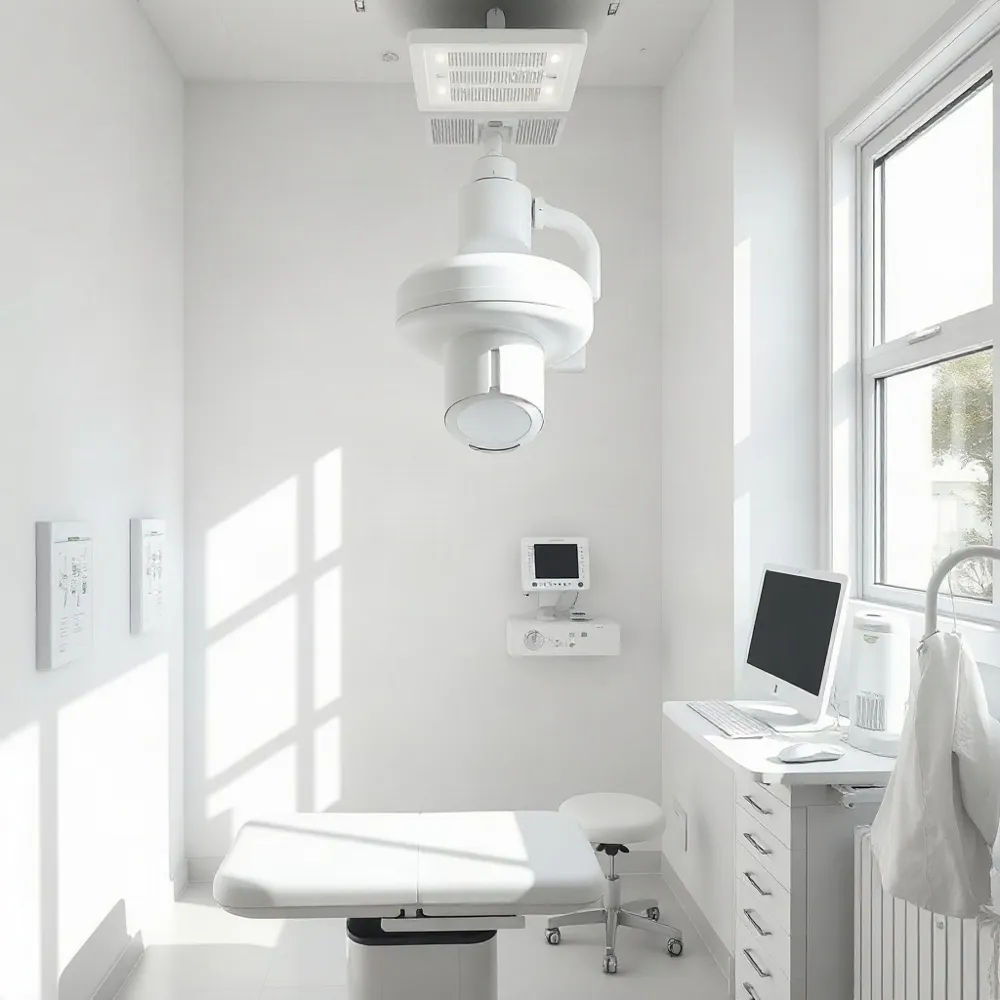
Inside Hysteroscopy: What Patients Should Know
Understanding Hysteroscopy: A Closer Look at Uterine Health
Inside Hysteroscopy: What Patients Should Know
Follow us here:



Infertility is medically defined as the inability to conceive after one year of regular, unprotected intercourse. For women aged 35 or older, this evaluation period shortens to six months due to the natural decline in fertility with age. In the United States, approximately one in five women aged 15 to 49 struggle with primary infertility (never having conceived), while about one in twenty women face secondary infertility (difficulty conceiving after a previous pregnancy).
Couples are encouraged to seek fertility evaluation if pregnancy has not been achieved after one year of trying, or after six months if the woman is 35 years or older. Early medical consultation is especially important if there are known risk factors such as irregular menstrual cycles, history of pelvic inflammatory disease, endometriosis, or male factors like low sperm count.
Fertility naturally decreases with age, notably after 30 years for women, with conception chances reducing each cycle from approximately 20% under age 30 to less than 10% by age 40. The male partner's fertility also declines, typically after age 40 to 45. Early assessment allows for timely identification and treatment of underlying causes, improving the chances of conception and reducing emotional and financial burdens during fertility treatments.
Prompt evaluation includes detailed medical history, physical examinations, hormone testing, and imaging studies for women, alongside semen analysis and hormonal assessments for men. Engaging healthcare providers early enhances the opportunity for a personalized treatment plan, addressing the couple's unique reproductive health needs with appropriate interventions.

Fertility treatment options cover a spectrum from basic to advanced, designed to fit individual needs and causes. Basic treatments often start with ovulation induction, using medications such as Clomiphene or Letrozole to encourage the release of eggs. Another fundamental approach is intrauterine insemination (IUI), where prepared sperm is directly inserted into the uterus around ovulation to enhance the chance of fertilization.
For more complex or persistent fertility challenges, surgical treatments for infertility may address structural problems like blocked fallopian tubes, uterine fibroids, or endometriosis. Advanced procedures include in vitro fertilization (IVF), which entails fertilizing eggs outside the body before transferring embryos to the uterus.
Further specialized techniques include intracytoplasmic sperm injection (ICSI)—injecting a single sperm into an egg—preimplantation genetic testing (PGT) to detect chromosomal issues, and fertility preservation methods such as egg freezing. Third-party reproduction using donor eggs, sperm, embryos, or gestational carriers also broadens opportunities for conception, particularly in cases of severe infertility or same-sex couples.
Treatment choices depend largely on the identified cause and may involve one or both partners. Common medical treatments employ hormonal medications to regulate or stimulate ovulation, improving pregnancy rates. Surgical interventions may be necessary to correct reproductive tract abnormalities or remove disease tissue.
Assisted reproductive technologies (ART) provide a range of options: IUI is a less invasive, more affordable procedure placing sperm directly in the uterus, while IVF is a more involved lab-based fertilization technique offering higher success rates. Additional ART approaches include using donor gametes and cryopreservation (freezing of eggs, sperm, or embryos), which can improve flexibility and outcomes.
Lifestyle factors such as maintaining a healthy weight, balanced nutrition, avoiding tobacco and excessive alcohol, and managing stress can play a crucial role in improving fertility outcomes. Early evaluation with a comprehensive gynecological exam, hormone testing, and reproductive imaging helps pinpoint the causes of infertility, guiding tailored treatment strategies.
These initial assessments also include medical history from both partners to detect hormonal imbalances, structural issues, or genetic risks. Collaboration with specialized reproductive endocrinologists ensures personalized care that incorporates medical, surgical, and lifestyle interventions to optimize the chance of successful conception and healthy pregnancy.

Advanced fertility treatments, collectively known as assisted reproductive technology (ART), involve medical procedures that manipulate eggs, sperm, or embryos to aid conception. The most widely utilized and effective form of ART is in vitro fertilization (IVF). During IVF, mature eggs are retrieved from the ovaries and fertilized with sperm in a laboratory setting. The resulting embryos are then transferred into the uterus to facilitate pregnancy. These treatments may utilize reproductive cells from the individuals themselves or from donors, and in some cases, gestational carriers may be involved to carry the pregnancy.
Intracytoplasmic sperm injection (ICSI) is an advanced IVF technique where a single sperm is directly injected into an egg to maximize fertilization chances. This method is particularly beneficial for male infertility issues such as low sperm count, poor motility, or prior fertilization failures with conventional IVF. After the injection, the fertilized embryo is cultured before implantation. ICSI has fertilization success rates ranging from approximately 50% to 80%, offering hope to couples facing severe sperm-related infertility.
Beyond basic IVF, advanced methods enhance treatment outcomes. Preimplantation Genetic Testing (PGT) allows screening of embryos for chromosomal abnormalities or genetic disorders before implantation, increasing the likelihood of healthy pregnancies. Frozen Embryo Transfer (FET) utilizes embryos that were previously cryopreserved, allowing better timing and uterine preparation for transfer. Additional techniques include blastocyst culture, assisted embryo hatching, and embryo scope time-lapse imaging to improve embryo viability and selection.
Artificial intelligence in infertility treatment and automation technologies are revolutionizing IVF by improving personalization and efficiency. AI assists in tailoring ovarian stimulation protocols, optimizing hormone dosing, and enhancing egg quality. It also aids in embryo selection through time-lapse imaging combined with data on maternal age and embryo development, which improves implantation success rates. Robotic systems and microfluidics enhance laboratory accuracy and consistency, while automated cryopreservation ensures safe embryo storage. These innovations aim to reduce treatment cycles and costs while raising success rates.
Fertility preservation techniques like egg freezing (oocyte cryopreservation) allow individuals to store viable eggs for future use, which is especially important for those delaying childbearing or undergoing treatments harmful to fertility (e.g., chemotherapy). Sperm and embryo freezing are also common preservation techniques. While sperm can remain viable indefinitely when frozen, eggs and embryos typically maintain viability for 5 to 10 years. These preservation options provide more flexibility and control over reproductive planning.

Female infertility treatments are diverse and depend on the underlying cause. Medical approaches often begin with fertility medications like clomiphene citrate and letrozole, which stimulate the ovaries to release eggs, especially in cases of ovulatory disorders such as polycystic ovary syndrome (PCOS).
When structural or anatomical issues are involved—such as fibroids, endometriosis, or blocked fallopian tubes—surgical treatments for infertility may be required. Procedures such as laparoscopy or hysteroscopy can correct these problems and improve fertility outcomes.
Assisted reproductive technologies (ART) provide further options. Intrauterine insemination (IUI) involves placing prepared sperm directly into the uterus to facilitate fertilization during ovulation. In vitro fertilization (IVF) takes fertilization outside the body by retrieving eggs and sperm, fertilizing eggs in a lab, and transferring resulting embryos back into the uterus.
Additional strategies may include hormonal treatments for fertility, egg freezing for fertility preservation, and third-party reproduction techniques like donor eggs or surrogacy when necessary.
Treatment options for male infertility target the specific causes, ranging from hormonal issues to physical abnormalities. Medications can address hormonal imbalances or infections that impair sperm production or function.
Surgical treatments including varicocele repair or correction of reproductive tract blockages may improve sperm quality and delivery.
For fertility assistance, intrauterine insemination (IUI) is utilized when sperm counts or motility are moderately reduced. More advanced assisted reproductive technologies (ART) include in vitro fertilization (IVF) combined with intracytoplasmic sperm injection (ICSI), where a single sperm is directly injected into an egg, enhancing fertilization especially in severe male factor infertility.
In cases with extremely poor sperm quality or absence of sperm, surgical sperm retrieval methods (e.g., testicular sperm extraction) are employed. Donor sperm may be considered if these methods are unsuccessful.
A thorough fertility evaluation of both partners is essential to identify causes of infertility effectively. This evaluation often includes medical history, hormone testing, imaging, and semen analysis.
Based on these findings, fertility specialists design personalized treatment plans tailored to the individual's circumstances, health status, and reproductive goals. Such plans optimize treatment efficacy while minimizing physical, emotional, and financial burdens.
Collaboration between healthcare providers including OB/GYNs, reproductive endocrinologists, and urologists ensures comprehensive care addressing both female and male factors, thereby maximizing the chances of successful conception and pregnancy.

A comprehensive gynecological exam includes a detailed medical and reproductive history review followed by a physical assessment of overall health. This exam entails checking vital areas such as the heart, lungs, abdomen, reflexes, and more. A clinical breast exam is performed to detect lumps or abnormalities.
The pelvic exam involves visual and physical evaluation of the vulva, vagina, cervix, uterus, ovaries, and fallopian tubes. A speculum is used to examine vaginal walls and the cervix. During this visit, a Pap smear is often conducted for cervical cancer screening, sometimes accompanied by HPV testing. Additional tests like blood work or urine analysis may be ordered according to individual health needs. This thorough evaluation also allows for discussions on sexual health, contraception, menopausal concerns, and any reproductive system issues. For more information, see Comprehensive obstetrics and gynecology services and Trusted OB/GYN care in Chinatown & Flushing.
Emotional well-being during infertility treatment is crucial. Coping strategies include educating oneself about common emotional responses and treatment options, which helps reduce anxiety and fosters empowerment.
Open communication with partners and close friends prevents feelings of isolation and addresses different emotional responses. Practicing relaxation techniques such as meditation, deep breathing, or progressive muscle relaxation can lower stress levels.
Maintaining overall health through balanced nutrition, regular exercise, and adequate rest supports emotional resilience. Seeking professional counseling or participating in support groups provides a valuable outlet for expressing emotions and gaining peer support during the challenging journey of infertility. Helpful resources include Coping with infertility and National Infertility Association.
Insurance coverage for gynecological services varies by plan. Since obstetrician-gynecologists (OBGYNs) are specialists, some insurance policies may impose higher copayments, deductibles, or coinsurance compared to primary care.
Commonly covered services often include annual pelvic exams, Pap smears, contraception counseling, and prenatal care, but coverage specifics differ widely. Patients are encouraged to review their insurance details or contact their providers to clarify coverage and anticipate any out-of-pocket expenses.
In areas like Queens, NY, verifying insurance benefits in advance helps patients access personalized and comprehensive obstetrics and gynecology care without unexpected financial burdens. For details, see OBGYN comprehensive care in Queens, NY and Women's Care OBGYN Services.
Personalized consultations ensure that care plans address each patient’s unique medical history, reproductive goals, and preferences. Multidisciplinary teams, including board-certified obstetrician-gynecologists, nurse practitioners, and reproductive endocrinologists, collaborate to provide holistic care.
This approach enhances diagnosis accuracy, tailors treatment options, and supports emotional and physical health throughout the reproductive journey. Integrating lifestyle counseling, diagnostic testing, and advanced treatments facilitates better patient outcomes and satisfaction. More on this can be found at Comprehensive obstetrics and gynecology services and Mayo Clinic Department of Obstetrics and Gynecology.
This comprehensive approach to gynecological care and supportive services reflects best practices in women's health, emphasizing individualized attention, emotional support, and attention to insurance access for optimal patient experience.
Each individual's fertility journey is unique, requiring a tailored approach to diagnosis and treatment. Personalized care plans consider factors such as age, medical history, specific infertility causes, and personal preferences to optimize outcomes. This individualized strategy minimizes unnecessary procedures while addressing the underlying issues effectively.
Access to compassionate, expert care is vital. Women-led and specialty-focused healthcare providers, such as board-certified OB/GYNs and reproductive endocrinologists, offer comprehensive fertility services. Their expertise ensures care that respects both medical and emotional needs, supporting patients through every stage of fertility evaluation and treatment.
Seeking medical consultation promptly—especially after 6 to 12 months of trying to conceive depending on age—can improve treatment success. Early evaluation enables timely intervention addressing complex causes. Ongoing support, including multidisciplinary teams and community resources, fosters empowerment, helping individuals and couples navigate their fertility journey with confidence and hope.

.png)
%201.png)
Compassionate care for every stage of womanhood. Visit one of our convenient locations or book your appointment online today.