
When Menopause Starts Affecting Everyday Life
When Menopause Symptoms Disrupt Your Daily Life
When Menopause Starts Affecting Everyday Life
Follow us here:


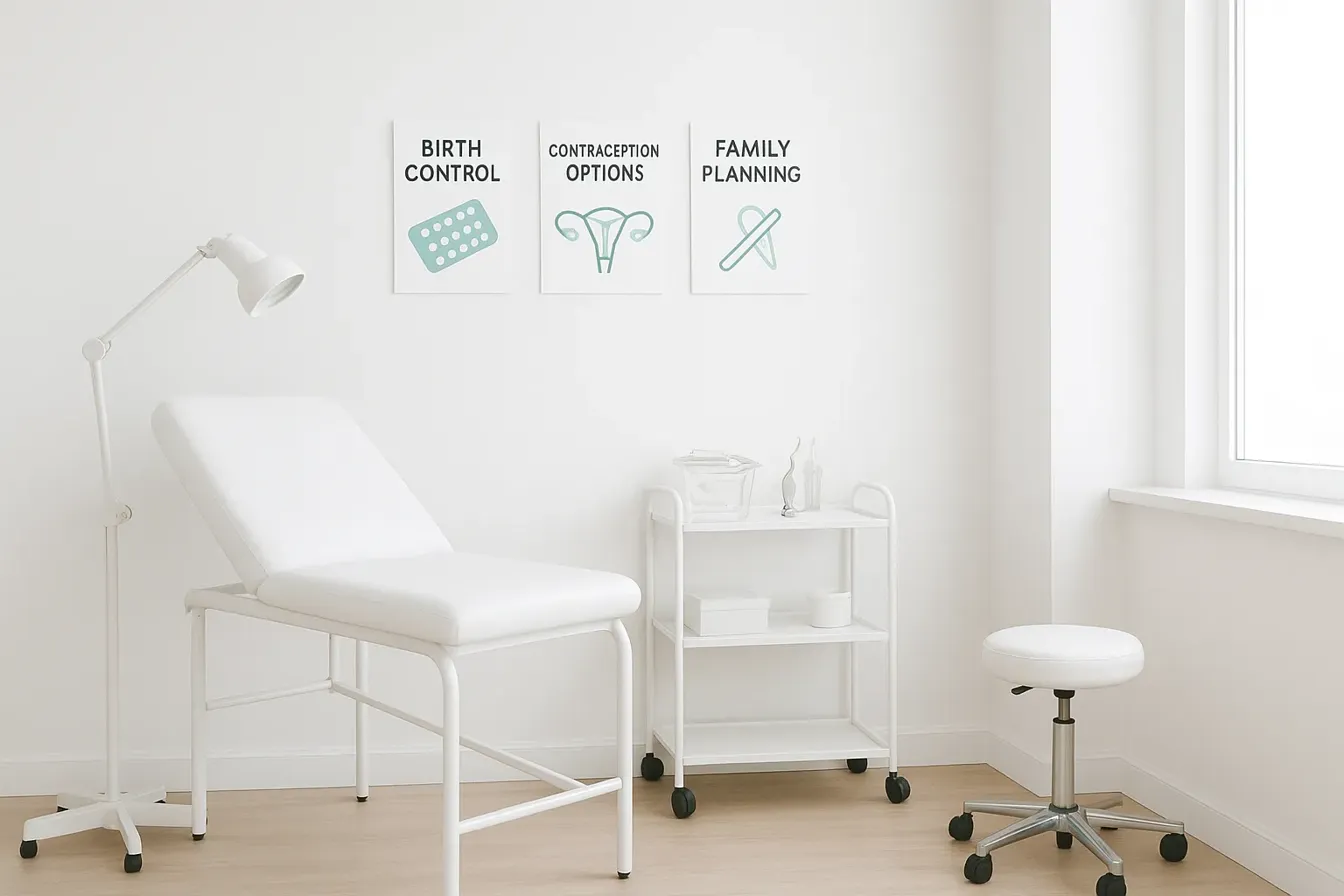
Birth control counseling, also known as contraceptive counseling, is a healthcare process where medical professionals provide comprehensive information and guidance about various contraceptive methods. This personalized interaction supports individuals in making informed, voluntary choices aligned with their unique health status, lifestyle, and reproductive goals.
The primary goal is to ensure patient autonomy and satisfaction by discussing method effectiveness, safety, side effects, reversibility, accessibility, and any additional benefits beyond pregnancy prevention, such as menstrual regulation or treatment of conditions like endometriosis and PCOS.
Counseling also aims to foster trust through respectful, patient-centered communication that recognizes historical inequities in reproductive care, particularly for marginalized groups. Providers practice shared decision-making, combining clinical expertise with patients' values and preferences to find the best fit.
Counseling typically covers three broad categories:
Emergency contraception options and dual protection for STI prevention (primarily condoms) are also discussed to ensure comprehensive care.
This tailored counseling empowers patients to select, start, continue, or discontinue contraception in a voluntary and informed manner, enhancing reproductive health outcomes and overall well-being.

Contraceptive counseling is a personalized process where healthcare providers educate, guide, and support individuals or couples about the variety of birth control methods available. The purpose is to help patients make well-informed decisions tailored to their unique health needs, lifestyle, and family planning goals. This process involves discussing the effectiveness, benefits, potential side effects, and proper usage of different contraceptive options—including pills, intrauterine devices (IUDs), implants, and barrier methods. It also addresses prevention of sexually transmitted infections and dispels myths or concerns that patients may have.
This counseling is crucial because it empowers patients to choose contraceptive methods that align with their own values, preferences, and life circumstances, fostering reproductive autonomy. Incorporating a reproductive justice framework, providers recognize and address historical and ongoing inequities and biases, ensuring the counseling process minimizes coercion and respects patient choice. Beyond preventing pregnancy, contraceptive counseling supports individuals in achieving their reproductive goals—whether they seek to delay, space, or plan pregnancies.
Through a patient-centered, shared decision-making approach, contraceptive counseling builds trust and creates a supportive environment. It provides equitable access to information and to a full range of effective methods, such as highly effective long-acting reversible contraception (LARC). Ultimately, high-quality counseling fosters informed, voluntary decisions and enhances overall personalized women’s healthcare.

Patient-centered contraceptive counseling focuses on respecting and responding to each patient's unique reproductive goals, values, and preferences. It is a personalized process where healthcare providers engage in a collaborative dialogue with patients to explore contraceptive options that best suit their lifestyle and health needs.
This counseling prioritizes informed, voluntary choice and autonomy. Providers avoid coercion and undue influence and ensure that discussions are free from bias. It involves providing comprehensive, evidence-based information about all medically appropriate contraceptive methods, including effectiveness, side effects, reversibility, and accessibility.
A fundamental element is the shared decision-making approach. In this model, clinicians contribute their medical expertise, while patients share their values and preferences. Together, they make decisions that align with the patient's reproductive intentions and personal circumstances, promoting trust and satisfaction.
Counselors actively recognize and mitigate personal implicit or explicit biases that might otherwise sway care. Respecting reproductive autonomy means honoring patients’ rights to start, switch, or discontinue contraception without barriers or pressure from providers.
Acknowledging the history of reproductive injustices, particularly towards marginalized communities, is critical. This awareness informs a reproductive justice framework that guides respectful care, fostering improved trust and equity in contraceptive counseling.
Patient-centered counseling leads to empowered patients making informed choices, improved satisfaction with contraception, and better alignment of birth control methods with individual life circumstances and health goals.

Choosing the right birth control methods involves several personalized considerations. First, think about your future fertility plans. Some methods, like short-acting hormonal or barrier methods, allow for quick return to fertility after discontinuation, while long-acting methods such as implants (progestin rod) or intrauterine devices (IUDs) provide prolonged pregnancy prevention and require provider removal.
Bleeding preferences are also important. Some contraceptives regulate menstruation and reduce cramps or bleeding, such as combined oral contraceptives (the pill) and hormonal birth control methods. Others may cause irregular spotting or temporarily stop periods, which can be a welcome benefit or an unwanted side effect depending on individual preference.
Your health status must be taken into account as well. Certain hormonal methods may be contraindicated in individuals with conditions like migraines with aura or uncontrolled hypertension. Reviewing your medical history with a healthcare provider can help identify safe options as outlined in Patient-centered contraceptive counseling.
Convenience and lifestyle factors, including frequency of dosing (daily pills, monthly rings, quarterly injections, or long-acting implants) and privacy considerations, influence method suitability. Cost and insurance coverage are practical considerations, as costs vary widely among methods.
Noncontraceptive benefits of contraceptive methods should not be overlooked. Some methods improve acne, reduce menstrual pain, and manage symptoms of disorders such as polycystic ovary syndrome or endometriosis.
Lastly, cultural, religious beliefs, and personal values influence method acceptability and adherence.
Personalized contraceptive counseling with a healthcare provider is essential to align method choice with your unique health profile, lifestyle, and reproductive goals, ensuring an informed and satisfying decision.

There are several common types of birth control methods, each designed to meet different needs and preferences:
Hormonal Methods: These include daily pills, weekly patches, monthly vaginal rings, quarterly injections (shots), implants placed under the skin that last for years, and hormonal intrauterine devices (IUDs). These methods work primarily by preventing ovulation, thickening cervical mucus to block sperm, or altering the uterine lining to prevent implantation.
Non-Hormonal Methods: These consist of the copper IUD, which can provide long-term contraception without hormones, and barrier methods like male and female condoms, diaphragms, and spermicidal gels or sponges. Fertility awareness methods involve tracking menstrual cycles to identify fertile periods and abstaining or using barriers during those times.
Permanent Methods: For individuals seeking long-term or permanent prevention of pregnancy, tubal ligation (commonly known as "tying tubes") surgically blocks fallopian tubes, and vasectomy prevents sperm from being present in semen through an outpatient procedure.
Emergency Contraception: This is used after unprotected sex or contraceptive failure and includes emergency contraceptive pills available over the counter or by prescription, as well as copper IUD insertion within five days of unprotected intercourse for highly effective prevention.
Each method varies in effectiveness, duration, side effects, and reversibility, allowing individuals to choose based on their health, lifestyle, and reproductive goals.

Birth control, especially hormonal contraception types, can influence mental health in diverse ways depending on individual physiology and circumstances. Combined hormonal contraceptives often help stabilize hormone fluctuations, which can reduce mood swings and alleviate symptoms of premenstrual syndrome (PMS) and premenstrual dysphoric disorder (PMDD). These benefits can improve quality of life for many users.
However, some individuals using progestin-only methods—such as contraceptive injections—might experience mood alterations including increased feelings of anxiety or depression. Despite this, research indicates that hormonal birth control methods is generally considered safe for those with existing mood disorders. Close monitoring of mental health by both the patient and healthcare providers in contraceptive counseling is essential to promptly identify and address any adverse mood-related effects.
Non-hormonal contraceptive options, like copper intrauterine devices (IUDs) and barrier methods, do not exert direct hormonal effects and thus typically do not impact mood. Nonetheless, effective pregnancy prevention itself can positively contribute to mental well-being by providing stability and reducing stress related to unintended pregnancy.
Managing birth control-related anxiety involves combining healthy lifestyle practices with tailored medical support. Maintaining a balanced diet, prioritizing sufficient restful sleep, engaging in regular physical activity, and incorporating relaxation techniques can help mitigate anxiety symptoms.
It is vital for users to monitor mood changes and communicate openly with healthcare providers in contraceptive counseling. Providers may adjust contraceptive type or dosage to better accommodate the patient's needs, sometimes recommending non-hormonal options or alternative hormonal formulations with a different side effect profile.
Early identification of mood disturbances and professional support ensure that anxiety is addressed effectively, empowering patients to continue contraception safely and comfortably.
Overall, personalized contraceptive counseling that includes discussion of mental health considerations promotes informed choices and better patient satisfaction.
Beyond contraception, birth control pills provide several significant health advantages. They are effective in regulating menstrual cycles, helping to create predictable periods, which benefits women experiencing irregular cycles such as those with Polycystic Ovary Syndrome (PCOS).
birth control pills also reduce heavy menstrual bleeding by thinning the lining of the uterus, which minimizes blood loss. By decreasing the production of prostaglandins, they help alleviate painful periods, lowering uterine cramps and discomfort.
Long-term use of birth control pills is associated with lowering the risk of anemia due to reduced menstrual blood loss. Furthermore, they decrease the risk of ovarian and uterine (endometrial) cancers, representing crucial preventive benefits.
Additionally, birth control pills are often prescribed to treat gynecologic conditions like PCOS and endometriosis, helping manage symptoms beyond just pregnancy prevention.
These broad-ranging health benefits make birth control pills an important tool in comprehensive women's health care.
During a birth control consultation, your healthcare provider will begin by taking a detailed medical history and conducting a blood pressure assessment. This step ensures that the selected contraceptive method is safe and appropriate for your health status.
Providers will engage in a personalized discussion of contraceptive options tailored to your individual needs, preferences, and reproductive goals. This includes an overview of various methods such as hormonal options, [intrauterine devices (IUDs)], barrier methods, and permanent solutions, with attention to benefits, side effects, and ease of use.
A pregnancy test may be performed as part of the initial examination to establish current pregnancy status before starting or changing contraception.
Ongoing follow-up visits are encouraged to monitor side effects, address any concerns, and allow flexibility to switch methods if needed. Open communication and shared decision-making are central throughout the process to support your reproductive autonomy and wellness.
Contraceptive counseling is a personalized, patient-centered process that supports individuals in making informed decisions about birth control methods tailored to their unique health needs, lifestyle, and reproductive goals. It goes beyond pregnancy prevention to include management of menstrual symptoms, treatment of health conditions such as polycystic ovarian syndrome and endometriosis, and improving overall well-being.
This counseling involves a comprehensive review of medical history, discussion of the advantages and possible side effects of various contraceptive options, and consideration of personal preferences including hormone content, ease of use, cost, and privacy. The shared decision-making approach ensures that healthcare providers offer clinical expertise while respecting patients' values and priorities, leading to increased satisfaction and continuation rates of chosen methods.
Every individual’s contraceptive needs and goals are different, influenced by factors like age, health status, reproductive plans, and cultural beliefs. High-quality counseling acknowledges these differences by offering a broad range of options—from hormonal and non-hormonal methods to permanent solutions—while respecting autonomy and minimizing provider bias.
Patients are encouraged to engage in open dialogue with their healthcare providers, ask questions, and express their preferences without fear of coercion. This collaborative partnership fosters trust and empowers patients to make decisions that best fit their circumstances.
Contraceptive counseling is not a one-time event but a continuous conversation. As personal goals, health conditions, and life circumstances evolve, so should contraceptive choices. Regular check-ins during well-woman visits provide opportunities to discuss side effects, method satisfaction, and potential need for switching methods.
This dynamic approach ensures that contraception remains aligned with the patient's changing needs, emphasizing flexibility, support, and respect for patient autonomy. Ultimately, personalized counseling paves the way for healthier reproductive outcomes and enhances the overall quality of women’s healthcare.

.png)
%201.png)
Compassionate care for every stage of womanhood. Visit one of our convenient locations or book your appointment online today.