
When Ovarian Cysts Resolve—and When to Seek Care
Can Ovarian Cysts Go Away on Their Own?
When Ovarian Cysts Resolve—and When to Seek Care
Follow us here:


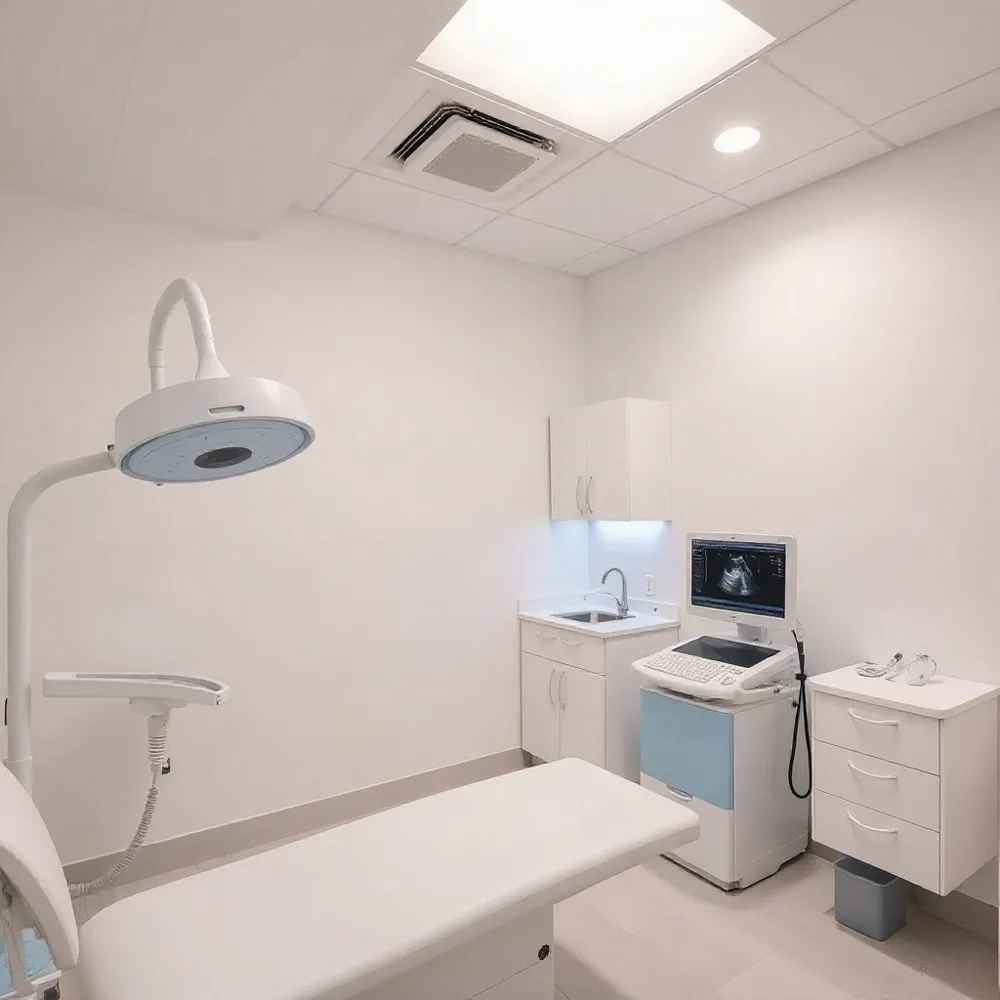
A first gynecology or prenatal appointment can bring nerves and uncertainty. That is common, and you do not need to arrive with every question already figured out. The American College of Obstetricians and Gynecologists describes a first gynecologic visit as a chance to talk about health, ask questions, and learn what to expect.
The visit is not automatically a pelvic exam or a fixed set of tests. What happens depends on your concerns, health history, and care needs. If an exam is suggested, ask what it involves and share any preferences or discomfort; guidance on pelvic exams notes that clinicians should explain the steps and answer questions.
At raveco.com, women’s health care spans obstetrics and gynecology, with attention to each patient’s needs. Before the appointment, jot down symptoms, questions, medications, or topics you would like to discuss. Sharing what matters to you helps the clinician shape a conversation and plan around your health.

Your first gynecologist appointment usually starts with a conversation about why you came in and what you would like help with. Your clinician may ask about symptoms, periods, sexual and reproductive health, medications, allergies, and personal and family medical history. These questions help shape care around your needs, not a standard script.
You can bring up concerns such as birth control, painful periods, pregnancy planning, or STI testing. The American College of Obstetricians and Gynecologists’ guidance on a first gynecologic visit notes that an initial appointment may be mostly a conversation; the clinician may also discuss exams or vaccinations when appropriate.
A visit may include basic checks such as blood pressure, but an examination or test depends on factors like age, symptoms, screening history, and individual needs. A pelvic exam or Pap test is not automatic at a first visit. At raveco.com, care is provided through a women-led Queens practice offering comprehensive obstetrics and gynecology services, with care tailored to the reason for each appointment.
If an exam is recommended, ask what it involves and why. Your clinician should explain the steps, and you can ask questions, request a pause, or ask to stop. A patient guide to pelvic exams also encourages patients to speak up about nervousness or discomfort.
Before you leave, ask what the clinician found, when and how to expect test results, whether follow-up is needed, and how to contact the care team with questions. At raveco.com, that conversation can also help clarify next steps for ongoing gynecologic care or pregnancy-related concerns.

A little preparation can help you make the most of the appointment, but there is no need for a special routine. Jot down the date your last period began, symptoms and when they started, relevant health and family history, medications and supplements, and questions you want to raise. Raveco’s Queens-based obstetrics and gynecology care includes personalized attention, so sharing what matters to you can help guide the conversation.
If you have a period or symptom diary, or results from earlier tests, bring them if convenient. Notes about cycle timing, bleeding, pain, or other changes can help your clinician understand what is happening. For prenatal visits, the first-visit guidance from Boston Medical Center also recommends being ready to discuss your last menstrual period, medical history, and medications.
Be as open as you can about menstrual and sexual health, even if a topic feels personal. These details help your clinician tailor care, and you can ask how confidentiality and privacy work before answering. You do not need to shave or wax; regular bathing is enough. Avoid douching and vaginal creams, suppositories, or other vaginal products for about 24 hours beforehand unless your clinician advises otherwise, because they may affect testing.
Menstruation usually is not a reason to cancel. If you have a specific test scheduled or are unsure whether bleeding will affect it, call the office for guidance. You can also ask what to expect from any planned exam, as ACOG’s guide to a first gynecologic visit notes that the first appointment may focus mainly on conversation.
A routine gynecologic checkup is time to discuss your health, symptoms, and preventive care. It is different from a Pap test, which collects cells from the cervix to look for changes that could lead to cervical cancer. A checkup does not automatically include a pelvic exam or cervical screening.
Checkup timing and content depend on your age, health, symptoms, and individual needs. Visits are often scheduled yearly, but your clinician can recommend a schedule that fits your circumstances. Raveco provides comprehensive obstetrics and gynecology care in Queens, with visits focused on each patient’s health concerns and preventive needs.
Pap testing is not automatically needed every year. The appropriate schedule depends on factors such as age, test type, and personal history. The American College of Obstetricians and Gynecologists’ screening guidance explains that recommendations differ by age and screening method. Ask your clinician which approach applies to you, particularly if you have a history of abnormal results or other risk factors.
Do not wait for a routine checkup if a new symptom concerns you. Arrange an earlier visit to discuss changes such as unusual bleeding or pelvic pain, so your clinician can help determine whether evaluation is needed. You can also read more about how pelvic exams and Pap tests differ.
For irregular periods or possible endometriosis, the appointment usually starts with a private conversation about your cycle: how often bleeding occurs, how long it lasts, how heavy it is, and when your last period began. Your clinician may also ask when pain occurs, whether it follows your cycle, and whether sex is uncomfortable.
Be ready to describe other symptoms, medications, relevant medical history, and how the problem affects daily life. A painful-period appointment guide can help you think through details to share. At Raveco, a Queens-based obstetrics and gynecology provider, personalized care includes discussing symptoms and concerns in the context of your health history.
Depending on your symptoms and preferences, evaluation may include a pregnancy test, blood work, a pelvic exam, or ultrasound. Ask what each test is intended to check. Your clinician should explain an examination and seek your consent; you can ask to pause or speak up if you feel discomfort. A pelvic exam guide from the Center for Young Women’s Health explains that patients can ask what parts are planned and request an explanation at each step.
Normal examination or imaging results do not necessarily explain persistent pain. If symptoms continue, discuss whether further evaluation or a follow-up is appropriate. Bring a period or pain diary, previous test results, and questions; Raveco’s comprehensive gynecologic care can address concerns and support discussion of next steps.

After a positive pregnancy test, contact an obstetrics provider to arrange care. A first prenatal appointment commonly takes place around weeks 8-12, though your health and the practice’s guidance may affect the timing. Boston Medical Center’s first-visit guidance explains what patients may expect during this appointment.
The visit often begins with a review of your personal and family medical history, current medications and supplements, and the date of your last menstrual period. These details help the care team assess your health and estimate pregnancy timing and a due date. Raveco provides obstetrics care in Queens, where this history can help inform a plan suited to your circumstances.
Your appointment may include checks such as blood pressure and weight. Depending on your health and pregnancy, your provider may recommend a physical or pelvic exam, urine or blood tests, infection screening, genetic screening, or an ultrasound. Not every patient needs the same assessments, so ask what each test is for and when results will be available.
Bring a list of medications and supplements, and ask whether you should continue or change anything. The visit is also a chance to discuss prenatal vitamins, symptoms, and questions about the months ahead. If you have a medical condition, take prescription medication, or develop symptoms that concern you, contact the obstetrics office promptly for individualized guidance.
A first prenatal visit can set the tone for ongoing care. At raveco.com, obstetrics and gynecology care is personalized, so patients can raise questions about their health history, preferences, and concerns as part of planning care.
Ask how far along the pregnancy is and how the due date was estimated. You can also ask which tests or screenings are recommended, whether your health history may affect care, and how to review medications and supplements. The first prenatal appointment guidance from Boston Medical Center describes common topics such as medical history, testing, and pregnancy education, while your own clinician can explain what applies to you.
Other useful questions cover food, exercise, work, sex, travel, and symptoms that should prompt an urgent call. Clarify how often visits are planned, whom to contact between appointments, and where delivery care is provided. Write questions down and bring a medication list if that helps; you do not need to cover everything in one visit. More practical prompts are available in this prenatal care visit schedule and question guide.
Respectful care includes clear explanations, attention to privacy, and asking for consent before an examination or treatment. Dismissing pain or symptoms, making judgmental comments, pressuring you, or ignoring interpreter and accommodation needs are reasons to speak up. You can ask what a clinician recommends and why, discuss alternatives, and request a pause or stop during an exam. If you feel unheard or unsafe, raise the concern with the practice or seek another clinician. Do not delay prompt medical attention for urgent symptoms.
A first visit is not a test you need to pass. It is a chance to talk about your health, ask questions, and decide on next steps with your clinician. At Raveco, women-led obstetrics and gynecology care in Queens is centered on each patient’s needs and concerns.
Bring notes if they help, and speak up if you want an explanation, a pause, or an adjustment during an exam. You can ask what happens next and how to get test results. If a new concern develops, contact a clinician rather than waiting for a routine visit. Seek urgent care for severe or sudden symptoms.


Compassionate care for every stage of womanhood. Visit one of our convenient locations or book your appointment online today.