
Protecting Ovarian Health: Signs, Symptoms, and Proactive Care
What Every Woman Should Know About Ovarian Health
Protecting Ovarian Health: Signs, Symptoms, and Proactive Care
Follow us here:


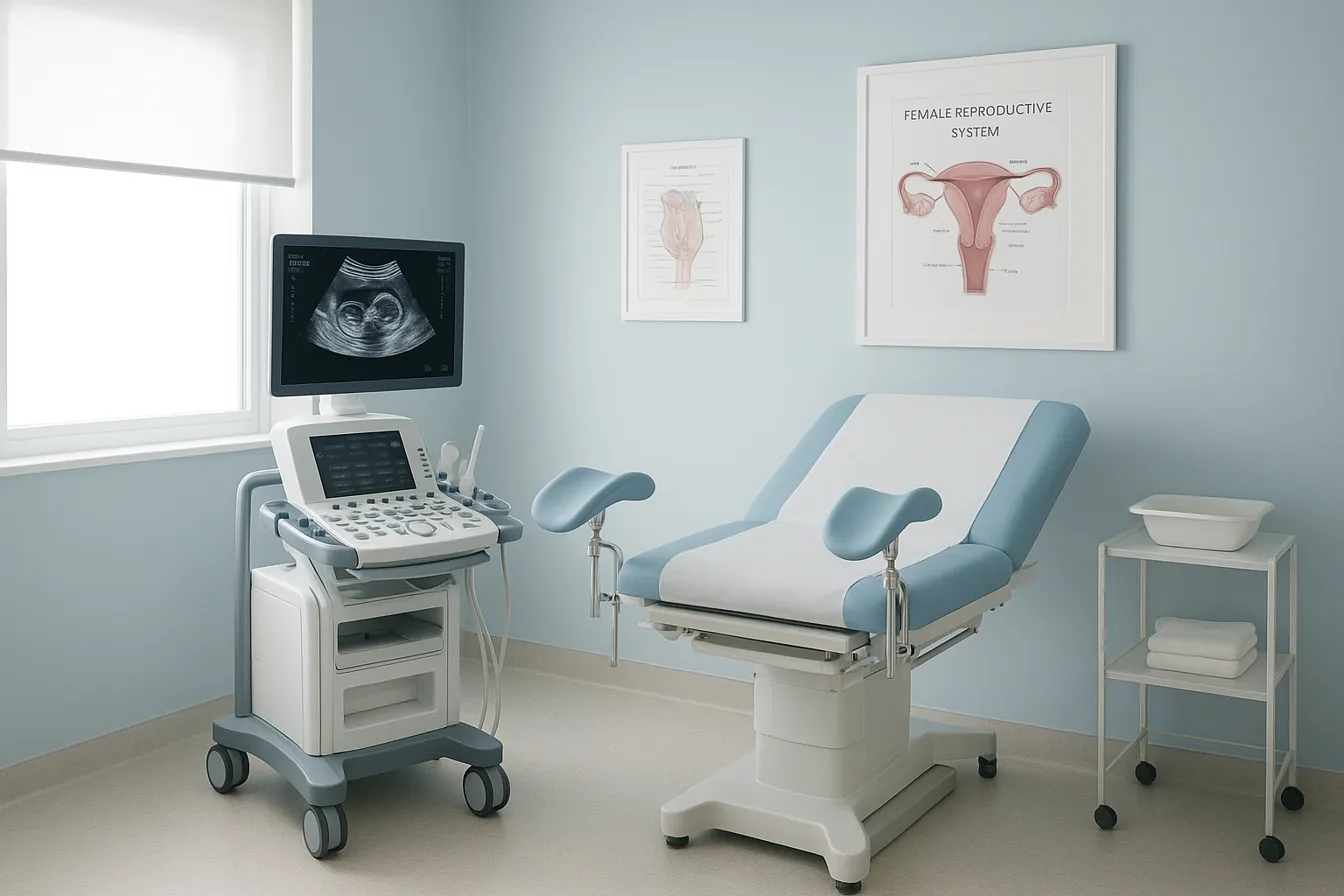
VBAC stands for Vaginal Birth After Cesarean, referring to delivering a baby vaginally after a previous cesarean section. TOLAC, or Trial of Labor After Cesarean, is the process of attempting labor with the intention to achieve a VBAC. Essentially, TOLAC is the labor stage, while VBAC is the successful result.
While TOLAC describes the decision to go through labor after a cesarean, VBAC refers to completing that labor with a vaginal birth. If TOLAC is unsuccessful, it may lead to a repeat cesarean. Understanding this distinction is important for recognizing the labor journey and its possible outcomes.
VBAC success rates generally range from 60% to 80%, depending on factors like prior vaginal birth and the type of previous uterine incision. Women with a low transverse incision and no significant health complications have higher chances. Key considerations include risks such as uterine rupture (which is rare), pregnancy timing, maternal age, and supportive healthcare settings equipped for emergencies. Being well-informed and choosing a supportive care team can maximize the chance for a successful VBAC.

VBAC, or Vaginal Birth After Cesarean, describes the process of delivering a baby vaginally following a previous cesarean section. Physical preparation for VBAC incorporates pregnancy-safe exercises that focus on increasing pelvic flexibility and optimizing fetal positioning to support labor. Examples include diaphragmatic breathing, deep squats, cat/cow stretches, gentle walking, yoga, swimming, and light weightlifting. It is essential for pregnant individuals to consult their healthcare provider before beginning or modifying any exercise routine.
To prepare effectively for VBAC, key exercises involve pelvic floor strengthening combined with mobility techniques:
Maintaining a nutrient-rich, anti-inflammatory diet throughout pregnancy supports tissue healing and overall health vital for VBAC success. Managing scar tissue from the previous cesarean with gentle fascial release and targeted stretching can restore flexibility and reduce restrictions around the uterus, facilitating smoother labor. (Refer to Gentle fascial release techniques and targeted stretching for scar tissue
Regular exercises that promote pelvic mobility and strength can optimize fetal positioning, improving the chances of a straightforward labor. Techniques such as pelvic tilts and optimal maternal postures support fetal descent and effective contractions. Proper body mechanics and alignment are crucial in advancing labor progression and reducing complications. (Learn more about Vaginal Birth After Cesarean - Optimal maternal positioning and fetal descent
Physical readiness combined with emotional and educational preparation for VBAC significantly enhances the likelihood of a successful and satisfying VBAC journey.

mental and emotional preparation for VBAC plays a vital role in the success and experience of a vaginal birth after cesarean (VBAC). Building a support network of trusted individuals—including family, friends, healthcare providers, and doulas—offers encouragement and reassurance throughout the pregnancy and labor process. Doulas, in particular, provide continuous emotional support, help communicate birth preferences, and empower women to navigate their birth journey with confidence (Role of Doulas in VBAC).
Mindfulness practices, affirmations, and relaxation techniques like deep breathing, meditation, and prenatal yoga help reduce anxiety, lower stress hormone levels, and foster calmness (mental and emotional preparation for VBAC). These strategies equip women to cope better with labor challenges and focus on positive outcomes.
Emotional readiness often involves processing previous birth experiences. Reflecting on and healing from past traumas or fears related to cesarean deliveries can enhance resilience and prepare the mind for a new, empowering birth experience. Seeking maternal mental health support or counseling can be beneficial in this process (Maternal Mental Health Support.
Maintaining a hopeful yet realistic mindset balances optimism with an understanding that flexibility may be necessary during labor. Setting realistic expectations allows for adaptive responses if unexpected circumstances arise, reducing the risk of disappointment or distress (VBAC preparation tips).
Overall, emotionally preparing for VBAC includes nurturing mental wellness, fostering positivity, and developing coping mechanisms. This comprehensive approach encourages safer, more satisfying birth outcomes and helps women embrace their unique birth journey with strength and joy (Mental preparation for VBAC).

Attempting a Vaginal Birth After Cesarean (VBAC) is generally safe, with VBAC success rate around 70%. However, it carries some risks. The most serious risk is uterine rupture — a tear along the previous cesarean scar — which occurs in less than 1% of cases. While rare, uterine rupture can be life-threatening for both mother and baby and often requires immediate emergency surgery, sometimes including hysterectomy.
Other potential complications include heavy bleeding and infection. Continuous monitoring of fetal heart rate and uterine contractions during labor is vital to detect early signs of distress or rupture, allowing swift intervention.
Choosing a Choosing a VBAC-friendly hospital with emergency surgical facilities, such as 24/7 anesthesia, blood bank, and intensive care units, is essential for managing these risks. Equally important is having a VBAC-supportive healthcare provider who can guide you through the process safely.
Experts generally recommend waiting at least 18 to 24 months after a cesarean before attempting VBAC. This waiting period allows the uterine scar to heal properly, reducing the risk of rupture.
The type of uterine incision from the previous cesarean strongly influences safety. A Low transverse C-section incision (horizontal cut on the lower uterus) has the lowest risk of rupture and is most conducive to VBAC. In contrast, high vertical (classical) incisions usually exclude candidates from attempting VBAC due to higher risks.
Other factors affecting timing and safety include overall maternal health, history of vaginal births, and fetal size. Women with Prior vaginal delivery and VBAC have a higher chance of VBAC success.
Close consultation with your Consulting healthcare professionals about VBAC is critical to assess your individual circumstances and determine the safest timing for a VBAC attempt.
During VBAC labor, VBAC hospital care and monitoring is standard to track progress and quickly identify complications. Spontaneous labor onset is preferred, as it carries a lower risk of uterine rupture.
Certain labor induction medications, like misoprostol or dinoprostone, increase rupture risk and are generally avoided in VBAC candidates. Mechanical induction methods and low-dose oxytocin may be used cautiously if induction becomes necessary.
Selecting a Choosing a VBAC-friendly hospital is non-negotiable for a safe VBAC. Facilities should have the capacity for emergency cesarean delivery anytime, with onsite anesthesia, blood banks, and neonatal intensive care units.
Hospitals with high VBAC Success Rates often have experienced obstetric teams and clear protocols for managing labor complications. This can significantly improve outcomes and reduce stress during delivery.
In summary, while VBAC is a safe and viable option for many women, understanding Risks associated with VBAC, timing, hospital readiness, and labor management is essential to plan a safe birth experience.

Patients who experience an uncomplicated VBAC generally have shorter labors compared to those with complicated VBAC attempts or failed trials of labor after cesarean (TOLAC). The early part of labor, defined as dilation from 1 to 6 centimeters, tends to take around 8 hours for uncomplicated VBAC cases. In contrast, patients with complicated VBAC or unsuccessful TOLAC often face a longer progression time, approximately 13.7 hours.
A Trial of Labor After Cesarean (TOLAC) refers to the attempt to have a vaginal delivery following a previous C-section. The outcome may be either a successful vaginal birth or a repeat cesarean if the trial is unsuccessful. Vaginal Birth After Cesarean (VBAC) specifically means that the vaginal delivery was successful after a prior cesarean section. A successful VBAC offers many benefits, including avoiding abdominal surgery, faster recovery, and a lower risk of infection and blood loss.
Women who achieve a VBAC typically experience shorter recovery times than those who have repeat cesarean sections. VBAC recovery is similar to a routine vaginal birth, often involving a hospital stay of about two nights and an overall recovery period around six weeks. Repeat C-sections, being major abdominal surgeries, carry higher risks such as increased blood loss, scarring complications, anesthesia-related issues, and longer healing time.
Spontaneous labor is strongly preferred for VBAC candidates because induced labors can reduce the success rate and increase the risk of uterine rupture. The American College of Obstetricians and Gynecologists emphasizes avoiding induction methods like misoprostol and dinoprostone which elevate rupture risks. Instead, if induction is necessary, mechanical methods and low-dose oxytocin may be used carefully under close monitoring.
Early and open discussion of birth preferences with an experienced VBAC-supportive healthcare provider is essential. Selecting a hospital skilled in VBAC deliveries, having backup providers who understand and support your birth goals, and hiring a knowledgeable doula for advocacy and emotional support can all improve outcomes. Flexibility during labor is important as circumstances may require adapting the plan, including the possibility of an emergency cesarean if safety concerns arise.
These insights help expectant mothers understand what to anticipate during a VBAC, promoting informed decision-making and fostering a supportive birth environment that maximizes the chance of a successful vaginal delivery after cesarean.

Having a healthcare provider who is openly supportive of VBAC is vital for a positive experience. Not all providers or hospitals offer VBAC services, so seeking one experienced with Successful VBAC ensures better care and safety. Doulas can provide crucial emotional support, help articulate birth preferences, and assist with communication between the woman and her care team during labor. For importance of a doula in VBAC and Role of Doulas in VBAC, doulas offer emotional steadiness and continuous physical and psychological support.
Effective communication with your healthcare provider helps in making informed decisions and advocating for your birth preferences. VBAC-specific childbirth classes for VBAC are available and offer valuable education on labor techniques, relaxation methods, and how to handle challenges. Feeling empowered to ask questions and express concerns fosters confidence and a smoother labor experience. For VBAC birth preparation tips and childbirth education for VBAC, specialized knowledge enhances readiness.
Choosing a hospital equipped to support VBAC attempts, including having 24/7 anesthesia, an operating room, blood bank, and neonatal intensive care unit (NICU), is essential. These facilities can manage emergencies like uterine rupture if they arise. Home birth is not recommended for VBAC due to the need for immediate surgical intervention if complications occur. For guidance on choosing a VBAC-friendly hospital and supportive hospitals for VBAC deliveries, proper facilities are crucial for safety.
A VBAC birth plan should remain flexible as labor may require adjustments or emergency cesarean delivery. Mental health support including counseling or support groups helps women process prior birth experiences and reduce anxiety. Techniques such as mindfulness and affirmations for VBAC, and breathing exercises can support psychological readiness. Also, mental and emotional preparation for VBAC is key for a positive birth experience.
Are there preparation classes available specifically for VBAC?
Yes. Specialized classes teach evidence-based information about risks, benefits, labor positions, and communication strategies to empower women planning a VBAC. See childbirth classes for VBAC and VBAC birth preparation tips.
Can women have a successful VBAC after two cesarean sections?
Yes. Women with two prior cesareans can have a successful VBAC, especially if previous vaginal births exist. Success depends on individual factors, and appropriate medical support is essential. Consult eligibility criteria for VBAC and VBAC and previous uterine incisions.
What are practical tips for having a normal delivery after a cesarean?
Stay active, attend VBAC birth preparation tips, maintain good nutrition, build a supportive care team including a doula, select a VBAC-friendly hospital, and keep your birth plan flexible. Additional tips include physical activity benefits for VBAC and VBAC support networks.
This combination of informed preparation, supportive care, and mental and physical readiness greatly improves the chance of a successful and satisfying VBAC experience.
Preparing your body and mind plays a vital role in increasing the chances of a successful VBAC. Physical steps such as maintaining an active lifestyle, incorporating pelvic floor therapy, and practicing prenatal exercises like diaphragmatic breathing or gentle stretches can help improve pelvic health and labor outcomes. Mental preparation, including processing past birth experiences and engaging in mindfulness or support groups, fosters emotional resilience and confidence during labor.
Choosing a supportive healthcare provider experienced in VBAC is crucial. Providers should have a record of successful VBACs and work in a hospital equipped for emergency interventions, including emergency Cesareans, as uterine rupture—though rare—requires immediate attention. Discussing personal health history and birth preferences early enables a tailored, safe birth plan.
Although planning is important, remaining flexible during labor is essential, as situations may change requiring emergency measures. Advocating for your birth preferences and maintaining clear communication with your care team and support persons can help you navigate challenges while feeling safe and empowered throughout your VBAC journey.

.png)
%201.png)
Compassionate care for every stage of womanhood. Visit one of our convenient locations or book your appointment online today.